Guest — sign in to save your enquiries.
My account
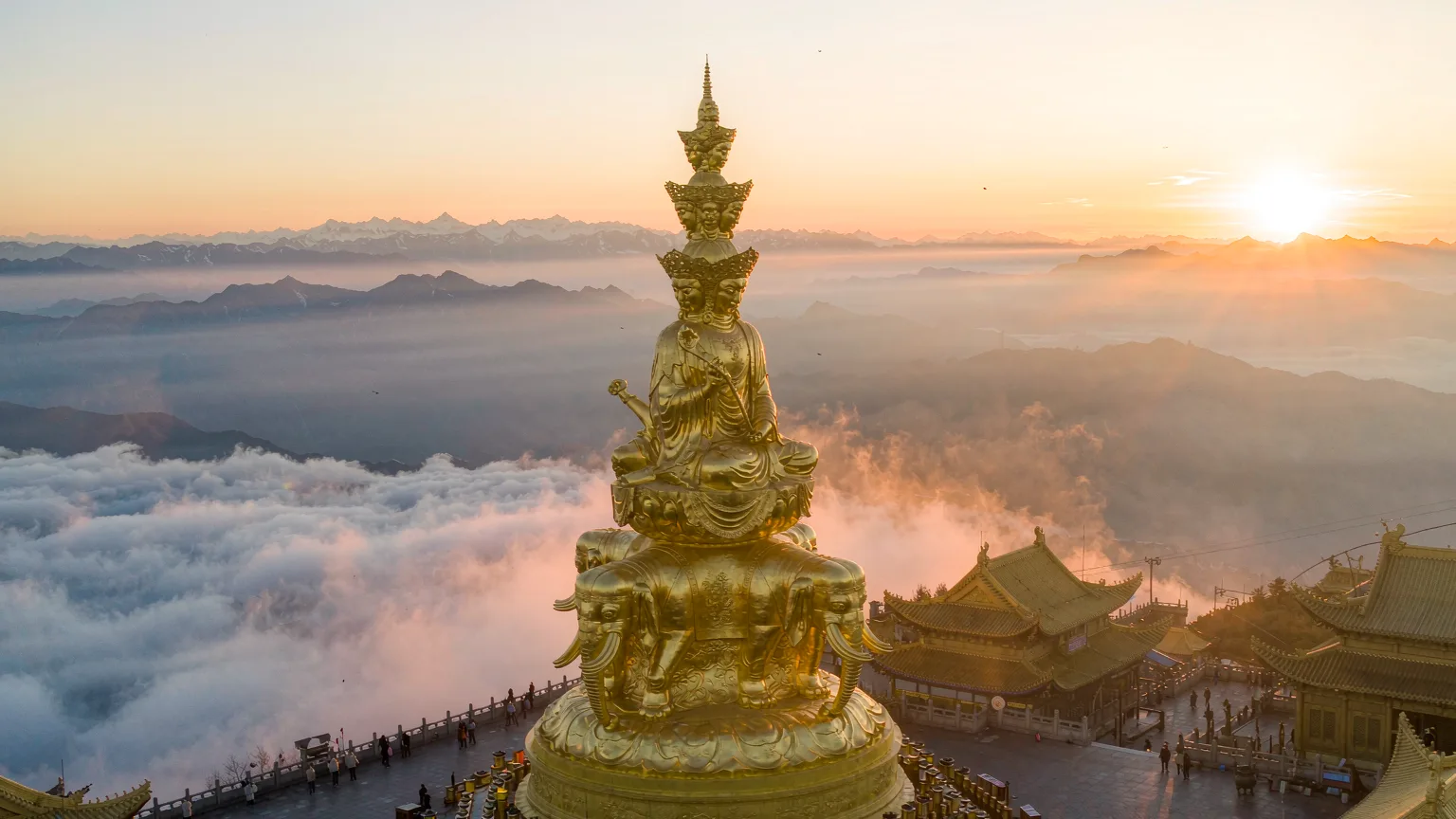
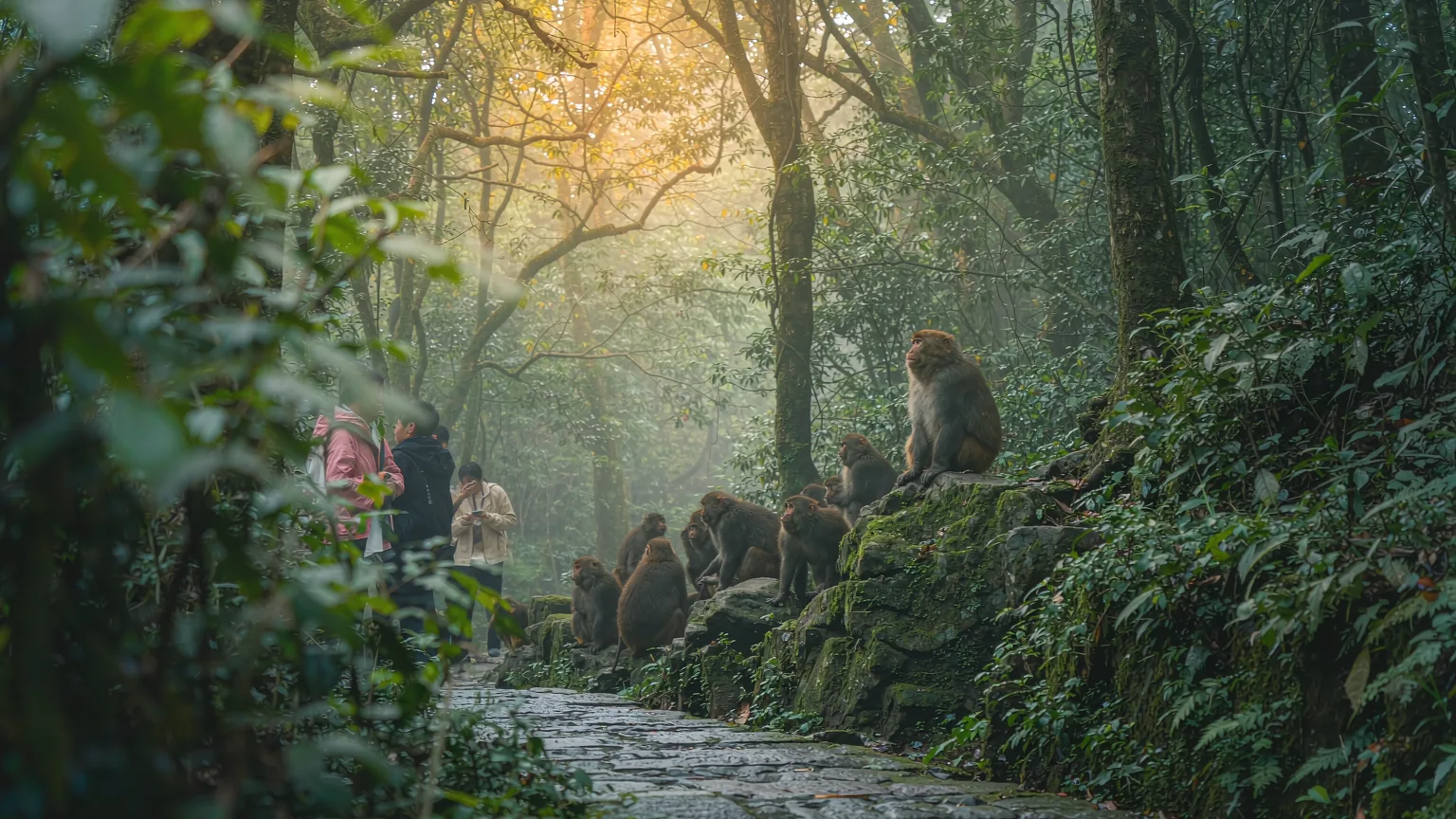
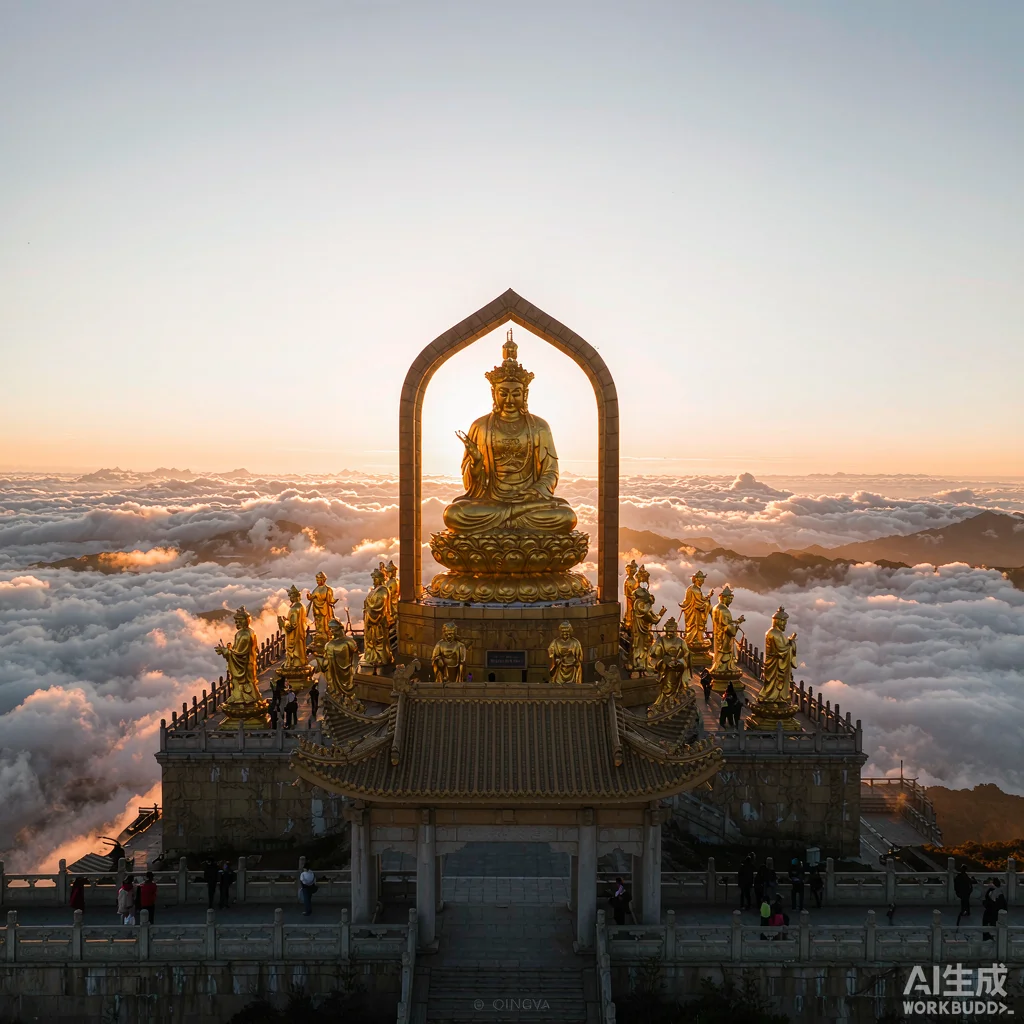
One of the Four Great Buddhist Mountains, with the sea of clouds at the Golden Summit, the Ten-Direction Samantabhadra, and playful wild monkeys along the way.
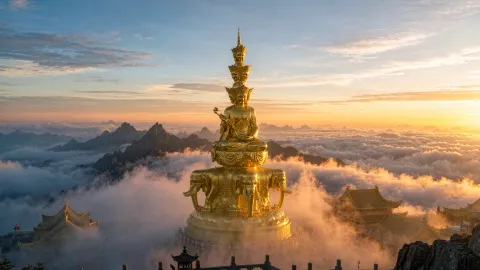
Mount Emei, known as Emeishan in Chinese, is one of the Four Sacred Buddhist Mountains of China and a UNESCO World Heritage Site. Rising dramatically from the Sichuan Basin, its highest peak, Wanfoding (Golden Summit), reaches 3,099 meters. For over two millennia, pilgrims have climbed its stone steps to pay homage at ancient temples, seeking enlightenment and blessings. The mountain's unique combination of natural beauty and spiritual significance has inspired poets, emperors, and travelers throughout history.
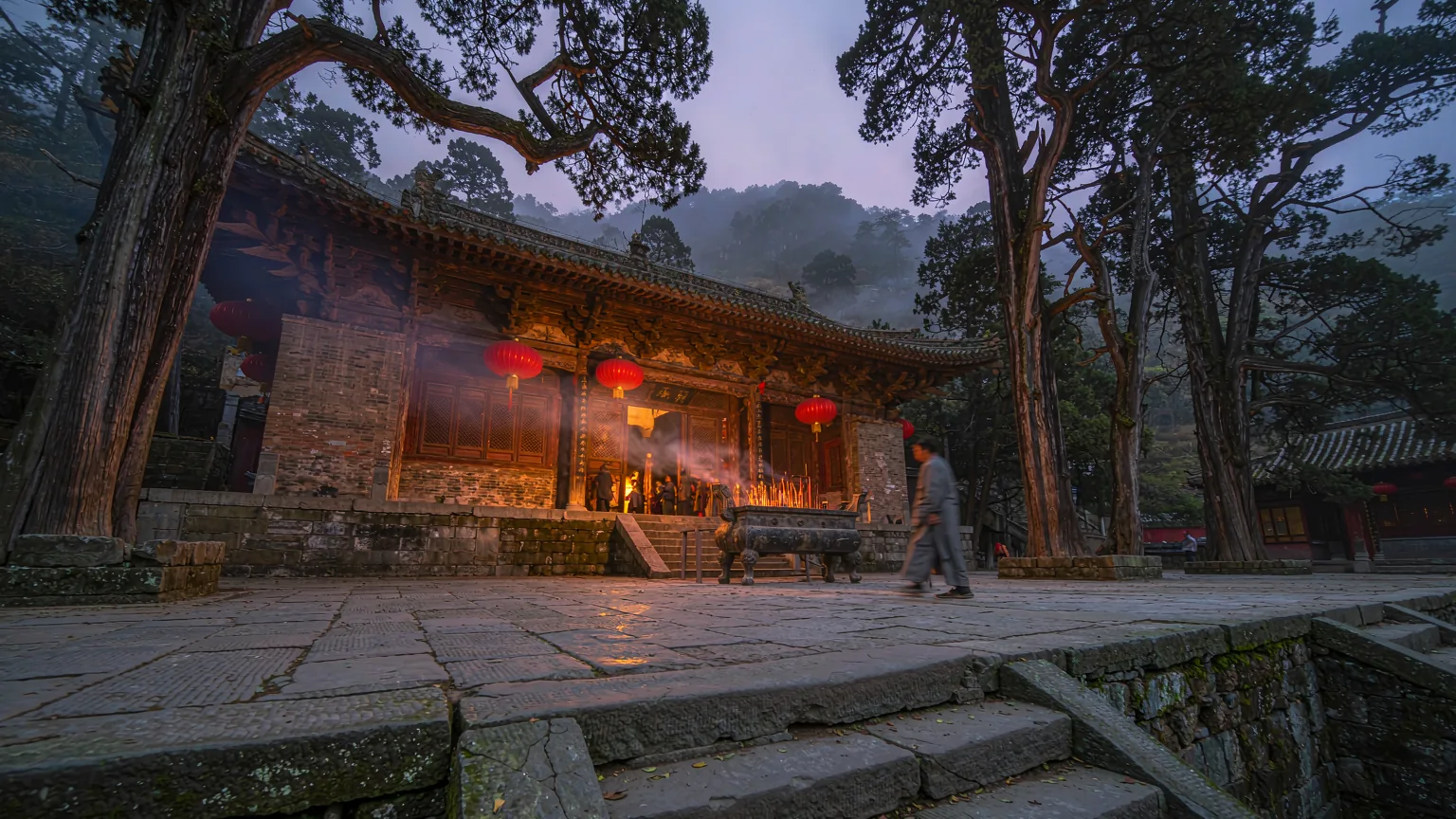
The scenic area is vast, covering approximately 154 square kilometers, with the main attractions spread across different elevations. The lower slopes are lush with subtropical forests and dotted with serene temples like Baoguo and Fuhu. Mid-mountain highlights include the playful Tibetan macaques at Wannian Temple and the mystical Elephant Bathing Pool. The summit offers breathtaking panoramas, especially at sunrise, when a sea of clouds often blankets the landscape below.
Visitors to Mount Emei can experience a blend of nature, culture, and adventure. Whether hiking ancient trails, riding the cable car to the Golden Summit, or simply enjoying the tranquility of a mountain temple, the mountain leaves a lasting impression. The nearby town of Huanglongxi and the hot springs at Julong add to the appeal, making Emeishan a perfect destination for both spiritual seekers and nature lovers.
Mount Emei Scenic Area covers approximately 154 square kilometers and is home to a population of around 50,000 residents, primarily in the town of Emeishan at the mountain's base. It is one of China's Four Sacred Buddhist Mountains and was designated a UNESCO World Heritage Site in 1996, recognized for its cultural and natural significance.

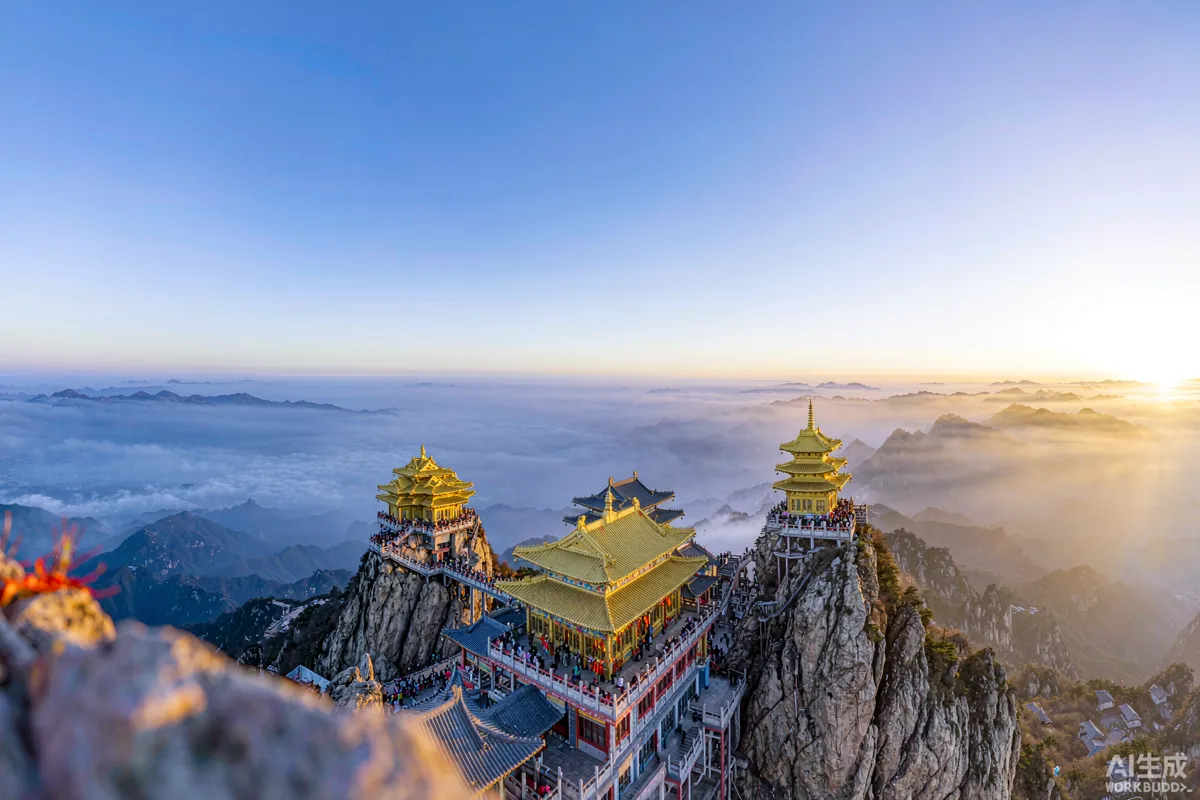
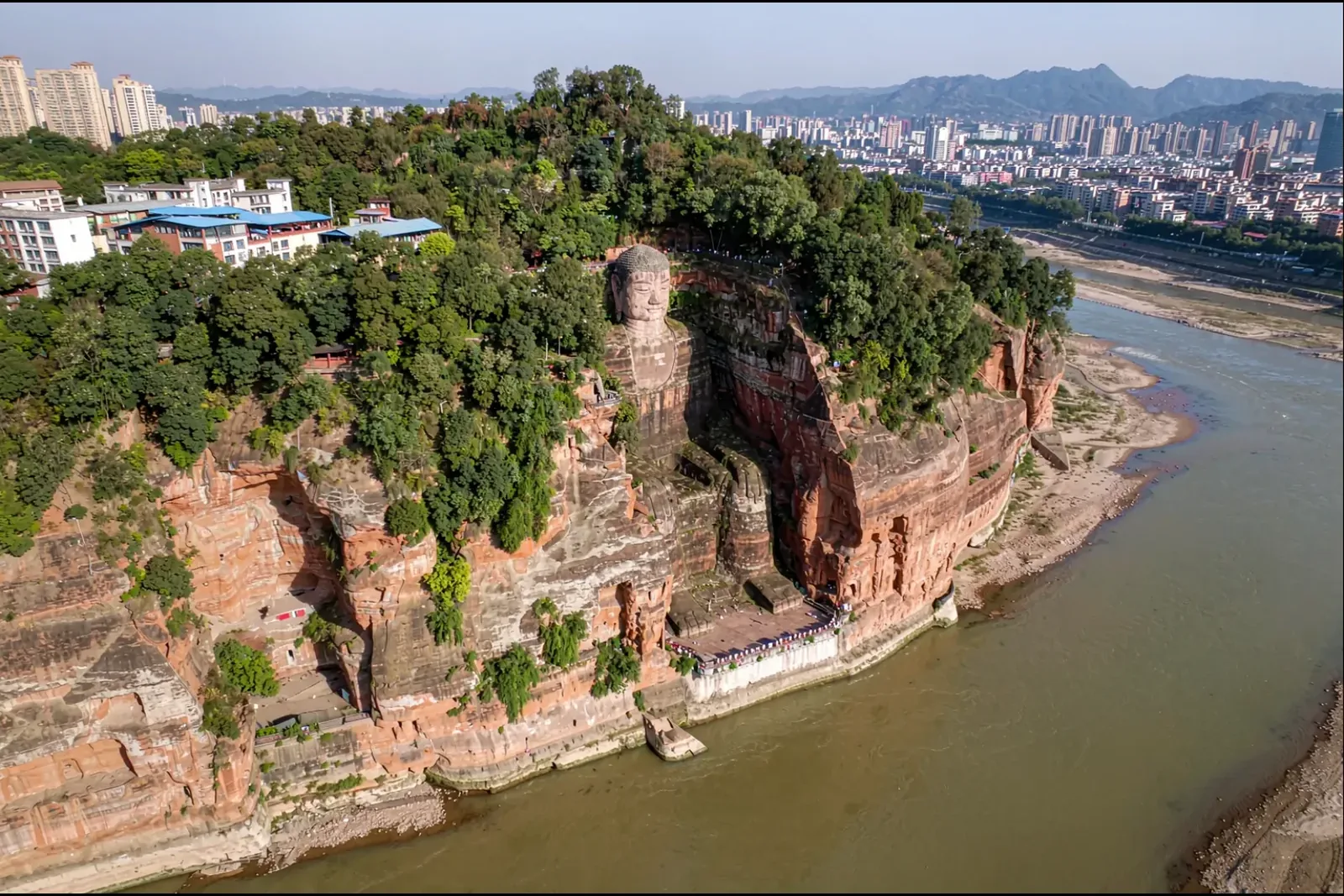
Golden Summit Sea of Clouds · Leshan Giant Buddha · Wannian Temple, experience the essence of Emei in one trip · Includes全程 vehicle and guide
View details →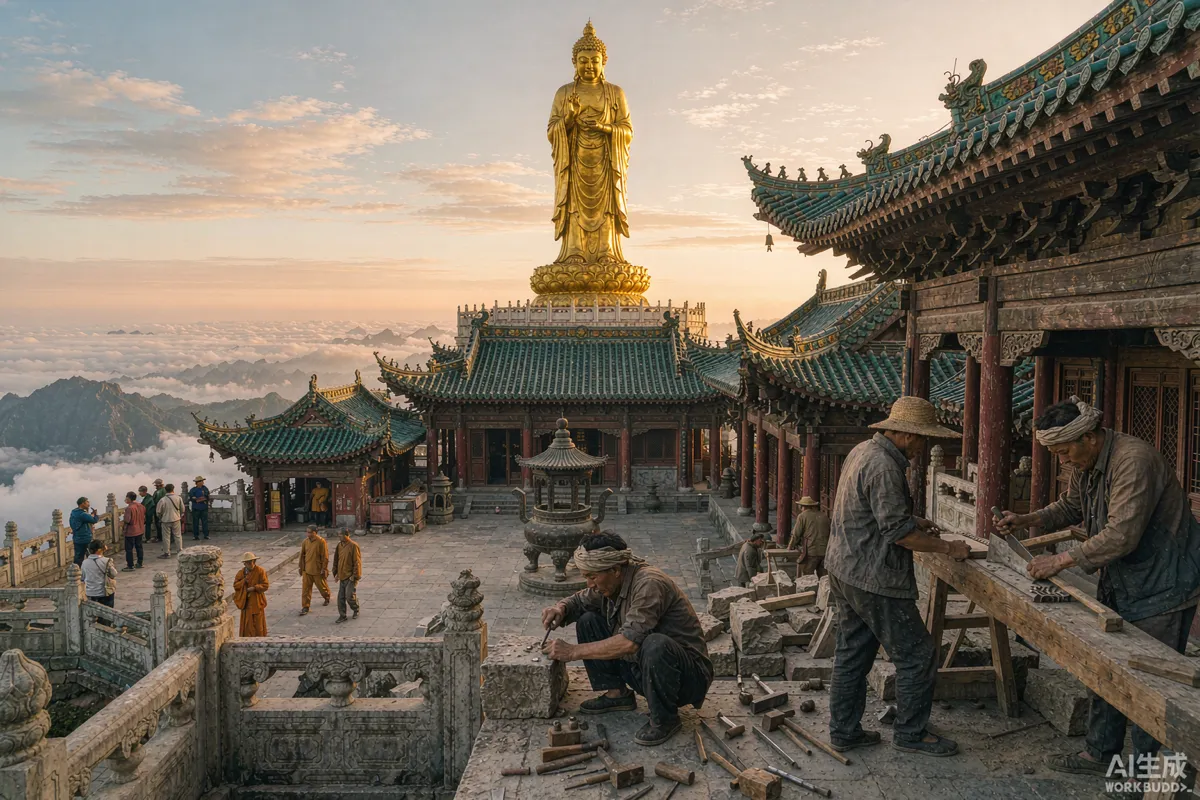
Ancient Temples & Zen Serenity · Intangible Cultural Heritage Handicrafts · Museum — Discover Emei's Millennia-Old Buddhist Culture · Small Group, Slow Pace
View details →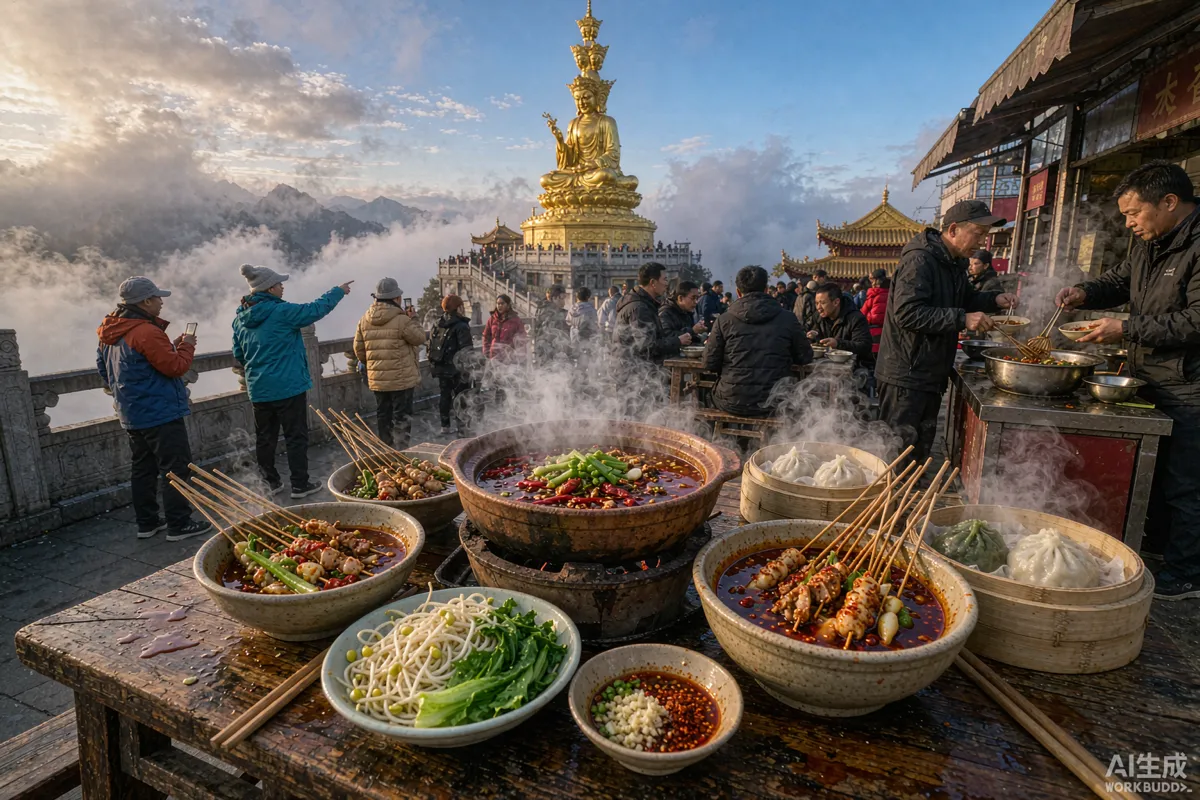
Douhua · Bobo Chicken · Snow Konjac · Market Tasting, Eat Through Emeishan with Locals · Small Group Slow Food
View details →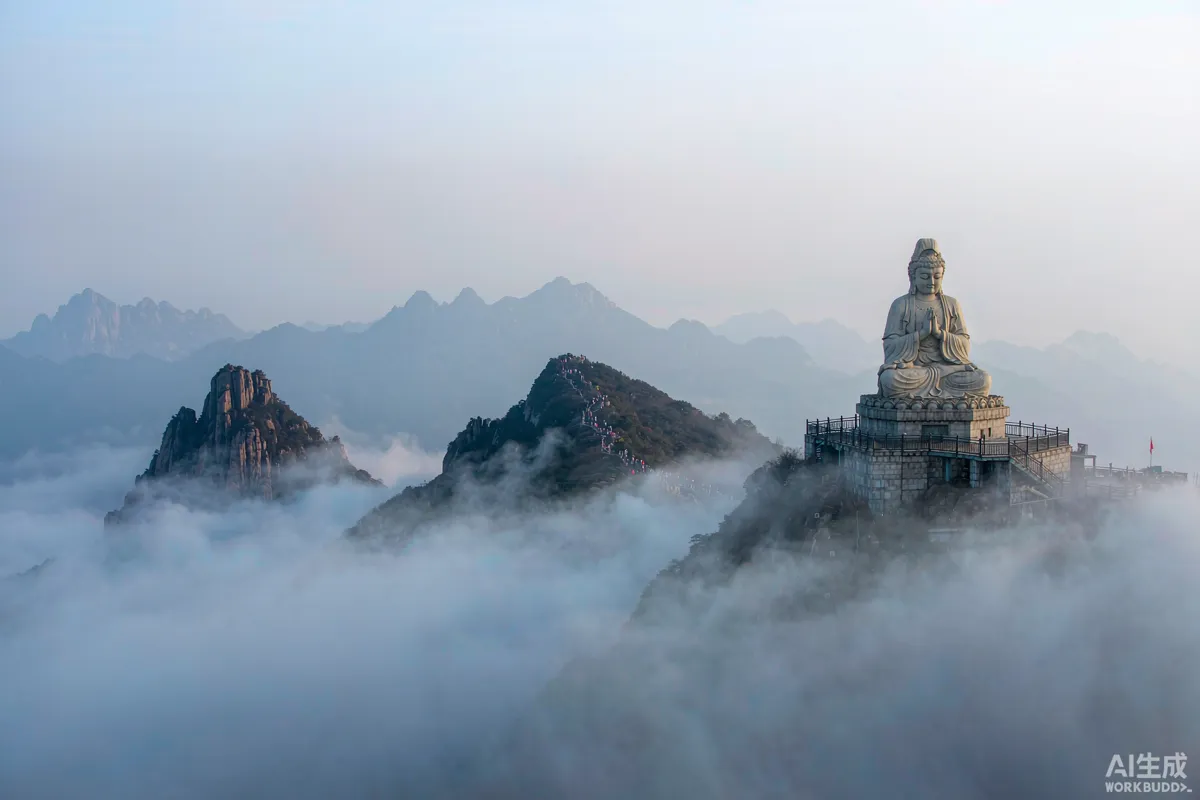
Hike Qingyin Pavilion · Summit Golden Peak · Leshan Gorge River, 4-Day Landscape Photography & Outdoor · Professional Guide
View details →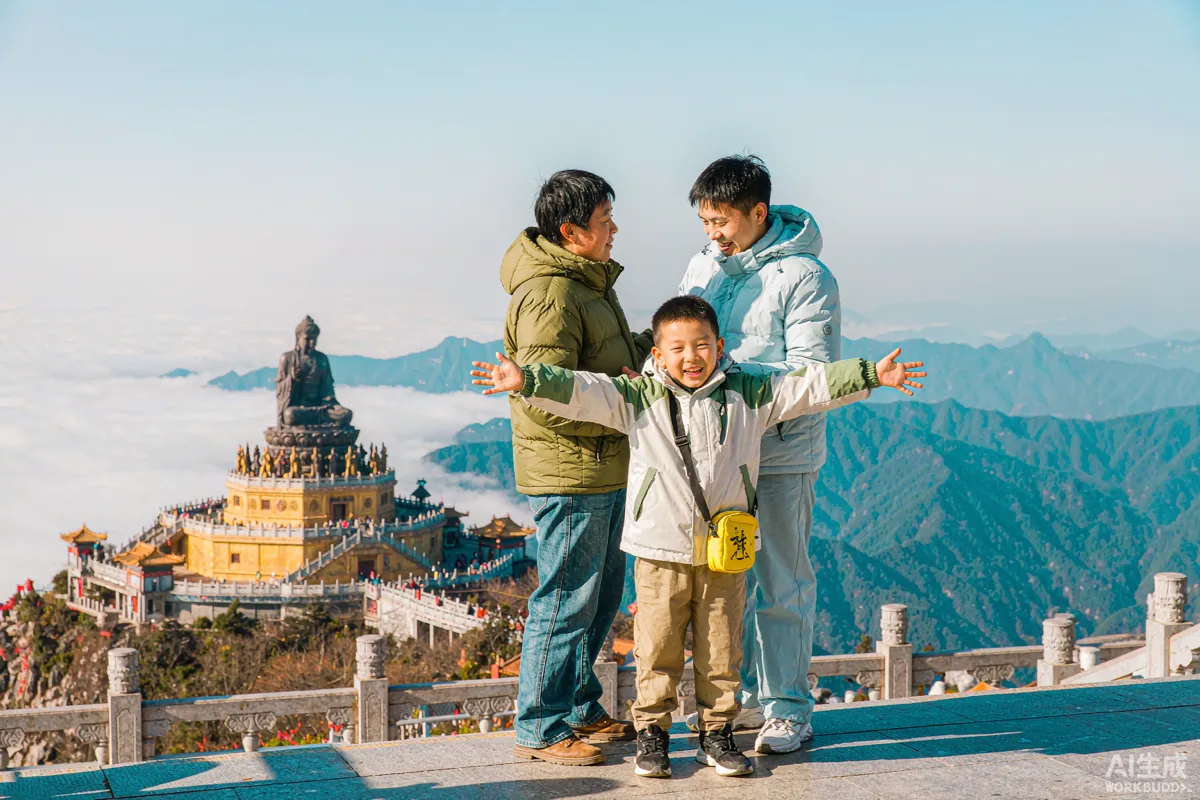
See macaques, ride the cable car, and do handicrafts — an easy-paced Mount Emei trip with kids · Family-friendly
View details →| Fleet | Airport pickup & drop-off | Chauffeur by the day | Intercity transfers |
|---|---|---|---|
 Economy | from $84Book → | from $280Book → | from $170Book → |
 Comfort | from $134Book → | from $448Book → | from $272Book → |
 Luxury | from $202Book → | from $672Book → | from $408Book → |
 Special vehicles | For groups of 7+, please contact our trip designer for a quote | ||
prices may vary by date & route
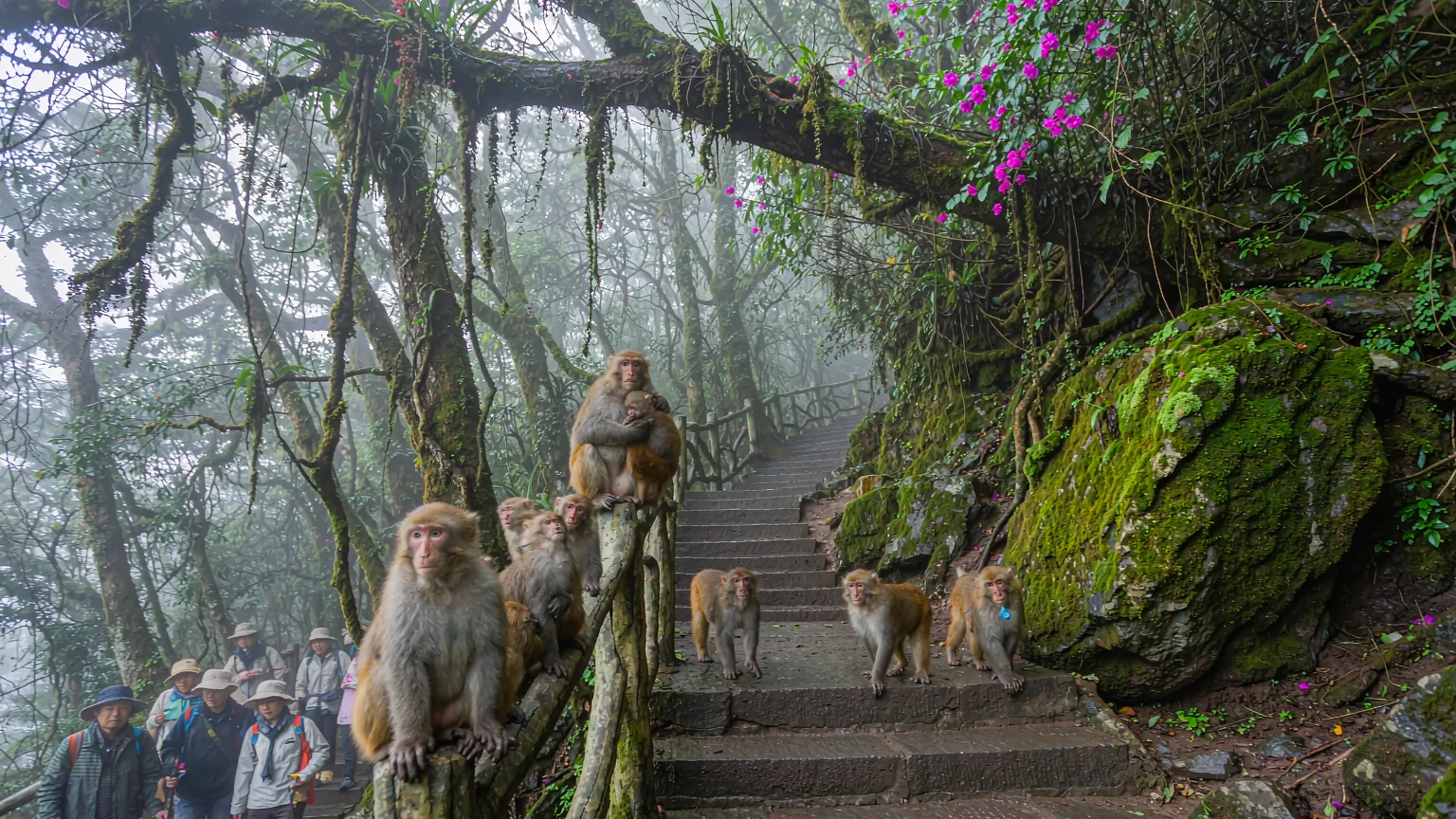
Mount Emei, located in Sichuan Province, is one of China's Four Sacred Buddhist Mountains. It is renowned for its steep terrain, ancient temples, and diverse ecosystems. The mountain is part of the Emeishan Scenic Area, a UNESCO World Heritage Site since 1996. The area is not a city but a scenic region, with the town of Emeishan serving as the gateway.
The mountain is divided into three zones: Low Mountain (below 1,000m), Middle Mountain (1,000-2,000m), and High Mountain (above 2,000m). Each zone offers distinct experiences, from lush forests and monasteries to alpine meadows and the iconic Golden Summit. The climate varies with altitude, so visitors should prepare for changing conditions.
Mount Emei is easily accessible from Chengdu, the capital of Sichuan. High-speed trains run frequently from Chengdu East Railway Station to Emeishan Station, taking about 1.5 hours. From Emeishan Station, buses and taxis are available to the scenic area entrance. Alternatively, direct buses from Chengdu Xinnanmen Station take around 2.5 hours.
Within the scenic area, a combination of shuttle buses, cable cars, and walking trails allows visitors to explore. The shuttle bus network connects major sites, while cable cars provide quick access to the Golden Summit and Wannian Temple. Hiking is popular, with well-marked trails ranging from easy walks to challenging climbs. Note that private vehicles are not allowed inside the scenic area.
Emeishan offers a variety of dining options, from simple vegetarian meals at temples to local Sichuan specialties. The mountain's Buddhist heritage means vegetarian cuisine is prominent, with dishes made from tofu, bamboo shoots, and wild vegetables. Don't miss the chance to try Emei tofu pudding, cold noodles, and smoked duck. For a unique experience, have a meal at one of the temples.
Shopping in Emeishan focuses on local specialties and Buddhist-related items. The town of Emeishan has markets and shops where you can buy souvenirs like Emei tea, herbs, and handicrafts. Near the mountain entrance, there are stalls selling prayer beads, amulets, and incense. Remember to bargain politely.
Nightlife on Mount Emei is serene and limited, as the focus is on nature and spirituality. In Emeishan town, you can find some bars and cafes, but the main evening activity is enjoying a quiet walk or stargazing. The Golden Summit offers a unique experience of watching the sunset and staying overnight for sunrise. Many visitors choose to rest early to prepare for an early morning hike.
The best time to visit Mount Emei is during spring (March-May) and autumn (September-November) when the weather is mild and the scenery is at its best. Summer can be crowded and rainy, while winter offers a snowy wonderland but requires warm clothing. Avoid Chinese public holidays to escape the crowds.
| Period | Temperature | Conditions |
|---|---|---|
| Mar–May | 6-22°C | Spring brings blooming flowers and comfortable temperatures, ideal for hiking. |
| Jun–Aug | 18-30°C | Summer is warm and rainy, with lush greenery but frequent afternoon showers. |
| Sep–Nov | 8-20°C | Autumn offers clear skies and stunning foliage, perfect for photography. |
| Dec–Feb | -5-10°C | Winter is cold with snow on the summit, creating a magical icy landscape. |
Every private guide is licensed and vetted. Choose a tier that fits your trip — rates are per guide, per day, in USD.
A dependable all-rounder for an easy, well-planned day.
An experienced specialist with deeper local insight.
A senior expert — and, on request, medical-travel accompaniment.
Hand-picked, licensed guides based right here. Tap book to start a conversation and lock in your dates.

Most travellers spend 3 days in Mount EmeiMeishan, though many stay longer once they arrive. If you want to combine Mount EmeiMeishan with other cities — pandas, mountains, food streets — our consultants design one private itinerary at your own pace.
Yes. MyGuideTrip arranges vetted, licensed local guides in Mount EmeiMeishan and across China. Your guide speaks fluent English, stays with you for the entire trip, and handles tickets, transport and restaurant picks. Meet them on the Guides page.
Mount EmeiMeishan is best known for Ascend the Golden Summit to see the golden statue of Ten-Direction Samantabhadra and the sunrise over the sea of clouds. The recommended itineraries below cover these highlights with smart timing to beat the crowds.
Send us your dates, group size and interests — a dedicated consultant replies within 24 hours with a tailor-made Mount EmeiMeishan itinerary covering guide, driver, hotels and tickets. Start with a free consultation below.
Tell us a little about your trip and we'll get back to you within 24 hours.
We'll reply within 24 hours.