
Guest — sign in to save your enquiries.
My account
Wannian Temple is the spiritual heart of Mount Emei, home to a thousand-year-old bronze statue of Samantabhadra riding a white elephant. As one of the mountain's oldest and most revered monasteries, it offers a serene escape from the crowds. With our private guide, you'll skip the confusion and delve into its rich history effortlessly.
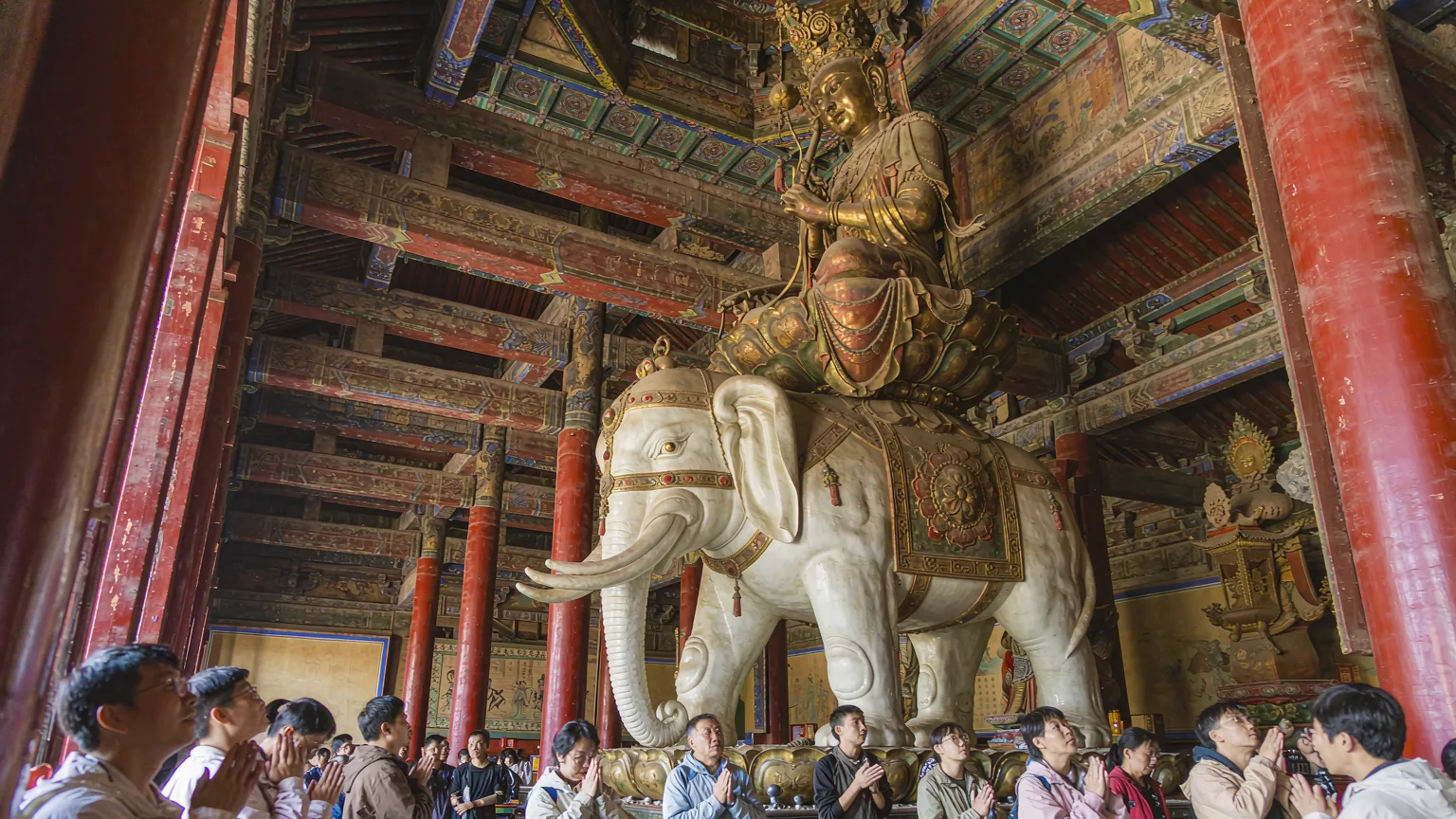
Founded during the Jin Dynasty (266–420) and originally named Puxian Temple, Wannian Temple has been rebuilt many times, most notably in the Ming Dynasty when it received its current name, meaning 'Ten Thousand Years Temple'. It is one of the eight major temples of Mount Emei and a key pilgrimage site for Buddhists. The temple's crowning treasure is a 7.35-meter-tall bronze statue of Samantabhadra (Puxian) seated on a lotus throne, supported by four elephants. Cast in 980 AD during the Song Dynasty, it weighs approximately 62 tons and is one of China's earliest and largest surviving bronze Buddhist sculptures. The statue is housed in the Beamless Brick Hall, a unique structure built entirely of bricks and mortar without a single beam, renowned for its architectural ingenuity and excellent preservation of the bronze.
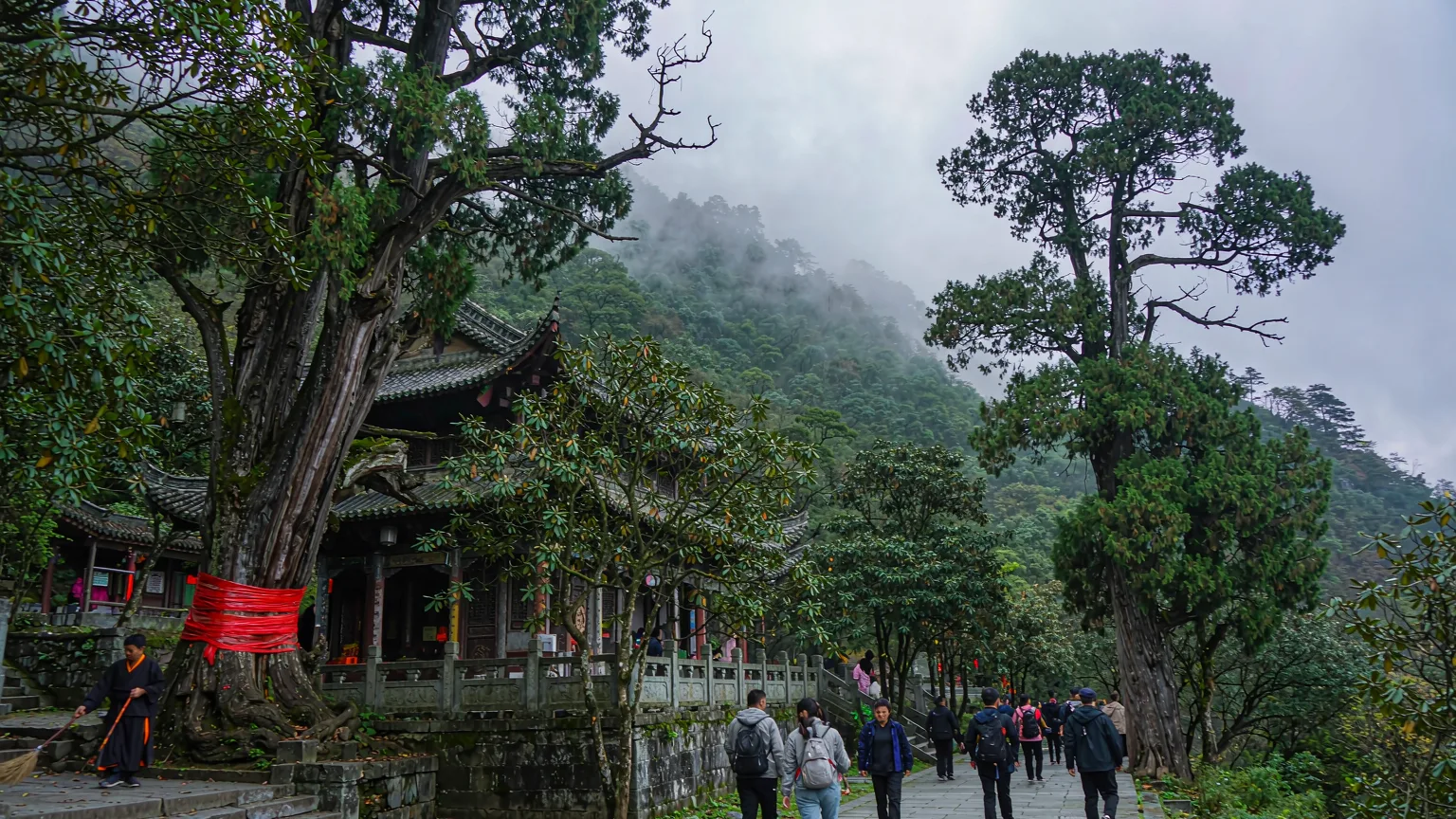
The temple complex is nestled at an elevation of 1,020 meters on the western slope of Mount Emei, surrounded by ancient trees and misty forests. It consists of several halls, including the Hall of Heavenly Kings, the Mahavira Hall, and the Beamless Hall, each with its own distinct character. Wannian Temple is not only a place of worship but also a living museum of Buddhist art, with countless statues, inscriptions, and relics. For visitors, it provides a tranquil contrast to the busier Golden Summit. Our guides can explain the symbolism and stories behind each hall, making your visit both educational and spiritually enriching.
Wannian Temple is about 15 km from Emei Shan city. From the Baoguo Temple bus station, take a shuttle to Wannian Temple parking lot (30 minutes), then walk 20 minutes or take a cable car (¥65 one way) up to the temple. Alternatively, hike from Qingyin Pavilion (2–3 hours). Our private guide will arrange seamless transfers and can combine it with a visit to the Golden Summit for a full day.
Entrance to Mount Emei Scenic Area: ¥160 (valid 2 days). Wannian Temple entry: ¥10. Cable car: ¥65 one way, ¥110 round trip. Opening hours: 6:00–18:00 (seasonal variations). Book via official WeChat account or our guide can pre-purchase. Foreign cards accepted at ticket counters, but WeChat Pay/Alipay linked to international cards is more convenient.
Visit in spring (April–May) or autumn (September–October) for mild weather and colorful foliage. Early morning (before 9 AM) is ideal to avoid tour groups and witness monks' morning chanting. Avoid weekends and Chinese holidays for a more peaceful experience.
Not fully; there are many stairs and uneven paths. However, the cable car reduces some walking. Visitors with mobility issues should consider the cable car and have assistance.
No, the statue is inside the Beamless Hall, which requires a temple entry ticket (¥10). The ticket is separate from the main scenic area entrance.
Allow 1.5–2 hours to explore the temple and halls at a relaxed pace. If hiking up, add 2–3 hours for the ascent.
Some signs have English, but detailed explanations are limited. Our private guides provide in-depth commentary in fluent English, enhancing your understanding.
Tell us your dates, group size and preferences — a dedicated consultant will reach out within 24 hours.