Guest — sign in to save your enquiries.
My account
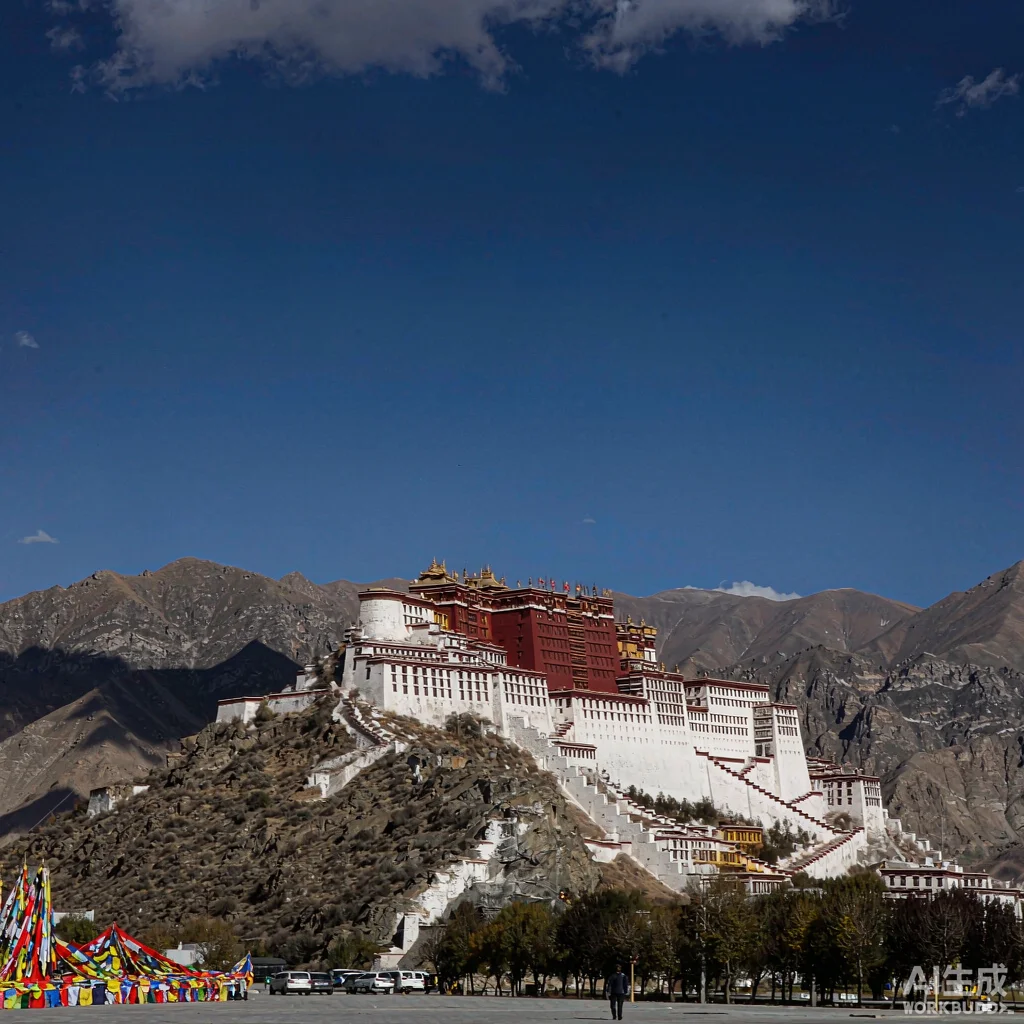
At 3,650m on the Tibetan Plateau, Lhasa is a city of sunlight, prayer wheels and pilgrims circling the Jokhang Temple. The Potala Palace alone justifies the journey, and the high-altitude light makes every photo glow. Note that foreign visitors need a Tibet Travel Permit and must join an organized tour, so plan ahead. Suited to slow, mindful travelers.
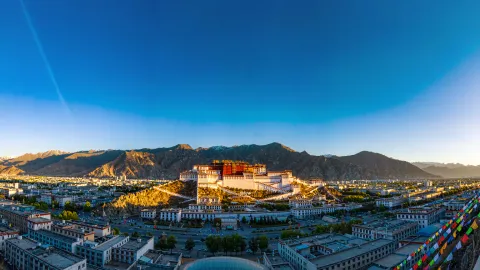
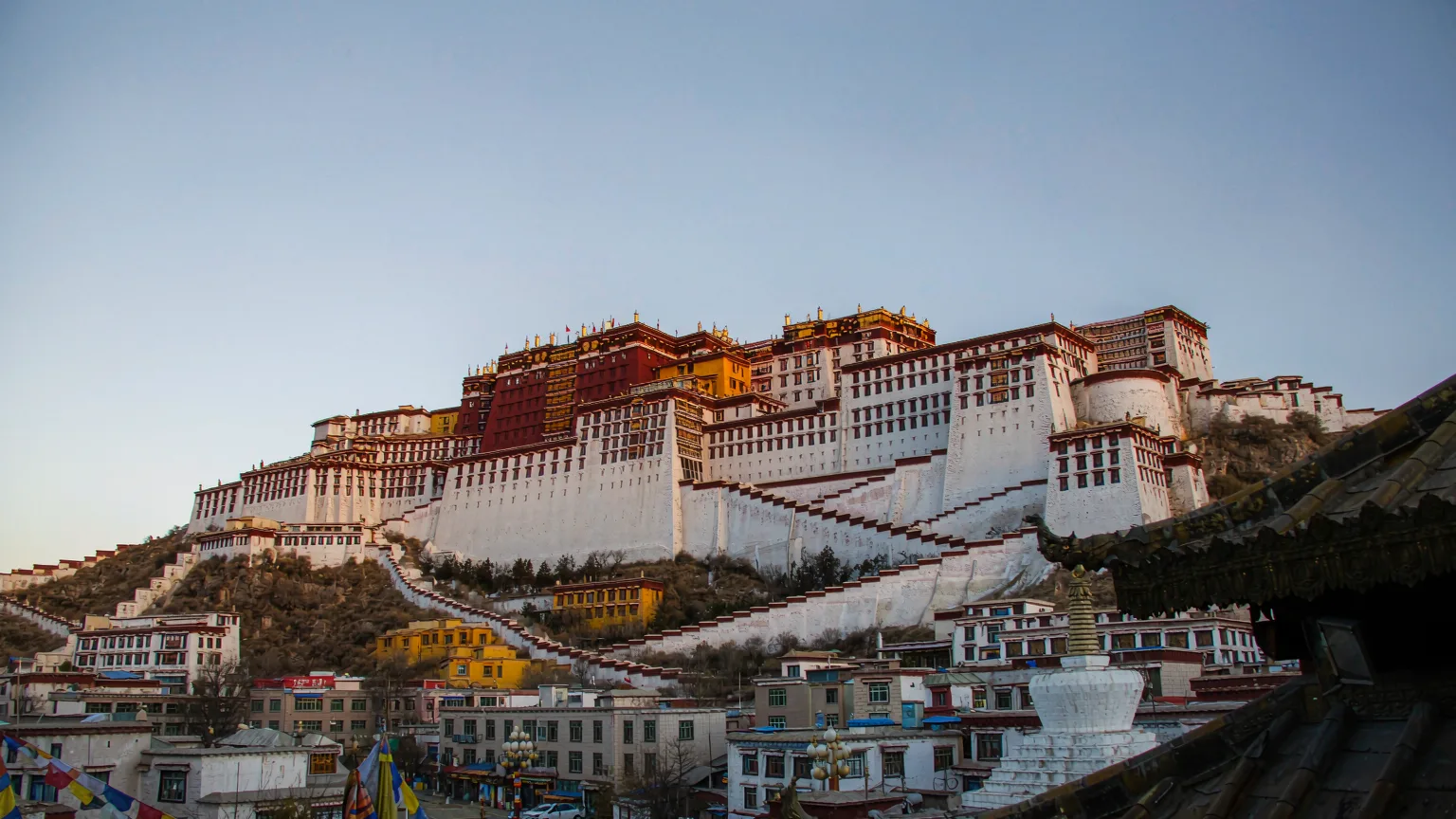
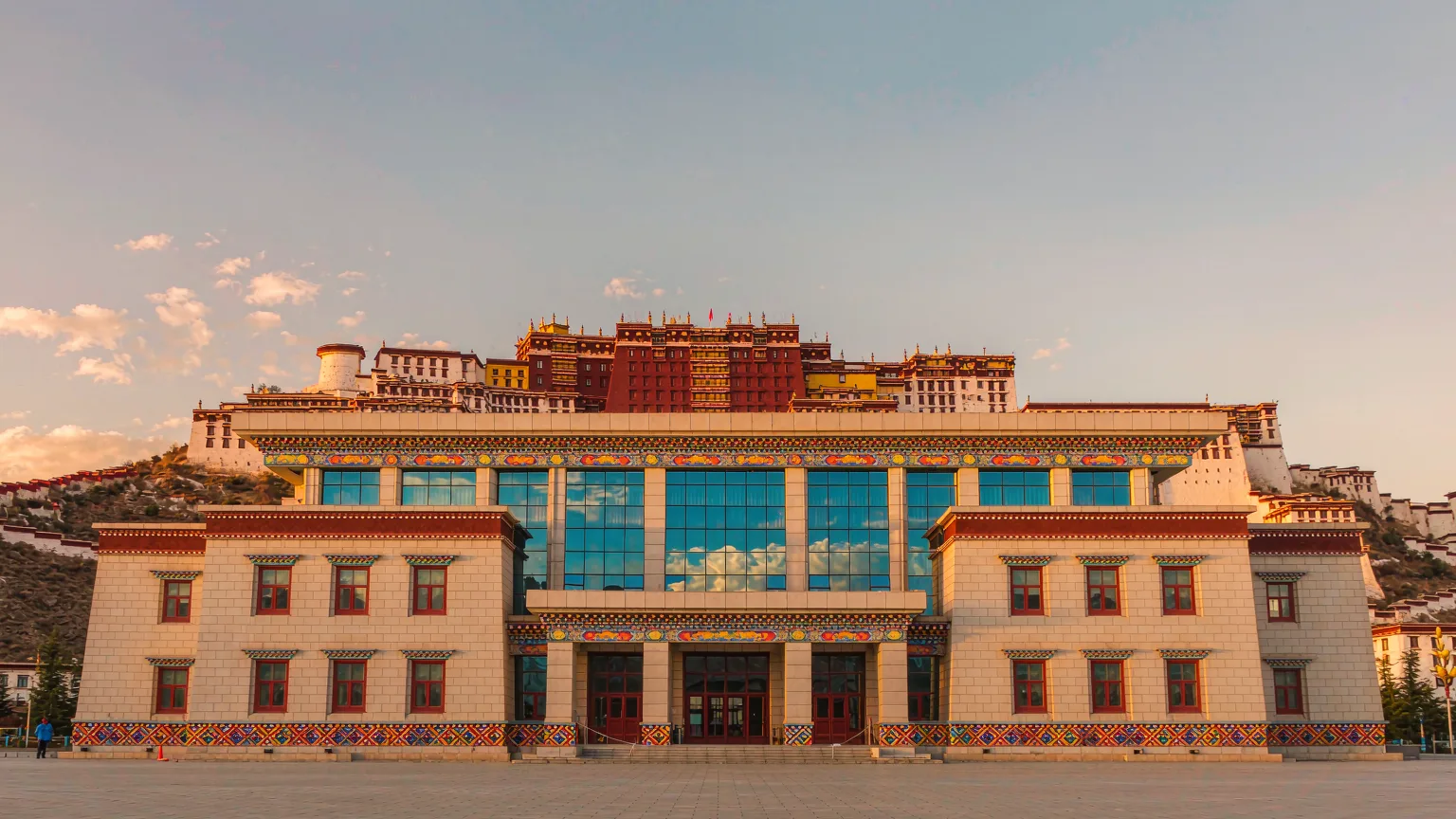
Lhasa, the capital of Tibet Autonomous Region in southwest China, is a city of profound spiritual significance and breathtaking beauty. Situated at an altitude of 3,650 meters on the Tibetan Plateau, it is one of the highest cities in the world. Known as the 'Sunlight City' due to its abundant sunshine, Lhasa has been the political, economic, cultural, and religious center of Tibet for over a thousand years. The city's name means 'Place of the Gods' in Tibetan, and its iconic Potala Palace, a UNESCO World Heritage Site, dominates the skyline, symbolizing the enduring legacy of Tibetan Buddhism and the region's rich history.
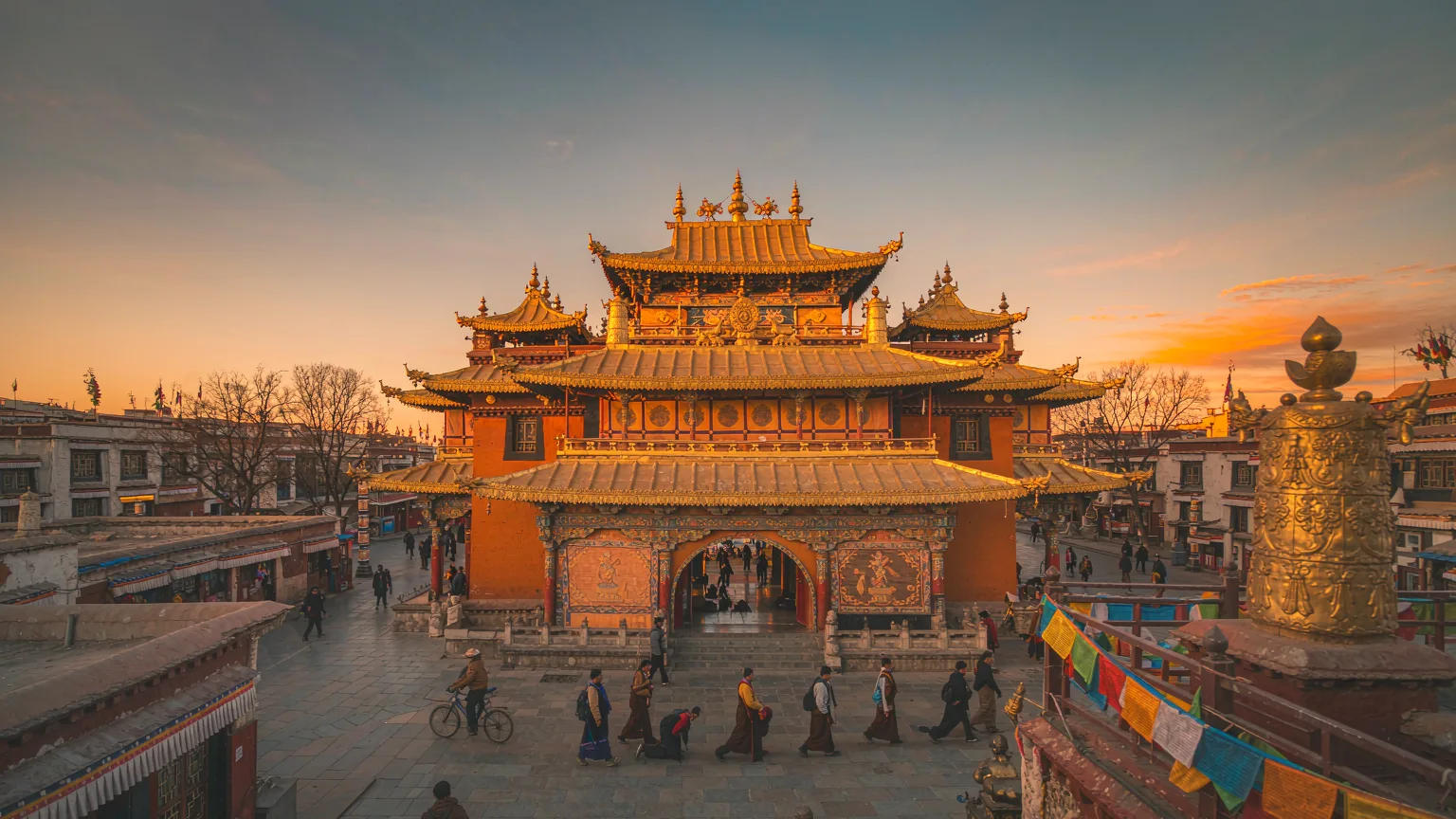
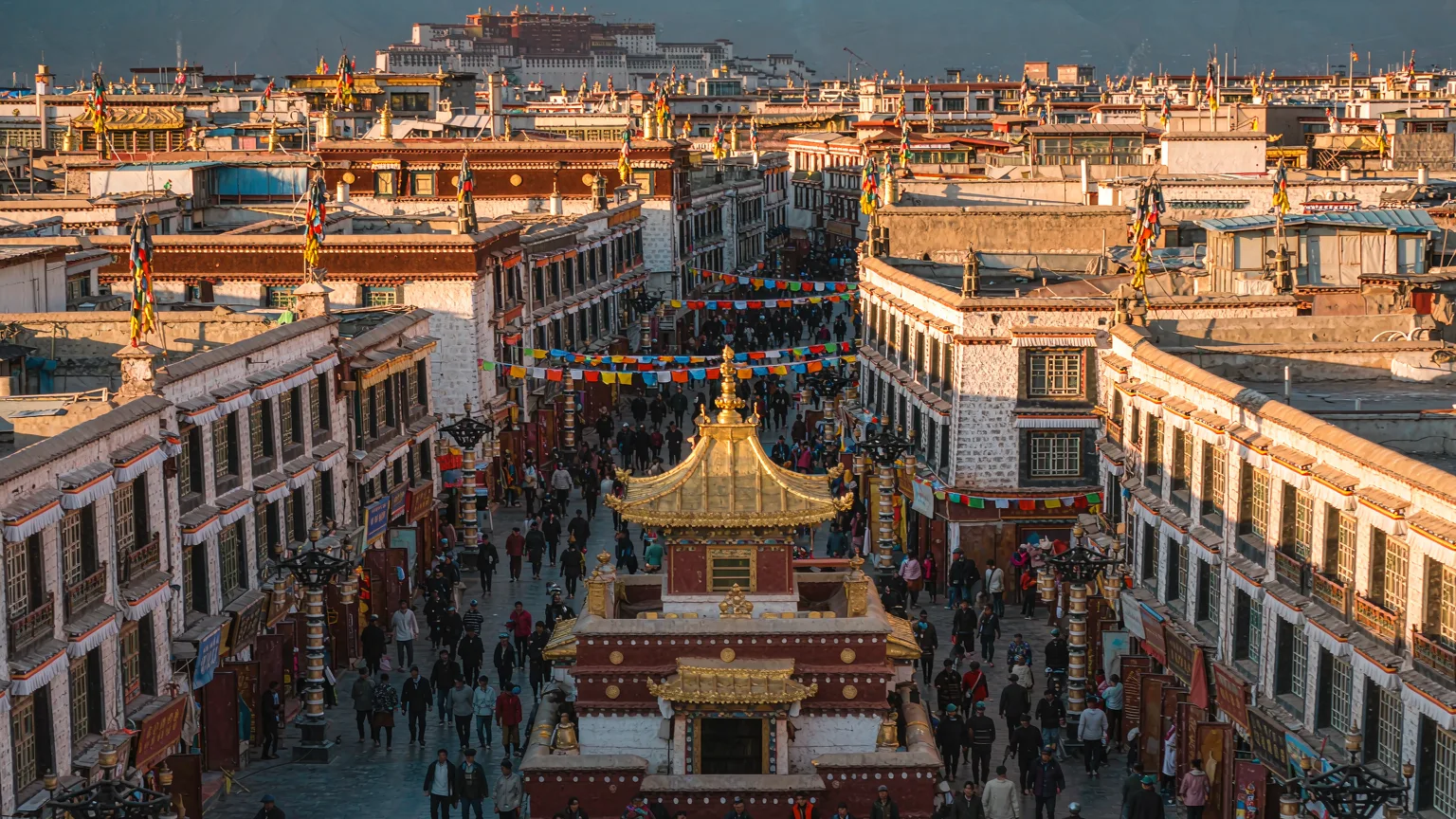
Lhasa is administratively divided into three urban districts—Chengguan, Doilungdeqen, and Dagze—and five counties: Damxung, Lhunzhub, Nyemo, Qushui, and Maizhokunggar. The urban core is centered in Chengguan District, where most of the historical and cultural attractions are located, including the Jokhang Temple and the bustling Barkhor Street. The city sprawls along the Lhasa River valley, surrounded by majestic mountains. The layout reflects a blend of traditional Tibetan architecture and modern development, with the sacred Jokhang Temple at its heart, encircled by the Barkhor pilgrimage circuit.
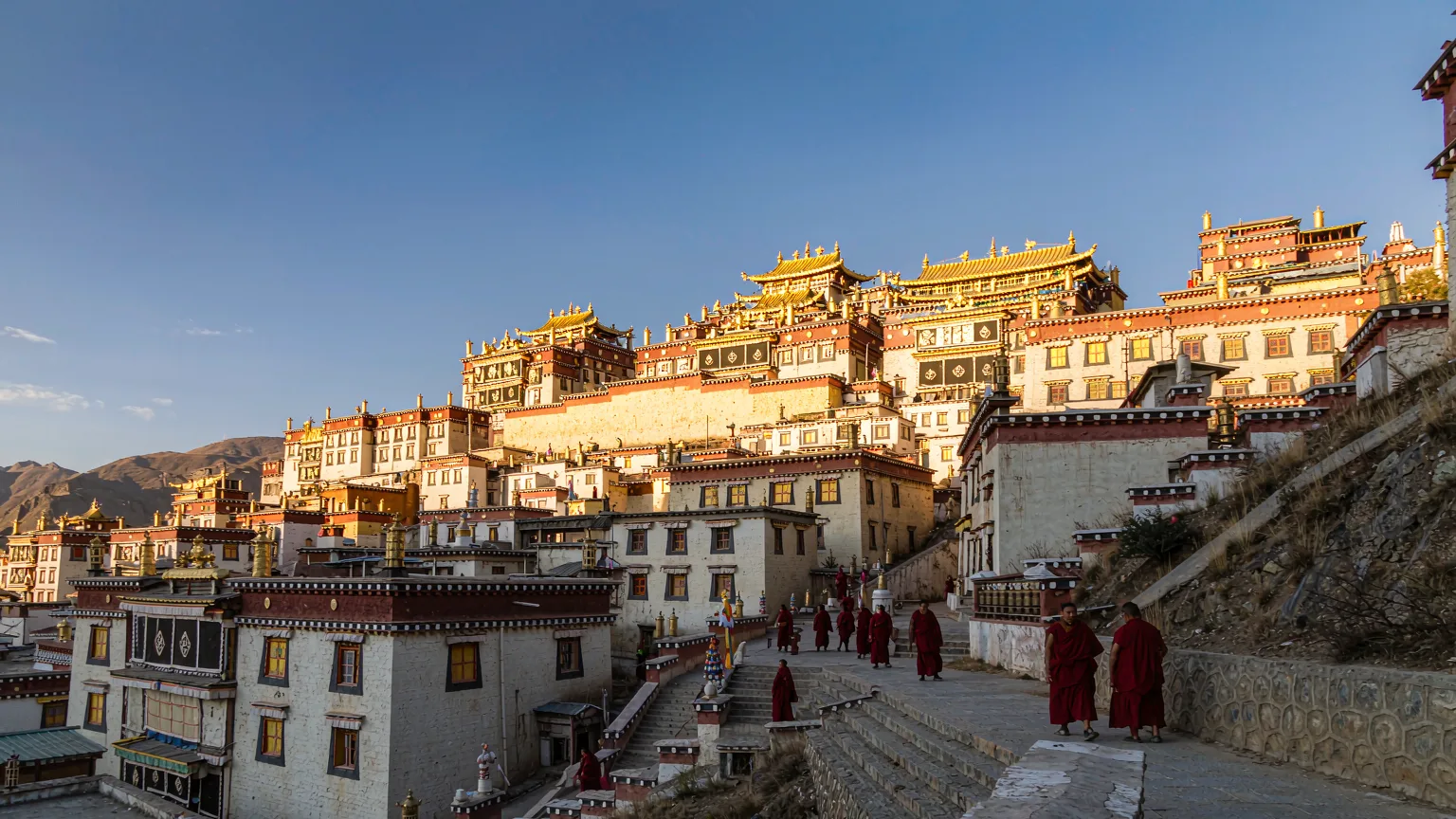
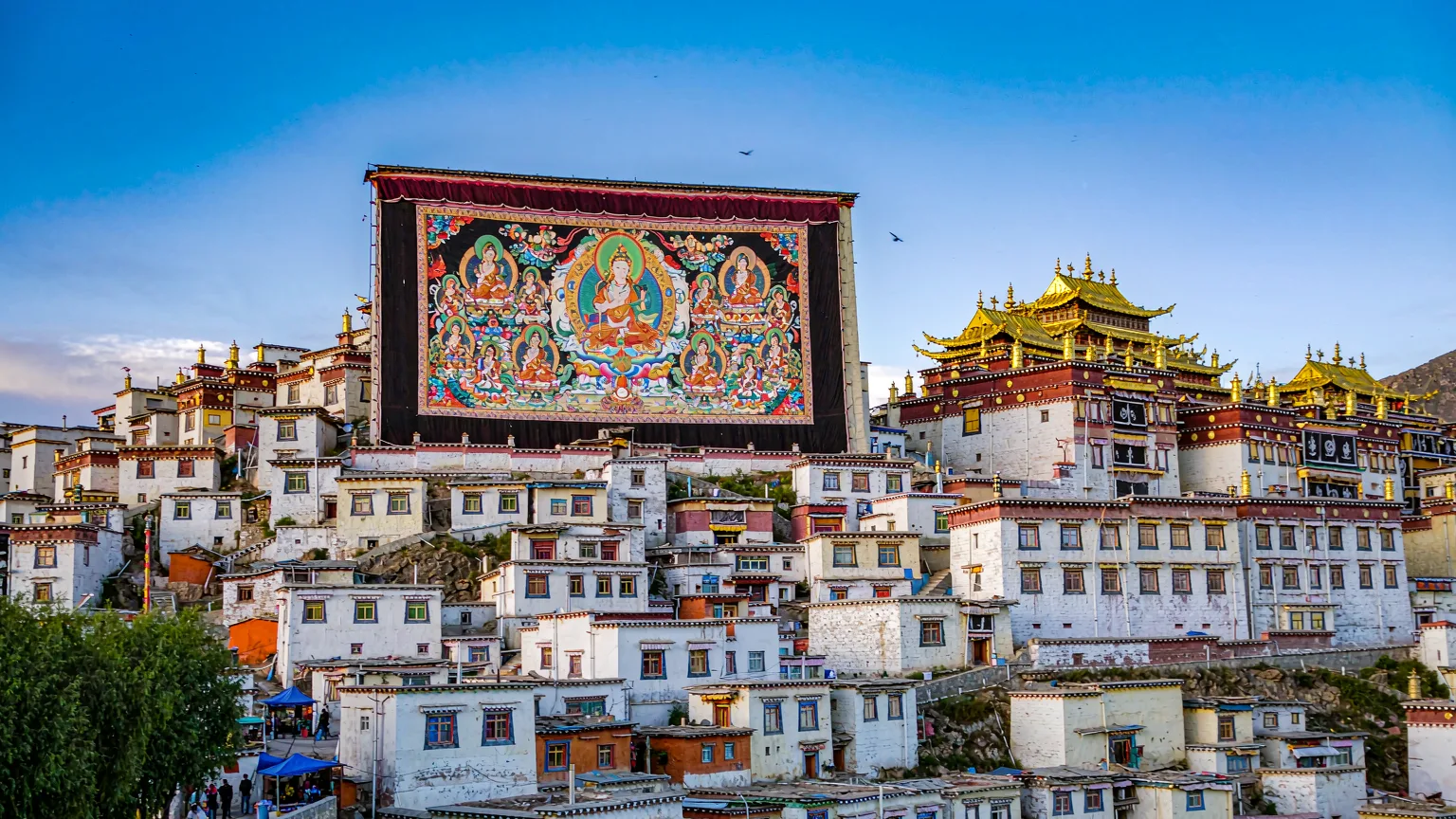
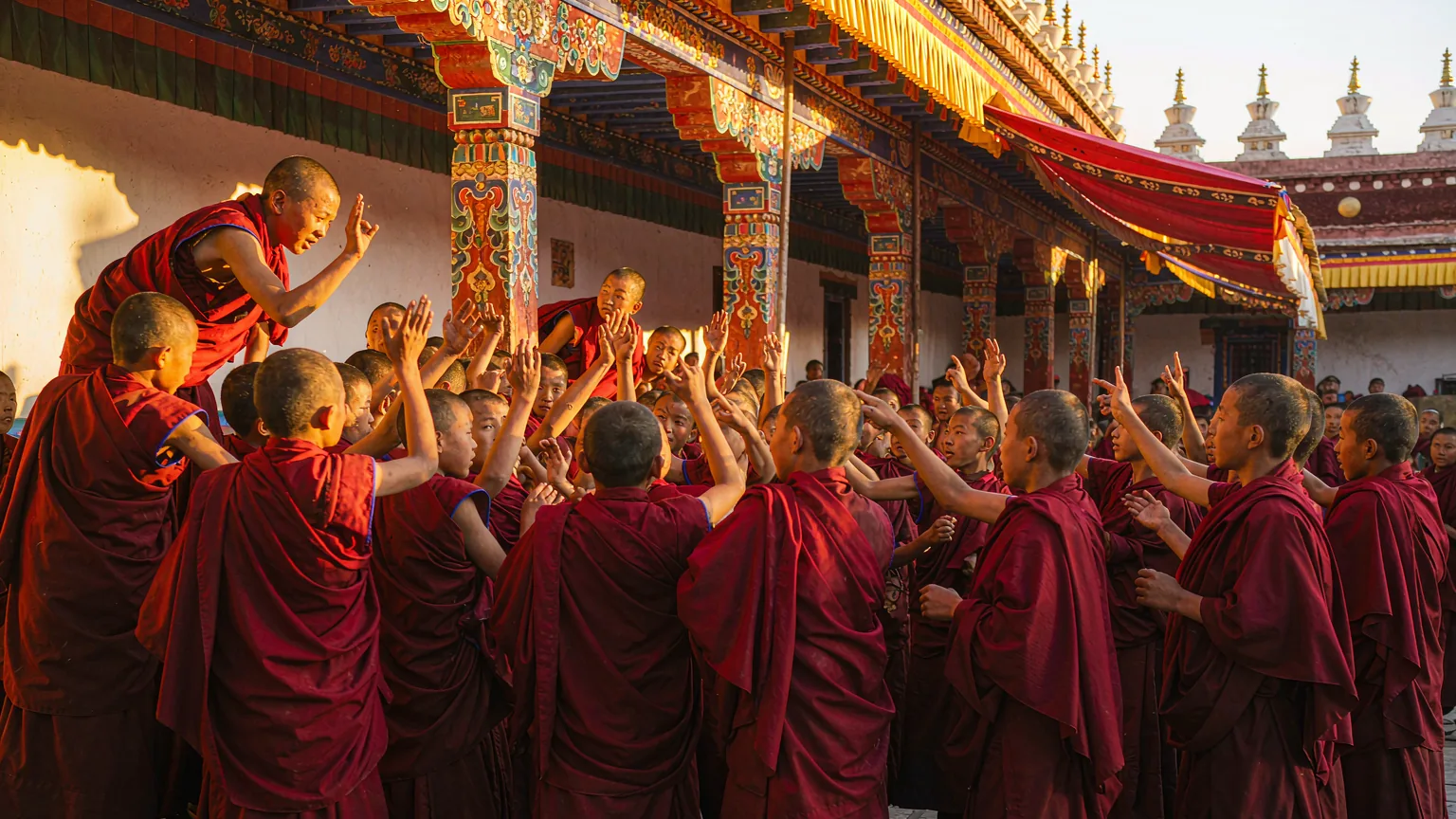
For travelers, Lhasa offers an unforgettable experience of spiritual discovery and natural wonder. Visitors can explore the magnificent Potala Palace, join pilgrims in circumambulating the Jokhang Temple, and immerse themselves in the vibrant atmosphere of Barkhor Street. The city is also a gateway to the wider Tibetan Plateau, with monasteries like Sera and Drepung offering glimpses into monastic life. Despite the high altitude, Lhasa's warm sunshine and the warmth of its people make it a welcoming destination. Whether witnessing the colorful prayer flags or savoring butter tea, every moment in Lhasa is a journey into the heart of Tibetan culture.
Lhasa covers an area of approximately 29,518 square kilometers and has a population of about 867,900 (2020 census). It comprises 3 urban districts and 5 counties. The city is home to the UNESCO World Heritage Site of the Potala Palace, which includes the Jokhang Temple and Norbulingka, representing the pinnacle of Tibetan architecture and spirituality.

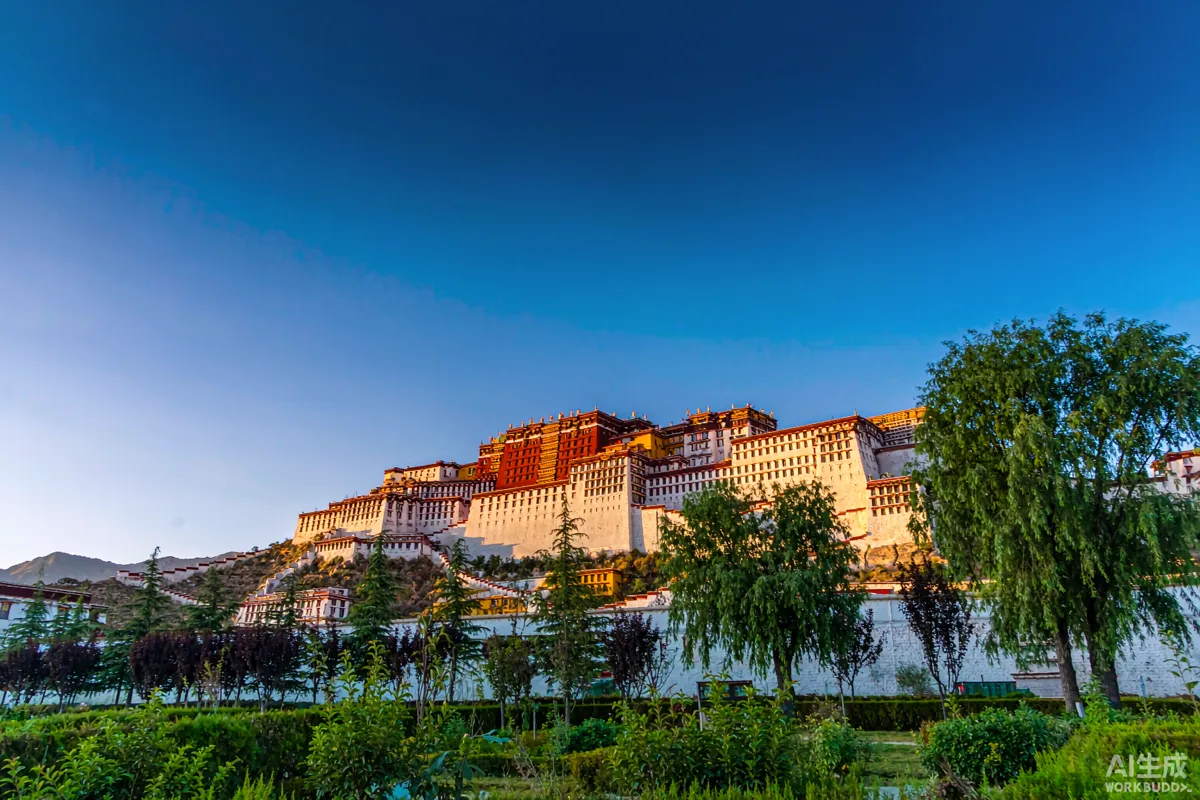
Potala Palace · Jokhang Temple · Barkhor Street · Sera Monastery, explore the Sunlight City in one trip
View details →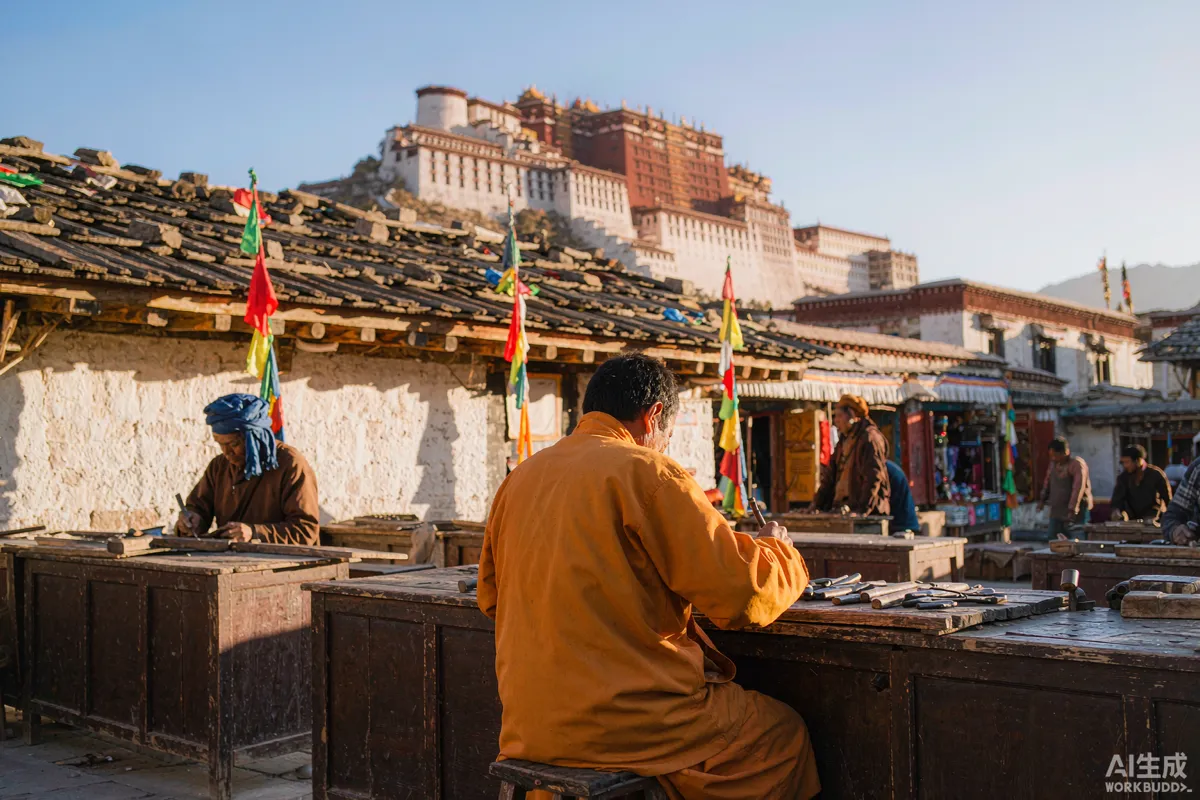
Tibet Museum · Norbulingka · Drepung Monastery: Touch the Millennia-Old Cultural Heritage of Tibet
View details →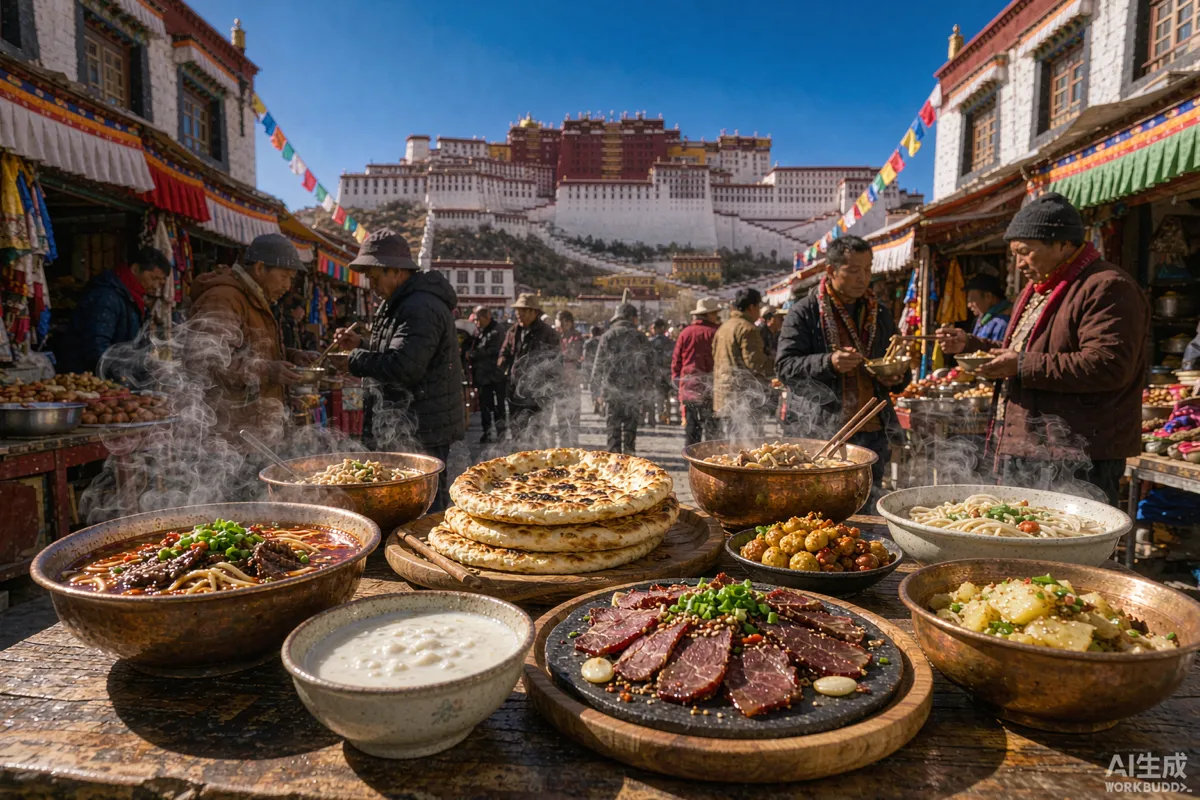
Sweet Tea House · Tibetan Noodles · Barkhor Street Market: Get to Know Lhasa Through Your Taste Buds
View details →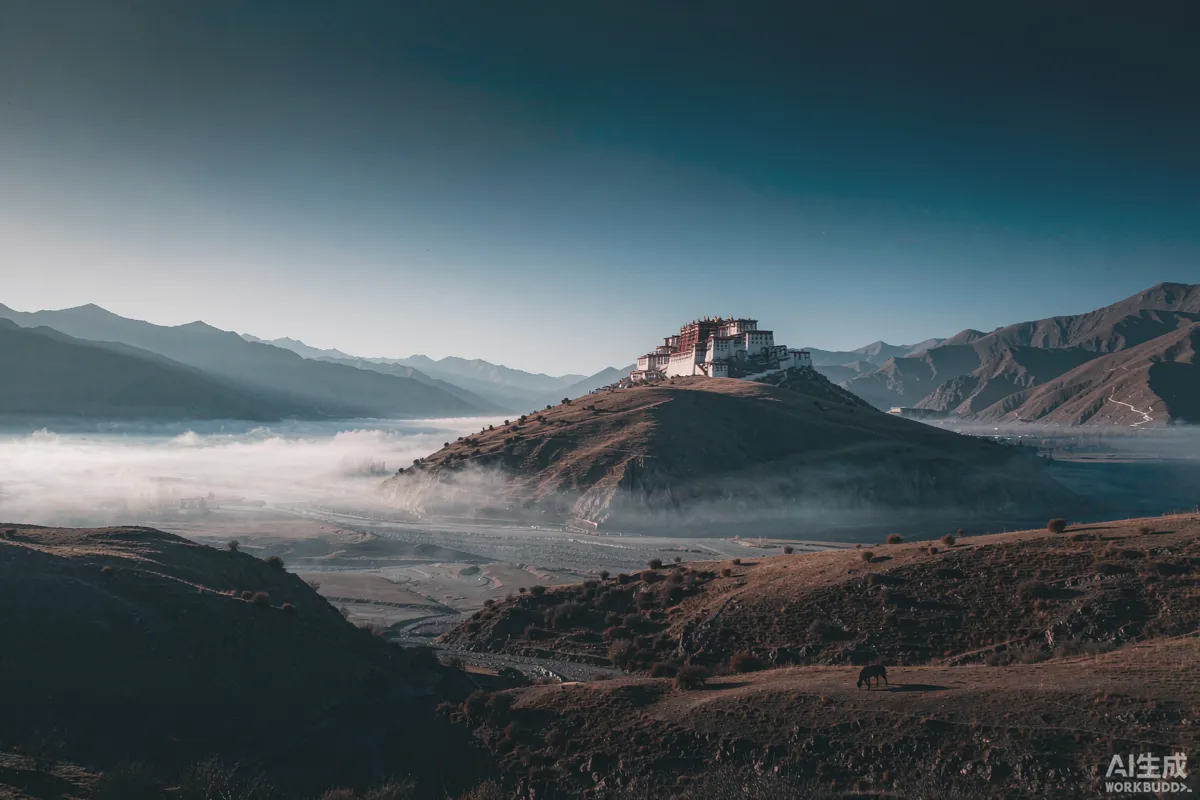
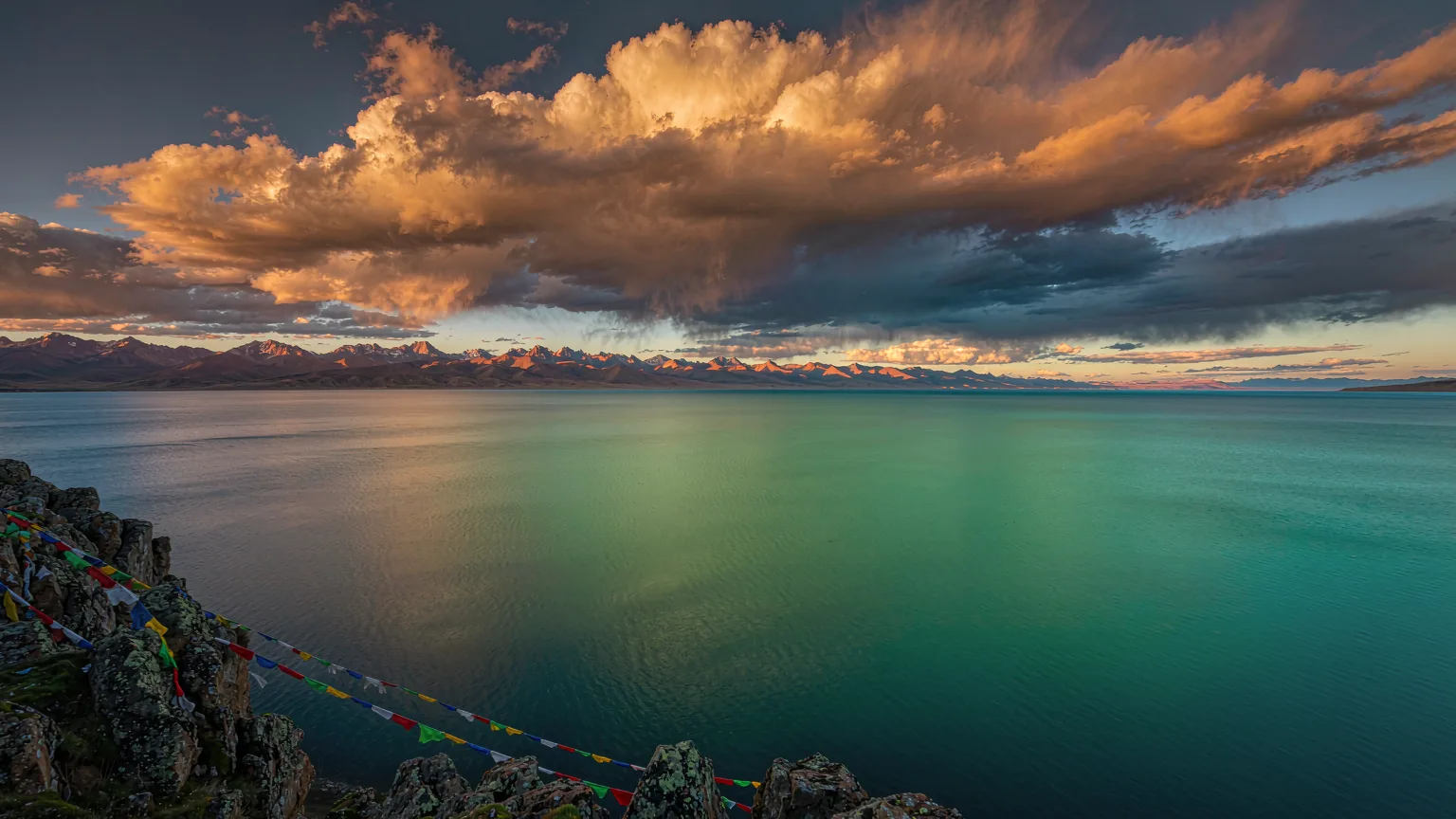
Namtso · Yangbajing · Plateau Hiking, Embrace the Holy Lake and Grasslands of the Snowy Region
View details →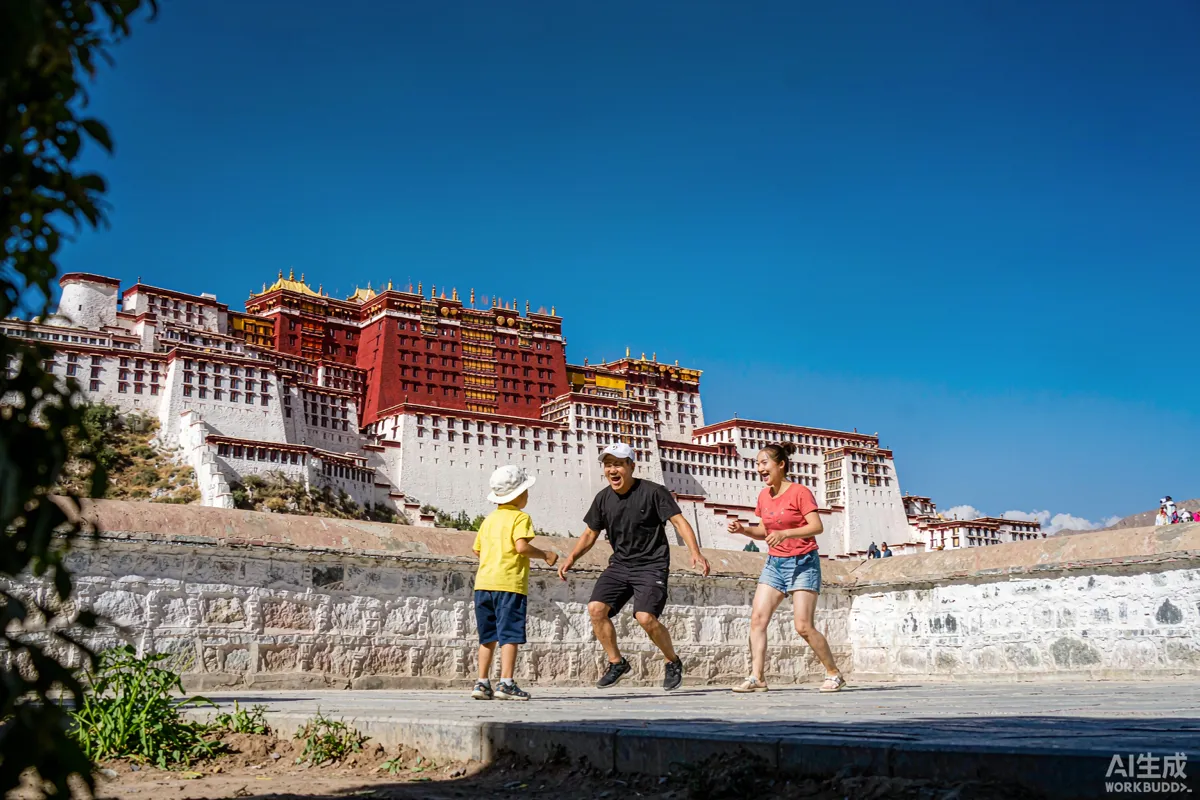
Potala Palace · Norbulingka · Yak Yogurt, Relaxed Pace for the Whole Family
View details →| Fleet | Airport pickup & drop-off | Chauffeur by the day | Intercity transfers |
|---|---|---|---|
 Economy | from $84Book → | from $280Book → | from $170Book → |
 Comfort | from $134Book → | from $448Book → | from $272Book → |
 Luxury | from $202Book → | from $672Book → | from $408Book → |
 Special vehicles | For groups of 7+, please contact our trip designer for a quote | ||
prices may vary by date & route
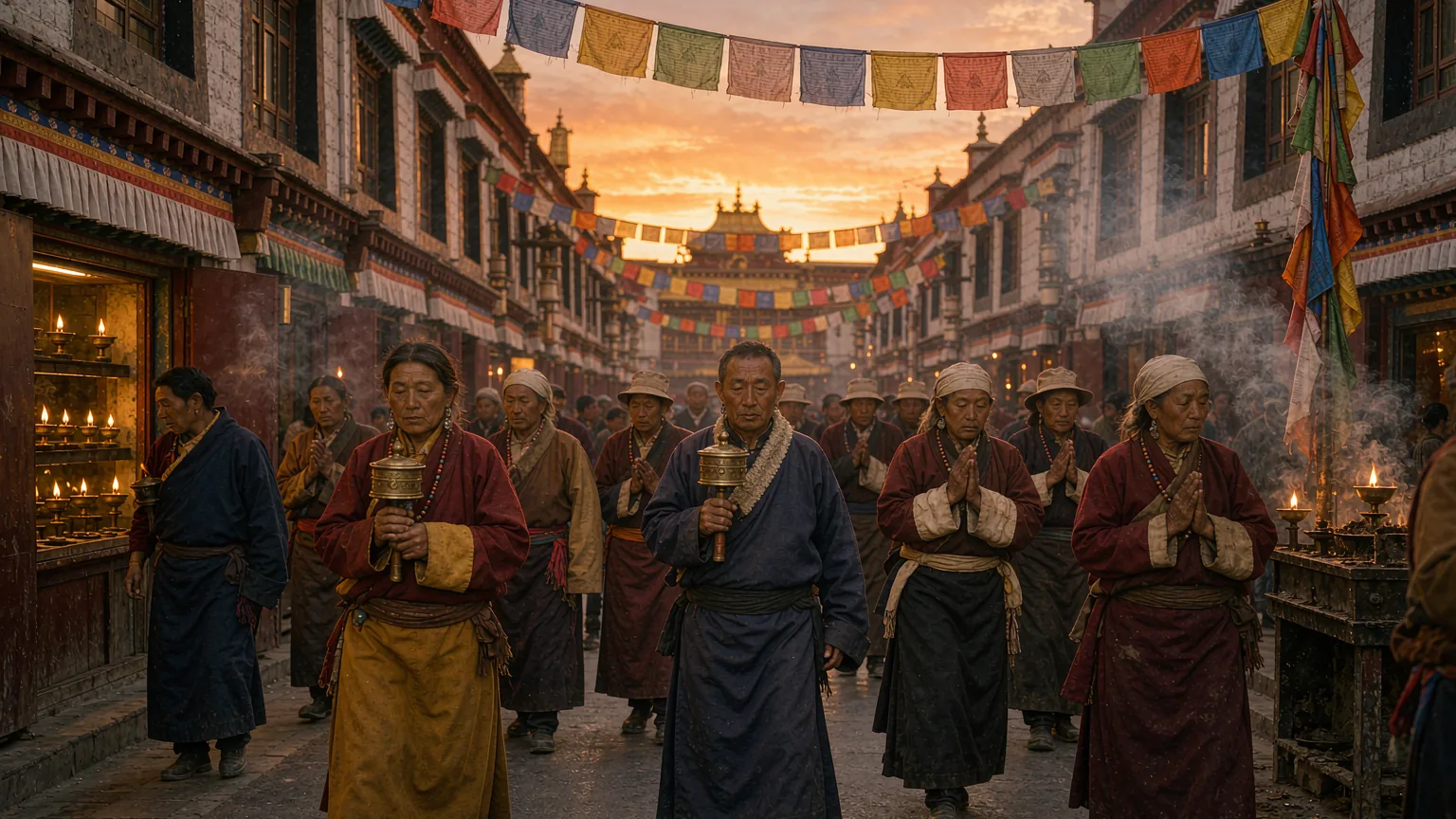
Lhasa, the 'Land of the Gods', is the spiritual and cultural heart of Tibet. Dominated by the majestic Potala Palace, a UNESCO World Heritage Site, the city is a living museum of Tibetan Buddhism. The old town revolves around the Jokhang Temple and the Barkhor pilgrimage circuit, where pilgrims and traders mingle in a timeless scene.
Beyond its spiritual allure, Lhasa offers a unique blend of ancient traditions and modern amenities. The city's streets are lined with shops selling traditional crafts, while contemporary cafes and restaurants cater to travelers. The surrounding mountains and the Lhasa River add to its dramatic setting, making it a destination that captivates both the soul and the senses.
Lhasa is accessible by air and rail. Lhasa Gonggar Airport (LXA) is about 60 km from the city and has flights from major Chinese cities like Beijing, Chengdu, and Shanghai. The Qinghai-Tibet Railway connects Lhasa to Xining and other cities, offering a scenic journey across the plateau.
Within Lhasa, public buses, taxis, and ride-hailing apps are available. The old town area is best explored on foot, with many attractions within walking distance. Bicycles can be rented for a more active way to see the city.
Tibetan cuisine is hearty and influenced by the high-altitude climate. Staples include tsampa (roasted barley flour), yak meat, and dairy products. Butter tea and sweet tea are ubiquitous, and momos (dumplings) are a popular snack. In Lhasa, you can find both traditional Tibetan eateries and restaurants serving Chinese and Western dishes.
Lhasa is a great place to buy traditional Tibetan handicrafts, religious items, and souvenirs. Barkhor Street is the main shopping area, offering everything from prayer wheels and thangka paintings to jewelry and carpets. Remember to bargain politely.
Lhasa's nightlife is relatively subdued compared to other Chinese cities, but there are options for evening entertainment. You can enjoy traditional Tibetan music and dance performances, or relax at a teahouse or bar. The illuminated Potala Palace at night is a sight not to be missed.
The best time to visit Lhasa is from April to October, when the weather is mild and sunny. Winters are cold but dry, with fewer tourists. Summer brings occasional rain but lush landscapes. Spring and autumn offer clear skies and comfortable temperatures.
| Period | Temperature | Conditions |
|---|---|---|
| Mar–May | 0-15°C | Spring brings warming temperatures and clear skies, but occasional dust storms. Days are sunny, nights cold. |
| Jun–Aug | 10-23°C | Summer is the rainy season, with most rainfall in July and August. Days are warm, but showers can be frequent. |
| Sep–Nov | 5-20°C | Autumn offers clear, crisp days and comfortable temperatures, ideal for sightseeing. Nights get chilly. |
| Dec–Feb | -8-10°C | Winter is cold and dry with bright sunshine. Fewer tourists, but some facilities may be limited. Warm clothing essential. |
Every private guide is licensed and vetted. Choose a tier that fits your trip — rates are per guide, per day, in USD.
A dependable all-rounder for an easy, well-planned day.
An experienced specialist with deeper local insight.
A senior expert — and, on request, medical-travel accompaniment.
Hand-picked, licensed guides based right here. Tap book to start a conversation and lock in your dates.

Most travellers spend 3-5 days in Lhasa, though many stay longer once they arrive. If you want to combine Lhasa with other cities — pandas, mountains, food streets — our consultants design one private itinerary at your own pace.
Yes. MyGuideTrip arranges vetted, licensed local guides in Lhasa and across China. Your guide speaks fluent English, stays with you for the entire trip, and handles tickets, transport and restaurant picks. Meet them on the Guides page.
Lhasa is best known for the Potala Palace, the 13-story former winter residence with over 1,000 rooms. The recommended itineraries below cover these highlights with smart timing to beat the crowds.
Send us your dates, group size and interests — a dedicated consultant replies within 24 hours with a tailor-made Lhasa itinerary covering guide, driver, hotels and tickets. Start with a free consultation below.
Tell us a little about your trip and we'll get back to you within 24 hours.
We'll reply within 24 hours.