
Guest — sign in to save your enquiries.
My account
The Tibet Museum in Lhasa is the definitive introduction to Tibetan history, art, and daily life, with a collection that spans prehistoric artefacts to the 20th century. Its modern, wheelchair-accessible galleries give context to everything you'll see across the plateau. With our private guide, you skip the guesswork, hear the stories behind the thangkas and manuscripts, and make the most of your visit.
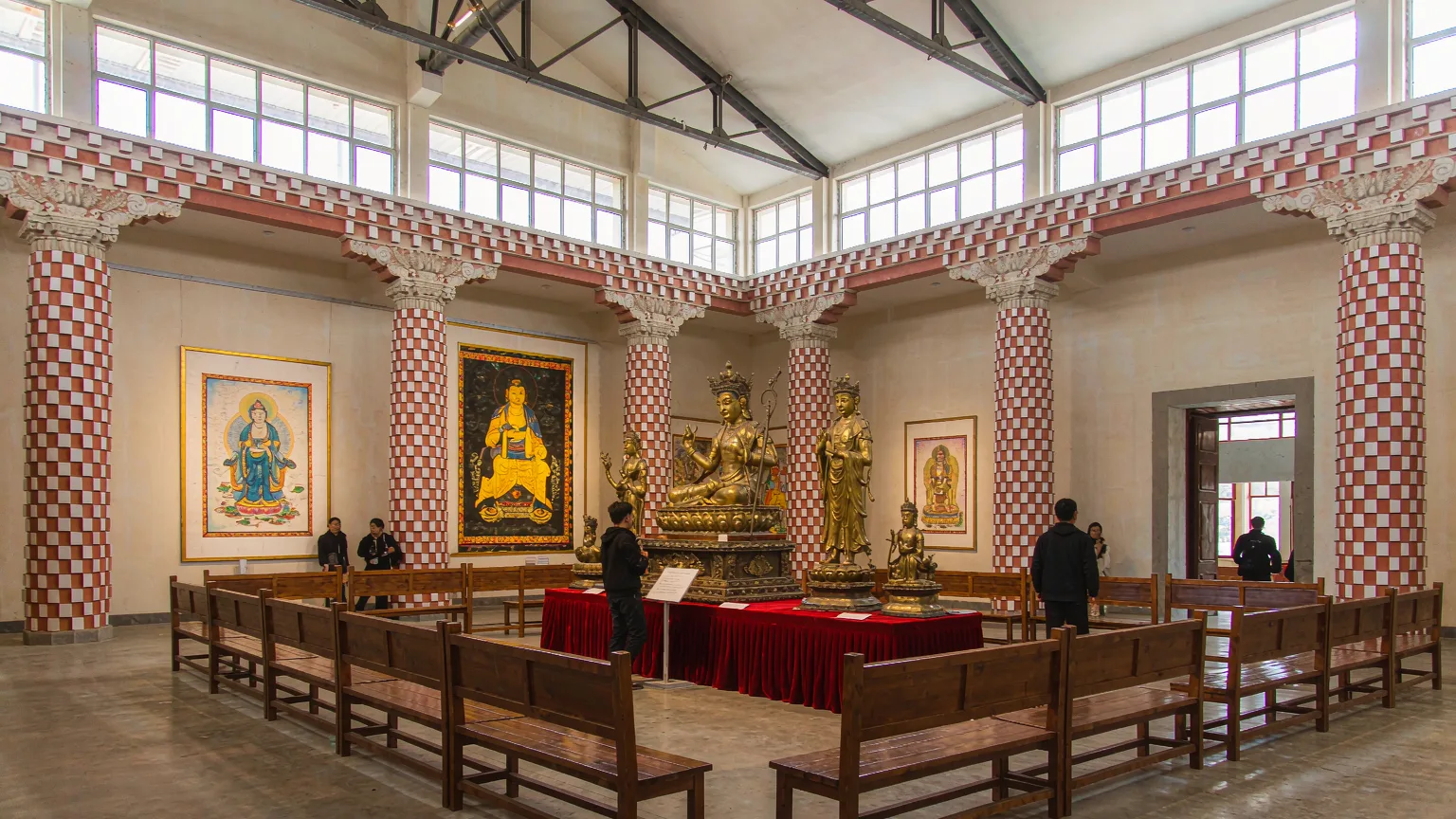
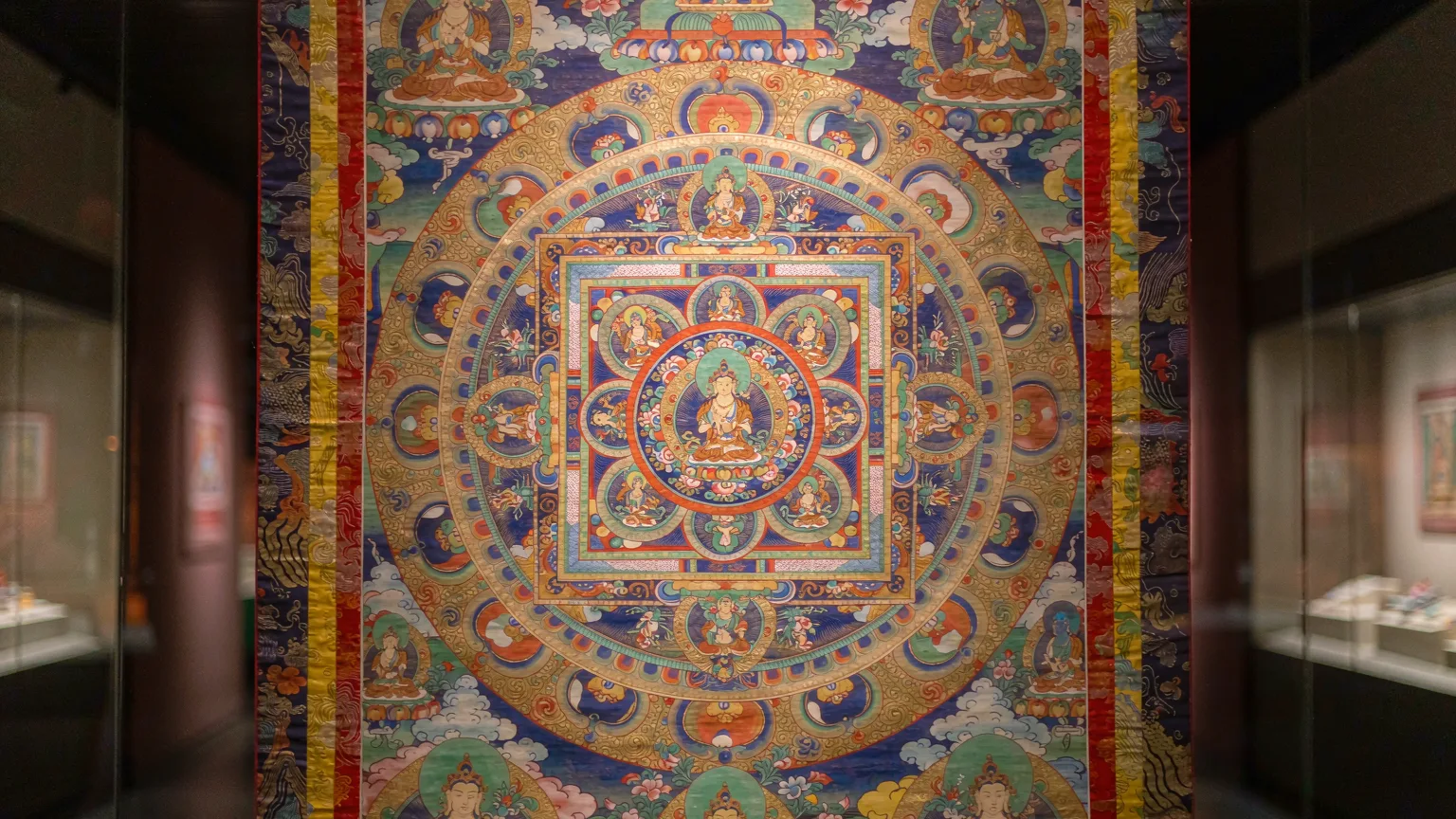
Opened in 1999 and substantially renovated in 2016, the Tibet Museum sits just southeast of the Potala Palace in Lhasa. Its architecture blends traditional Tibetan motifs with contemporary design, and its permanent exhibition covers the region's geology, dynastic ties, religious traditions, and folk customs. Highlights include a fine collection of thangkas, gilded bronze statues, and rare manuscripts, many with explanatory panels in English. The museum is a state-run institution, so the narrative reflects official history, but the artefacts themselves are undeniably rich and well displayed.
For foreign travellers, the museum is an ideal first stop in Lhasa: it provides a crash course in Tibetan Buddhism, the Silk Road connections, and the lives of nomads and farmers. Allow at least two hours to do it justice. Note that photography is prohibited in some galleries, and you'll need your passport to enter. Our guides can arrange tickets in advance and steer you to the most significant pieces, making the visit both efficient and enlightening.
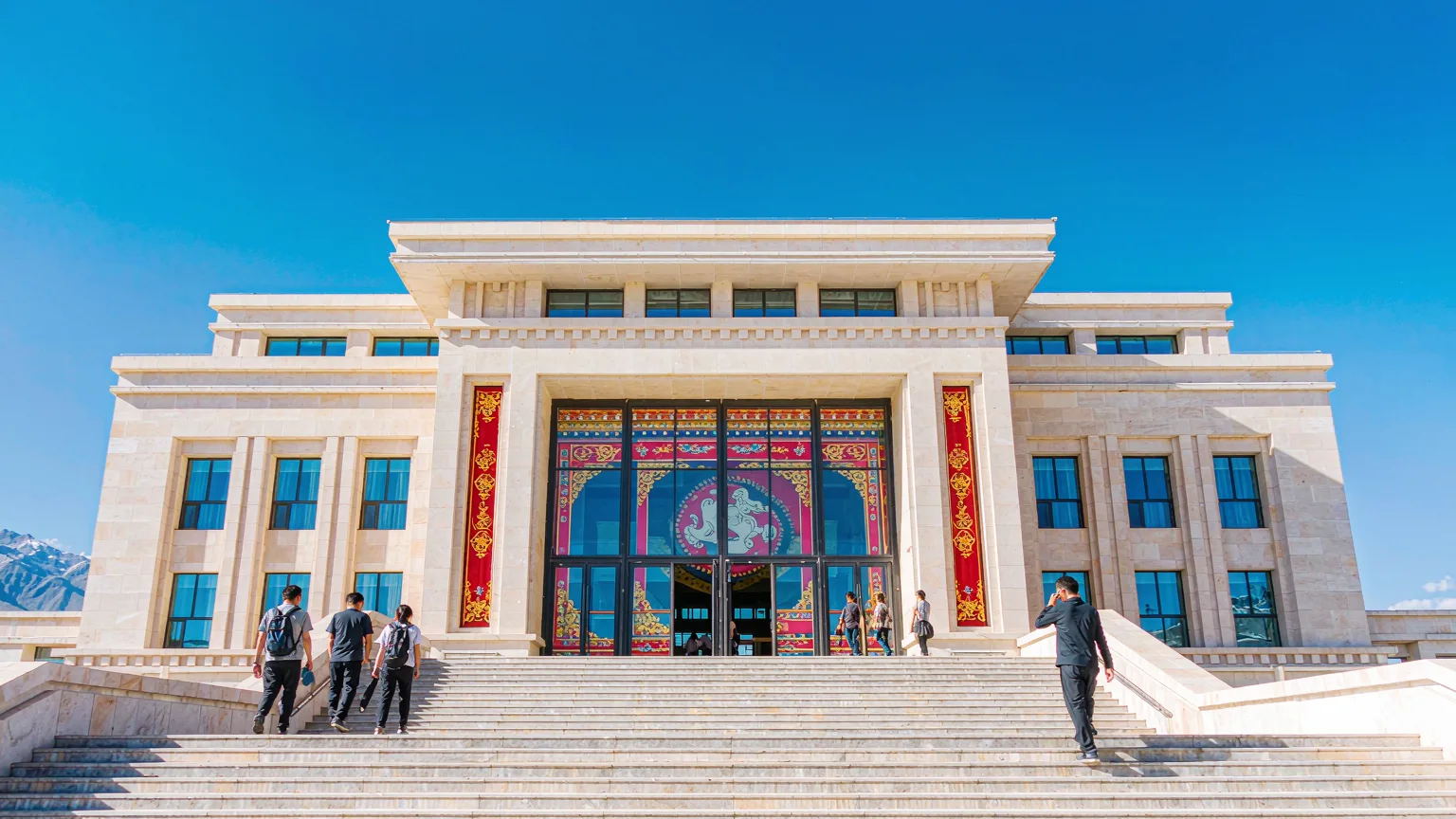
The museum is a 10-minute walk from the Potala Palace's east gate, making it easy to combine with a morning palace visit. Taxis from Barkhor Street cost around ¥15–20 and take 15 minutes; metered rides are rare, so agree on a price or use Didi. Public buses 2, 14, and 24 stop nearby. Our private transfers can drop you at the entrance and wait, saving you the hassle of finding a return ride during peak hours.
Admission is free for all visitors, but you must present your passport to obtain a ticket. Opening hours are 10:00–17:00 (last entry 16:00), closed Mondays. During peak season (May–October), arrive early or pre-book through our team to avoid long queues. Payment for any audio guides or souvenirs can be made via WeChat Pay or Alipay, which now accept foreign cards; cash in CNY is also accepted.
The best time to visit is on a weekday morning, ideally right at opening, when tour groups are fewer and the galleries are quiet. Avoid weekends and Chinese public holidays, when local visitors flood the halls. The museum is indoors and heated, making it a comfortable option on cold or rainy days, but note that Lhasa's strong sun can make the walk from the Potala hot in summer.
Yes, admission is free for all visitors, including foreigners. You just need to show your passport at the ticket counter to get a free entry pass.
Most visitors spend 1.5 to 2 hours. If you're particularly interested in Buddhist art or history, allow 3 hours to read the English panels and watch the short films.
Photography is allowed in some areas but prohibited in galleries with thangkas and manuscripts. Look for signage; when in doubt, ask a staff member or your guide.
Yes, the museum has ramps, elevators, and accessible restrooms. Wheelchairs are available for loan at the information desk, though availability is limited.
Tell us your dates, group size and preferences — a dedicated consultant will reach out within 24 hours.