Guest — sign in to save your enquiries.
My account
Dunhuang is the desert oasis where the Silk Road's two routes met — a frontier town of Buddhist cave temples, crescent lakes and camel bells for over two thousand years. Rise early for the Mogao Grottoes' painted galleries, climb the singing dunes at Mingsha Shan and haggle in the night market like a Tang-dynasty trader. Unmissable for history lovers and desert photographers.
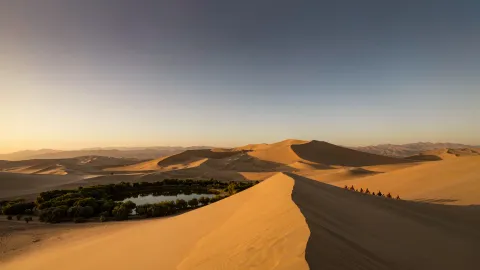
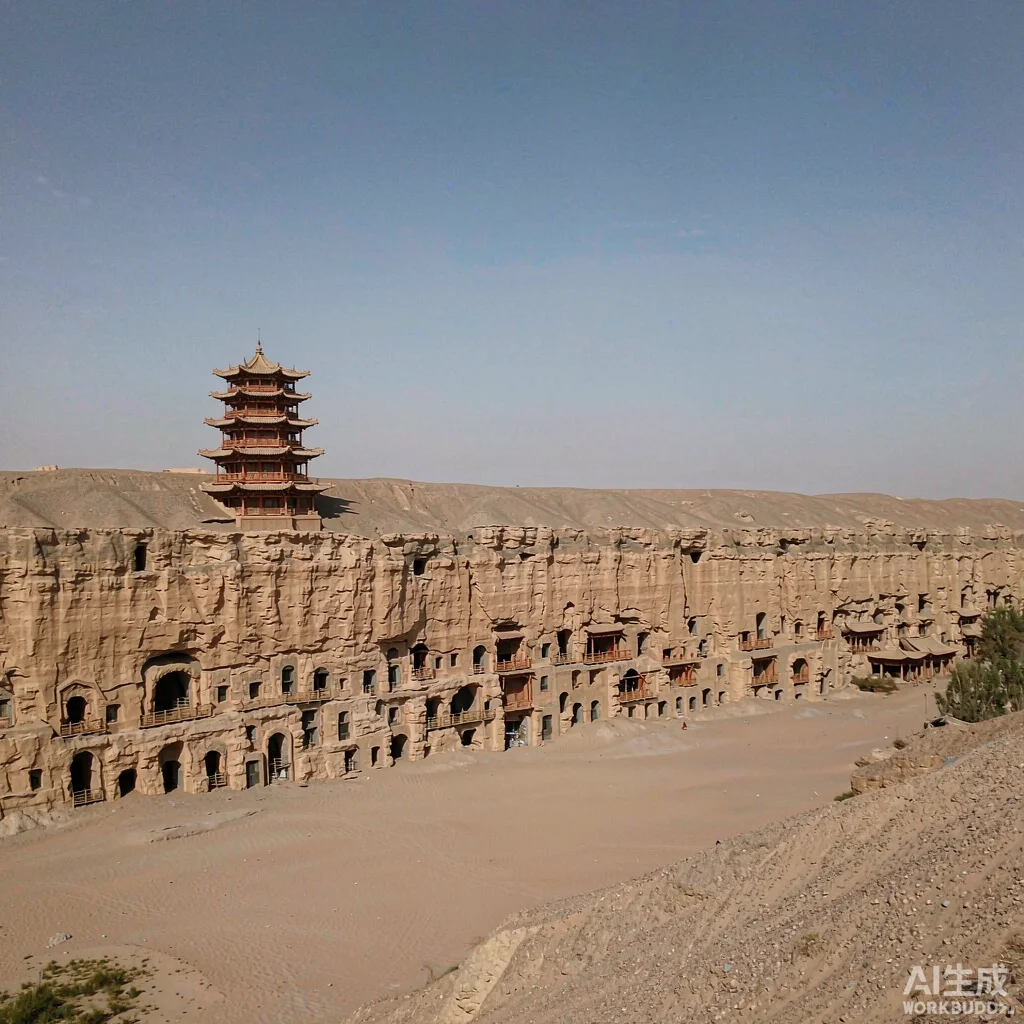
Dunhuang, a desert oasis city in Gansu Province, China, has been a pivotal crossroads on the Silk Road for over two millennia. Founded as a Han dynasty garrison, it flourished as a trading hub where Chinese, Indian, Persian, and Central Asian cultures mingled. The nearby Mogao Grottoes, a UNESCO World Heritage Site, house thousands of Buddhist murals and sculptures spanning ten dynasties, earning Dunhuang the title 'Cradle of Buddhist Art'.
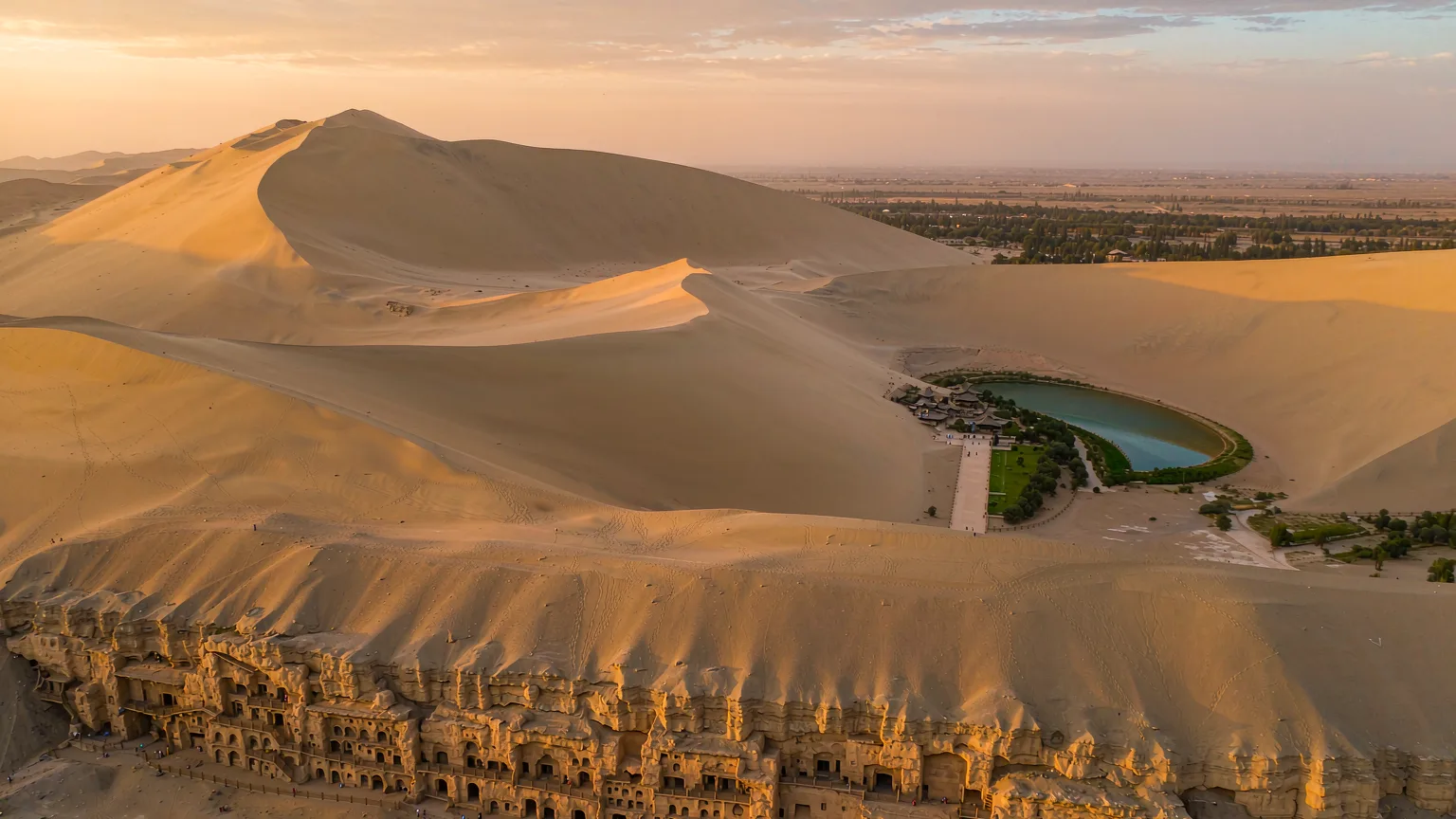
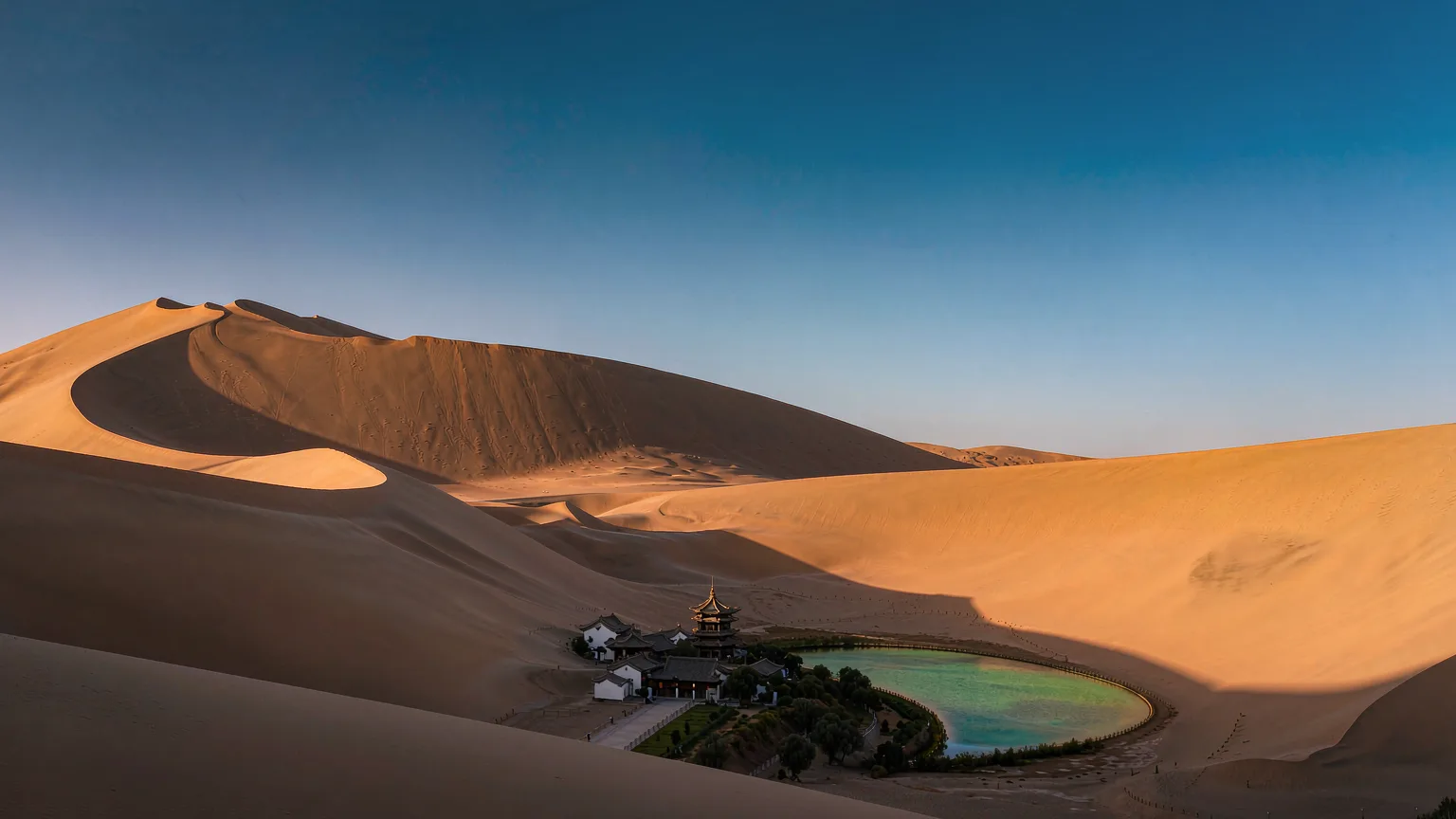
The city is compact, with most attractions clustered around Shazhou Town, the main urban area. To the south, the Mingsha Shan (Echoing-Sand Mountain) and Crescent Lake form a stunning natural oasis. To the southeast, the Mogao Grottoes are carved into a cliff face. Further afield, the desolate Yumen Pass and Yardang National Geopark evoke the Silk Road's ancient grandeur. The layout is easy to navigate, with the airport and railway station on the outskirts.
Visitors to Dunhuang experience a blend of natural wonder and historical depth. They can ride camels across the dunes, explore the awe-inspiring cave temples, and wander through the night market sampling local delicacies. The desert landscape, with its shifting sands and dramatic rock formations, offers a serene yet powerful backdrop. Dunhuang is not just a destination; it's a journey through time, where the Silk Road's spirit lives on.
Dunhuang covers an area of 31,200 km² and has a population of approximately 190,000. It administers 9 towns and 1 ethnic township. The city is home to the Mogao Grottoes, a UNESCO World Heritage Site and one of the most important Buddhist art treasures in the world.

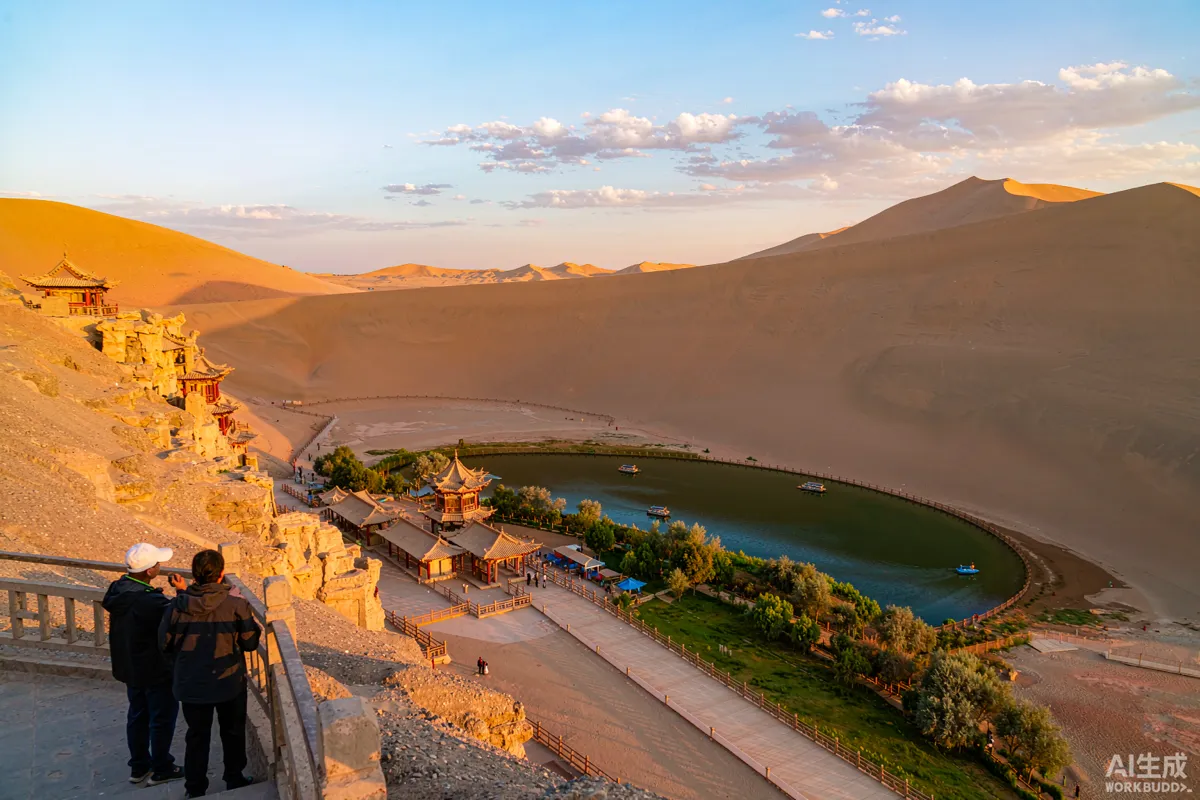
Mogao Caves Murals · Mingsha Mountain & Crescent Lake · Silk Road Twin Passes · Desert Sunset
View details →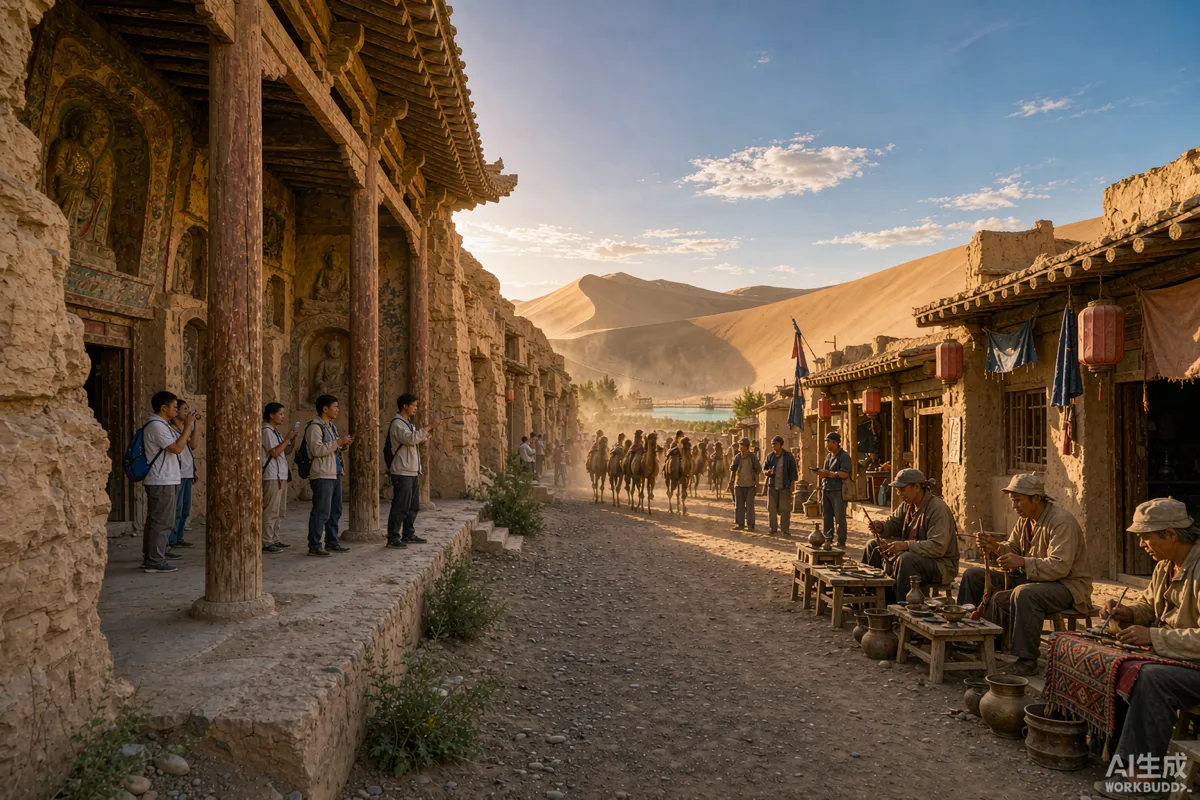
Mogao Caves Special Caves · Dunhuang Manuscripts · Intangible Cultural Heritage Handicrafts · Local Culture
View details →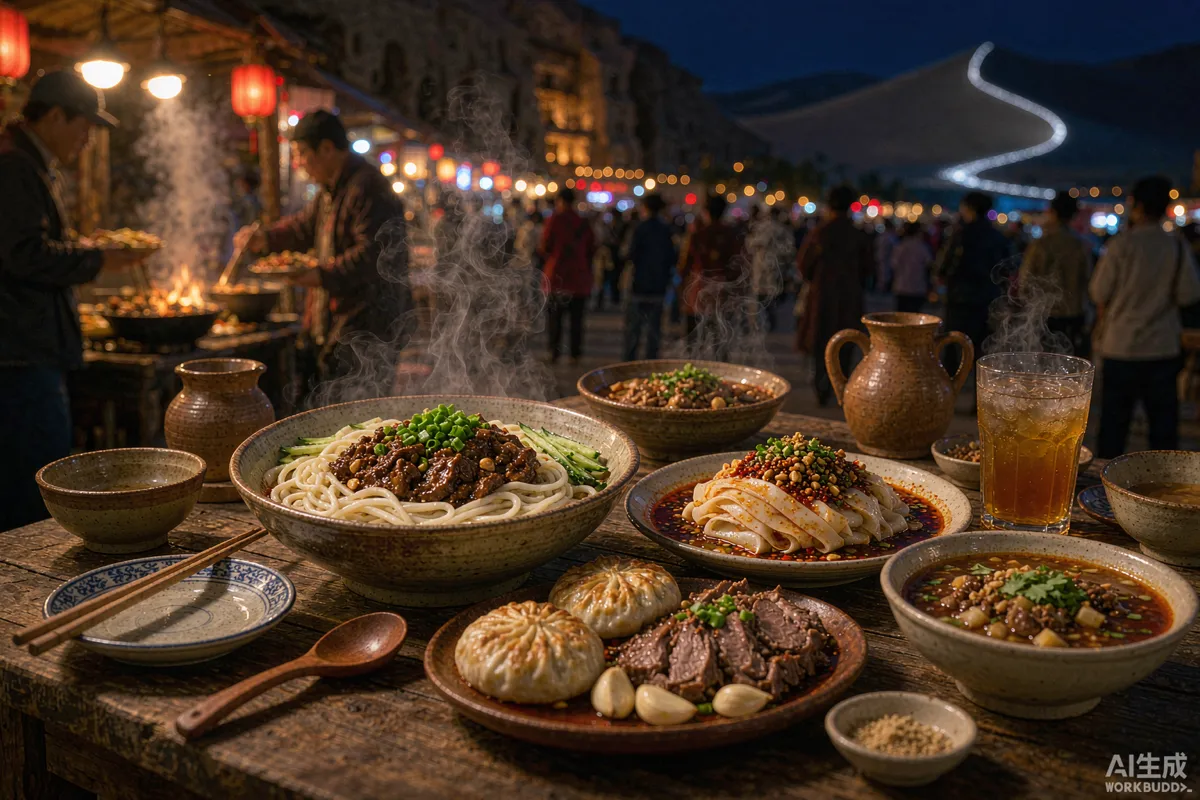
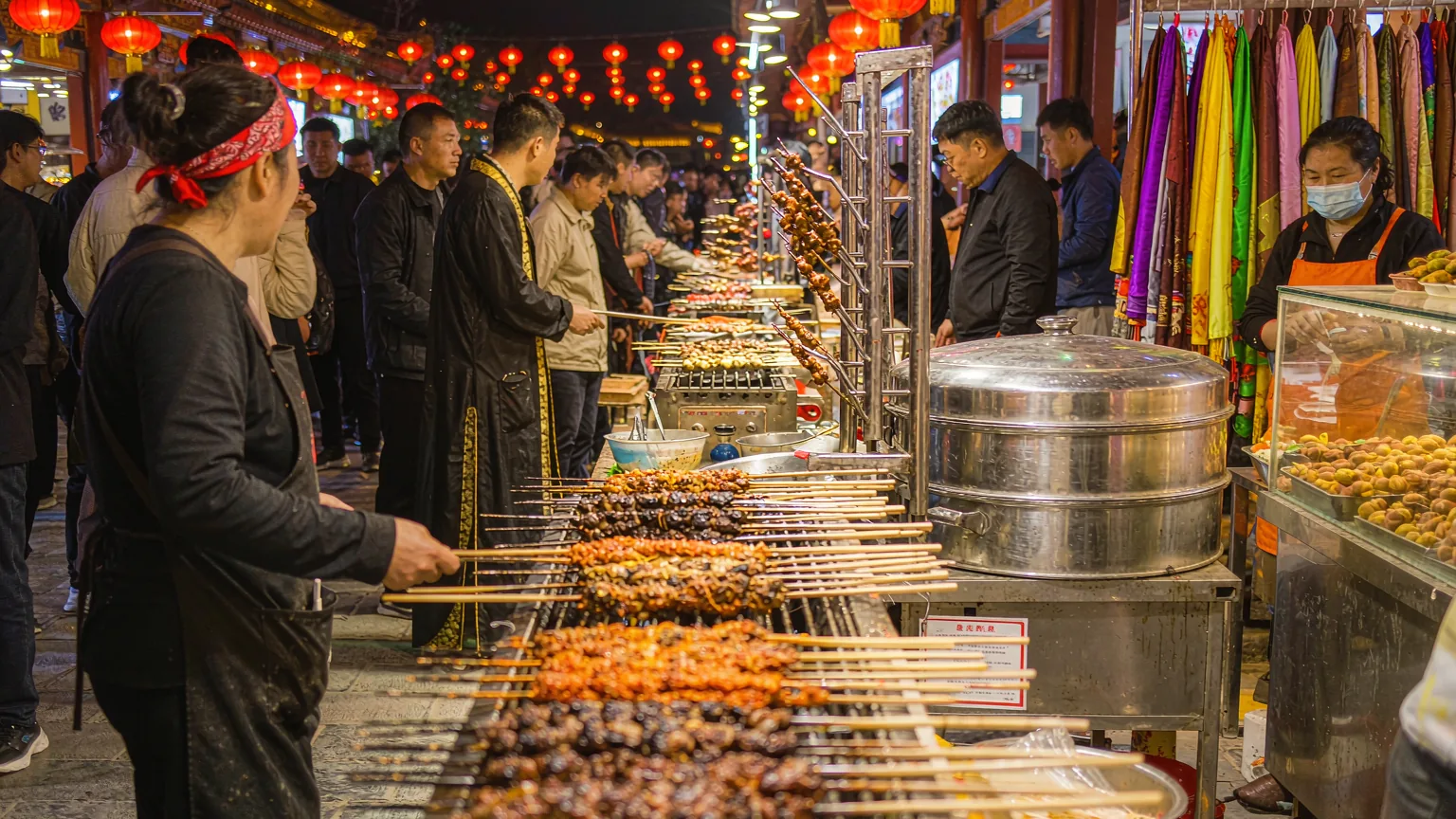
Shazhou Night Market · Donkey Meat Yellow Noodles · Apricot Juice · Food Market Tasting
View details →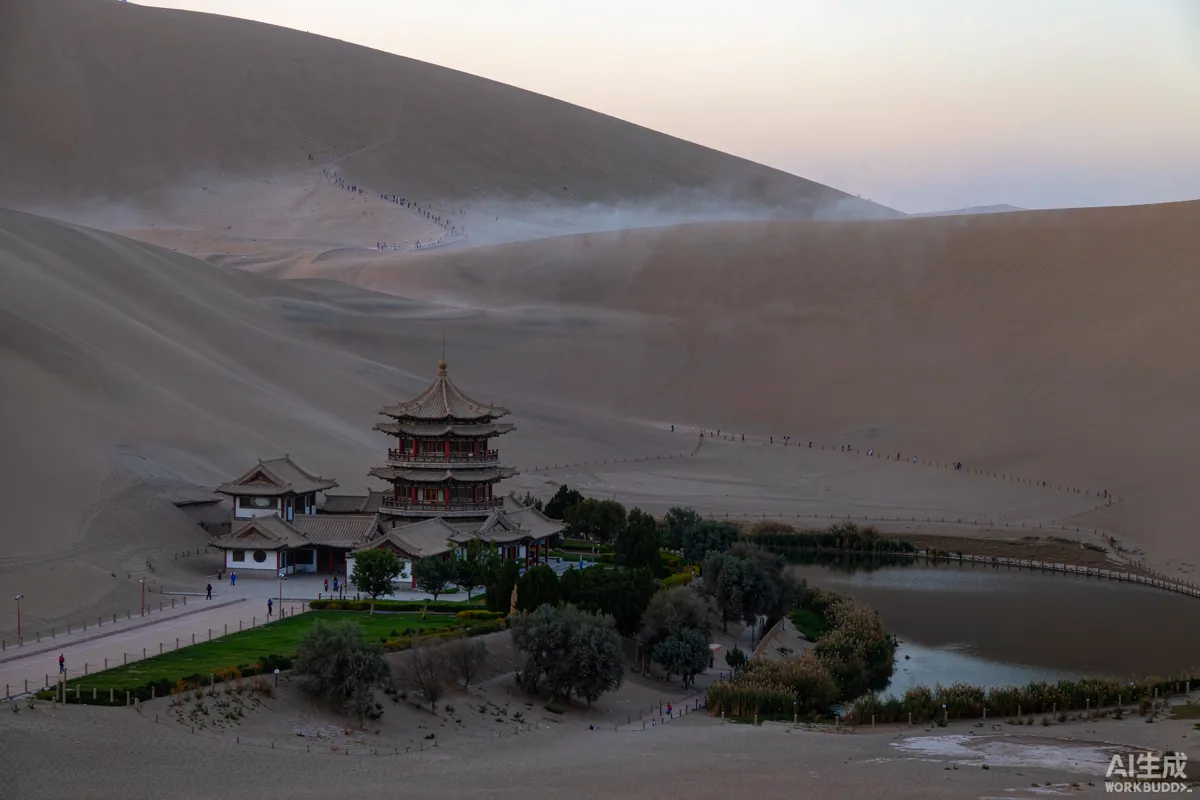
Mingsha Mountain Hike · Gobi Camping · Yardang Devil City · Starry Sky Photography
View details →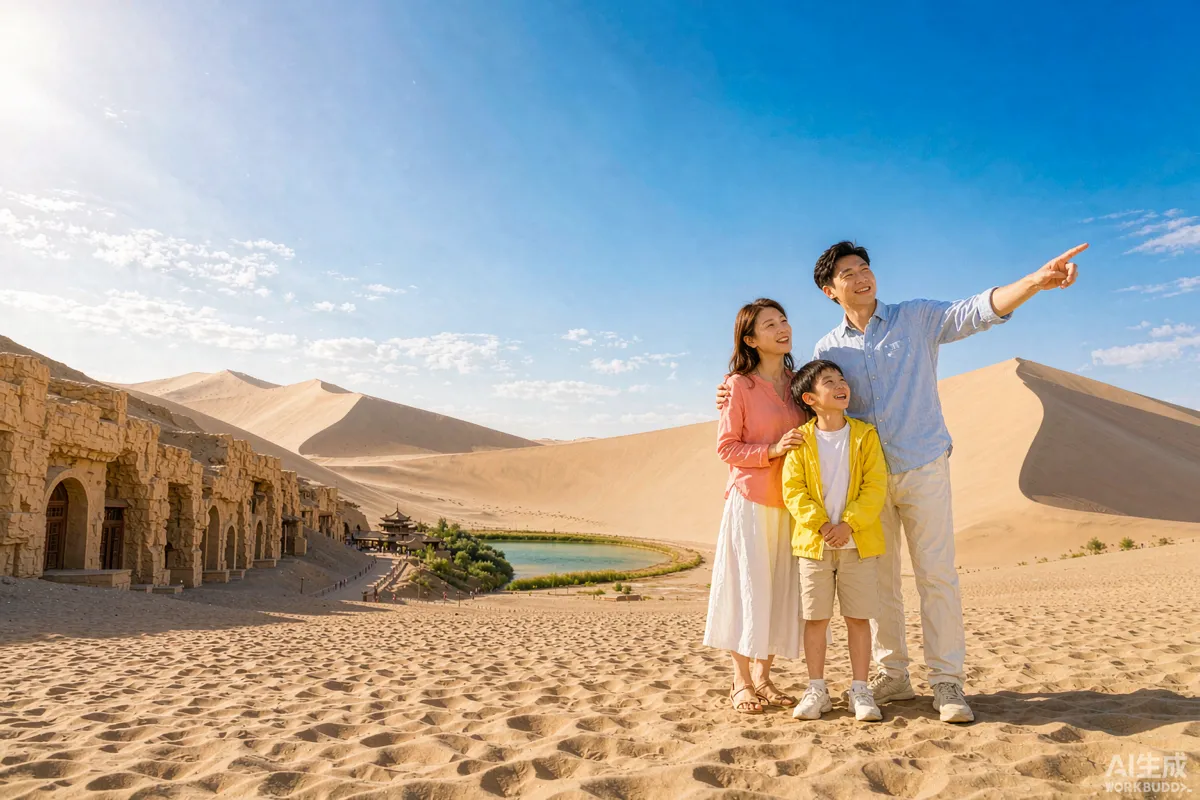
Mogao Caves Family Tour · Camel Riding · Sand Sliding · Hands-on Craft Experience
View details →| Fleet | Airport pickup & drop-off | Chauffeur by the day | Intercity transfers |
|---|---|---|---|
 Economy | from $84Book → | from $280Book → | from $170Book → |
 Comfort | from $134Book → | from $448Book → | from $272Book → |
 Luxury | from $202Book → | from $672Book → | from $408Book → |
 Special vehicles | For groups of 7+, please contact our trip designer for a quote | ||
prices may vary by date & route
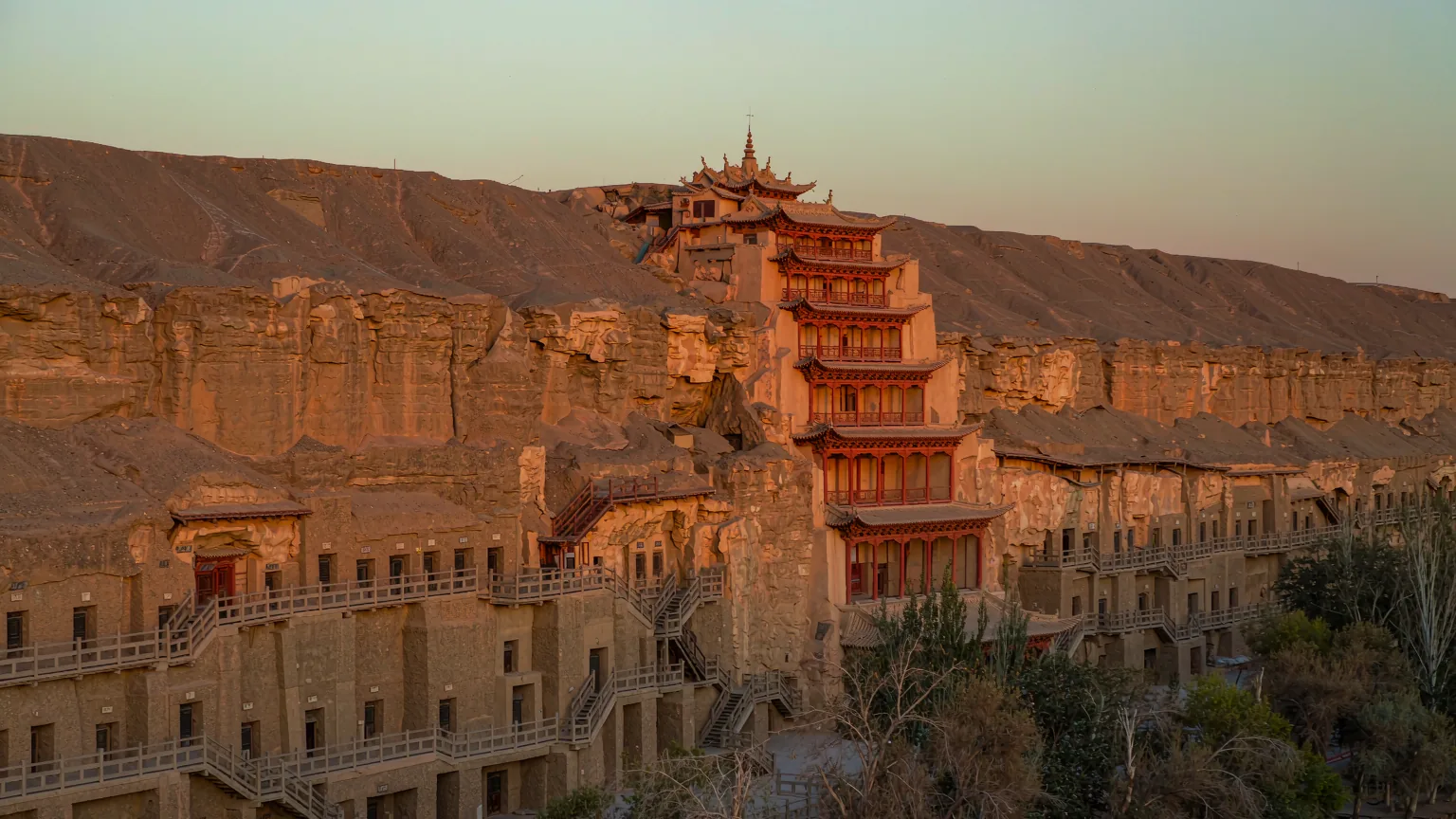
Dunhuang is a county-level city in Jiuquan, Gansu Province, located in the Hexi Corridor at the edge of the Gobi Desert. It was the westernmost garrison of the Han dynasty and a vital oasis on the Silk Road, where caravans rested before crossing the treacherous Taklamakan Desert. Today, it is a small but vibrant city that welcomes travelers from around the world.
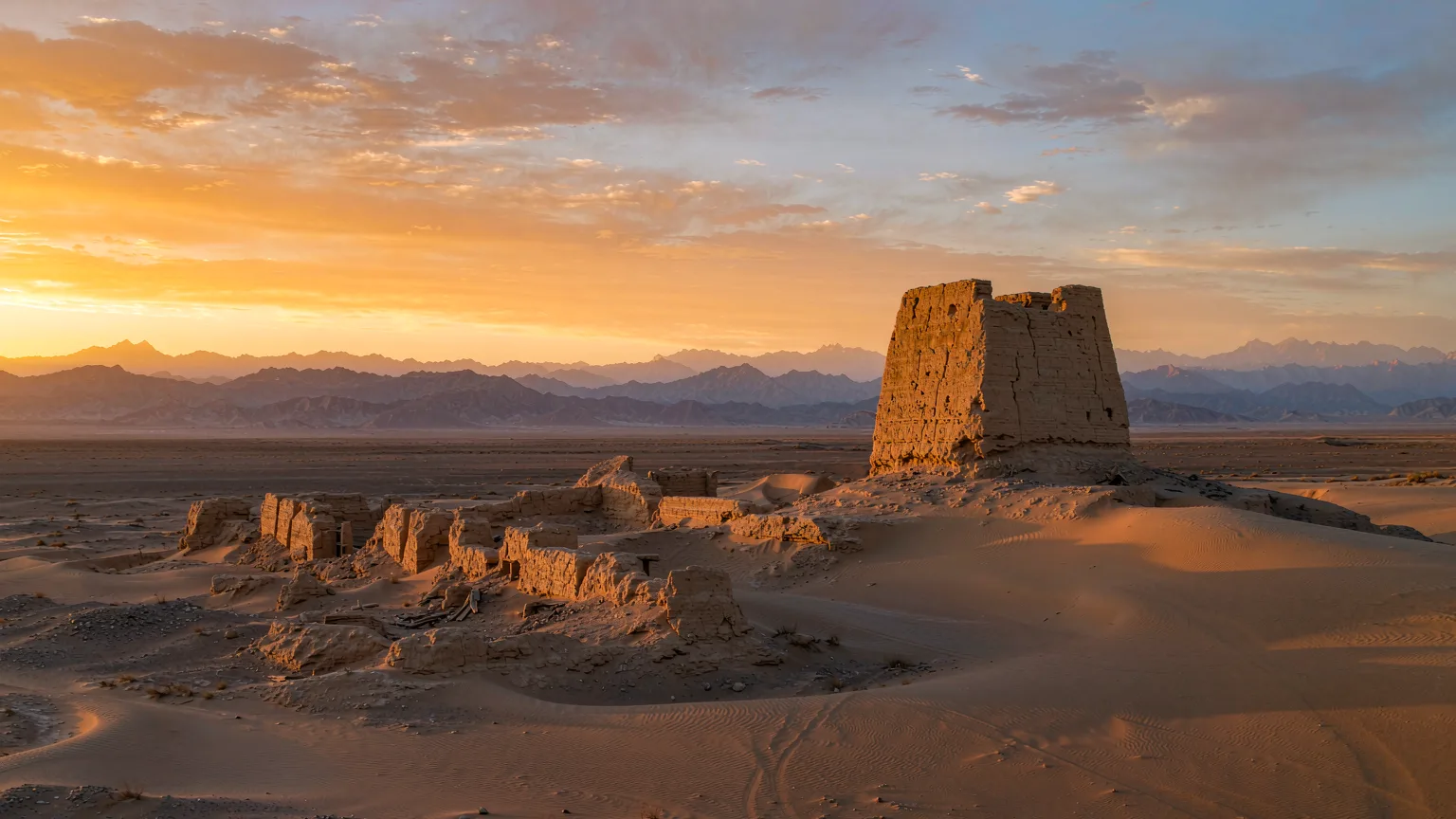
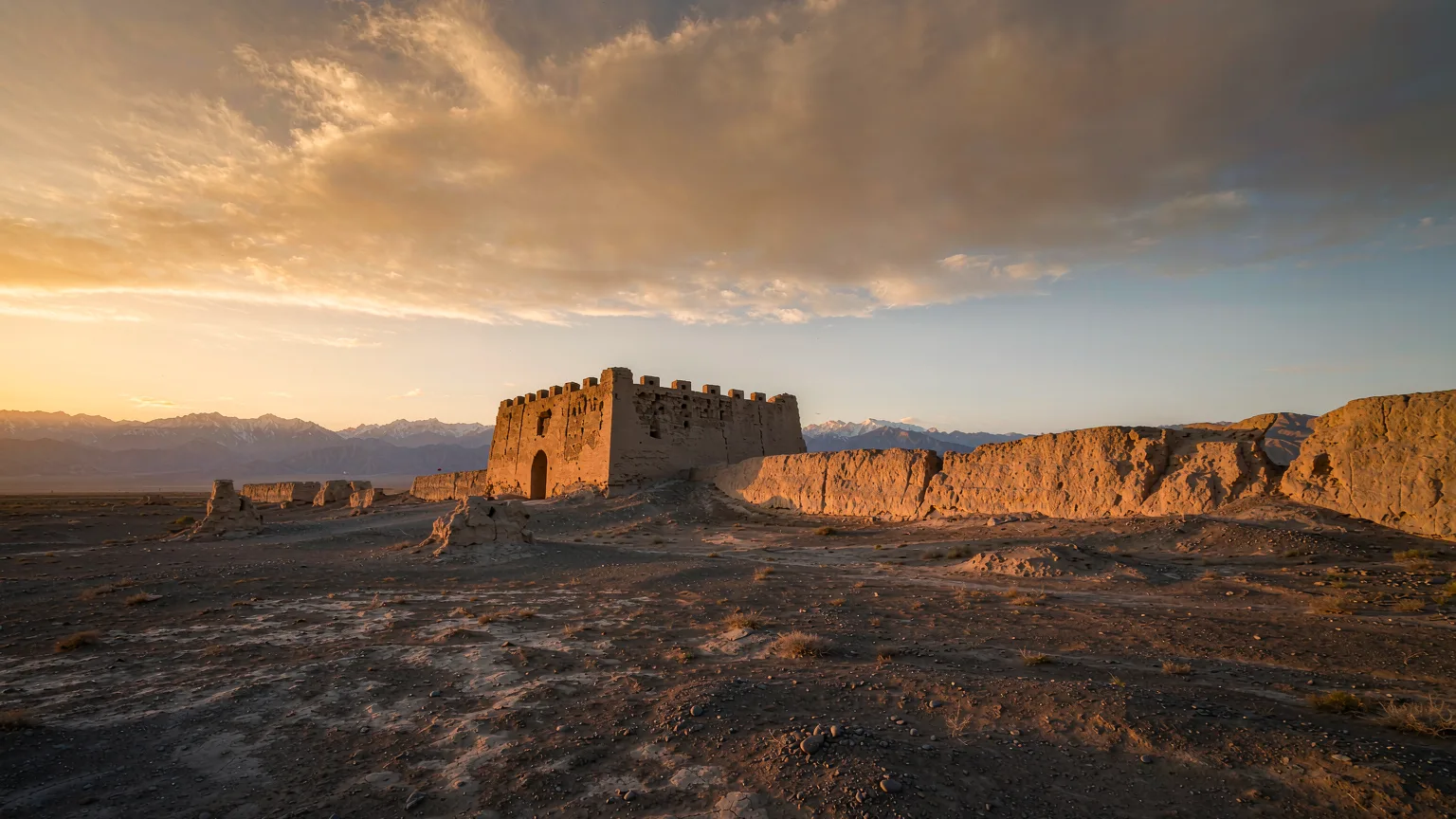
The city's layout is centered on Shazhou Town, where you'll find most hotels, restaurants, and the night market. The iconic Mingsha Shan and Crescent Lake are just south of town, while the Mogao Grottoes lie 25 km to the southeast. The surrounding desert is dotted with historical sites like Yumen Pass and Yangguan Pass, reminders of the Silk Road's heyday.
Dunhuang is accessible by air and rail. Dunhuang Airport (DNH) has flights from major cities like Beijing, Shanghai, and Xi'an. Dunhuang Railway Station is served by high-speed trains from Lanzhou, Xining, and Xi'an, as well as regular trains from other parts of China. The journey from Lanzhou by high-speed rail takes about 6 hours.
Within the city, taxis and ride-hailing apps are convenient and affordable. Public buses connect the city center to Mingsha Shan and the Mogao Grottoes. For attractions further afield like Yumen Pass and Yardang, it's best to hire a car or join a tour. Bicycles are also available for exploring the oasis area.
Dunhuang's cuisine reflects its Silk Road heritage, blending flavors from Gansu, Xinjiang, and Central Asia. Lamb is a staple, often grilled or stewed with aromatic spices. Noodles, both pulled and knife-cut, are served in hearty broths. The local night market is a must-visit for food lovers, offering a lively atmosphere and a chance to sample many dishes in one place.
Shopping in Dunhuang is focused on local crafts and souvenirs that reflect the region's Silk Road history. The Shazhou Night Market is the best place to find handmade carpets, jade, and traditional clothing. Artisans also sell replicas of Mogao Grottoes murals and Buddhist-themed items. For everyday needs, there are small supermarkets and shops in the city center.
Dunhuang's nightlife is low-key but charming. The Shazhou Night Market buzzes with activity until late, offering street food, souvenirs, and performances. Some hotels host cultural shows featuring Dunhuang dance and music. For a quieter evening, you can stargaze in the desert or take a night stroll along the Dang River. Note that the city is small, so nightlife is limited compared to major metropolises.
The best time to visit Dunhuang is during spring (April to May) and autumn (September to October), when temperatures are mild and the desert scenery is at its best. Summer can be extremely hot, with temperatures often exceeding 35°C, while winter is cold and dry. Avoid the Chinese Golden Week holidays when domestic tourism peaks.
| Period | Temperature | Conditions |
|---|---|---|
| Mar–May | 6-22°C | Spring is pleasant with mild temperatures and occasional sandstorms. Days are warm, nights cool. |
| Jun–Aug | 20-38°C | Summer is hot and dry, with intense sun. Best to avoid midday outdoor activities. |
| Sep–Nov | 8-25°C | Autumn is cool and comfortable, ideal for sightseeing. The desert is beautiful. |
| Dec–Feb | -10-5°C | Winter is cold and dry, with occasional snow. Fewer tourists and lower prices. |
Every private guide is licensed and vetted. Choose a tier that fits your trip — rates are per guide, per day, in USD.
A dependable all-rounder for an easy, well-planned day.
An experienced specialist with deeper local insight.
A senior expert — and, on request, medical-travel accompaniment.
Hand-picked, licensed guides based right here. Tap book to start a conversation and lock in your dates.

Most travellers spend 3-4 days in Dunhuang, though many stay longer once they arrive. If you want to combine Dunhuang with other cities — pandas, mountains, food streets — our consultants design one private itinerary at your own pace.
Yes. MyGuideTrip arranges vetted, licensed local guides in Dunhuang and across China. Your guide speaks fluent English, stays with you for the entire trip, and handles tickets, transport and restaurant picks. Meet them on the Guides page.
Dunhuang is best known for the Mogao Grottoes with an early-entry ticket. The recommended itineraries below cover these highlights with smart timing to beat the crowds.
Send us your dates, group size and interests — a dedicated consultant replies within 24 hours with a tailor-made Dunhuang itinerary covering guide, driver, hotels and tickets. Start with a free consultation below.
Tell us a little about your trip and we'll get back to you within 24 hours.
We'll reply within 24 hours.