
Guest — sign in to save your enquiries.
My account
Yumen Pass, or Jade Gate, marks the western edge of Han-dynasty China and the last gateway on the Silk Road before the desert. Its lonely rammed-earth walls at Xiaofangpan still stand after two thousand years, whispering tales of caravans and exiles. With our private guide, you'll hear the stories behind these ruins and travel the route effortlessly.
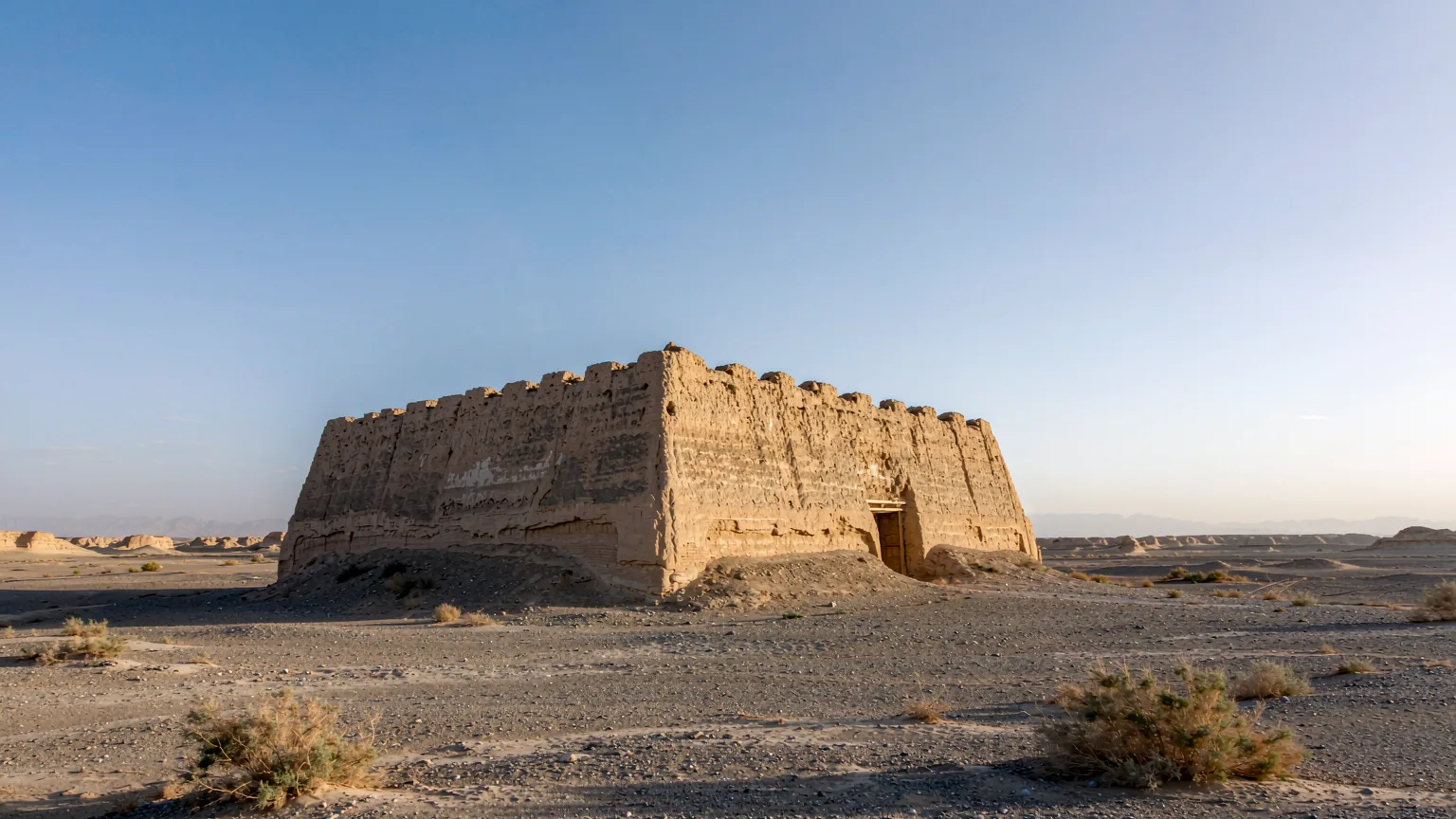
Yumen Pass (玉门关) was established in 111 BC under Emperor Wu of the Han Dynasty as a critical frontier post on the Silk Road. It controlled the northern route into the Western Regions, where camel caravans carrying silk, jade, and spices passed through. The pass witnessed the travels of envoys like Zhang Qian and the monk Xuanzang, and inspired countless poems about frontier life. Today, the site is known as Xiaofangpan City, a square earthen fortress that once housed soldiers and officials. Its remote location in the Gobi Desert adds to its haunting beauty.
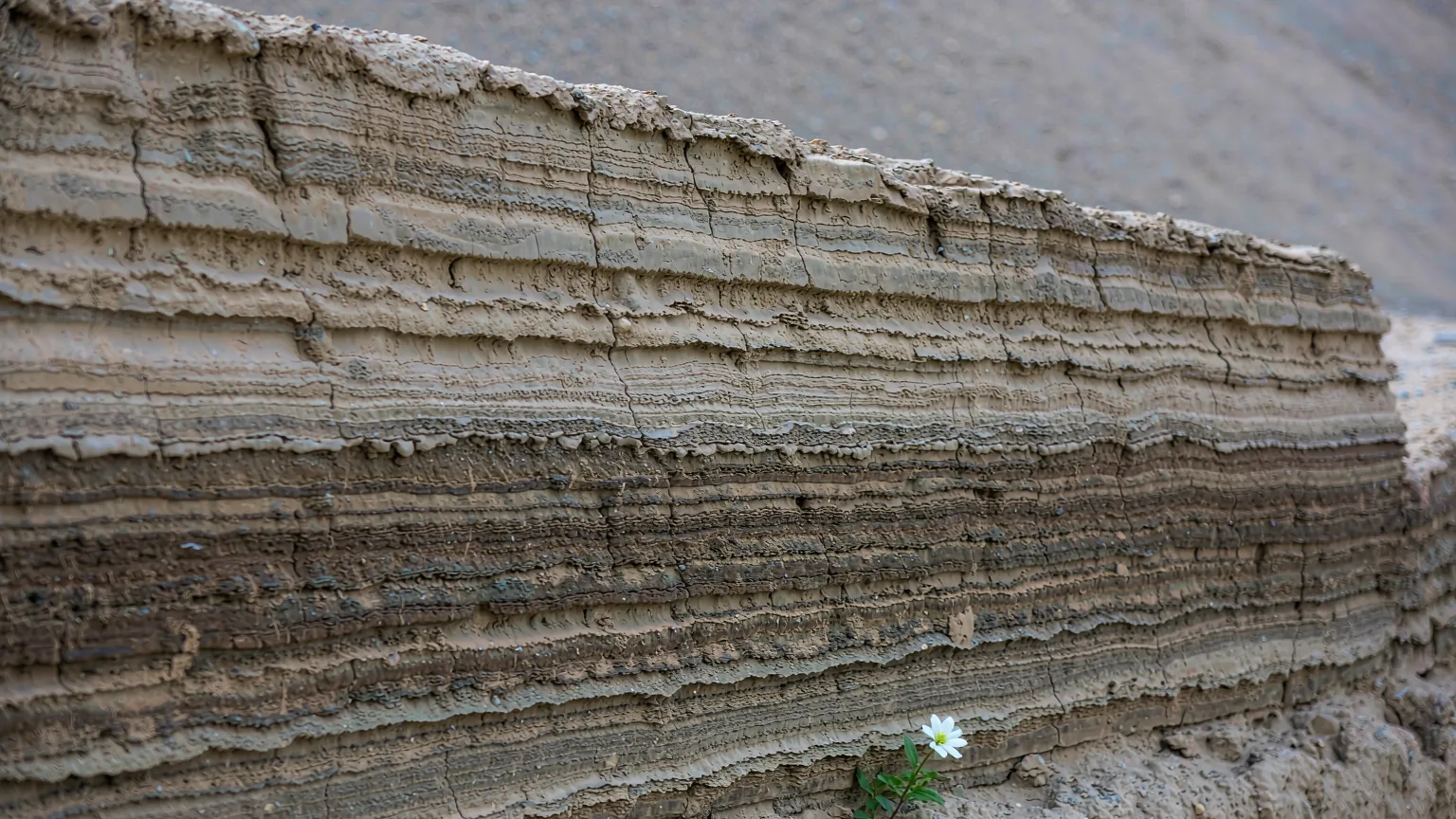
The surviving ruins at Yumen Pass include the main fortress, a section of the Han Great Wall, and several beacon towers. The walls, made of rammed earth and reed layers, have withstood millennia of wind erosion. Visitors can walk around the perimeter and imagine the bustle of this ancient checkpoint. The site is part of the larger Silk Road UNESCO World Heritage listing. A visit here offers a tangible connection to the epic journeys that shaped Eurasian history.
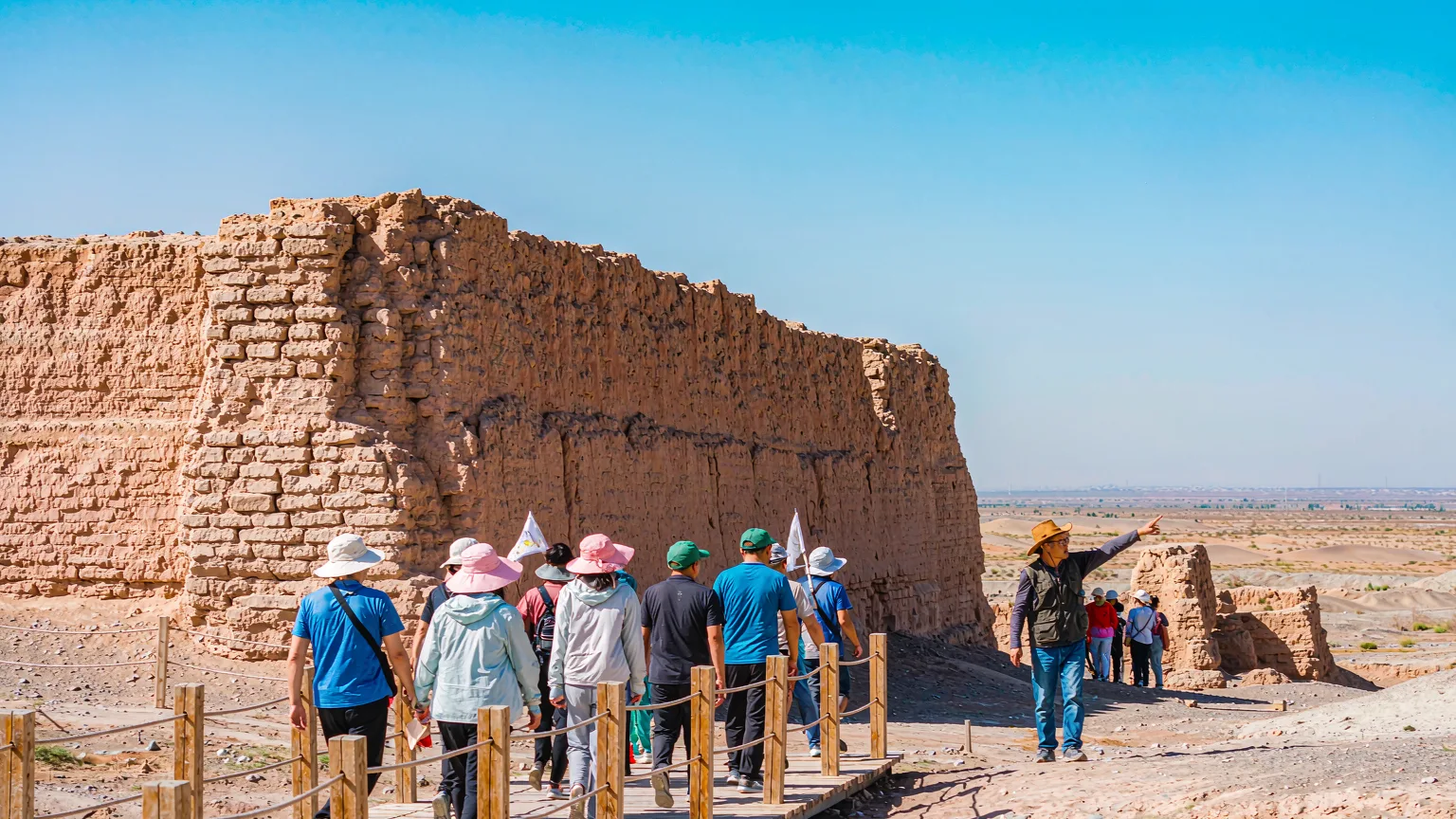
Yumen Pass is about 90 km northwest of Dunhuang city. The most convenient way is by private car or taxi, which takes around 1.5 hours. Many travelers combine it with nearby Yardang National Geopark and Yangguan Pass on a full-day tour. Our private guide will arrange a comfortable vehicle and handle the logistics, so you can focus on the scenery. Public transport is limited, so booking a tour is recommended.
Admission: ¥40 (includes shuttle bus within the scenic area). Opening hours: 8:00-18:00 (may vary seasonally). Tickets can be purchased at the gate, but during peak season (May-October) it's best to book in advance through your guide or a Chinese travel app. Foreign credit cards are not accepted at the ticket office; bring cash (CNY) or use WeChat Pay/Alipay linked to an international card.
The best time to visit is from May to October, when temperatures are mild and the desert is not too harsh. Early morning or late afternoon is ideal to avoid the midday heat and catch the soft light on the ruins. Sunset is particularly magical, but be sure to arrange return transport in advance as it gets dark quickly.
Yes, for history enthusiasts and those wanting to experience the Silk Road's remote frontier. The ruins are evocative, and the desert landscape is stunning. It's best combined with other nearby sites.
Most visitors spend 1-1.5 hours at the site. Including travel from Dunhuang, it's a half-day trip, or a full day if combined with Yangguan and Yardang.
It's possible by hiring a taxi, but public transport is scarce. A private tour with a guide is more convenient and informative, as signage is limited in English.
Water, sun protection, cash for tickets (if not pre-booked), and a camera. There are basic facilities but no restaurants, so pack snacks if needed.
Tell us your dates, group size and preferences — a dedicated consultant will reach out within 24 hours.