Guest — sign in to save your enquiries.
My account
Giant pandas at opening hour, teahouse culture, temple lanes and a proper mapo tofu lunch — Chengdu's easy pace, done properly.
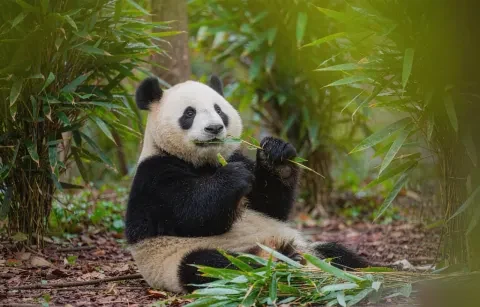
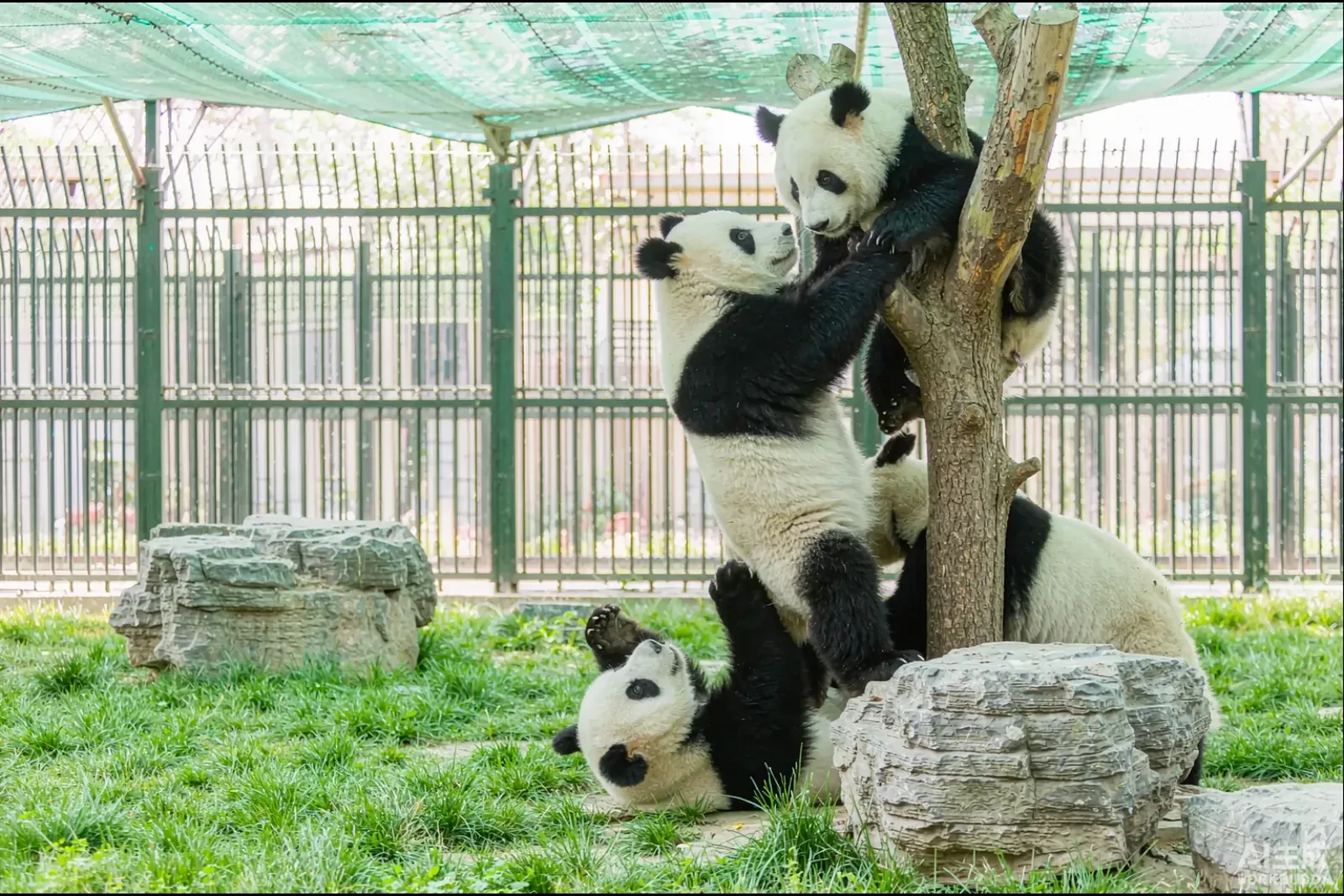
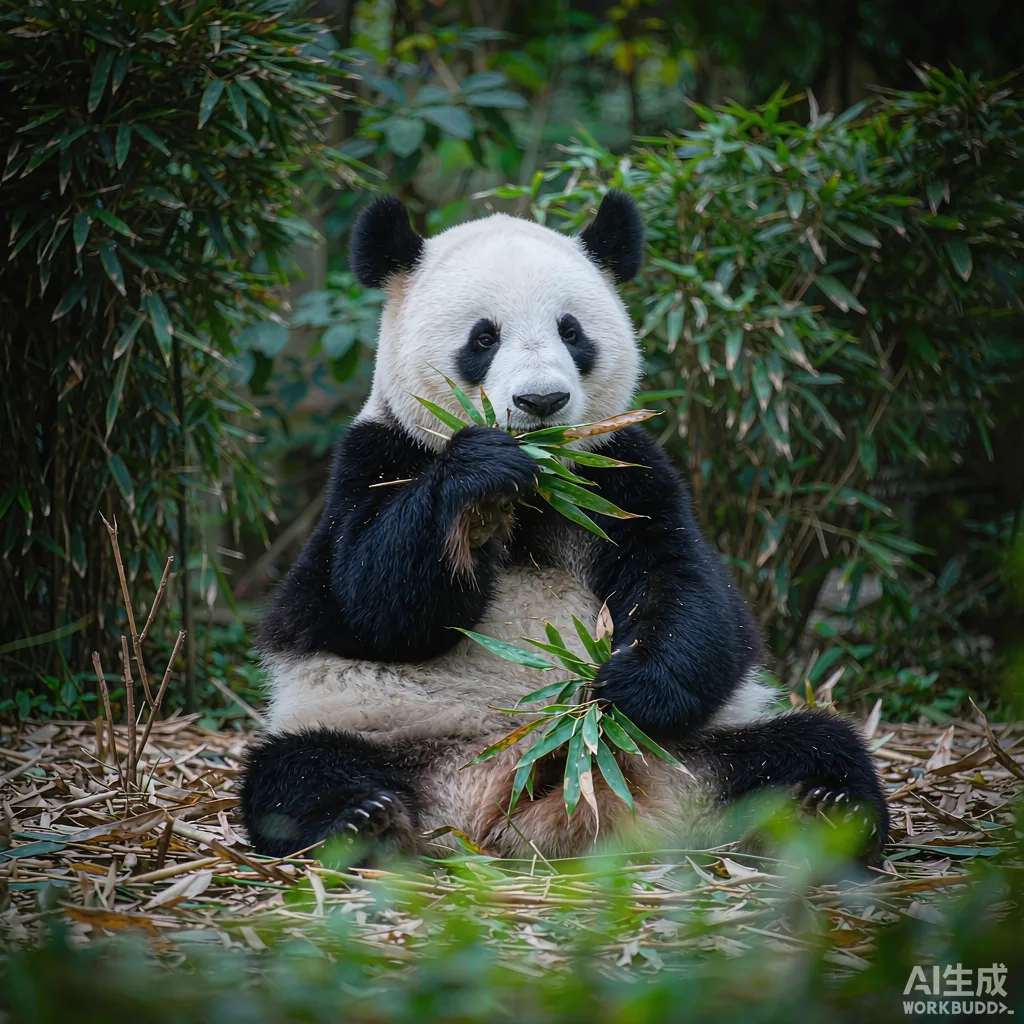
Chengdu is Sichuan's capital and the slow-living heart of southwest China — a city where tea, pandas and mouth-numbing hotpot set the pace. It has been a cultural and trade hub on the Chengdu Plain for over 3,000 years, and today it is best known to travellers for three things: the Chengdu Research Base of Giant Panda Breeding, its teahouse lifestyle, and one of the most celebrated food scenes in the country.
The charm of Chengdu is in its rhythm. Mornings start early at the panda base, when the bears are awake and feeding, before the crowds arrive. Afternoons belong to the city's teahouses — bamboo chairs, jasmine tea and unhurried conversation under wutong trees. Evenings are for Sichuan opera, hotpot, and street snacks that run from mapo tofu to dan dan noodles.
As a gateway to Sichuan and beyond, Chengdu is also the natural base for day trips to Leshan's Giant Buddha, Mount Qingcheng, Dujiangyan and the UNESCO-listed landscapes of Jiuzhaigou and Mount Emei. Most travellers spend three to five days here, often as the opening or closing chapter of a longer China journey.
Greater Chengdu covers 14,335 square kilometers on the western Chengdu Plain and is home to about 21 million people. With more than 2,300 years of recorded history — and a city name and site that have never changed — it administers 12 districts, 5 county-level cities and 3 counties, blending an ancient capital's heritage with one of China's fastest-growing metropolitan economies.

Deeply experience all the most essential cultural and natural landscapes of Sichuan, worthy of being called "the ultimate answer to Sichuan travel" (more specific itinerary needs can be customized)
View details →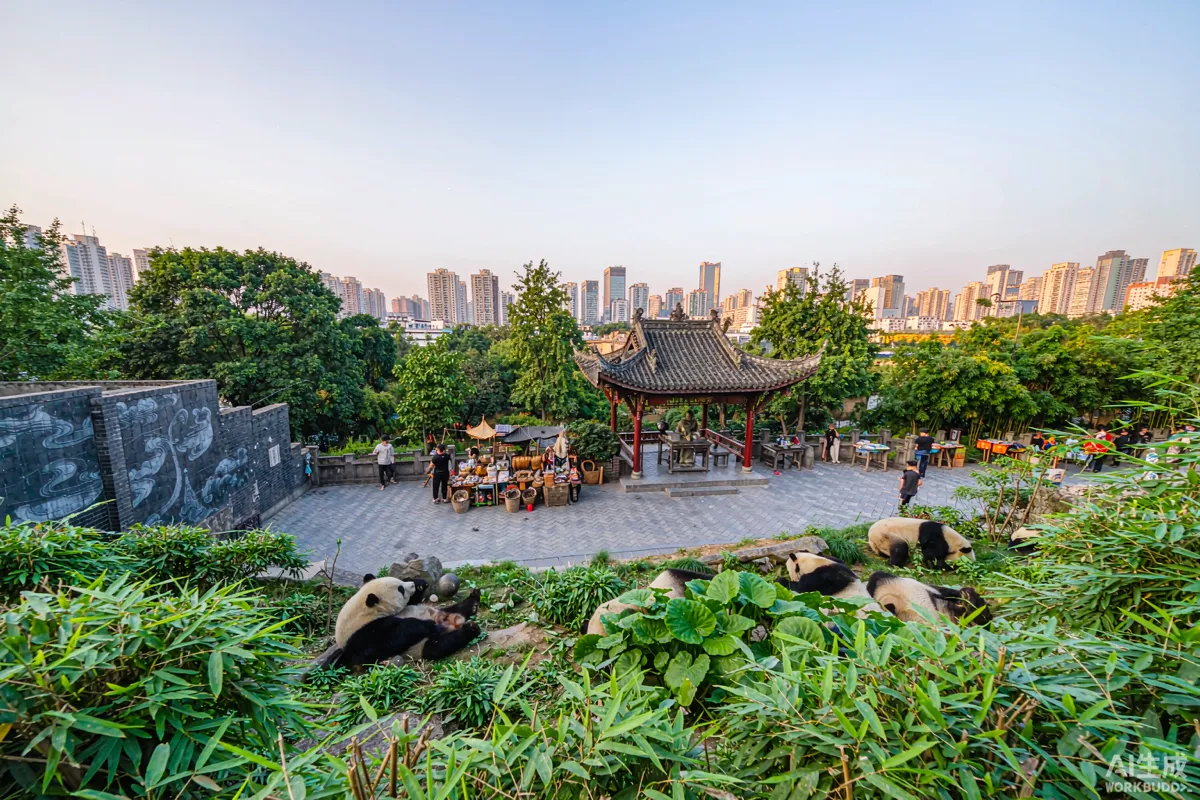
Pandas · Old Streets · Giant Buddha · Hotpot — experience Chengdu's must-see highlights in one trip
View details →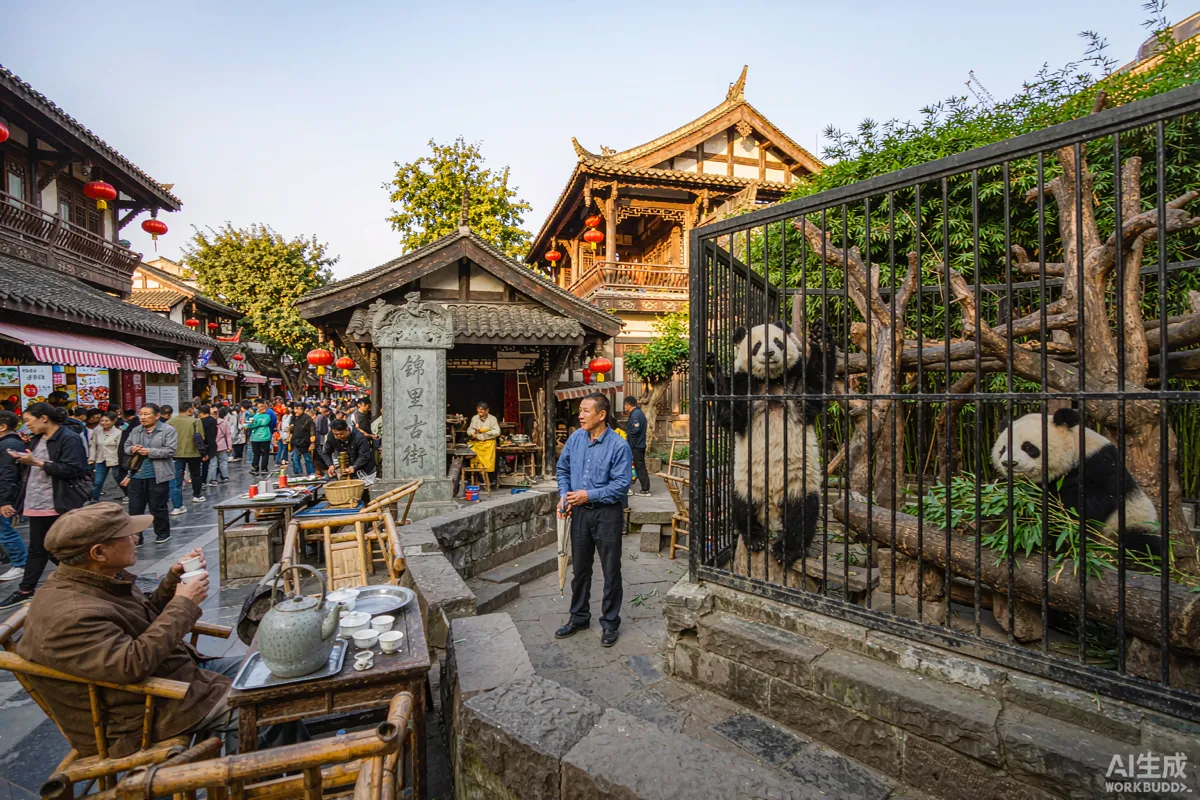
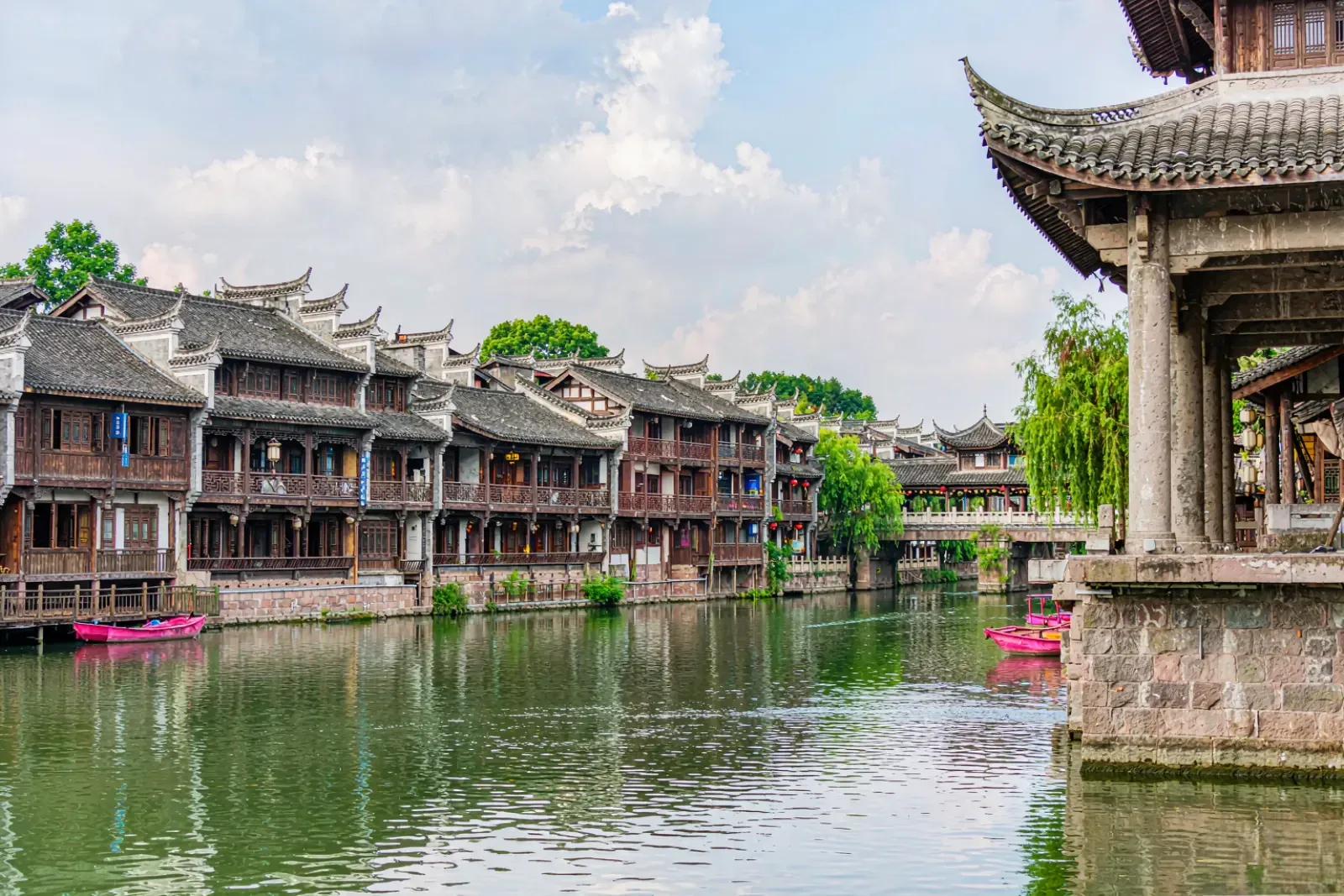
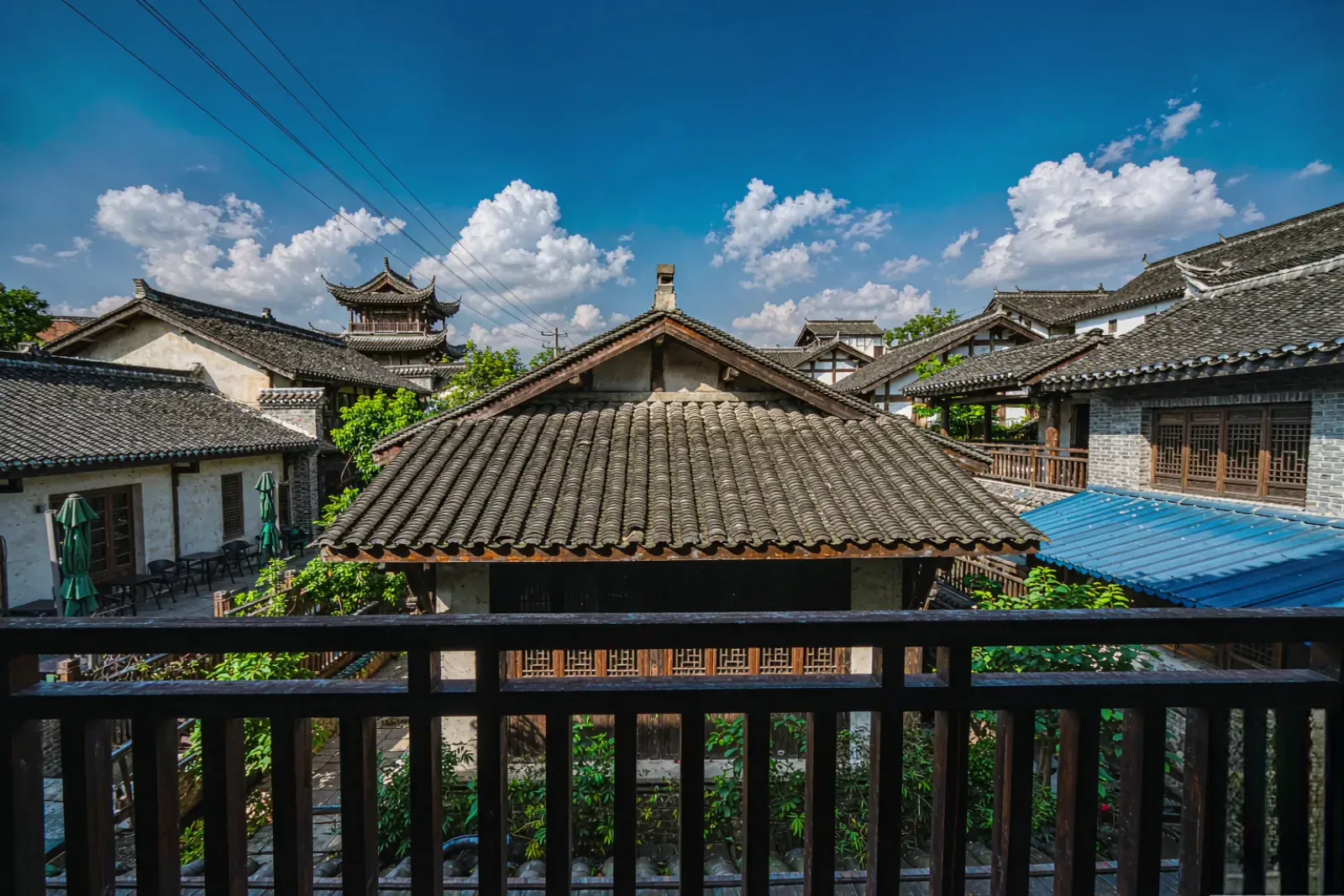
Ancient Shu Civilization · Intangible Cultural Heritage Handicrafts · Slow Stroll in Ancient Town, Understand Chengdu's Two Thousand Years
View details →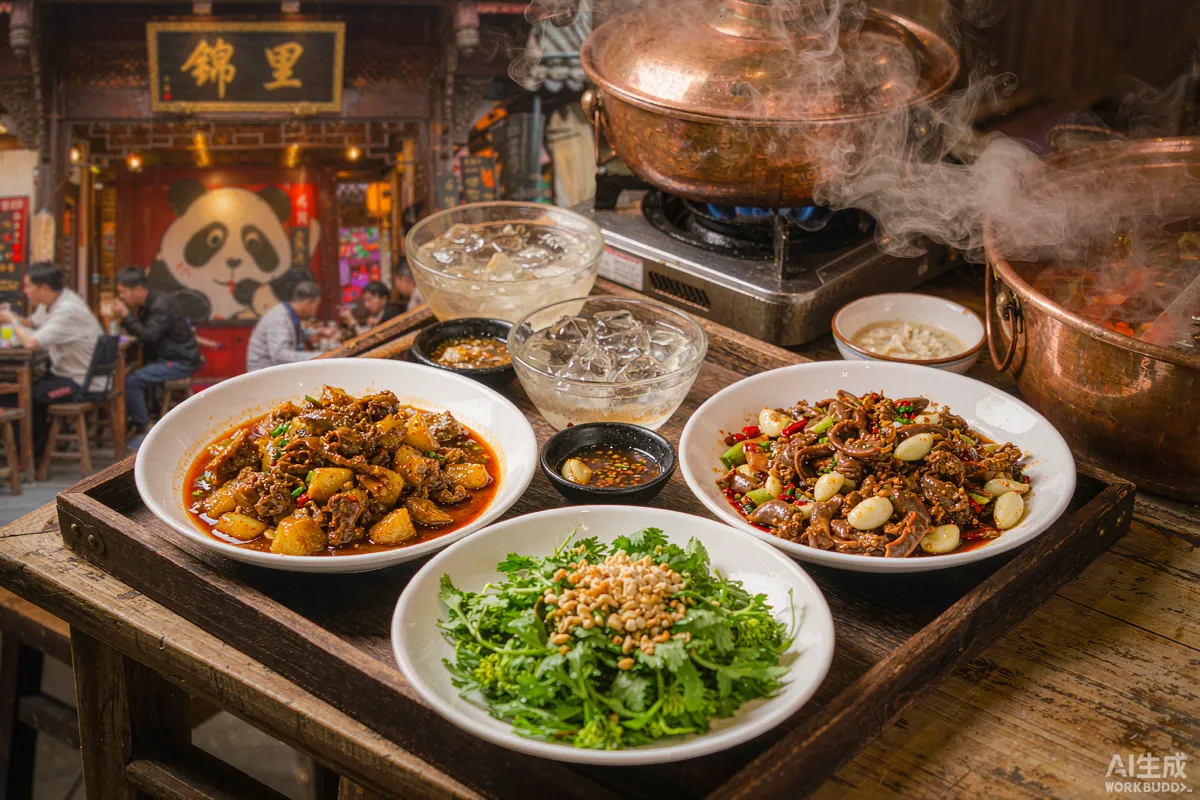
Wet Markets · Hole-in-the-Wall Eateries · Gaiwan Tea, Eat Chengdu Like a Local
View details →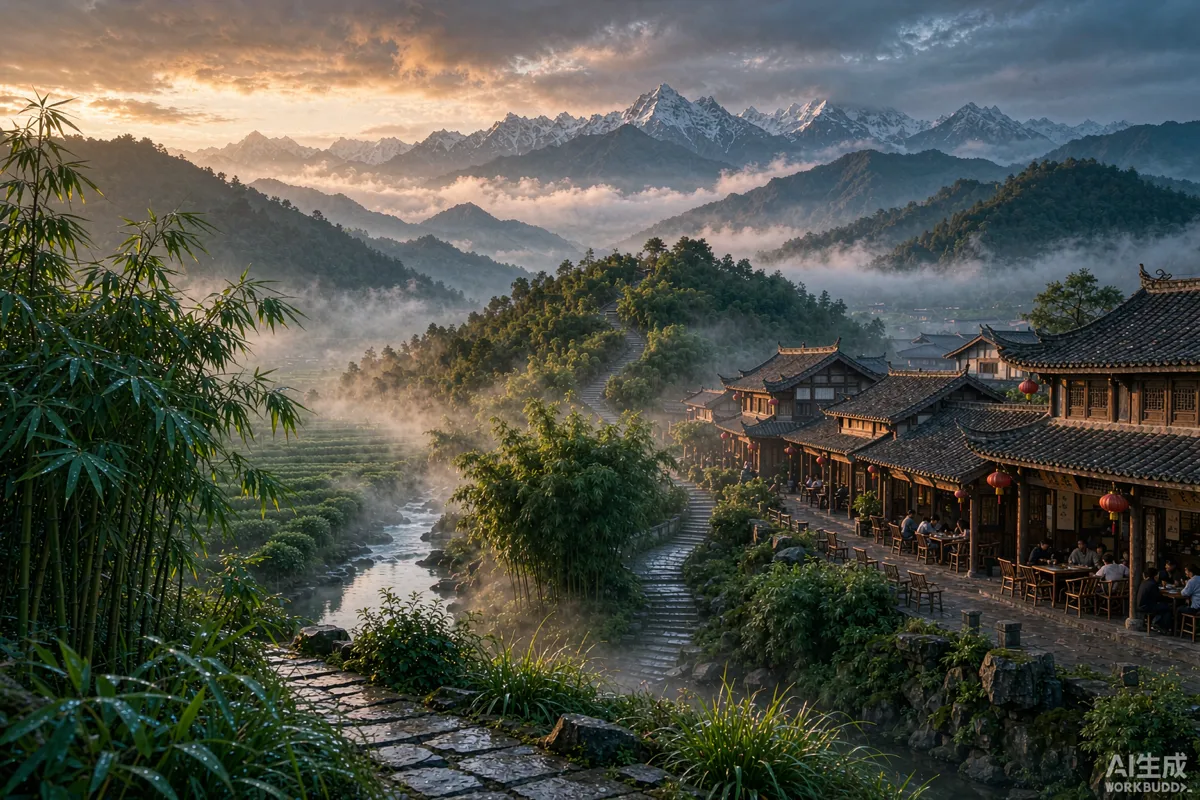
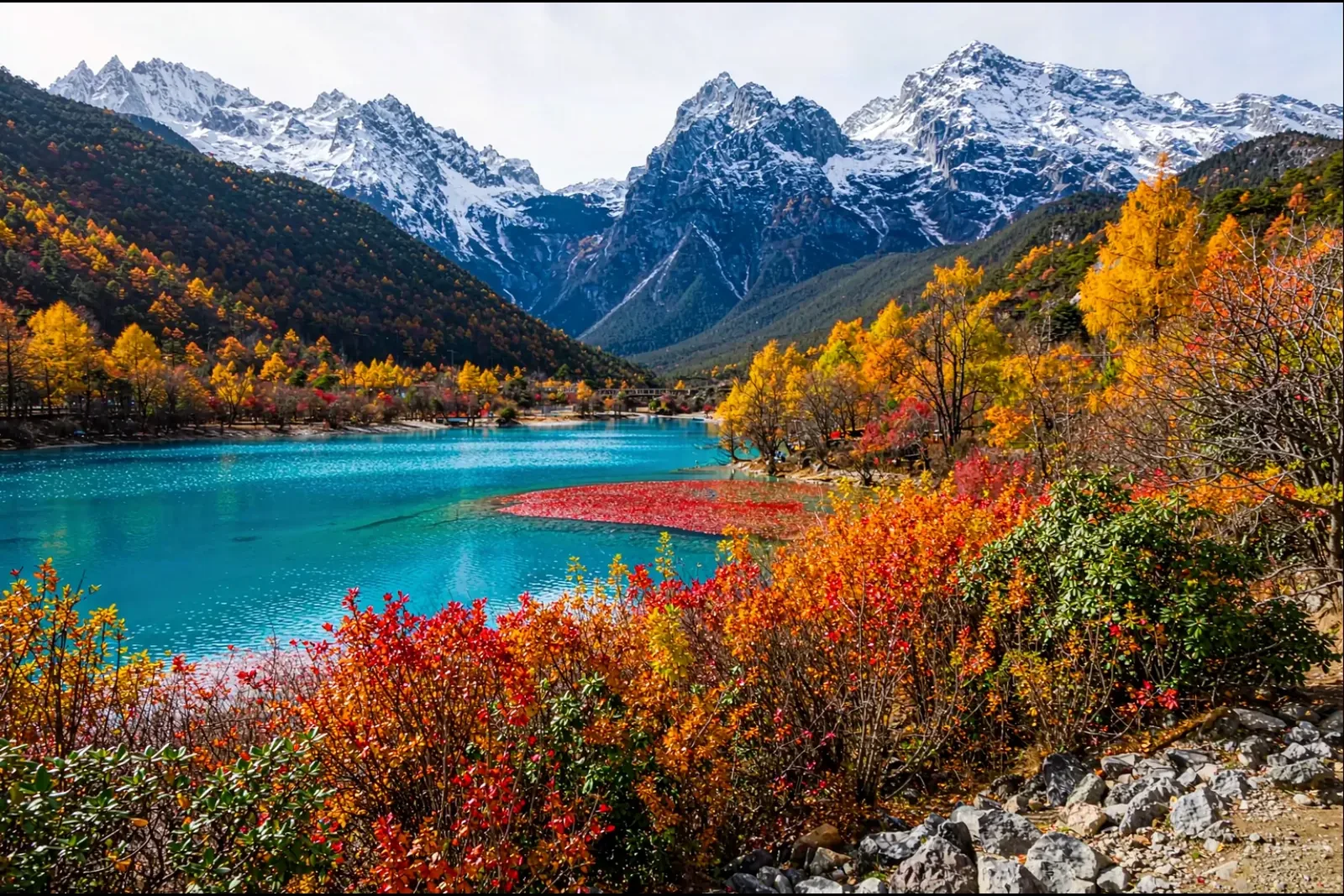
Mount Emei Sea of Clouds · Jiuzhaigou Emerald Waters · Huanglong Colorful Pools, Western Sichuan Mountain and Water Hiking Photography
View details →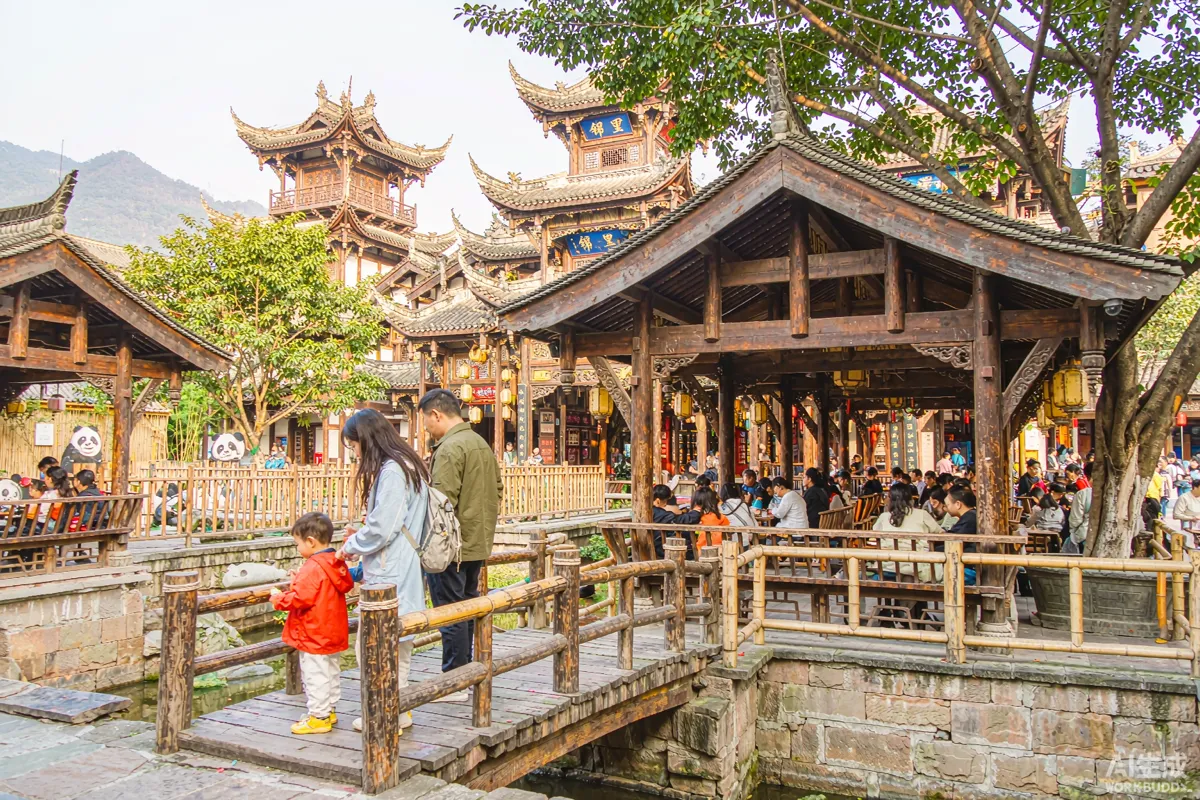
Hug Pandas, Explore Ancient Towns, Cook Sichuan Cuisine: A Joyful Chengdu Family Time
View details →| Fleet | Airport pickup & drop-off | Chauffeur by the day | Intercity transfers |
|---|---|---|---|
 Economy | from $90Book → | from $300Book → | from $360Book → |
 Comfort | from $144Book → | from $480Book → | from $576Book → |
 Luxury | from $216Book → | from $720Book → | from $864Book → |
 Special vehicles | For groups of 7+, please contact our trip designer for a quote | ||
prices may vary by date & route
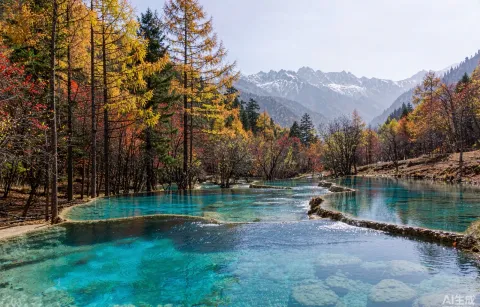
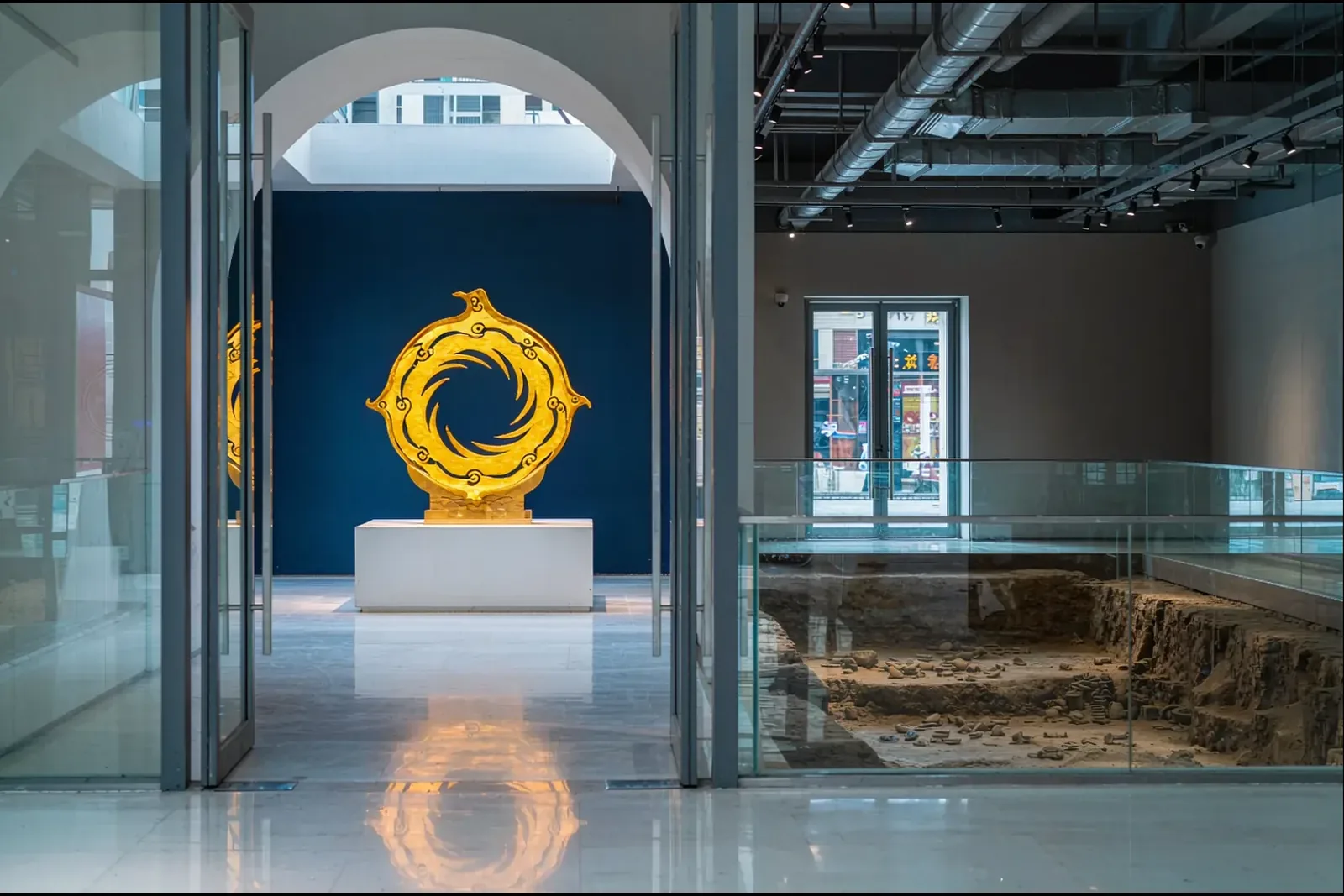
Chengdu has stood on the Chengdu Plain for over 2,300 years, founded around 311 BC and famous as the only major Chinese city whose name and location have never changed. It rose as the capital of the ancient Shu kingdom — the 3,000-year-old Jinsha Site and Sanxingdui bronzes nearby testify to a civilization as old as the Shang — and later prospered as the southern terminus of the Silk Road's tea route and the birthplace of the world's first paper money, the Song-dynasty jiaozi.
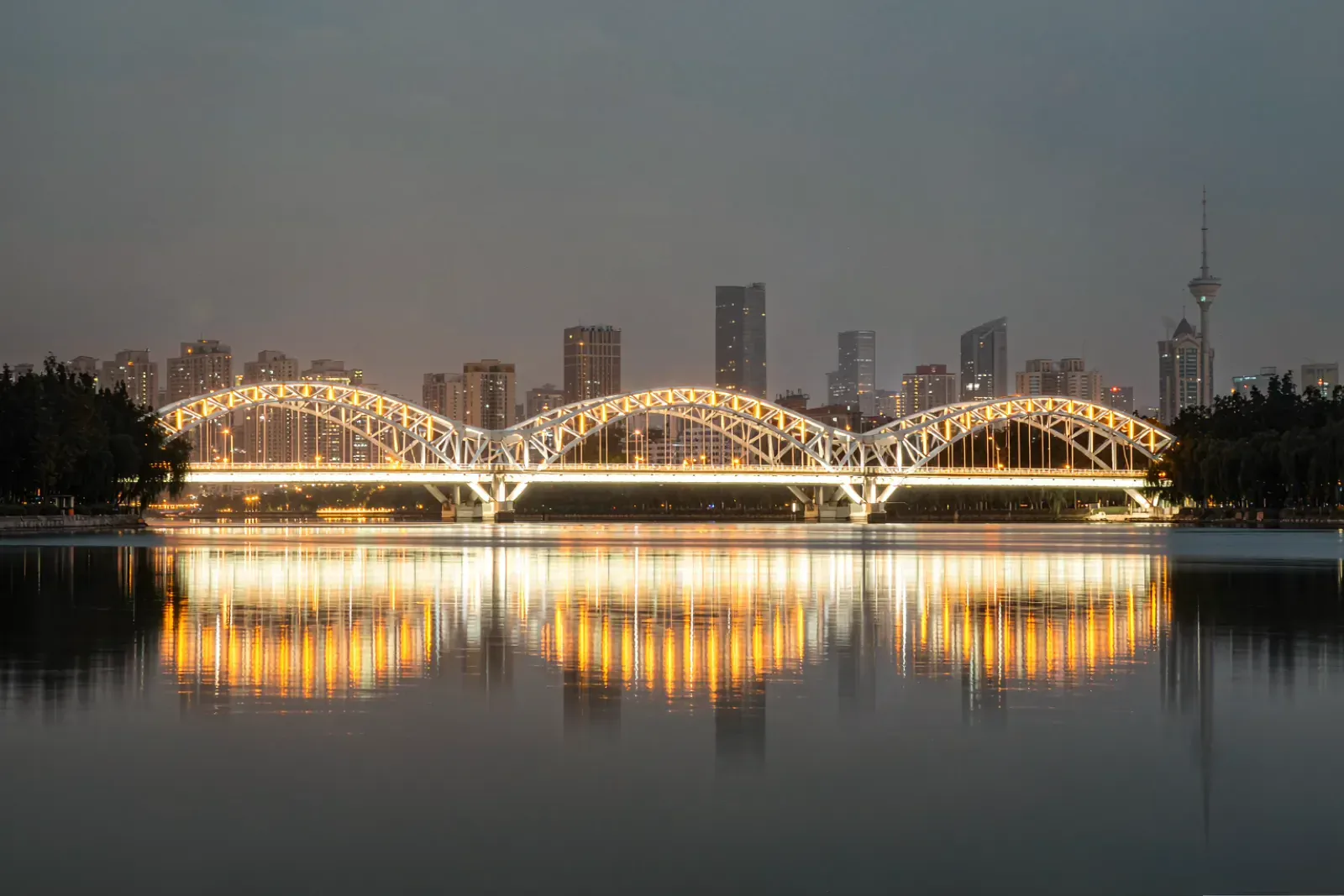
Today Chengdu is the capital of Sichuan Province and the economic engine of southwest China. The metropolitan area covers 14,335 km² with around 21 million residents, organized into 12 districts, 5 county-level cities and 3 counties. The historic core — Jinjiang, Qingyang, Wuhou and Jinniu districts — holds the teahouses, temples and lane-side dining the city is loved for, while the southern Hi-Tech Zone carries the skyline, convention centers and a fast-growing expatriate scene.
Chengdu is served by two international airports. Shuangliu (CTU, 16 km from downtown) handles most domestic and some regional flights; the newer Tianfu International (TFU, 50 km south) is one of China's largest hubs with long-haul routes to Europe, the Middle East and beyond. Both connect to the city by metro in under an hour.
Four high-speed rail stations link Chengdu with the national network: Chengdu East (the main HSR hub — Xi'an 3.5 h, Chongqing 1.5 h), Chengdu South, Chengdu West (trains to Dujiangyan and Mount Qingcheng) and Chengdu Tianfu. Inside the city, 13 metro lines, dense bus networks and ubiquitous Didi ride-hailing make getting around cheap and easy; taxis start at ¥8.
Chengdu is a UNESCO City of Gastronomy and the home of Sichuan cuisine, famous for its seven flavors and the tingling 'mala' numbing spice of the Sichuan pepper. Locals eat out constantly — many restaurants have run for decades, and the best meals often happen in unassuming street-side places.
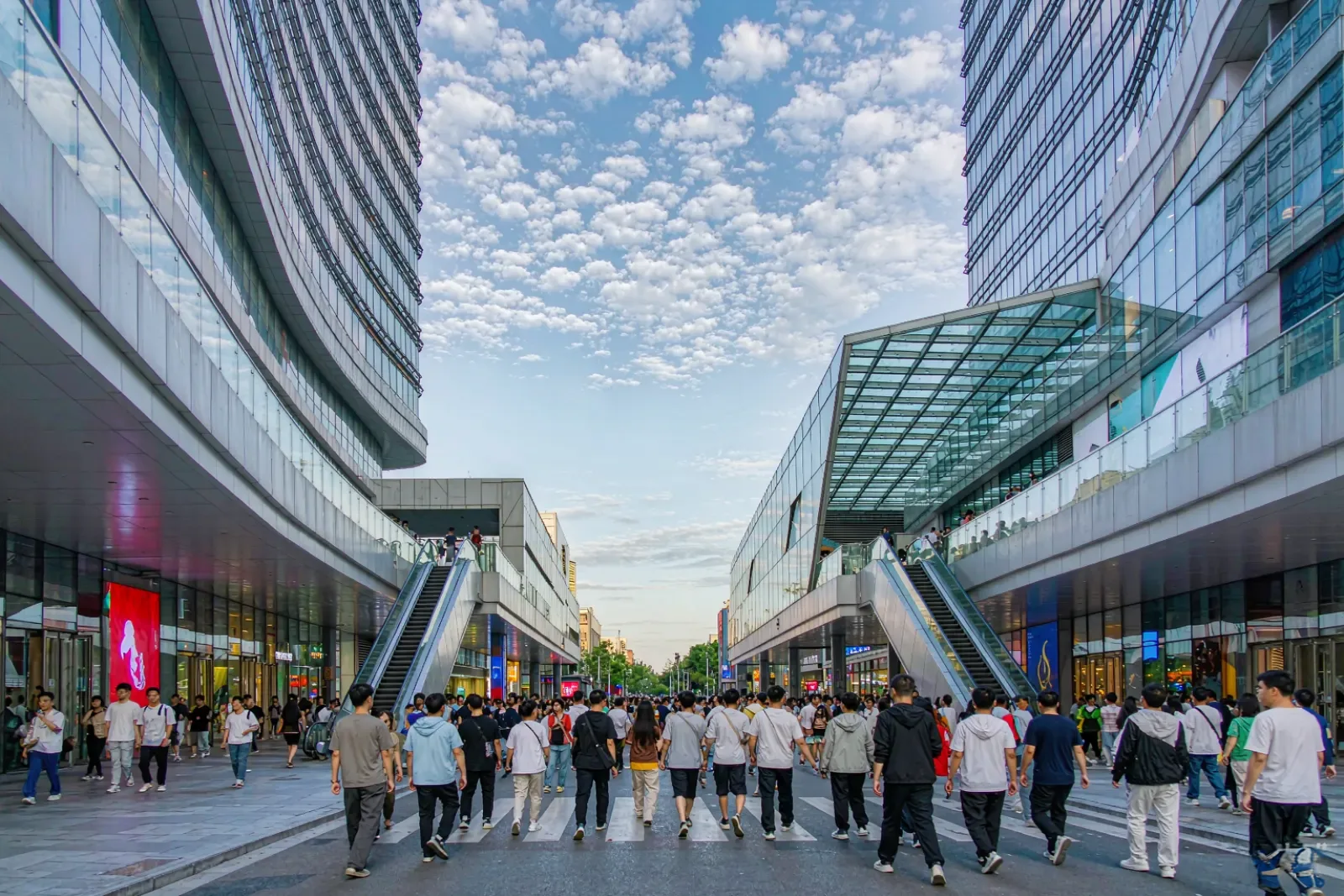
Chengdu's shopping splits between sleek modern malls and atmospheric old streets. The Taikoo Li complex on Chunxi Road pairs open-air luxury boutiques with a 1,600-year-old temple, while nearby IFS adds rooftop pandas and international brands.
Chengdu's evenings move at tea-house pace before sliding into late-night energy. The riverside Jiuyanqiao bar street stretches for a kilometer along the Jinjiang, the Yulin neighborhood mixes indie music venues with the tavern that inspired Zhao Lei's famous song 'Chengdu', and Sichuan opera shows run nightly.
Chengdu is mild year-round thanks to the basin climate, but spring (March–May) and autumn (September–November) are the sweet spots: clear panda-viewing mornings, comfortable walking weather and the azalea and ginkgo seasons. Winters are grey and damp rather than cold; summers are hot with sudden downpours. Note that pandas are most active in the early morning year-round, so the base is worth visiting in any season.
| Period | Temperature | Conditions |
|---|---|---|
| Mar–May | 13–25°C | Mild, increasingly green; best all-round season with azaleas and fewer crowds. |
| Jun–Aug | 23–32°C | Hot and humid, sudden heavy showers; good for mountain escapes to Qingcheng. |
| Sep–Nov | 15–24°C | Cool and clear, ginkgo gold in November — ideal for walking and food streets. |
| Dec–Feb | 4–11°C | Grey and damp, rarely below freezing; teahouses and hotpot taste even better. |
Every private guide is licensed and vetted. Choose a tier that fits your trip — rates are per guide, per day, in USD.
A dependable all-rounder for an easy, well-planned day.
An experienced specialist with deeper local insight.
A senior expert — and, on request, medical-travel accompaniment.
Hand-picked, licensed guides based right here. Tap book to start a conversation and lock in your dates.

Most travellers spend 5 days in Chengdu, though many stay longer once they arrive. If you want to combine Chengdu with other cities — pandas, mountains, food streets — our consultants design one private itinerary at your own pace.
Yes. MyGuideTrip arranges vetted, licensed local guides in Chengdu and across China. Your guide speaks fluent English, stays with you for the entire trip, and handles tickets, transport and restaurant picks. Meet them on the Guides page.
Chengdu is best known for Panda base at opening hour. The recommended itineraries below cover these highlights with smart timing to beat the crowds.
Send us your dates, group size and interests — a dedicated consultant replies within 24 hours with a tailor-made Chengdu itinerary covering guide, driver, hotels and tickets. Start with a free consultation below.
Tell us a little about your trip and we'll get back to you within 24 hours.
We'll reply within 24 hours.