
Guest — sign in to save your enquiries.
My account
Mount Emei is one of China's four sacred Buddhist mountains — a 3,099-metre green giant of temples, cloud seas and macaques, just over an hour's fast train from Chengdu. Whether you come for a summit sunrise or a gentle temple walk, this is how our guides plan it.
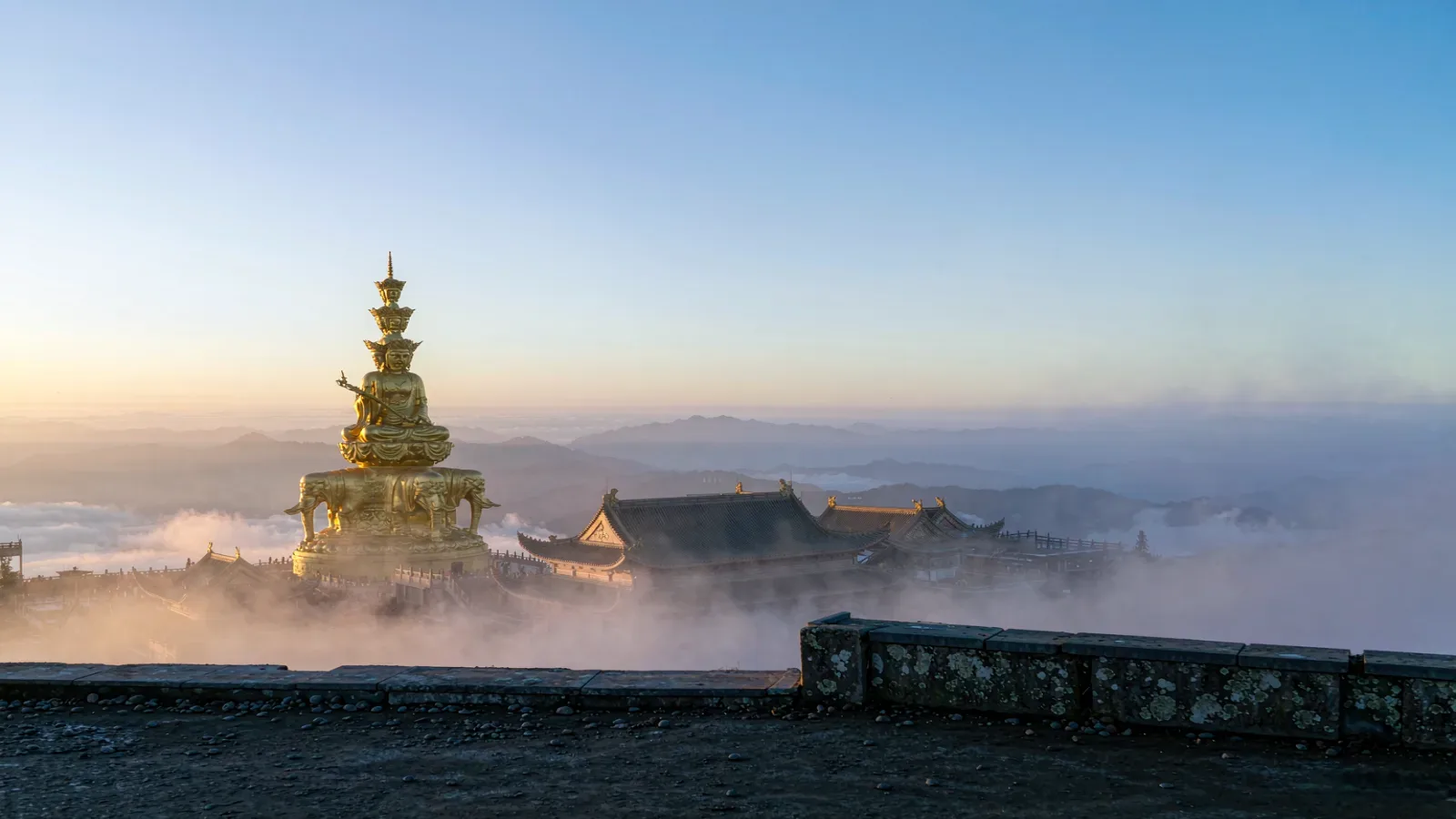
Emeishan (Mount Emei) rises from the Sichuan basin in a series of forested ridges dotted with monasteries, some dating back over a thousand years. It is one of the four sacred Buddhist mountains of China, associated with the bodhisattva Samantabhadra, and UNESCO-listed together with the Leshan Giant Buddha. The mountain spans an enormous range of terrain: subtropical forest at the base, bamboo and fir mid-slope, and a windswept granite summit crowned by the Golden Summit (Jinding) and its gilded 48-metre statue of Samantabhadra.
Most visitors do the mountain in a day or two using its cable cars and buses rather than hiking the full pilgrim routes — the peak experience is achievable for nearly any fitness level.
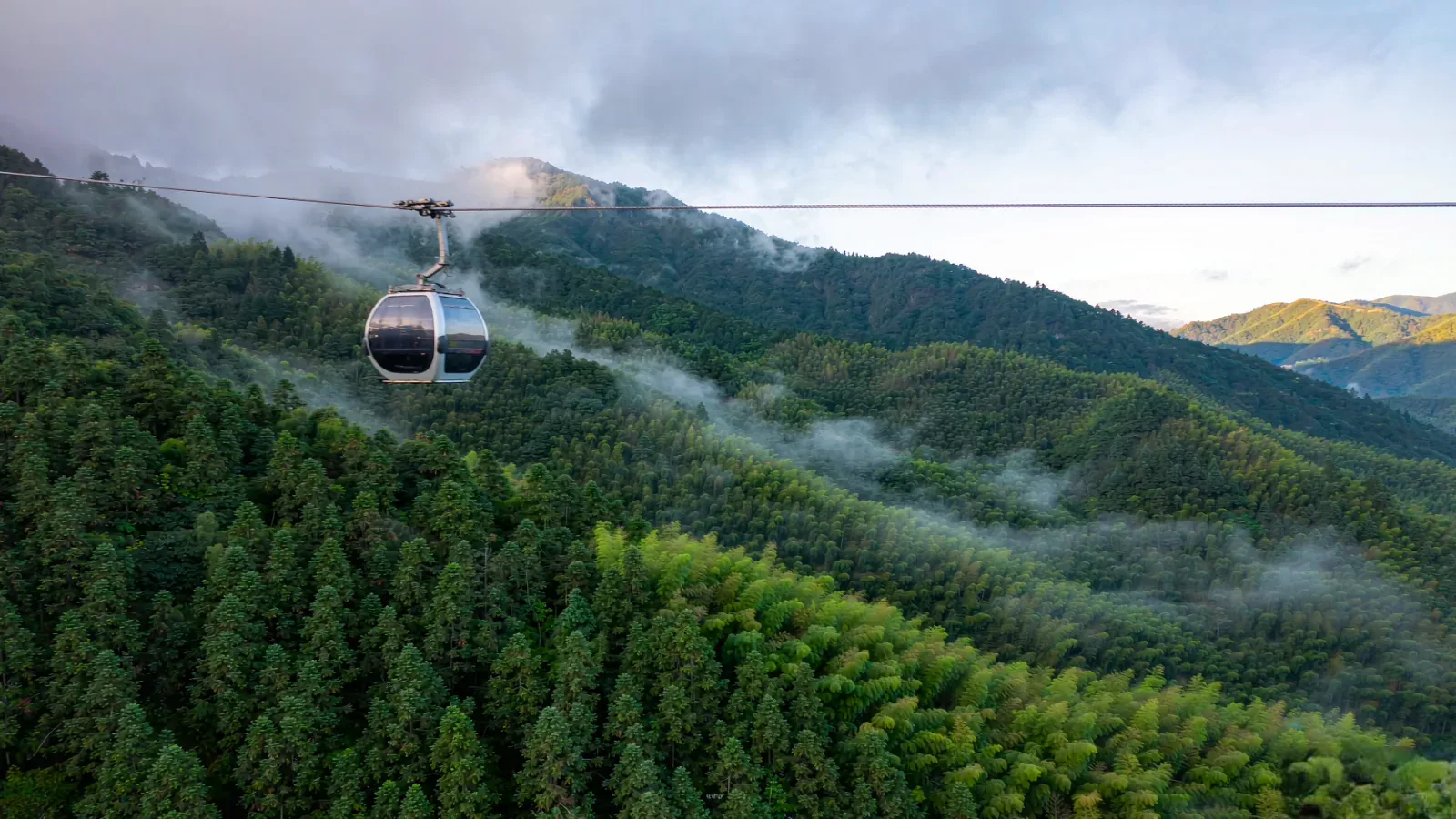
High-speed trains run from Chengdu East or Chengdu South to Emeishan station in roughly 1–1.5 hours. The scenic area then works on internal buses: from the Baoguo visitor centre you can ride most of the way up to cable-car stations at Leidongping or Wannian. A private car from Chengdu takes around 2–2.5 hours and lets you combine the mountain with the Leshan Giant Buddha across two days — the pairing our guests choose most often.
Expect an entry ticket in the approximate range of ¥110–160 depending on season, plus internal bus tickets and cable cars charged separately (cable cars commonly run ¥65–120 each way, higher in peak periods). Hours vary — your guide confirms on the day, and in winter some high sections open later or close for ice. Book summit-area hotels well ahead for sunrise; they are small and fill fast on weekends.
Autumn (September–November) offers the best mix of clear skies and comfortable temperatures; spring is second. Sunrise is likeliest in the cooler, drier months. Summer is green but crowded and rainy; winter delivers snow scenery and the best odds of the famous "Buddha's light" halo phenomenon, with some paths icy. For season-by-season trade-offs, see our Chengdu weather guide.
No. Buses and two cable cars put the summit within reach of most travellers; hiking is optional for those who want the pilgrim routes.
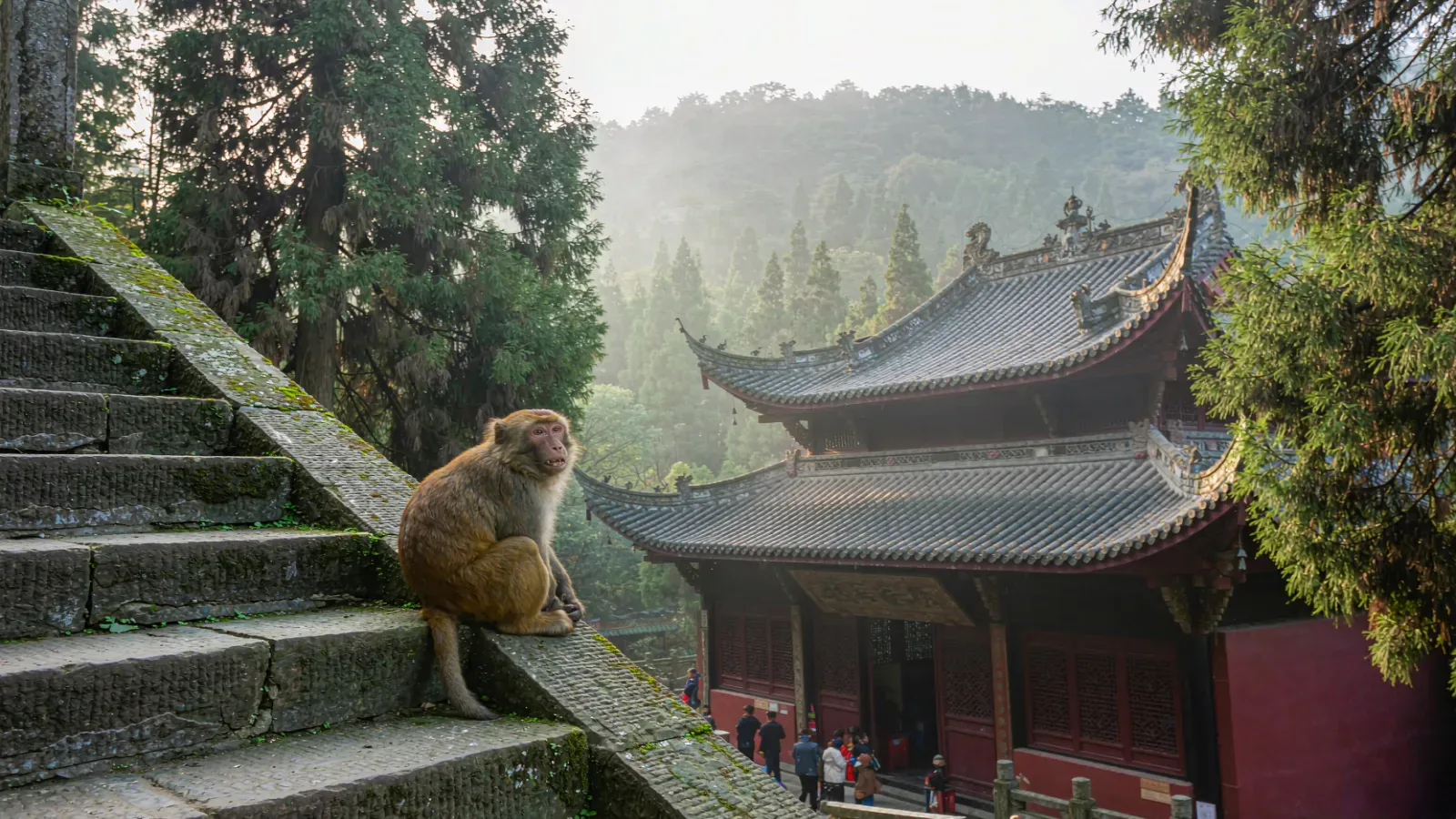
One day covers the summit if conditions cooperate. Two days is far more relaxed and lets you include temple valleys and monkeys.
Typically after rain followed by morning sun — autumn mornings are the statistical favourite, but it is never guaranteed.
Yes, and it is the classic Sichuan pairing. Our Leshan day-trip guide shows the one-day version; for the two-day plan, contact us or meet our local guides.
Tell us your dates, group size and preferences — a dedicated consultant will reach out within 24 hours.