
Guest — sign in to save your enquiries.
My account
Badaling is the most famous and best-preserved section of the Ming Great Wall, a Unesco World Heritage Site just 70 km from Beijing. Its mighty ramparts and sweeping mountain views make it the classic first encounter with the wall. With our private guide and driver, you skip the logistics and cable-car queues, and walk the wall at your own pace.
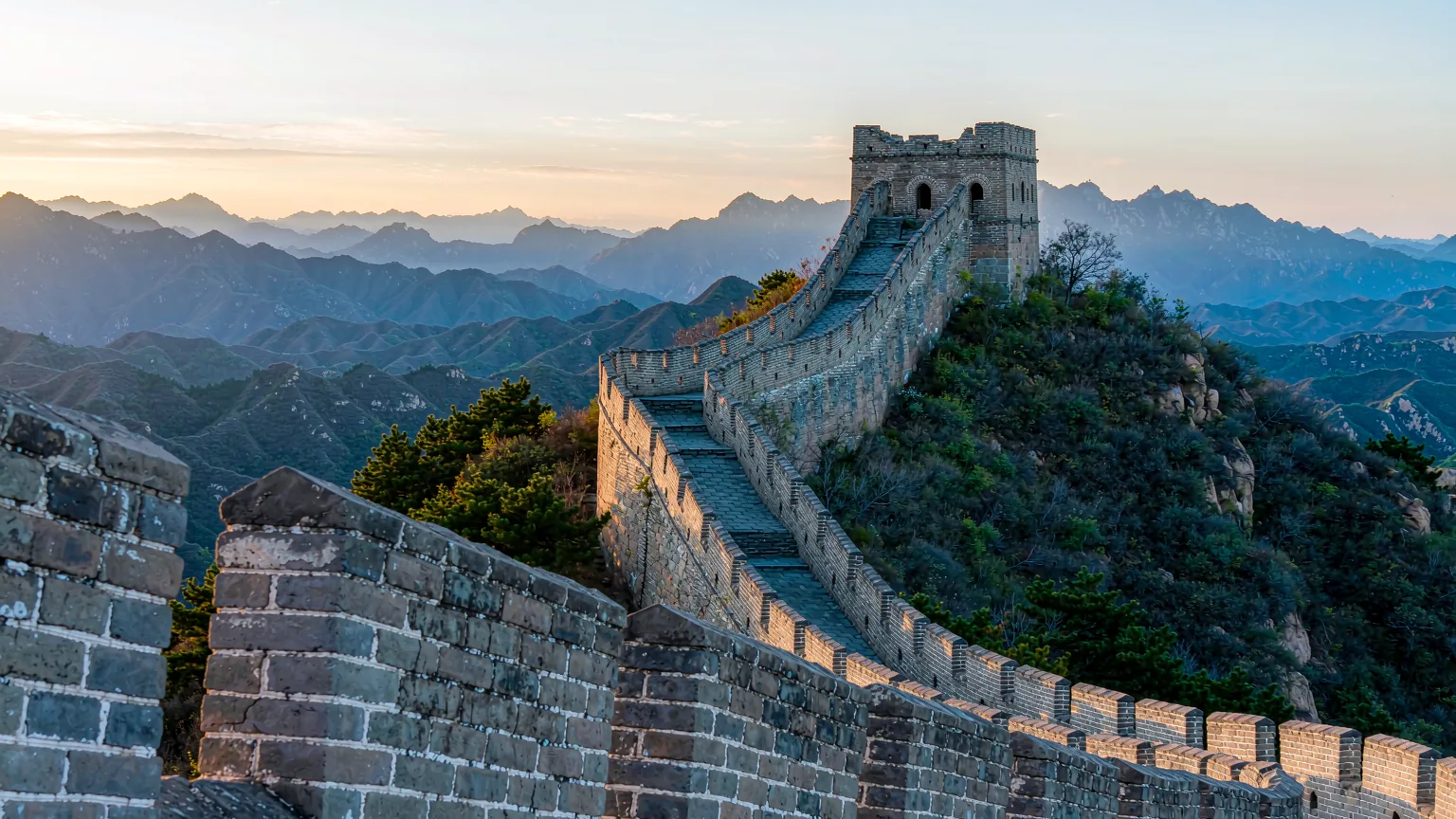
Badaling was built in 1505 during the Ming Dynasty under the supervision of the military strategist Qi Jiguang, who reinforced it with brick and stone to guard the Juyong Pass, a vital gateway to Beijing. The wall here averages 7.8 metres high and 6.5 metres wide, with watchtowers placed at regular intervals. In 1957 it became the first section of the Great Wall opened to tourists, and it has since hosted more than 300 foreign heads of state, cementing its status as China's signature monument.
Today Badaling is a 5A-rated scenic area with two main circuits: the gentler south route and the steeper, more dramatic north route, where the iconic 'Hero Slope' climbs to a high point with panoramic views. Cable cars and a pulley system ease the ascent, while paved walkways and handrails make it manageable for most fitness levels. As one of the most visited attractions in China, it can draw 80,000 people on peak days, so timing and route choice matter.
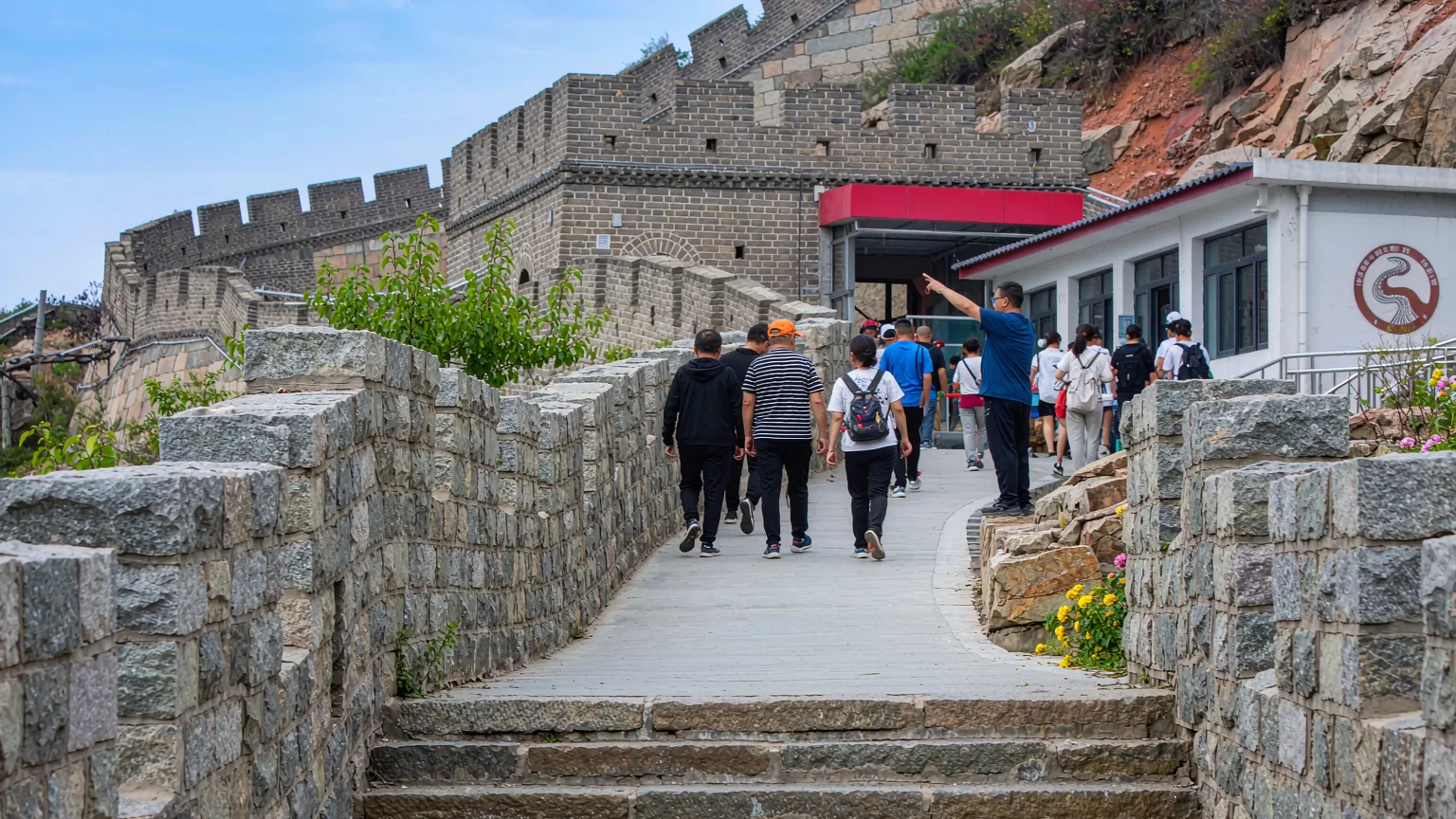
Badaling lies about 70 km northwest of central Beijing. The most comfortable option is a private car or taxi (roughly 1.5 hours each way), which our guides arrange with a driver who waits for you. Alternatively, high-speed trains run from Beijing North Railway Station to Badaling Great Wall Station in about 35 minutes, followed by a short shuttle. Many travellers combine it with a stop at the Ming Tombs or a photo stop at the Juyong Pass, making a full but rewarding day.
Admission is ¥40 in peak season (April–October) and ¥35 in low season (November–March). Opening hours are 6:30–16:30 in peak season and 7:00–16:00 in low season, with last entry about an hour before closing. Book online in advance via the official WeChat account or a booking platform, as daily visitor caps apply. Foreign cards are not accepted at the gate; use WeChat Pay or Alipay linked to an international card, or bring cash as backup.
The best time to visit is spring (April–May) or autumn (September–October), when temperatures are mild and the hills are green or golden. Avoid Chinese public holidays and weekends if possible. On any day, arrive at opening time (6:30–7:00) to beat the tour groups, or come after 14:00 for softer light and fewer crowds. Winter offers crisp, clear views but can be icy and windy.
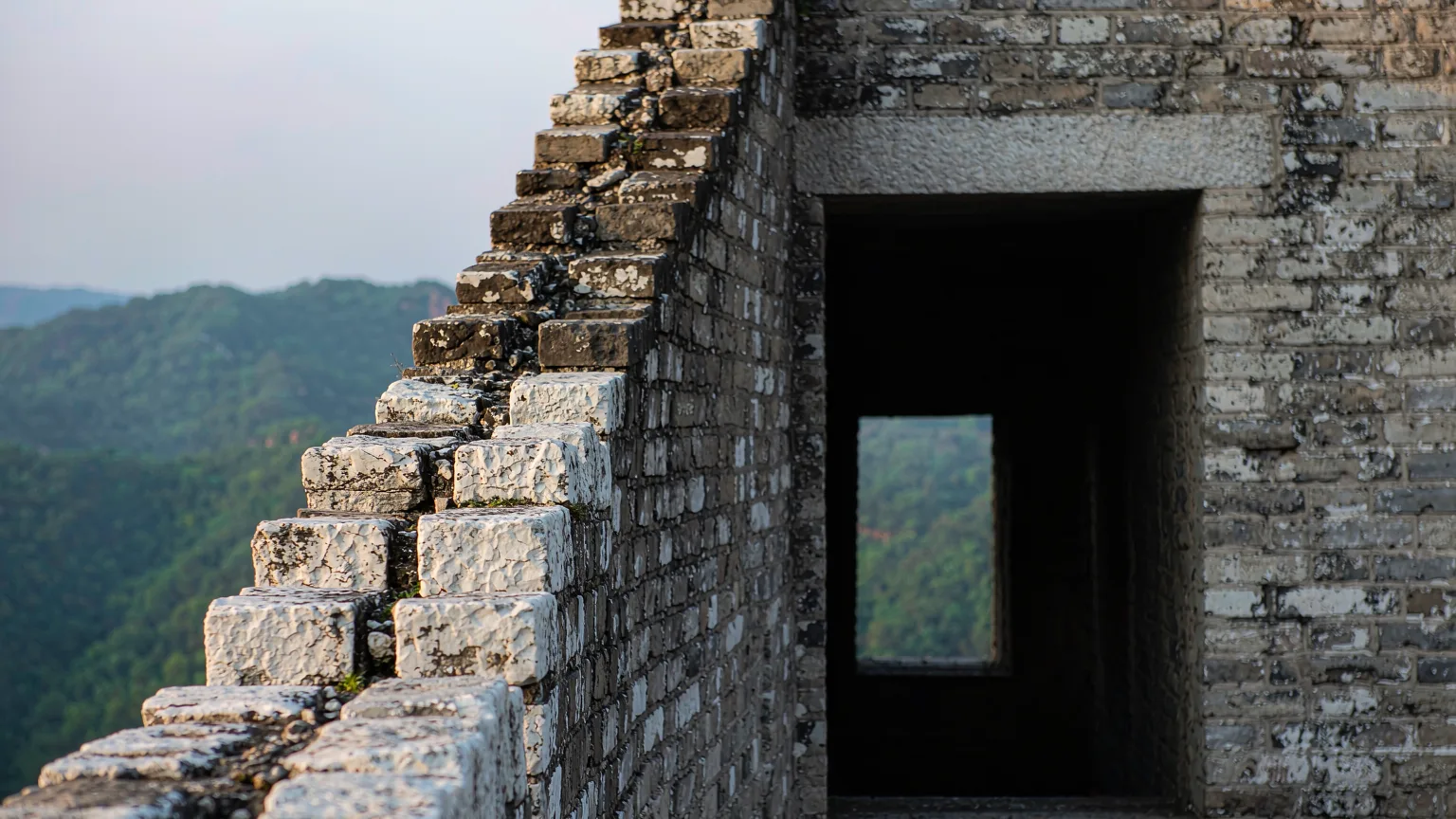
Most visitors spend 3–4 hours on the wall, including the climb, photos and a stroll through the museum. Add 3 hours for round-trip transport from Beijing, making it a half- to full-day trip.
Yes, but public transport involves multiple changes and long walks. A private guide and driver simplify the day, handle tickets and timing, and can combine the wall with nearby sights.
Yes, with planning. The cable car and south route are manageable for most ages. The north route's steep sections are challenging for very young children or those with knee issues.
Passport, comfortable walking shoes, water, sun protection and a light jacket. In winter, add gloves and a hat. Cash or a mobile payment app is useful for snacks and souvenirs.
Tell us your dates, group size and preferences — a dedicated consultant will reach out within 24 hours.