Guest — sign in to save your enquiries.
My account
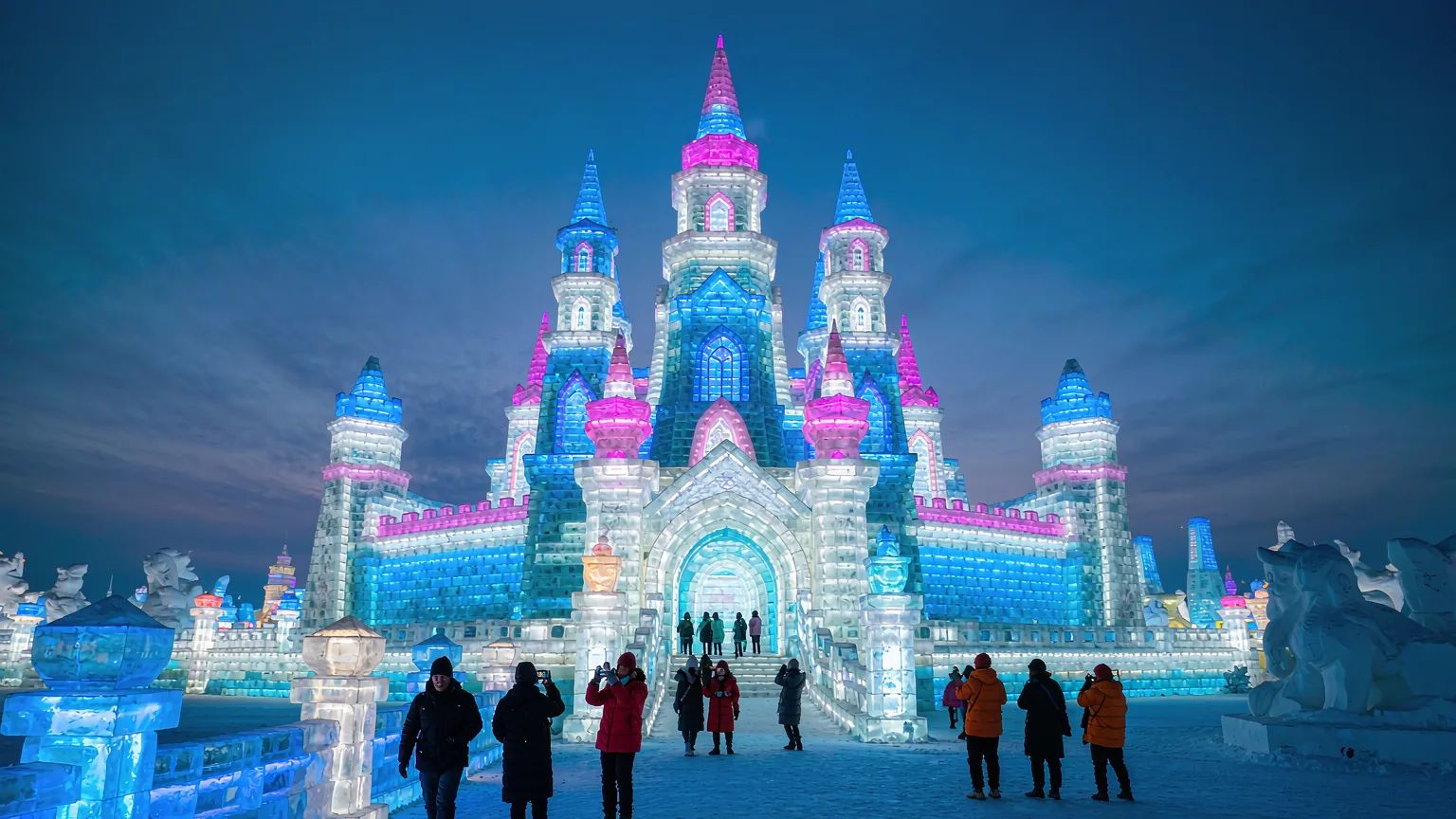
Harbin turns winter into spectacle: the Ice and Snow World's full-size illuminated palaces, Russian-built churches, and a frozen Songhua River you can walk across. Add a steaming guobaorou lunch and you have China's quirkiest city break. Best visited December to February, for the cold-hardy.
Harbin, the capital of Heilongjiang Province in northeast China, is a city of ice and snow, known as the 'Ice City'. Founded in 1898 as a railway town on the Chinese Eastern Railway, it quickly grew into a vibrant metropolis with a unique blend of Russian, European, and Chinese influences. Its name comes from the Manchu word meaning 'a place for drying fishing nets', reflecting its origins as a fishing village on the Songhua River.
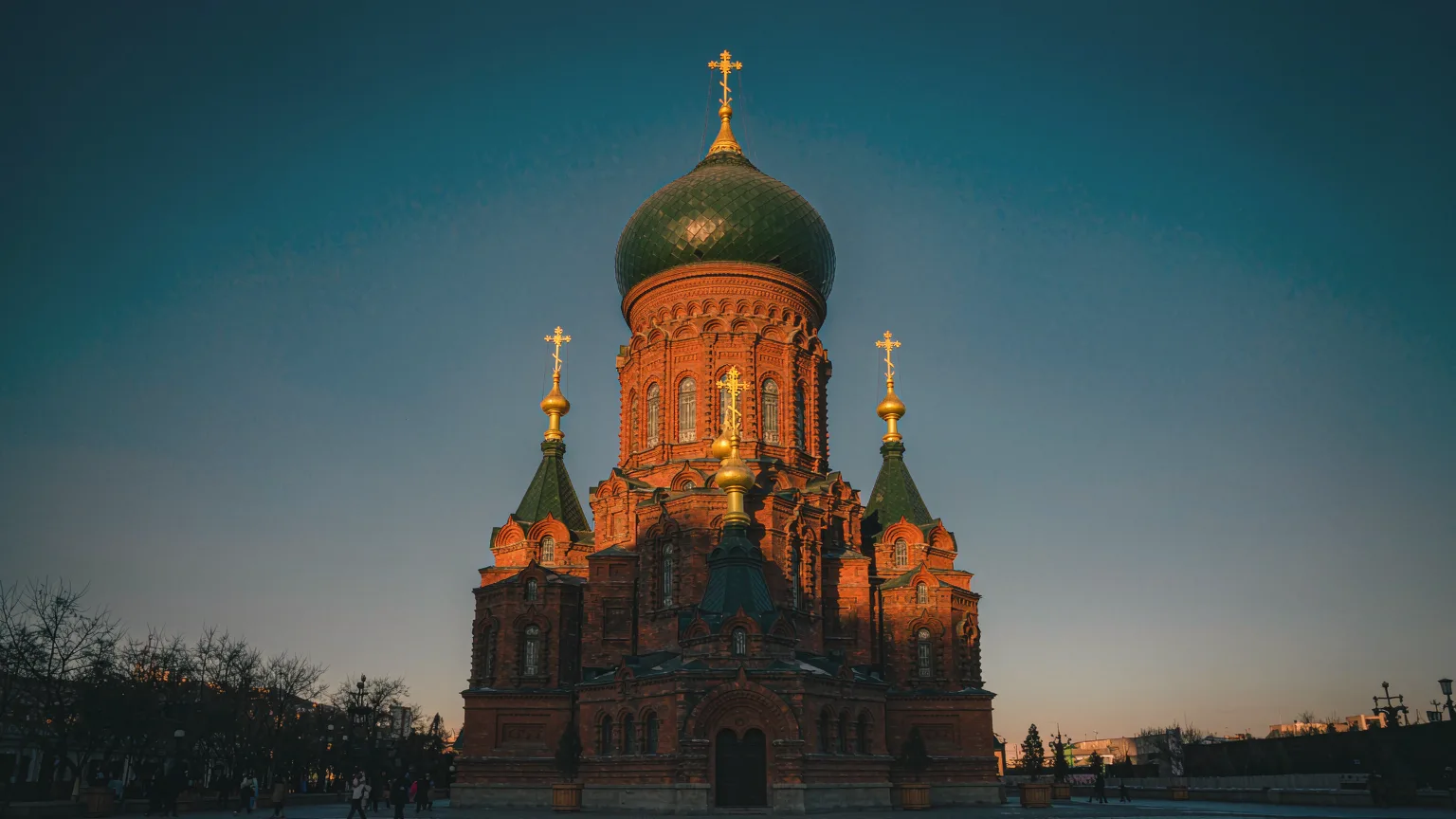
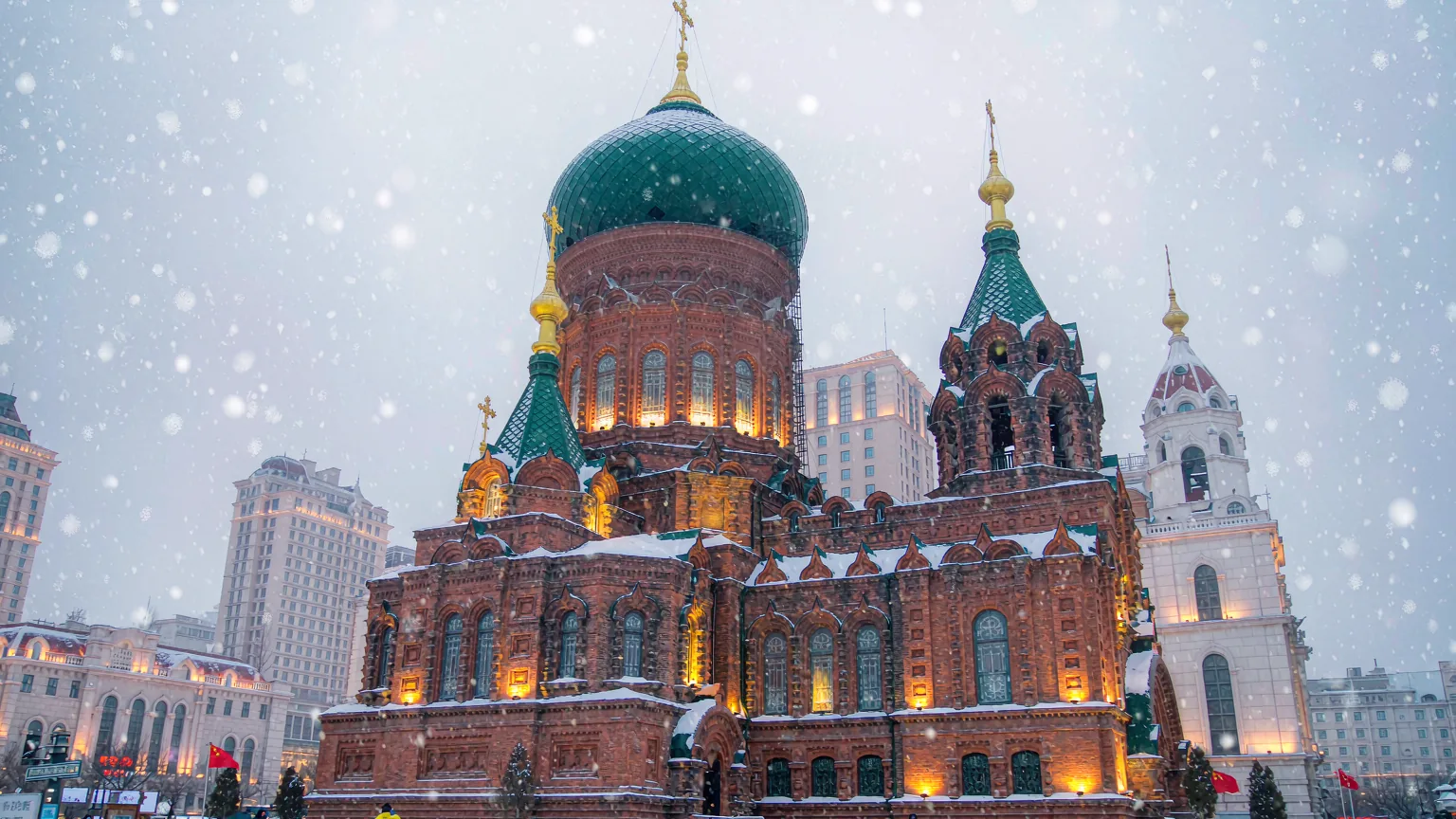
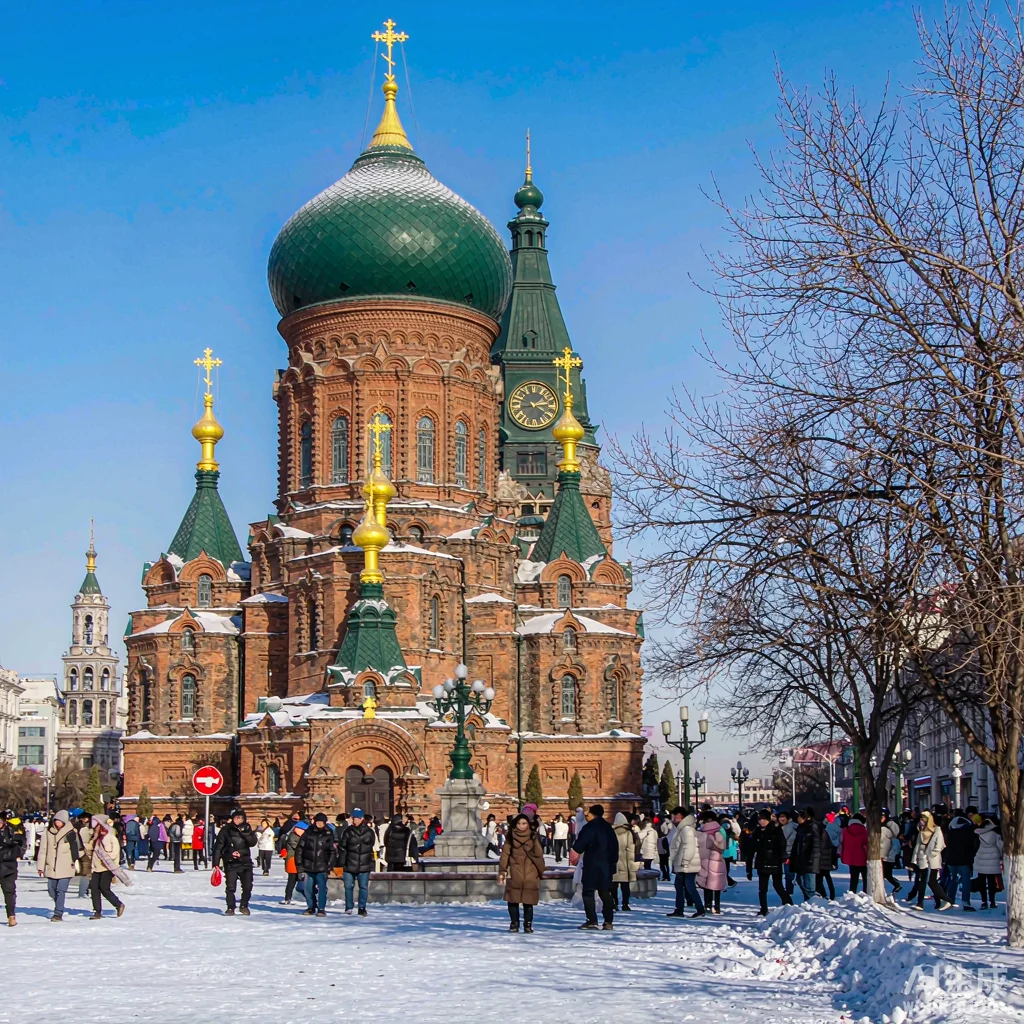
The city is divided into nine urban districts, each with its own character. Daoli and Daowai districts, on the south bank of the Songhua River, form the historic core, home to the famous Central Street and Saint Sophia Cathedral. Nangang and Xiangfang are bustling commercial and educational hubs, while Songbei, on the north bank, hosts the world-renowned Harbin Ice and Snow World. The city's layout is shaped by the river and its railway heritage.
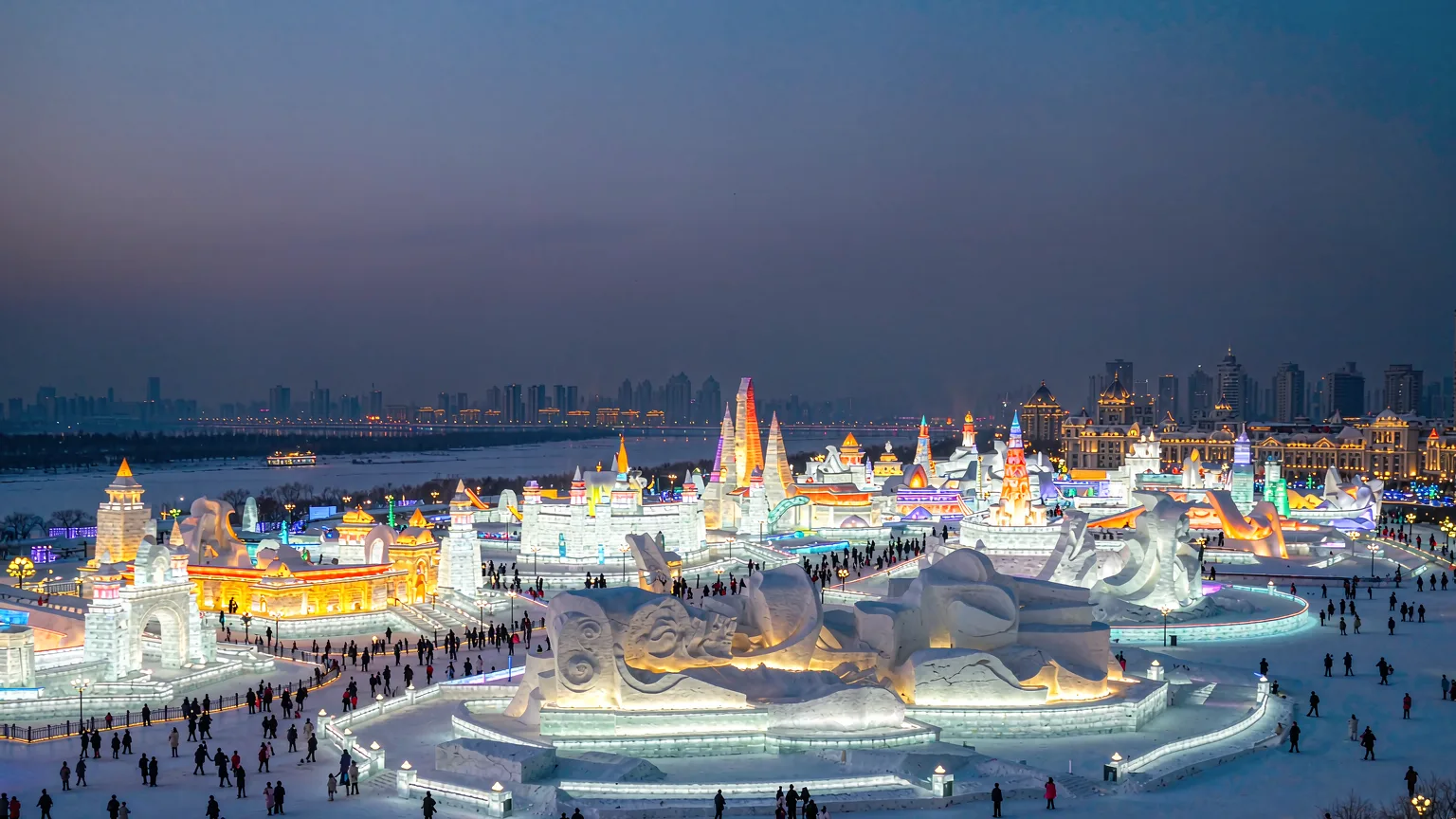
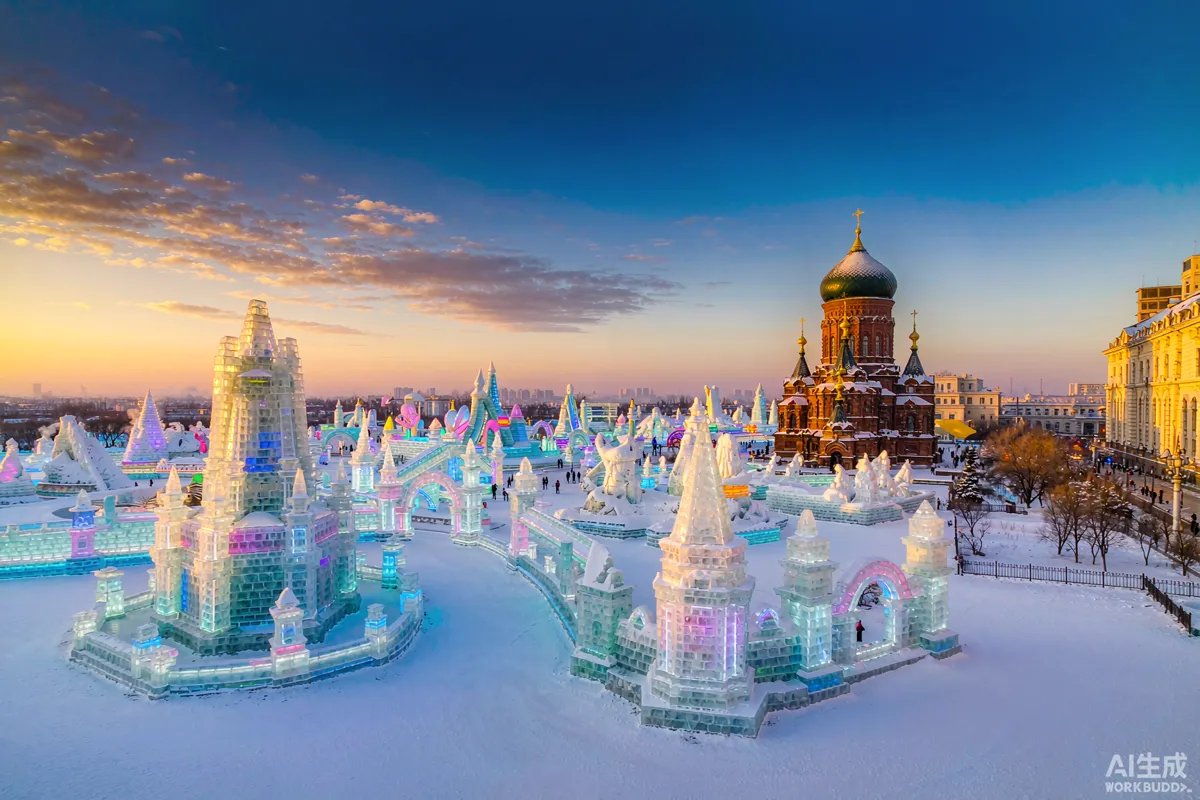
Visitors flock to Harbin for its spectacular winter festivals, but the city offers year-round delights. In winter, the Ice and Snow World transforms into a fairy-tale kingdom of illuminated sculptures, and skiers head to nearby Yabuli. In summer, the cool climate makes it a pleasant escape, with the Harbin International Beer Festival and the serene Sun Island. The city's architecture, from Baroque to Byzantine, and its hearty cuisine, influenced by Russian and Jewish traditions, create a truly unique travel experience.
Harbin covers an area of 53,100 square kilometers and has a population of over 9.8 million. It is divided into 9 urban districts, 2 counties, and 3 county-level cities. The city is famous for its Ice and Snow Festival, one of the world's largest, and its well-preserved European-style architecture.

Ice and Snow World · Saint Sophia · Central Street · Sun Island
View details →
Laodaowai · Saint Sophia · Jewish Culture · Intangible Cultural Heritage Experience
View details →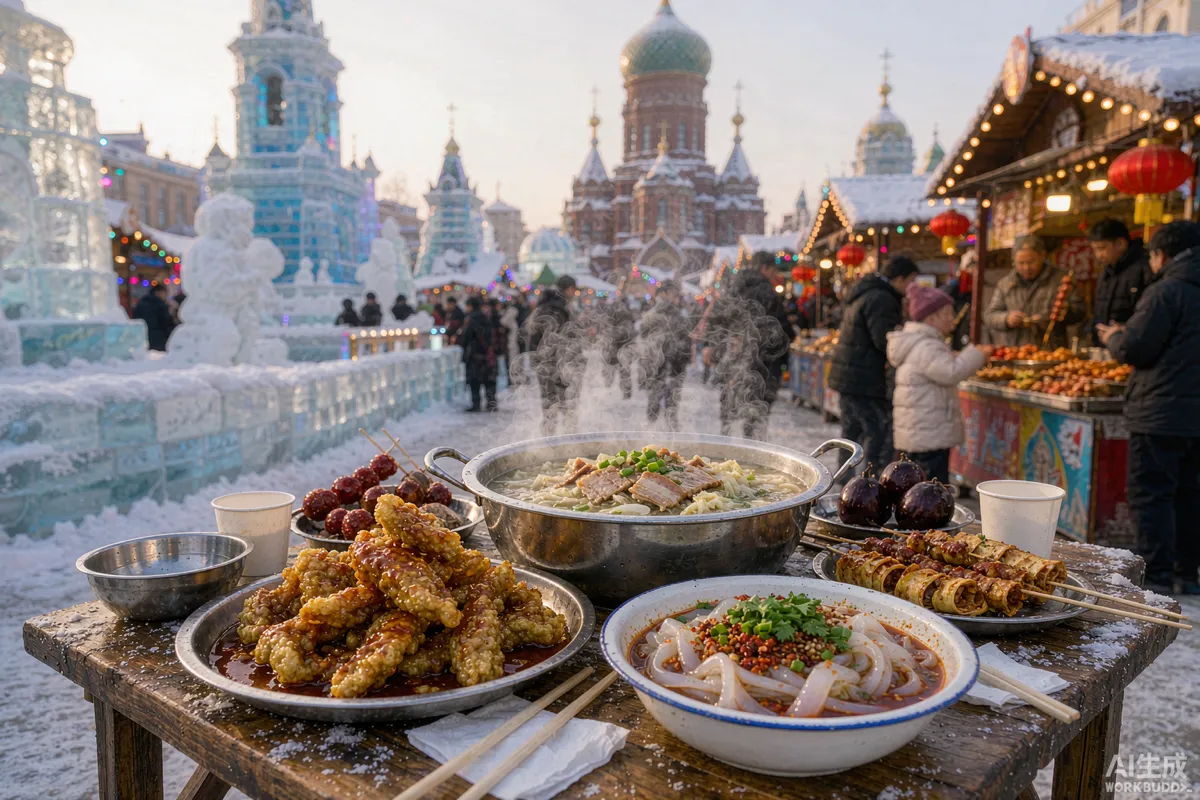
Guo Bao Rou (Sweet and Sour Pork) · Red Sausage · Food Market · Northeast Morning Market
View details →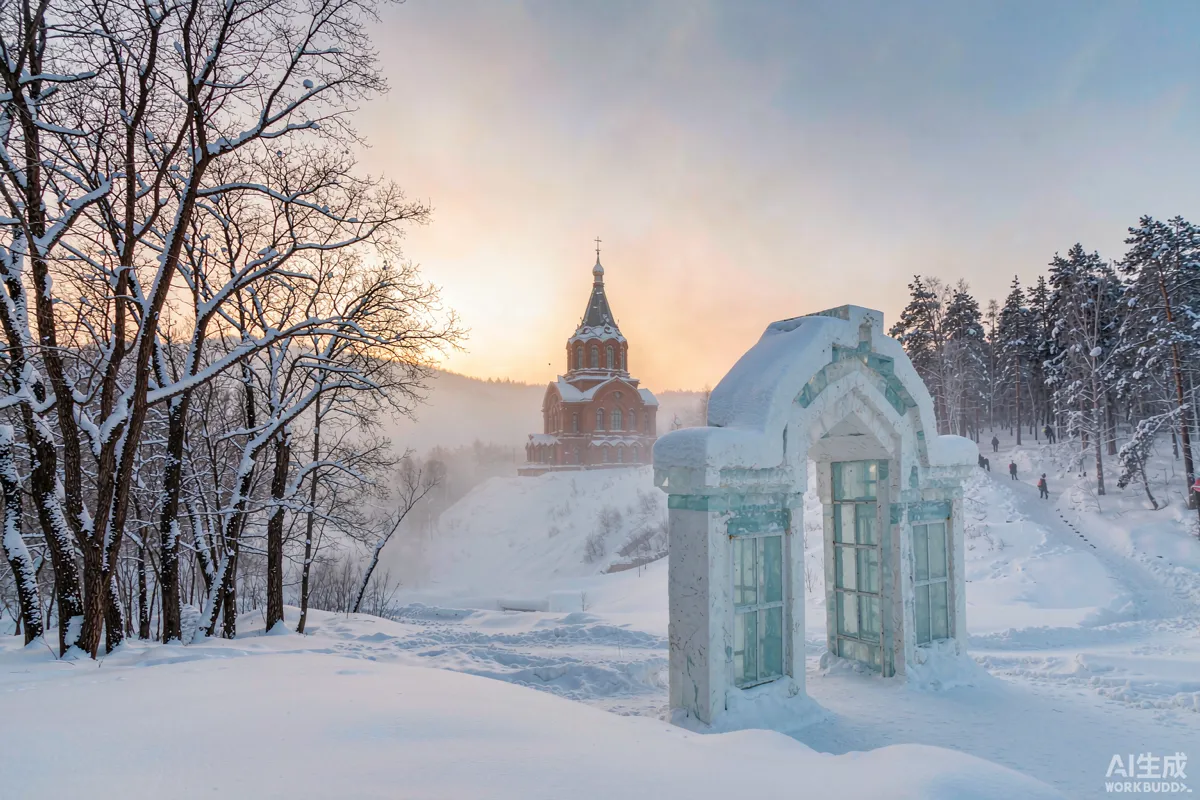
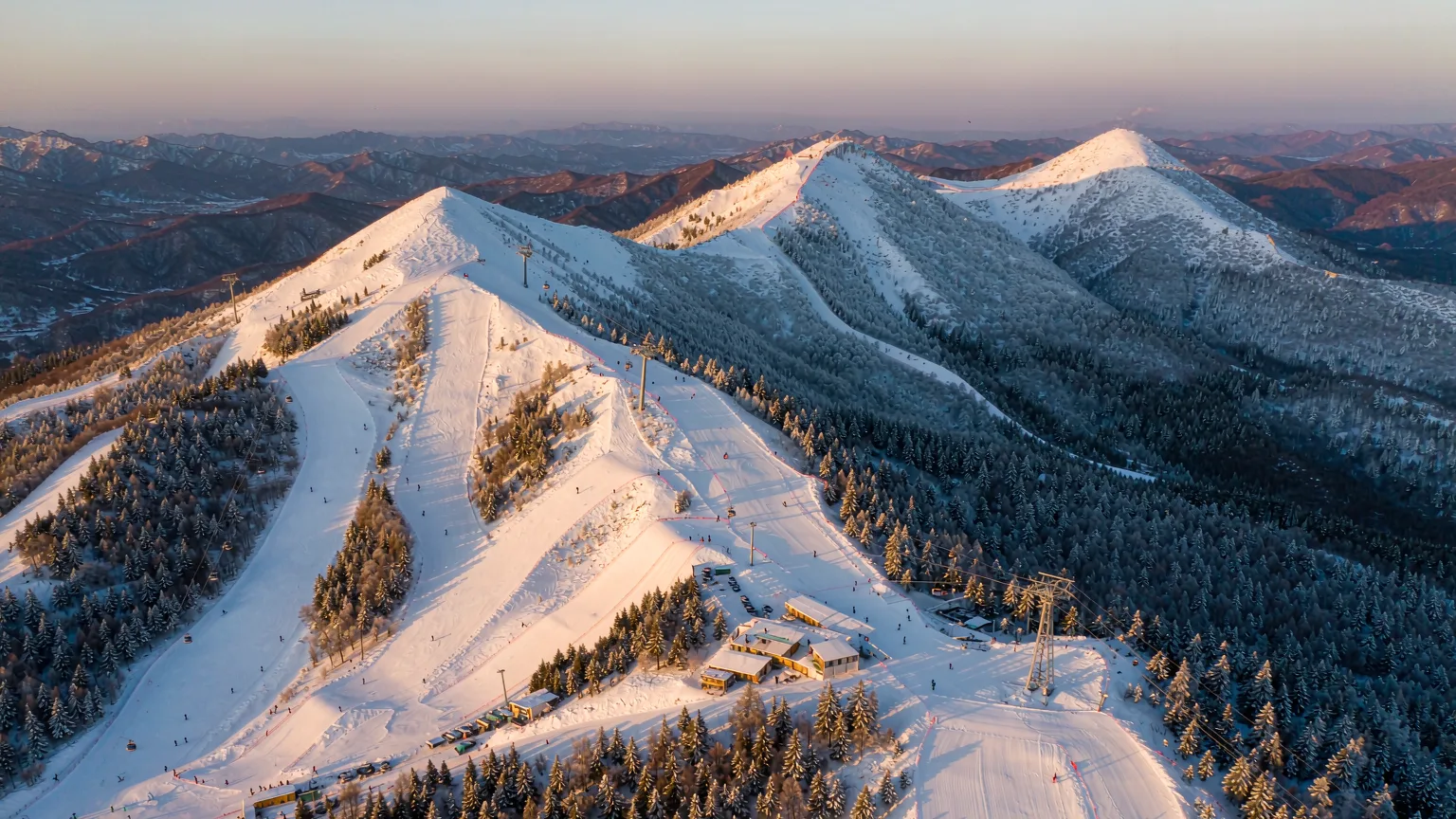
Yabuli Skiing · Snow Town · Forest Hiking · Photography
View details →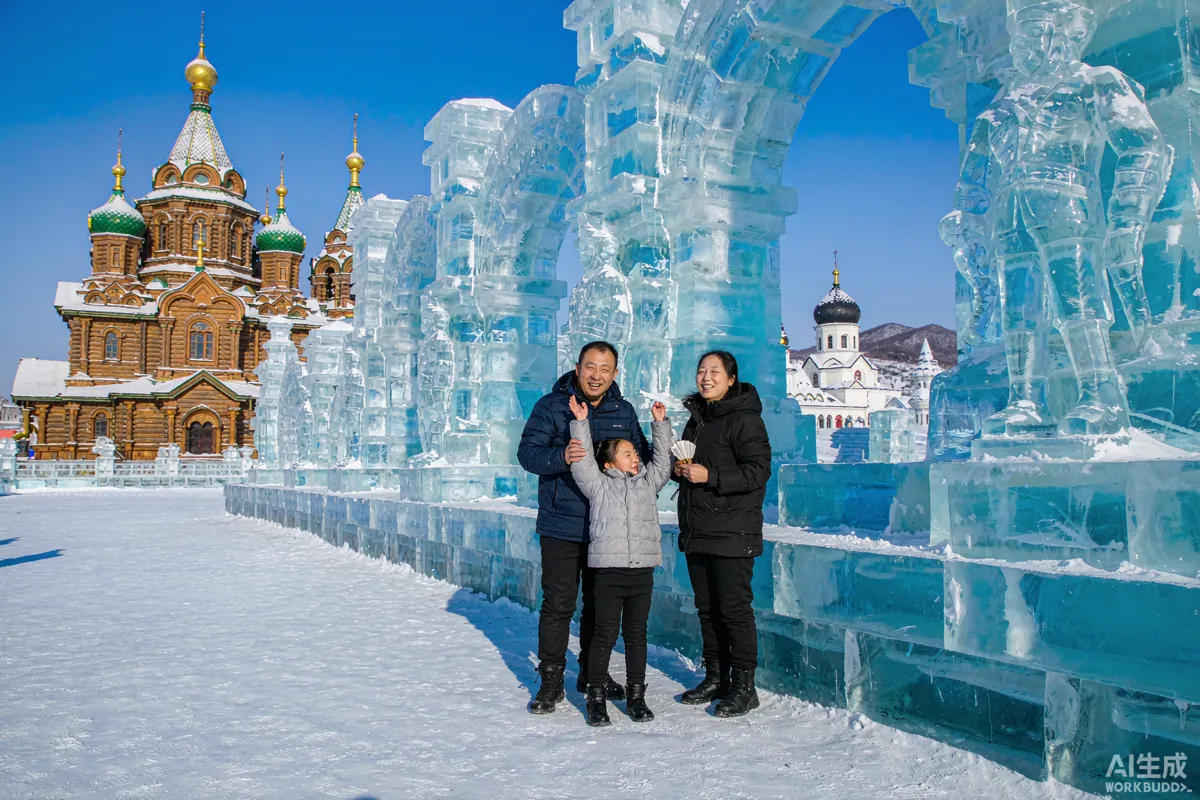
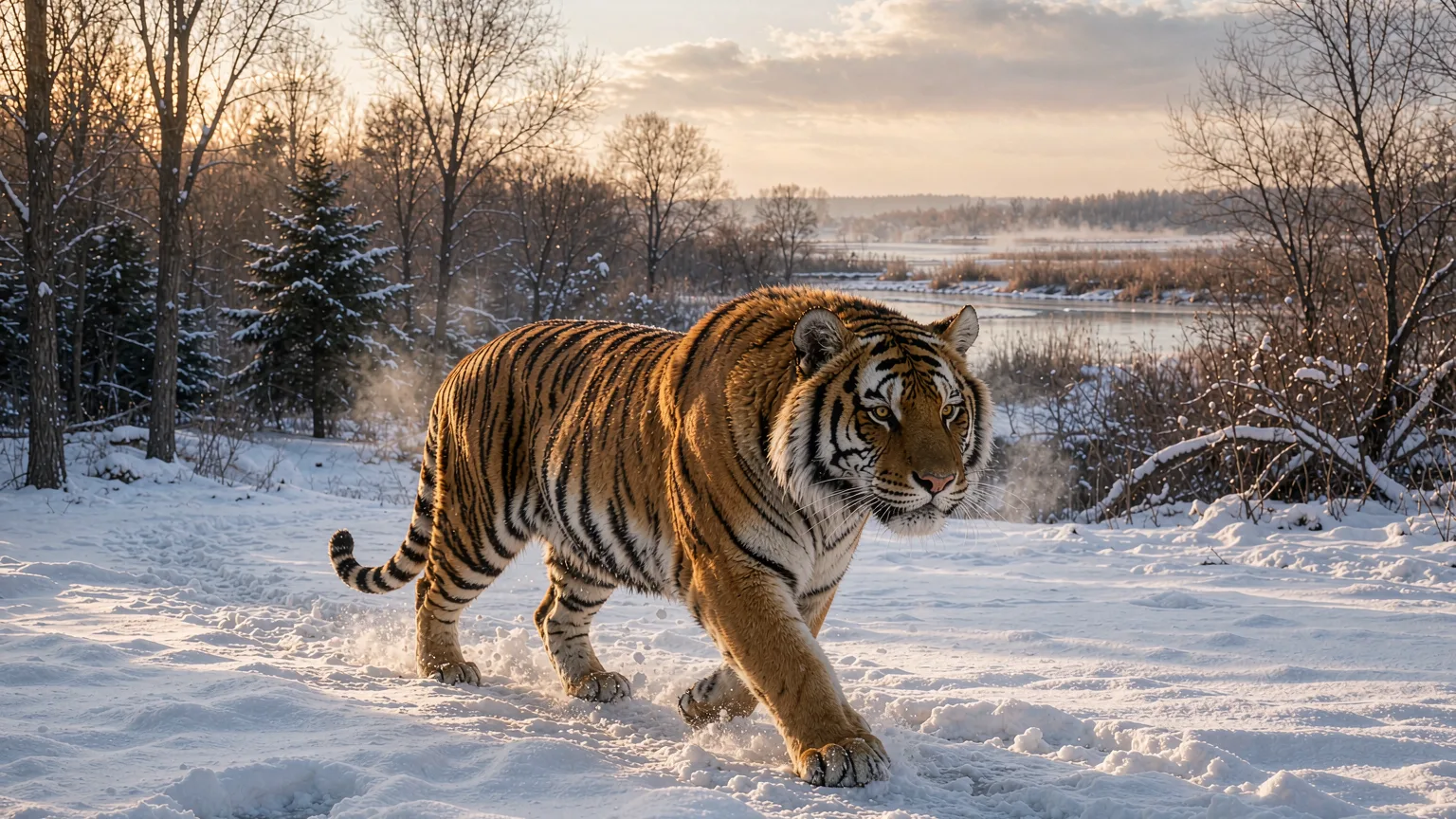
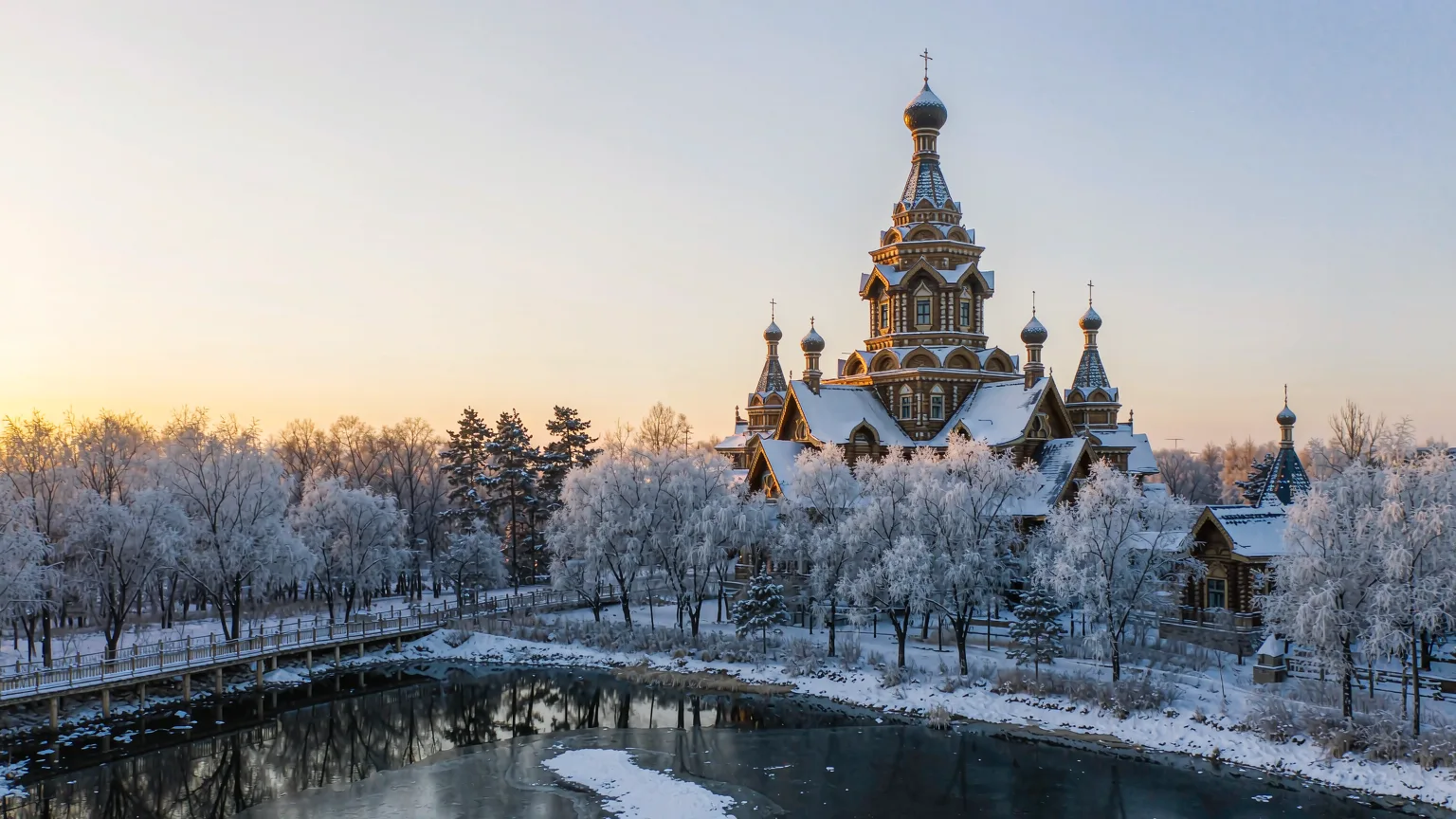
Ice and Snow World · Siberian Tiger Park · Volga Manor · Family Activities
View details →| Fleet | Airport pickup & drop-off | Chauffeur by the day | Intercity transfers |
|---|---|---|---|
 Economy | from $110Book → | from $350Book → | from $220Book → |
 Comfort | from $176Book → | from $560Book → | from $352Book → |
 Luxury | from $264Book → | from $840Book → | from $528Book → |
 Special vehicles | For groups of 7+, please contact our trip designer for a quote | ||
prices may vary by date & route
Harbin is the political, economic, and cultural center of northeast China. Its history is tied to the Russian-built Chinese Eastern Railway, which brought architects, engineers, and merchants from Europe, leaving a legacy of stunning architecture. The city is often called the 'Moscow of the East' or 'Oriental St. Petersburg'.
The Songhua River divides the city into north and south. The south bank is the older, more densely populated area with most attractions, while the north bank (Songbei) is a newer development zone home to the Ice and Snow World and the Harbin Grand Theatre. The city's nine districts each offer a different slice of life, from the historic charm of Daoli to the industrial vibe of Pingfang.
Harbin Taiping International Airport (HRB) is about 35 km from the city center, with flights to major Chinese cities and some international destinations. The airport is connected by the Airport Express bus and taxi. Harbin is also a major railway hub, with high-speed trains from Beijing (about 5 hours), Shanghai (about 11 hours), and other cities. The city has a comprehensive metro system, buses, and taxis.
Within the city, the metro is the fastest way to get around, with lines connecting the main attractions. Line 1 and Line 2 are useful for tourists. Buses are cheap but can be crowded. Taxis are plentiful, but be prepared for traffic during peak hours. Ride-hailing apps like Didi are also available. In winter, walking on icy streets requires caution; wear shoes with good grip.
Harbin's cuisine is hearty and influenced by Russian, Jewish, and northeastern Chinese traditions. Must-try dishes include Harbin red sausage (hongchang), a smoked sausage with a distinct flavor; guo bao rou (sweet and sour pork), a local specialty; and Russian-style borscht, a beetroot soup. The city is also known for its dairy products, like the popular Madieer ice cream, and its bakeries selling da lie ba (big bread).
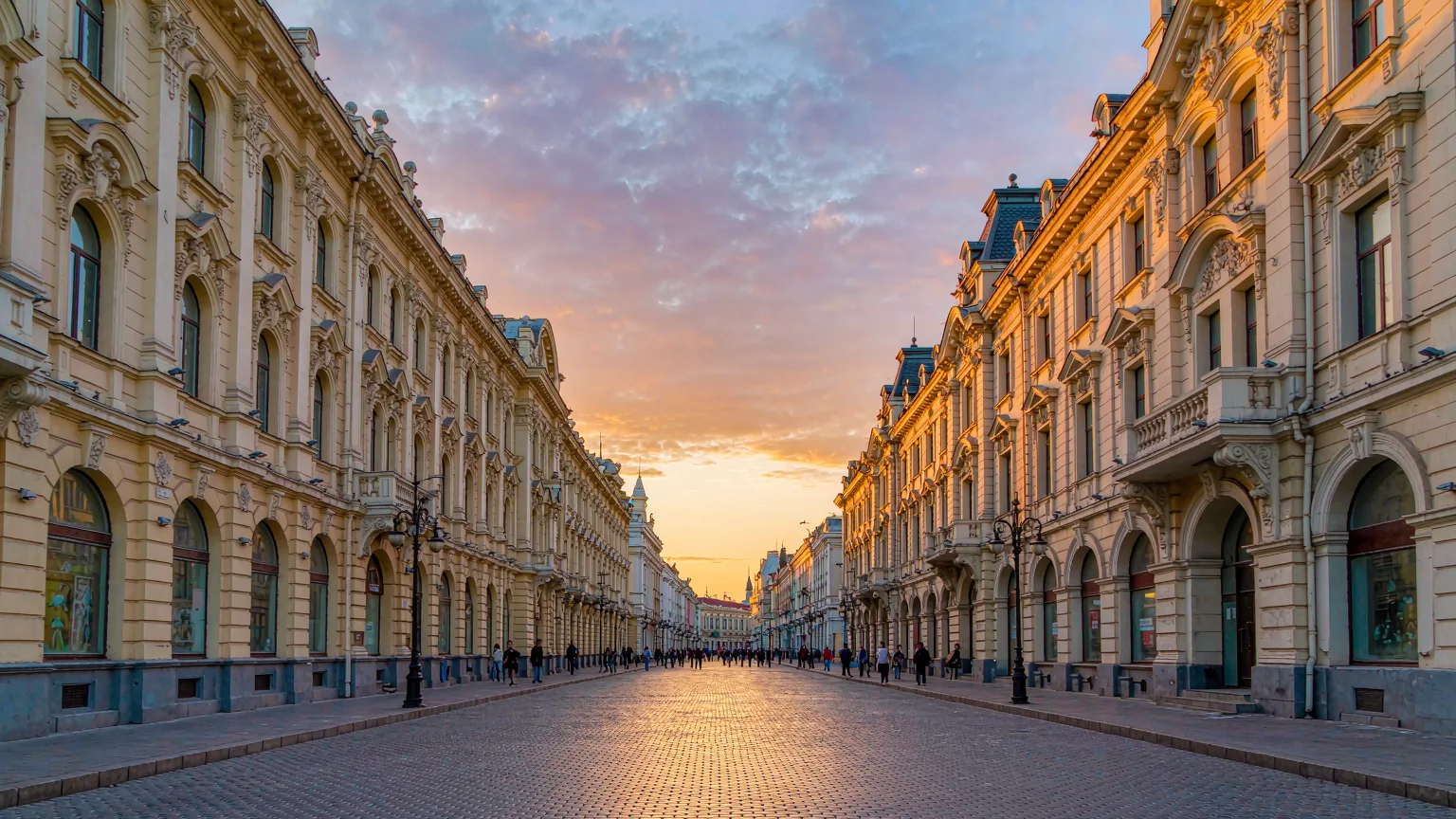
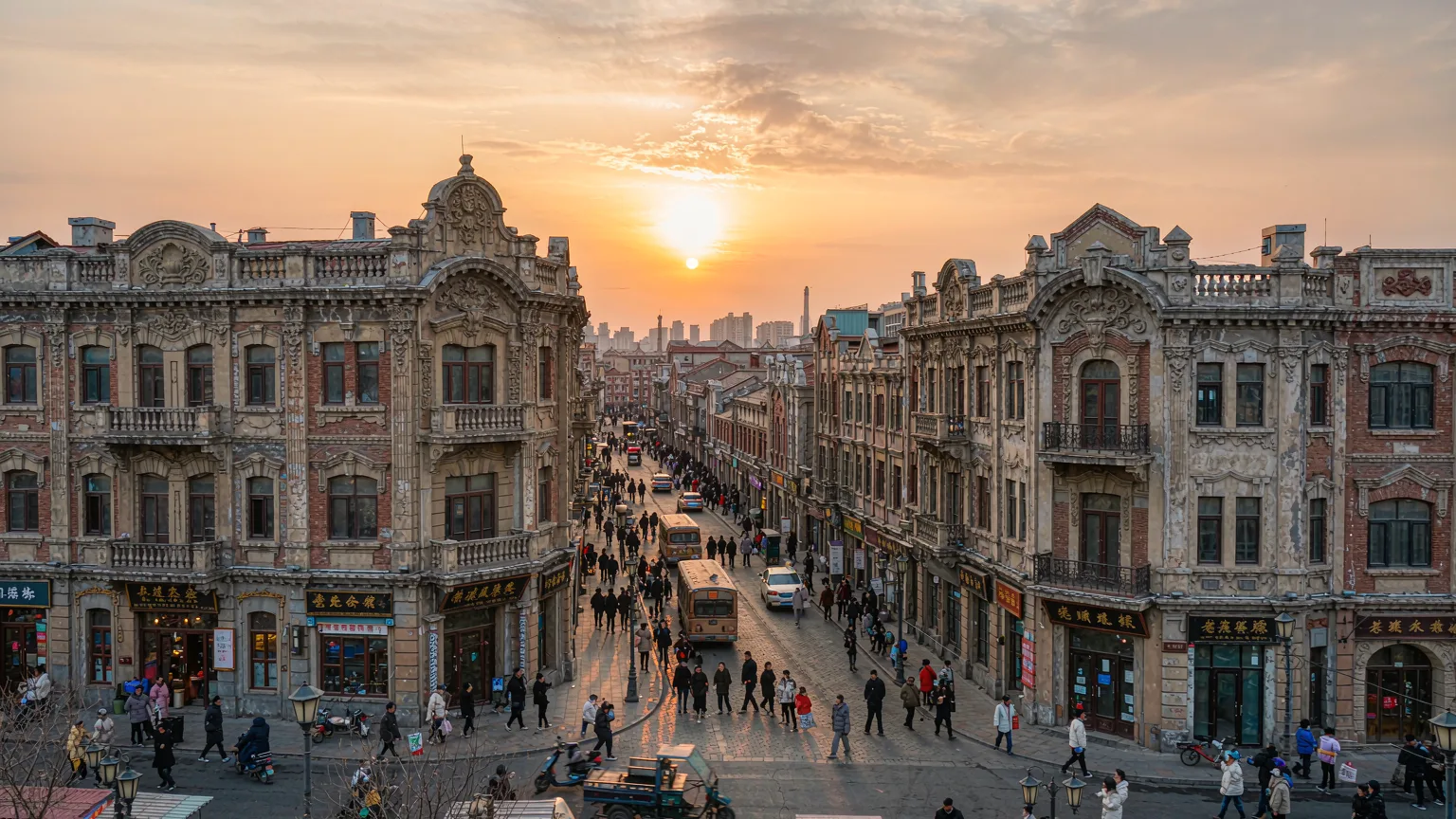
Harbin offers a mix of modern malls and historic shopping streets. Central Street (Zhongyang Dajie) is the main pedestrian shopping area, with European-style buildings housing shops, restaurants, and souvenir stores. For a more local experience, visit the Lao Daowai Chinese Baroque Historic District, where you can find traditional crafts and snacks. Modern shopping centers like Chunxi Road Taikoo Li and Mykal are also popular.
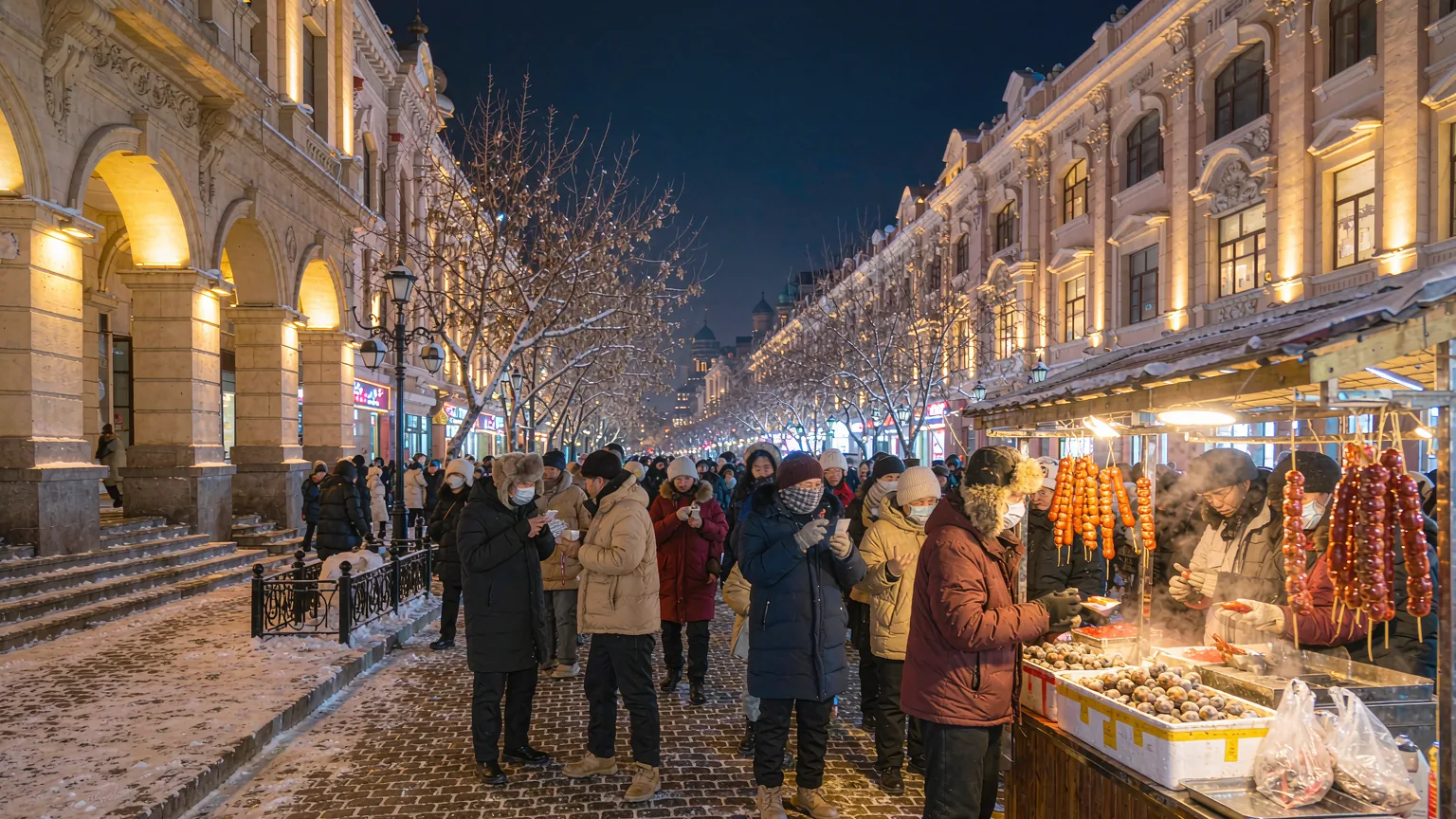
Harbin's nightlife is vibrant, especially during the winter festival season. The Ice and Snow World is a nighttime spectacle, with illuminated ice sculptures. For a more traditional experience, take a stroll along the Songhua River or visit the Saint Sophia Cathedral, which is beautifully lit at night. The city also has a growing number of bars, clubs, and live music venues, particularly around Central Street and the university areas.
The best time to visit Harbin depends on your interests. Winter (December to February) is the most popular season for the Ice and Snow Festival, but temperatures can drop to -30°C. Summer (June to August) is pleasant and cool, ideal for escaping the heat of southern China. Spring and autumn are short but offer mild weather and fewer crowds.
| Period | Temperature | Conditions |
|---|---|---|
| Mar–May | 6-22°C | Spring is short and windy, with melting snow and occasional dust storms. Dress in layers. |
| Jun–Aug | 18-28°C | Summer is warm and humid, with occasional rain. It's a great time for outdoor activities and the beer festival. |
| Sep–Nov | 5-20°C | Autumn is cool and colorful, with crisp air. Early October can be crowded due to National Day holidays. |
| Dec–Feb | -25 to -10°C | Winter is freezing cold but magical, with the Ice and Snow Festival. Pack heavy winter gear. |
Every private guide is licensed and vetted. Choose a tier that fits your trip — rates are per guide, per day, in USD.
A dependable all-rounder for an easy, well-planned day.
An experienced specialist with deeper local insight.
A senior expert — and, on request, medical-travel accompaniment.
Hand-picked, licensed guides based right here. Tap book to start a conversation and lock in your dates.
Most travellers spend 2-4 days in Harbin, though many stay longer once they arrive. If you want to combine Harbin with other cities — pandas, mountains, food streets — our consultants design one private itinerary at your own pace.
Yes. MyGuideTrip arranges vetted, licensed local guides in Harbin and across China. Your guide speaks fluent English, stays with you for the entire trip, and handles tickets, transport and restaurant picks. Meet them on the Guides page.
Harbin is best known for an evening at Harbin Ice and Snow World. The recommended itineraries below cover these highlights with smart timing to beat the crowds.
Send us your dates, group size and interests — a dedicated consultant replies within 24 hours with a tailor-made Harbin itinerary covering guide, driver, hotels and tickets. Start with a free consultation below.
Tell us a little about your trip and we'll get back to you within 24 hours.
We'll reply within 24 hours.