
Guest — sign in to save your enquiries.
My account
Volga Manor is a sprawling Russian-themed estate on the outskirts of Harbin, where faithfully rebuilt wooden churches, manor houses and bridges evoke the city's White Russian past. It's especially magical in winter, when snow-dusted onion domes and frozen ponds feel like a tsarist fairytale. With our private guide and driver, you'll skip the taxi hassle and hear the stories behind each building.
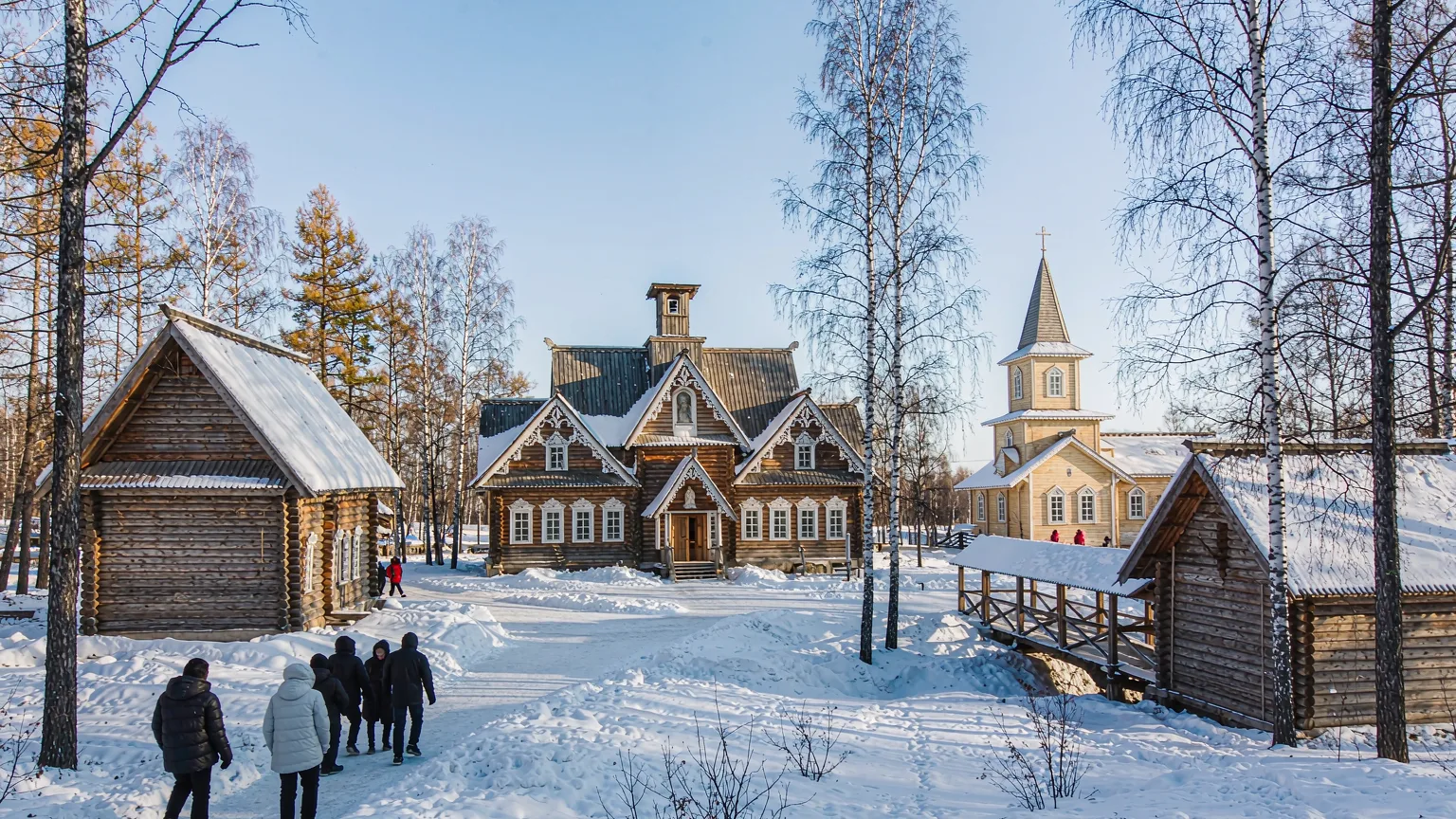
Volga Manor (伏尔加庄园) was created in the early 2000s as a cultural park celebrating Harbin's Russian heritage. The city grew around the Chinese Eastern Railway, built by Russia in the late 19th century, and once had a large Russian émigré community. The estate's centrepiece is a replica of St. Nicholas Church, a grand Orthodox cathedral that stood in central Harbin until it was destroyed during the Cultural Revolution. Other reconstructed buildings include a Russian-style manor, a bell tower, and traditional wooden houses, all set among gardens and waterways.
The manor covers about 60 hectares along the Ashi River, roughly 20 kilometres southeast of downtown Harbin. It's a 4A-rated attraction, popular for weddings and photography, and offers restaurants, a hotel, and seasonal activities such as ice skating and snow tubing. In summer, the grounds are green and quiet; in winter, they transform into a snowy wonderland with ice sculptures and a frozen river. The architecture is not ancient, but it's an evocative tribute to a lost era, and our guides can separate fact from romantic legend.
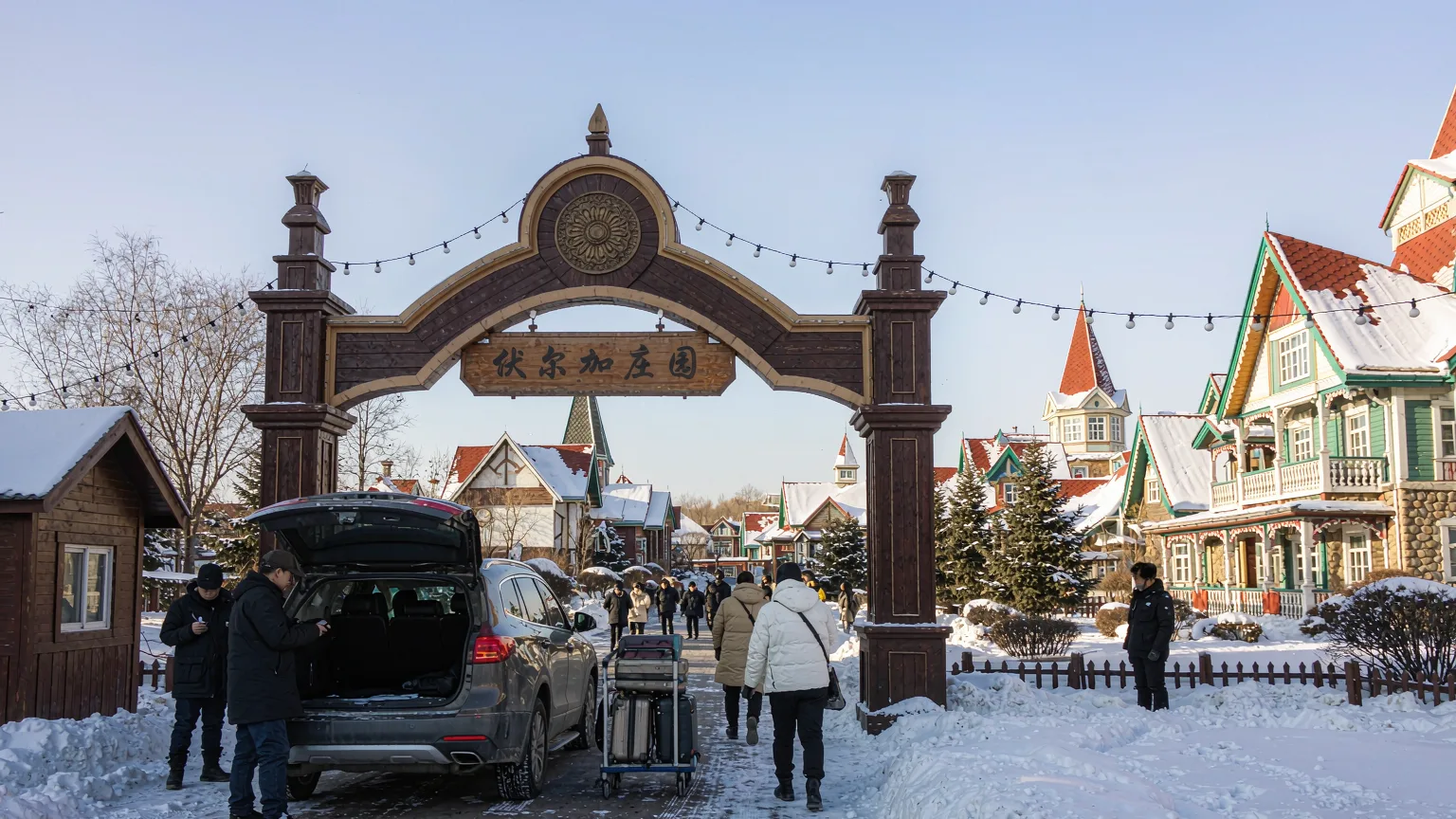
Volga Manor is about 20 km southeast of central Harbin, near the Ashi River. The easiest way is by private car or taxi (around 40–60 minutes, ¥80–120 each way), but taxis back can be scarce, so we arrange a private driver who waits. Some public buses run from the city, but they're slow and infrequent. We usually combine it with a morning visit to the Harbin Ice and Snow World in winter, or with the Siberian Tiger Park in summer, making a full day of it.
Admission is ¥100–150 depending on season and included activities; winter ice/snow attractions may cost extra. Opening hours are typically 9:00–17:00, with longer hours during the Ice and Snow Festival (early January to late February). Book through our guide to avoid queueing, especially on weekends.
Foreign cards are rarely accepted at the gate; use WeChat Pay or Alipay linked to an international card, or bring cash. Our guide can handle payment for you if needed, and we recommend buying tickets in advance through official channels to secure entry during peak holiday periods.
Winter (December to February) is the most atmospheric, when snow covers the domes and the river freezes, but it's also the coldest and busiest during the Ice and Snow Festival. For fewer crowds and comfortable weather, visit in late spring (May–June) or early autumn (September–October). Weekday mornings are quietest year-round; arrive at opening time to photograph the main church before tour groups.
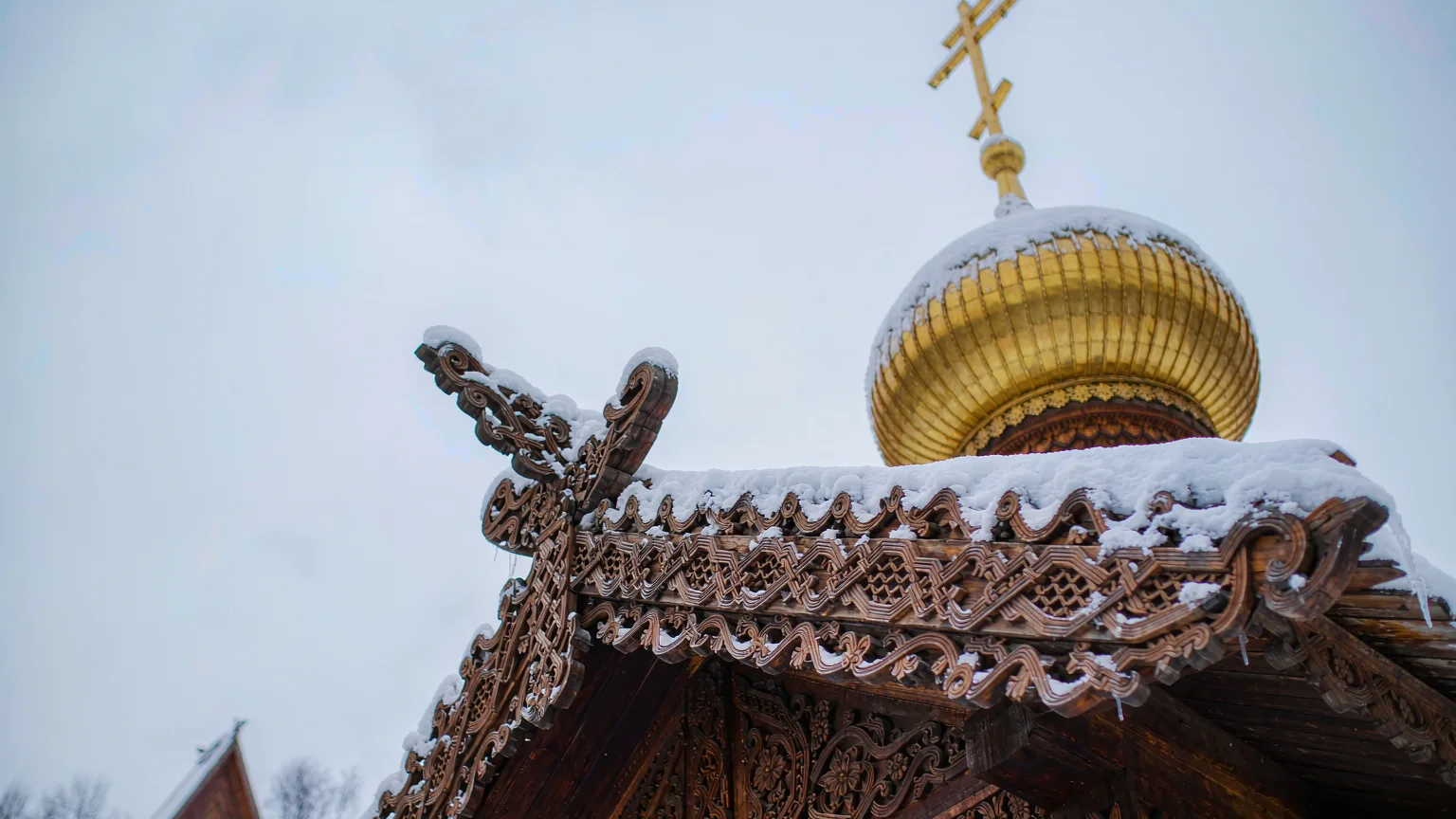
Yes, if you're interested in Harbin's Russian heritage or want a relaxed, photogenic half-day outside the city. It's especially rewarding in winter, but manage expectations: the buildings are reconstructions, not originals.
Most visitors spend 3–4 hours exploring the grounds, having lunch, and taking photos. In winter, allow extra time for ice activities. We can tailor the pace to your interests.
Public buses exist but are infrequent and slow, with limited English signage. A private car or taxi is far more convenient; we can arrange a round-trip transfer with a waiting driver.
Some signs are in English, but detailed explanations are scarce. Our private guide brings the history to life and helps with translation, tickets, and ordering food.
Tell us your dates, group size and preferences — a dedicated consultant will reach out within 24 hours.