
Guest — sign in to save your enquiries.
My account
The Chengdu Research Base of Giant Panda Breeding is the world's most successful panda conservation and breeding center, home to dozens of giant pandas from tiny cubs to adults. It's the one place where you can watch pandas munch bamboo, tumble in trees, and nap in the sun—all within a lush, walkable park. With our private guide, you'll arrive before the crowds, learn the stories behind each panda, and make the most of your visit.
The Chengdu Research Base of Giant Panda Breeding, set on a forested hill about 10 km north of downtown Chengdu, is the world's largest facility for giant panda ex-situ conservation. More than a zoo, it is a working research center: bamboo-lined paths lead past nursery rooms, kindergartens for cubs, and open enclosures where over a hundred pandas spend their day eating, climbing and napping. Arrive at opening time (07:30) for the most active feeding hours; by late morning most animals are asleep. Red pandas and golden monkeys share the grounds. Plan three to four hours including the shuttle between zones. Tickets start at ¥55 and can be bought online; take Metro Line 3 to Junqu Zongyiyuan Station, then a short shuttle or taxi ride. English signage is available throughout and audio guides can be rented at the gate. No flash photography, and never feed the animals.
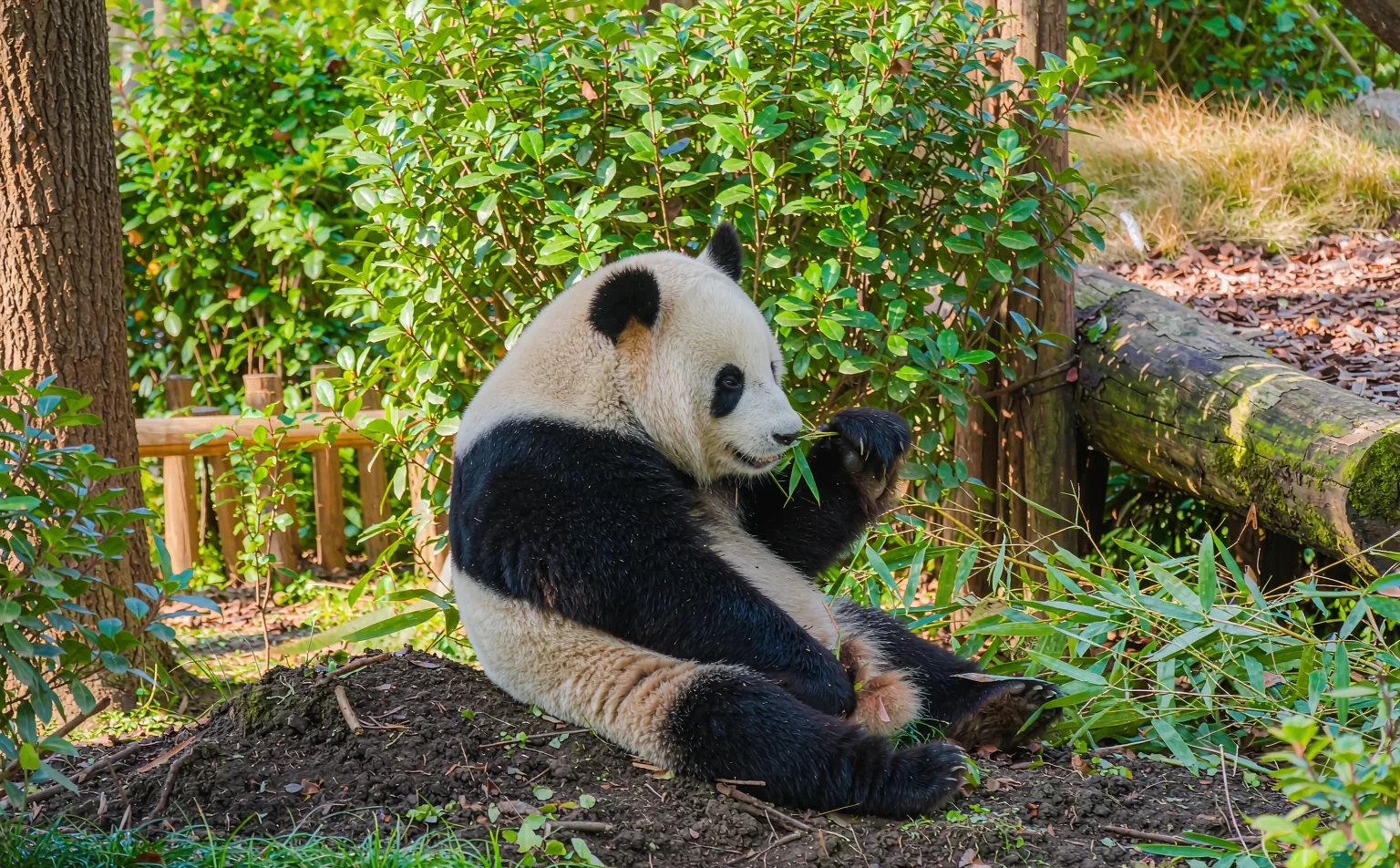
Founded in 1987 with just six rescued giant pandas, the Chengdu Research Base has grown into a global leader in panda conservation. Through artificial breeding, scientific research, and international partnerships, the base has helped boost the captive panda population to over 200, while also supporting wild panda protection. Its success has made Chengdu synonymous with panda conservation and inspired similar programs worldwide. Today, the base is a 4A-rated attraction and a must-visit for anyone traveling to Sichuan.
The base is designed like a spacious park, with separate enclosures for different age groups: cubs, sub-adults, and adults. You can also see red pandas, swans, and peacocks. The best time to visit is early morning when pandas are most active and feeding. The base is about 10 km north of downtown Chengdu, easily reached by taxi or metro. For a deeper experience, consider a behind-the-scenes tour or volunteer program, which our team can arrange.
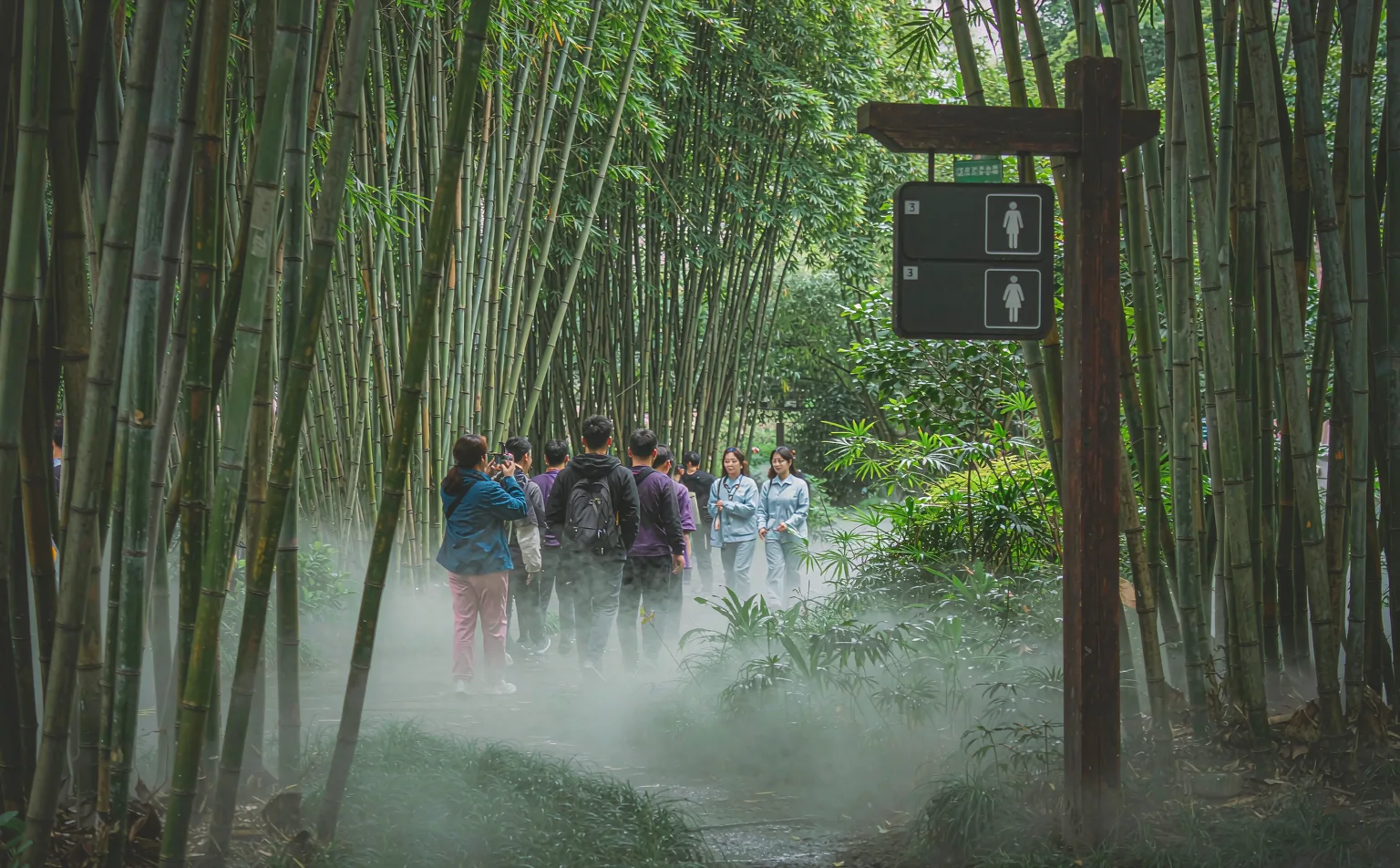
The base is about 10 km north of downtown Chengdu. The easiest way is by taxi or ride-hailing app (¥30–50, 30–40 minutes). Alternatively, take Metro Line 3 to Panda Avenue Station and then a short taxi or bus. Many travelers combine it with a visit to the nearby Chengdu Zoo or the Sanxingdui Museum. We recommend going in the morning to avoid crowds and see pandas at their most active.
Tickets cost ¥55 per adult (¥27 for students/seniors). Opening hours are 7:30–18:00 (last entry 17:00). Book online in advance via the official WeChat account or Trip.com to skip the queue. Foreign credit cards are accepted at the ticket office, but mobile payment via WeChat Pay or Alipay (linked to an international card) is faster and widely used.
Visit between March and May or September to November for mild weather and active pandas. Arrive right at opening (7:30 AM) to see feeding time and avoid tour groups. Weekdays are less crowded than weekends. Avoid Chinese public holidays if possible, as the base can get extremely busy.
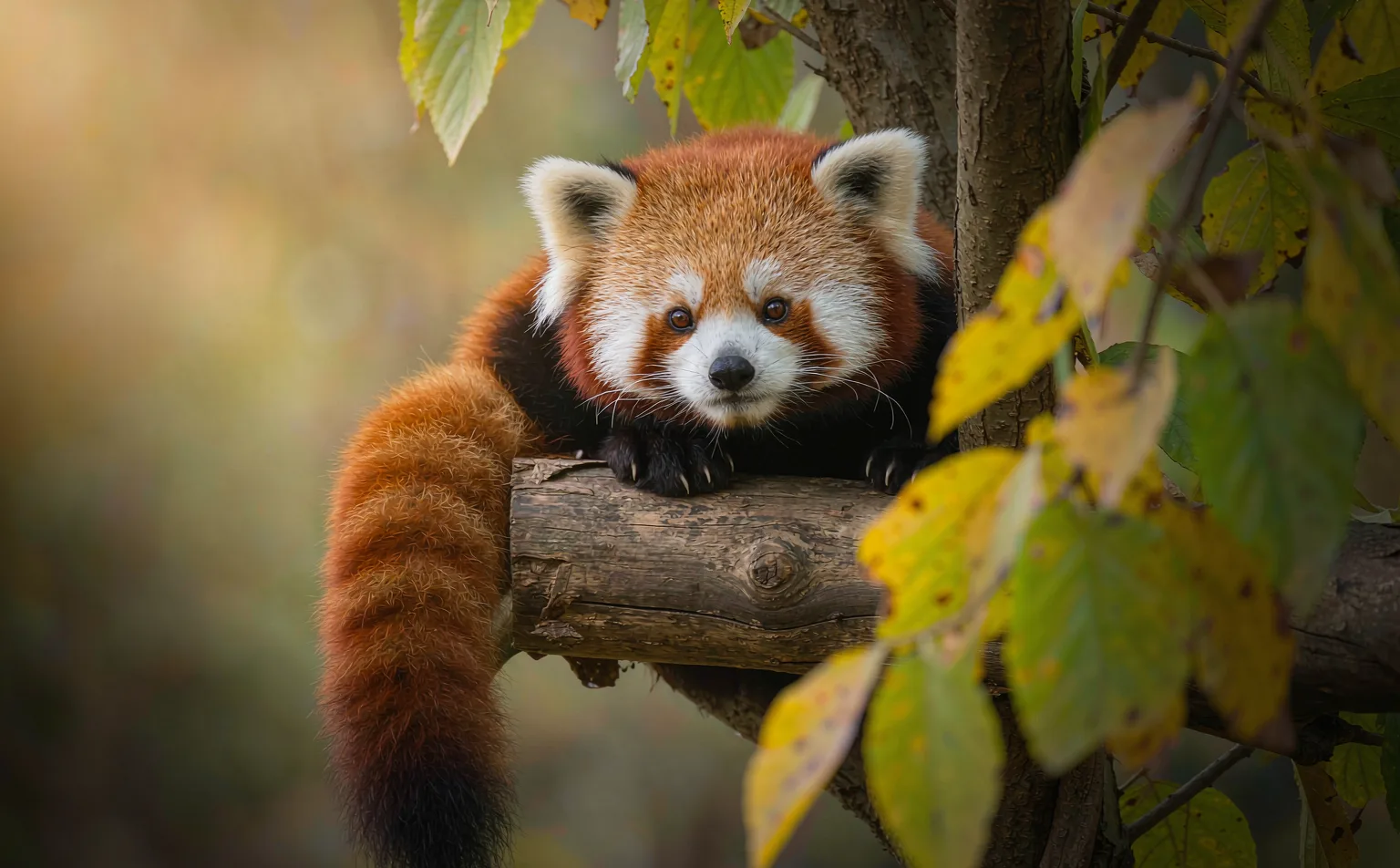
No, holding pandas is no longer allowed at the Chengdu base. However, you can get close during volunteer programs or behind-the-scenes tours, which include feeding and photo opportunities.
Most visitors spend 2–3 hours exploring the main enclosures. If you join a volunteer program or take your time, plan for 4–5 hours.
Yes, most exhibits have English descriptions, and our guides provide live commentary. Audio guides are also available for rent at the entrance.
The main paths are paved and mostly flat, but some areas have steep slopes. Wheelchairs are available for rent at the visitor center on a first-come basis.
Tell us your dates, group size and preferences — a dedicated consultant will reach out within 24 hours.