
Guest — sign in to save your enquiries.
My account
Central Street is Harbin's iconic pedestrian avenue, stretching 1,400 metres through a living museum of European architecture. Lined with Baroque, Renaissance and Art Nouveau façades, it's the heart of the city's historic quarter and a vibrant stage for local life. With our private guide, you'll decode the stories behind each building, taste the city's signature flavours, and navigate the crowds with ease.
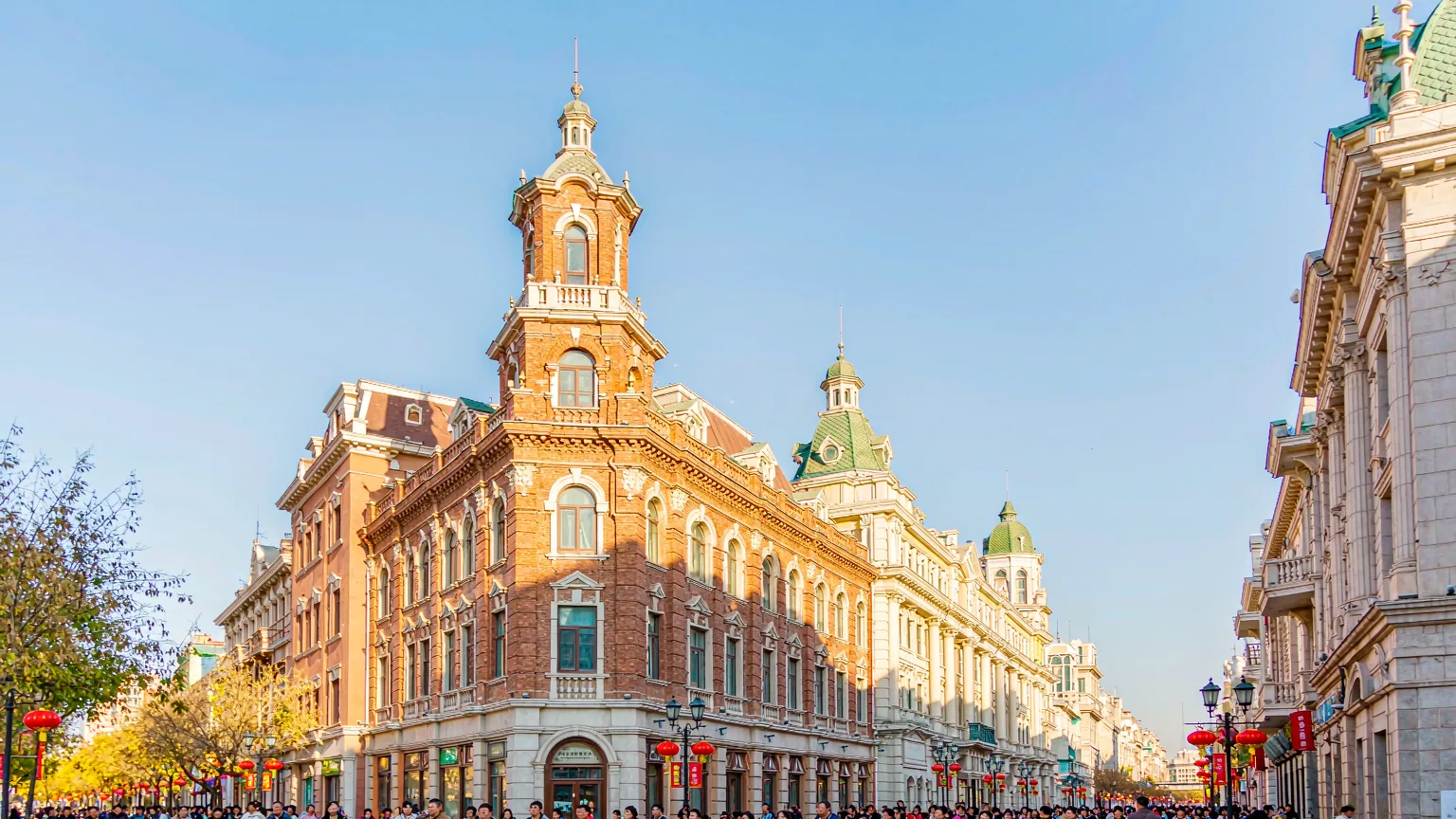
Central Street (Zhongyang Dajie) began in 1898 as a muddy track for Chinese labourers building the Chinese Eastern Railway. As Russian influence grew, it transformed into a cosmopolitan boulevard, paved with granite cobblestones in 1924. The street became a commercial hub, hosting banks, hotels, and consulates. Today, its 1,400-metre length is a protected heritage zone, showcasing 71 historic buildings in styles ranging from Baroque to Art Nouveau, earning it the nickname 'Oriental Moscow'. It remains the cultural and social spine of Harbin.
Walking Central Street is a journey through Harbin's layered past. You'll pass the 1909 Modern Hotel, the Baroque-style Education Bookstore, and the Renaissance-inspired Central Street Pharmacy. The street also holds modern attractions like the Flood Control Monument at the riverside end. In winter, it's a magical corridor lit by ice sculptures; in summer, it buzzes with street performers and cafés. For a deeper dive, our guides can point out architectural details often missed, like the intricate ironwork balconies and the original cobblestones beneath your feet.
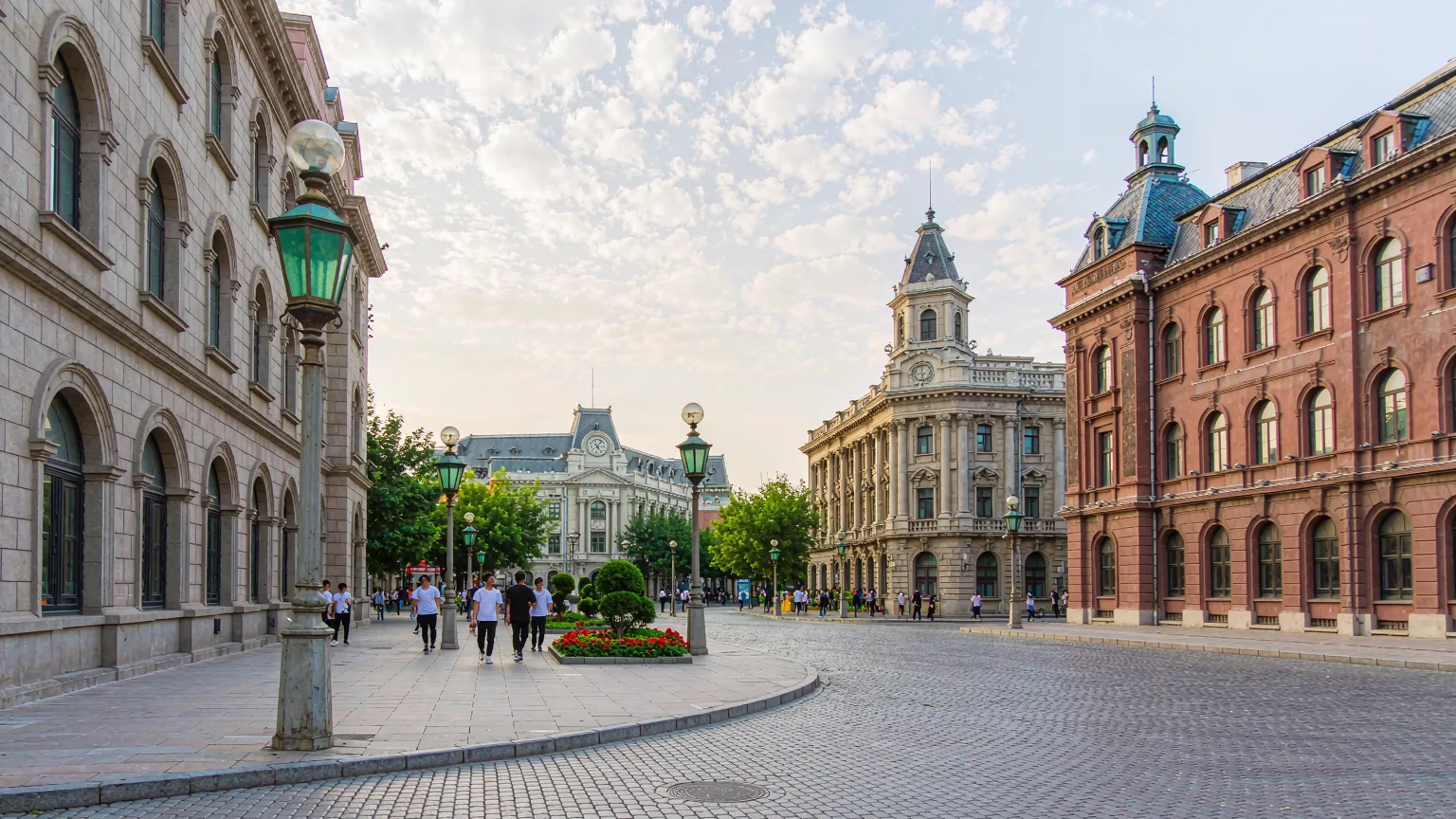
Central Street is easily reached by taxi or metro: take Line 2 to Central Street Station, exiting directly onto the pedestrian zone. From Harbin Railway Station, it's a 10-minute taxi ride (around ¥15). Many travellers combine it with a visit to the Songhua River and Stalin Park at the north end. Our private transfers can drop you at the quieter south entrance, avoiding the main crowds.
Central Street is free and open 24 hours. Individual attractions like the Modern Hotel may have separate fees. No booking is required, but for guided tours, we recommend reserving in advance, especially during the Ice Festival (late December to February). Vendors accept WeChat Pay and Alipay, which can be linked to foreign cards; some smaller shops prefer cash, so carry small notes.
Visit in the late afternoon to evening, when the architectural details are softly lit and the street comes alive with locals and street performers. Winter (December–February) offers the magical Ice Festival atmosphere, but expect crowds and cold; summer evenings are pleasant for strolling. Avoid weekends and Chinese public holidays if you prefer a quieter experience.
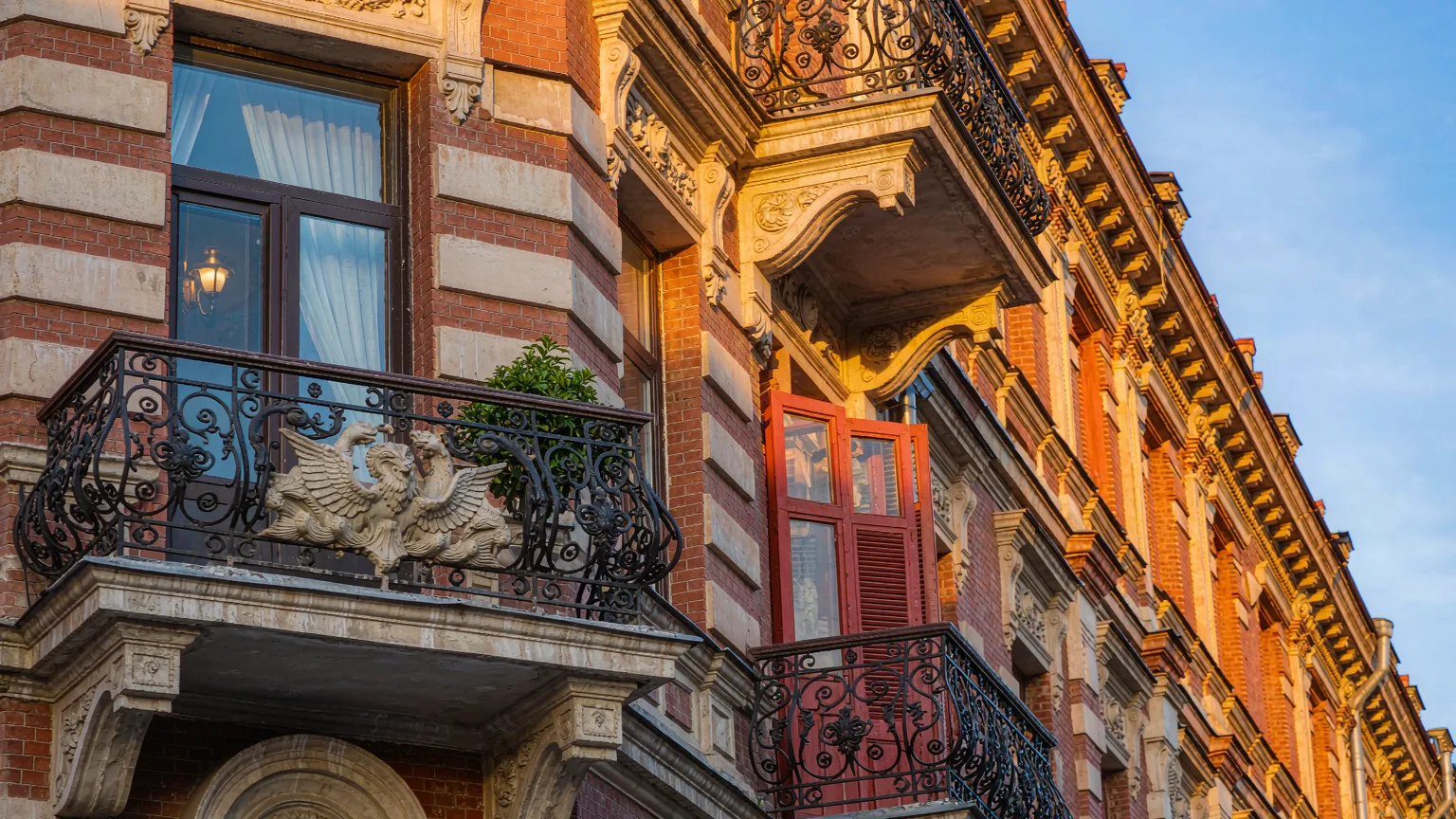
The street is paved with cobblestones, which can be bumpy. It's mostly flat and pedestrian-only, but some areas have curbs. Wheelchair users may find it manageable with assistance; strollers are okay but expect some jostling.
Don't miss Harbin red sausage, Madieer ice pops, Russian-style bread, and hot pot. For a sit-down meal, try the Western restaurants in the Modern Hotel or local dumpling houses.
A leisurely stroll one way takes about 30–45 minutes without stops. With shopping, snacking, and photo breaks, plan for 2–3 hours. Our guided tours typically last half a day including nearby sights.
Yes, especially in the evenings and during the Ice Festival. Mornings before 10 AM are quieter. Our guides can navigate you through less crowded side alleys and recommend the best times.
Tell us your dates, group size and preferences — a dedicated consultant will reach out within 24 hours.