
Guest — sign in to save your enquiries.
My account
Lao Daowai is Harbin's most lived-in historic quarter, where ornate Chinese Baroque facades hide courtyard homes, old workshops and steaming street kitchens. It holds the country's largest cluster of these hybrid buildings, a style born from local craftsmen reinterpreting European ornament. With our private guide, you slip past the souvenir frontage into the real lanes, taste the neighbourhood's signature snacks and hear the stories behind the stone.
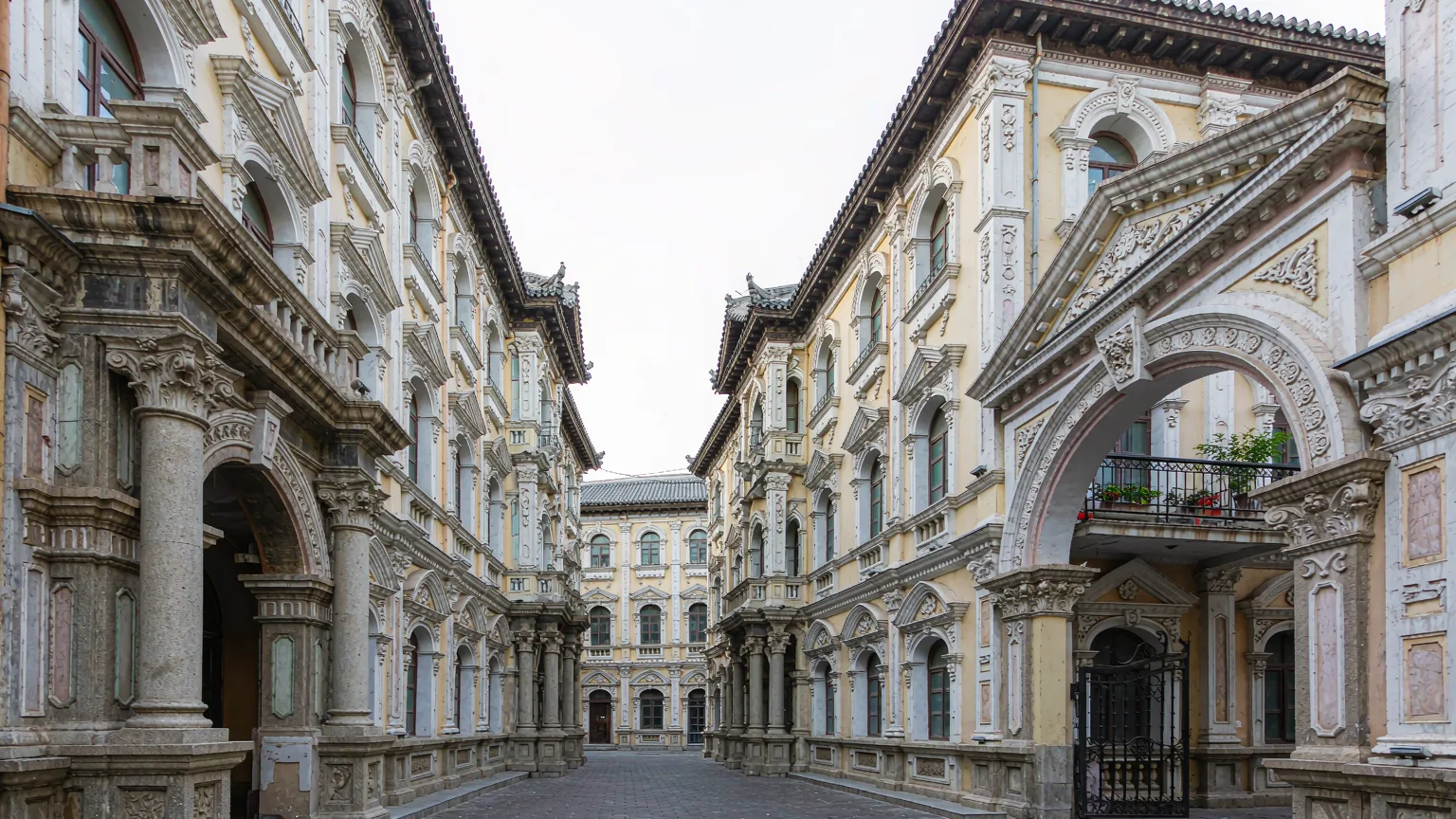
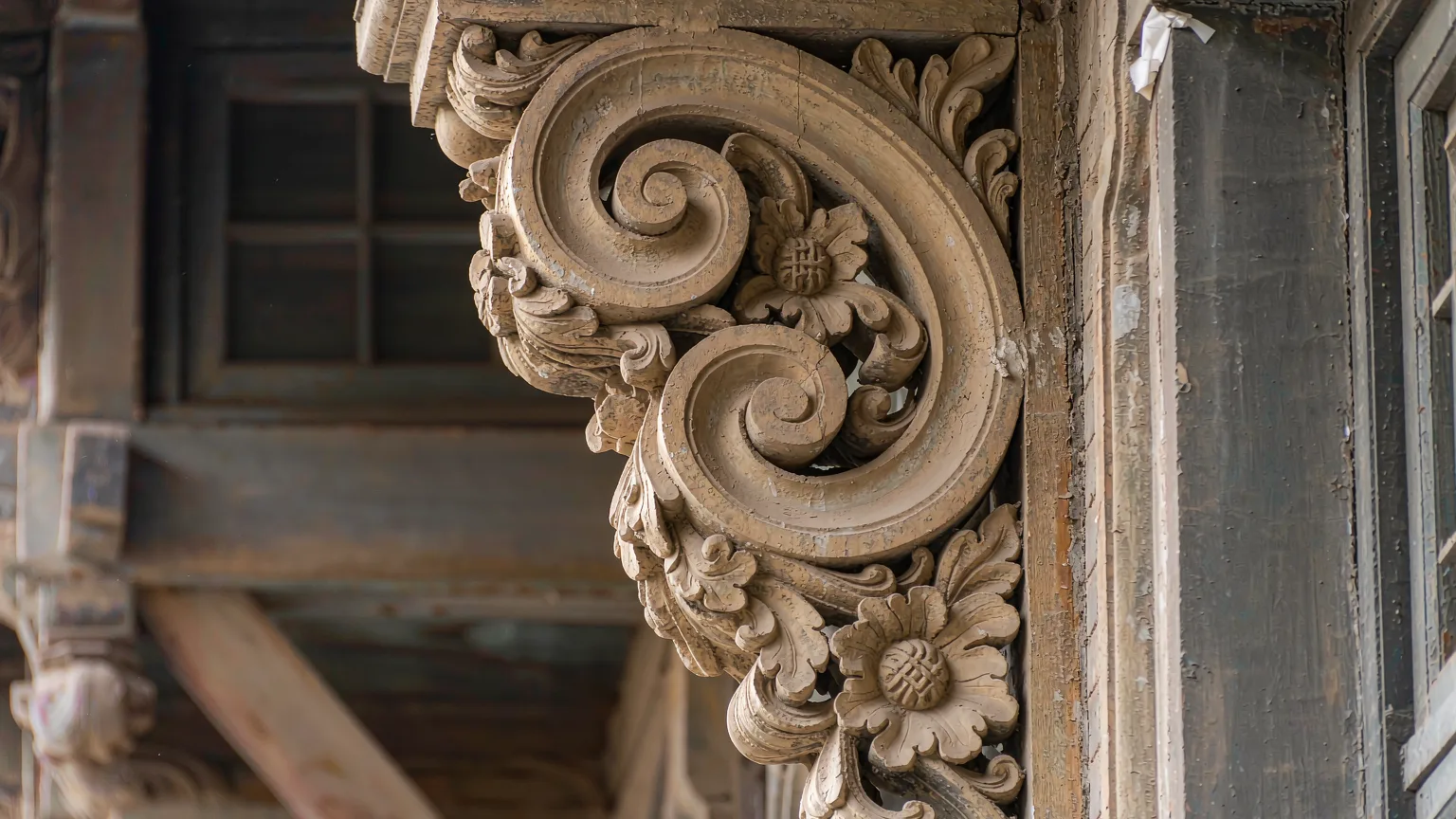
Lao Daowai grew up in the late 19th and early 20th centuries as Harbin boomed around the Chinese Eastern Railway. While Russian architects shaped the grand avenues of the New Town, Chinese builders here created a distinct hybrid: European Baroque curves, columns and pediments applied to traditional courtyard houses and shophouses. This style became known as Chinese Baroque, and Lao Daowai preserves the largest surviving concentration of it, laid out along Jingyu Street and the surrounding lanes.
The district was long a working-class, predominantly Chinese quarter, home to merchants, craftsmen and migrants from Shandong and Hebei. Its fabric is as much social as architectural: narrow alleys, communal courtyards, timeworn shop signs and the smell of grilling and frying. After decades of decline, restoration began in the 2010s, reviving key streets while keeping many residents and old businesses in place. For visitors, it is the counterpoint to the polished European look of Central Street, showing how Harbin's Chinese majority lived and built.
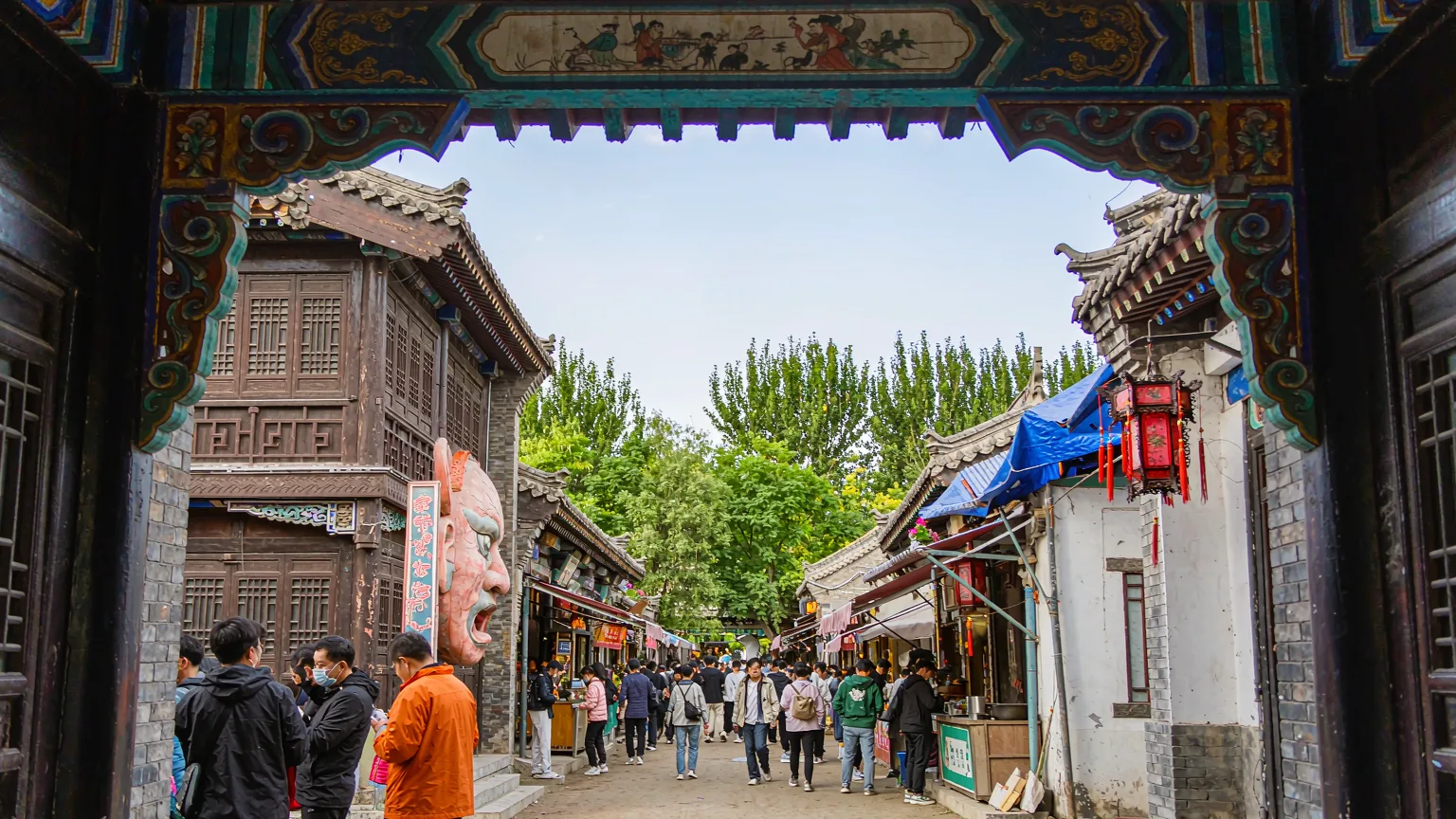
Lao Daowai sits on the south bank of the Songhua River, a short taxi or DiDi ride from Central Street and about 15 minutes from Harbin Railway Station. The nearest metro is Harbin Mosque Station on Line 3, roughly a 10-minute walk. We usually pair it with a morning at the Songhua River or a late-afternoon visit before dinner, so you see the district in soft light and catch the street food at its liveliest.
The district is free to enter and wander; individual small museums or exhibitions may charge ¥10–30. Shops and eateries typically open from around 10:00 to 21:00, with some stalls starting earlier. No advance booking is needed for the streets, but if you want a guided walk or a specific workshop visit, we can arrange it. Most vendors accept WeChat Pay and Alipay; foreign cards can be linked to these apps, but carry some cash for tiny stalls.
Late afternoon to early evening is ideal: the low sun brings out the texture of the facades, the lanes are busy with locals, and the food stalls fire up for dinner. Spring and autumn offer the most comfortable walking weather. Summer evenings are lively but can be crowded; winter is atmospheric with snow and lanterns, though you'll want to keep moving.
Yes. Central Street shows Harbin's Russian-influenced face, while Lao Daowai reveals the Chinese Baroque style and everyday life of the city's Chinese majority. The two together give a fuller picture.
Plan for 1.5 to 2.5 hours to walk the main street, dip into a few lanes and stop for snacks. Add extra time if you want to visit small museums or sit down for a meal.
Some signs have English, but many do not. Our guides can translate, explain the architecture and help you order. On your own, translation apps work well for menus and shop signs.
Most stalls and shops prefer WeChat Pay or Alipay, which you can link to an international card. A few smaller vendors may only take cash, so keep some ¥10 and ¥20 notes handy.
Tell us your dates, group size and preferences — a dedicated consultant will reach out within 24 hours.