
Guest — sign in to save your enquiries.
My account
Saint Sophia Cathedral is Harbin's most photographed landmark, a red-brick Byzantine church built by Russian settlers in 1907. Its onion domes and faded frescoes recall the city's tsarist past, and it now houses a small architectural museum. With our private guide, you'll skip the ticket line, learn the stories behind the icons, and pair it seamlessly with Central Street and the Songhua River.
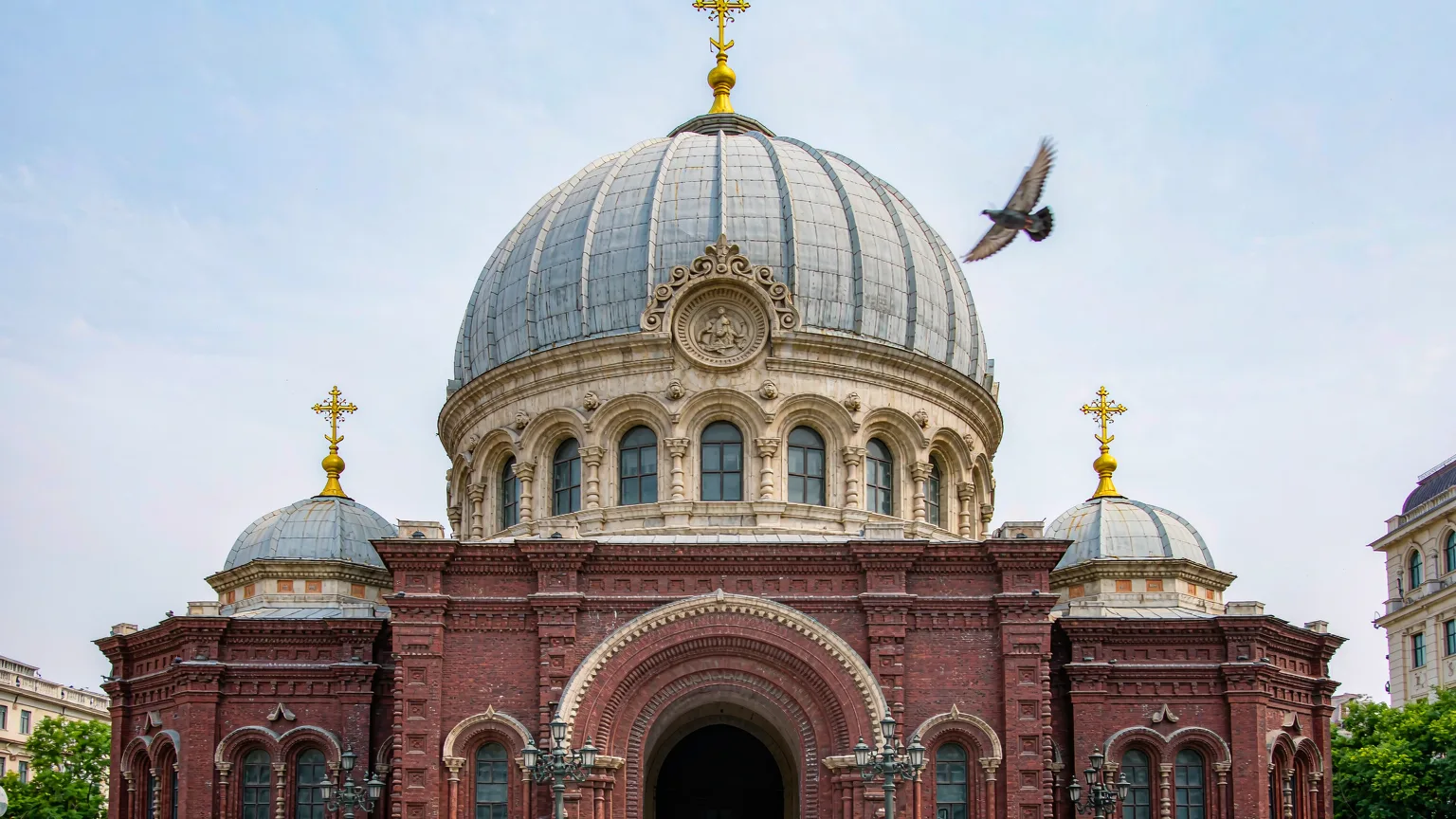
Saint Sophia Cathedral was built in 1907 by the Russian Orthodox community that grew up around the Chinese Eastern Railway. The original wooden structure was replaced in 1932 by the present brick church, designed in a Neo-Byzantine style with a central dome said to echo Hagia Sophia in Istanbul. For decades it served Harbin's Russian diaspora, but during the Cultural Revolution it was closed, stripped of its crosses, and used as a warehouse. In 1997 the city restored it as the Harbin Architecture Art Gallery, preserving its murals and icons as a museum of the city's multicultural past.
The cathedral stands in the Daoli district, a short walk from the pedestrian Central Street (Zhongyang Dajie). Its floor plan is a Greek cross topped by a large central dome and four smaller onion domes, all clad in green and gold. Inside, the walls retain fragments of original frescoes, and exhibits trace Harbin's Russian, Jewish, and European architectural heritage. Though no longer an active church, it remains a symbol of the city's nickname, 'Moscow of the East'. Our guides can explain the iconography and the building's near-demolition in the 1960s, adding context that plaques alone don't provide.
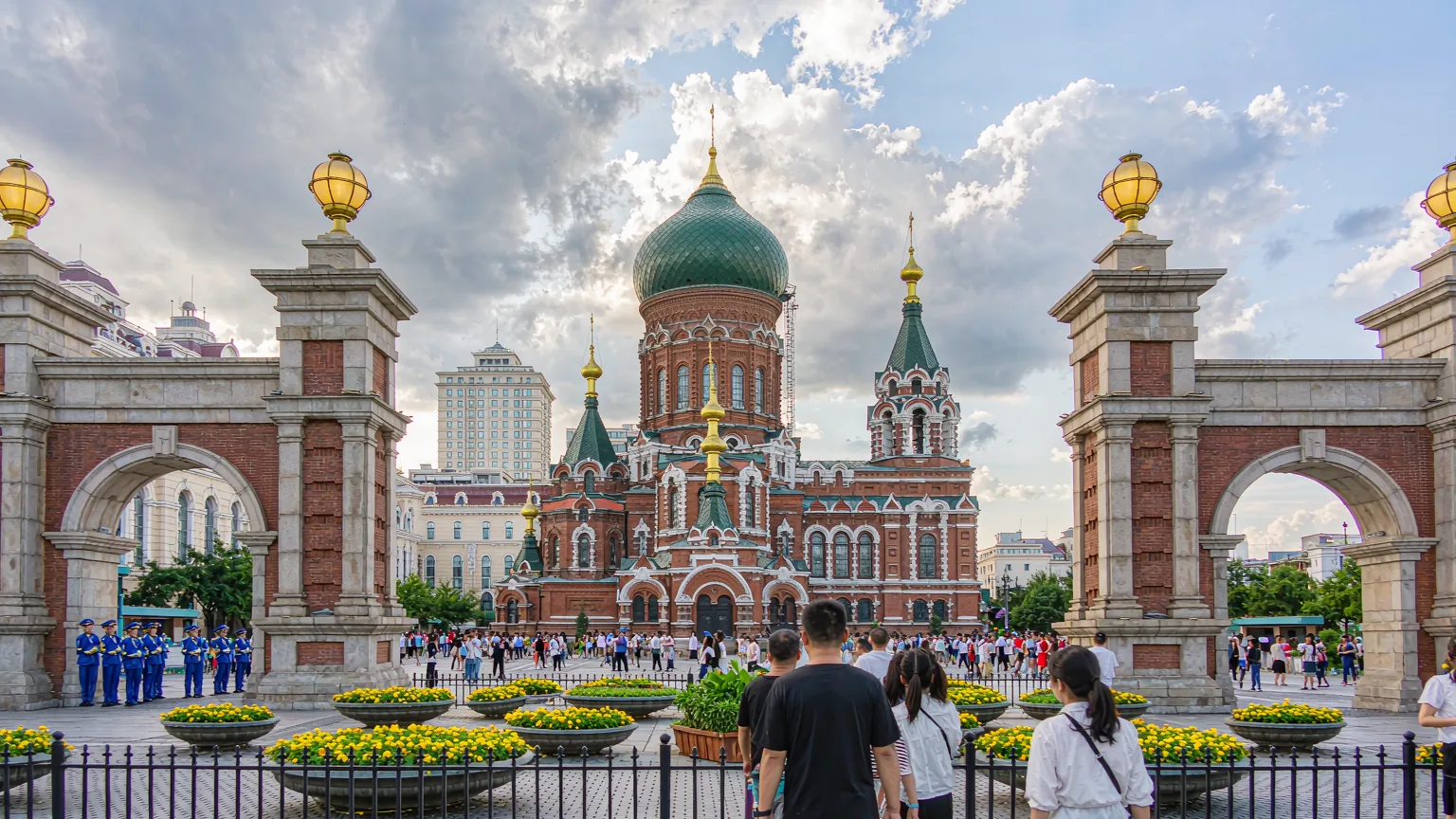
Saint Sophia Cathedral sits at the corner of Toulong Street and Zhaolin Street in Daoli district, about a 10-minute walk from Central Street. The nearest metro is Museum Station (Line 1) or Zhongyang Dajie Station (Line 2), both within 15 minutes on foot. Taxis from Harbin Railway Station take around 10 minutes and cost ¥10–15. We usually combine it with a morning stroll down Central Street and a visit to the Songhua River, making a relaxed half-day tour.
Admission is ¥20 for adults, ¥10 for students and seniors; children under 1.2m enter free. Opening hours are 8:30am–6pm (last entry 5:30pm), daily. Book via the official WeChat account or buy at the door; foreign cards are not accepted, so bring cash or set up WeChat Pay/Alipay with an international card before you go.
Visit between May and October, when Harbin is warm and the plaza is lively. Early morning (8:30–10am) offers soft light and fewer tour groups; late afternoon (4–6pm) gives golden-hour photos and the chance to see the cathedral illuminated. Avoid weekends and Chinese public holidays, when the small interior becomes crowded.
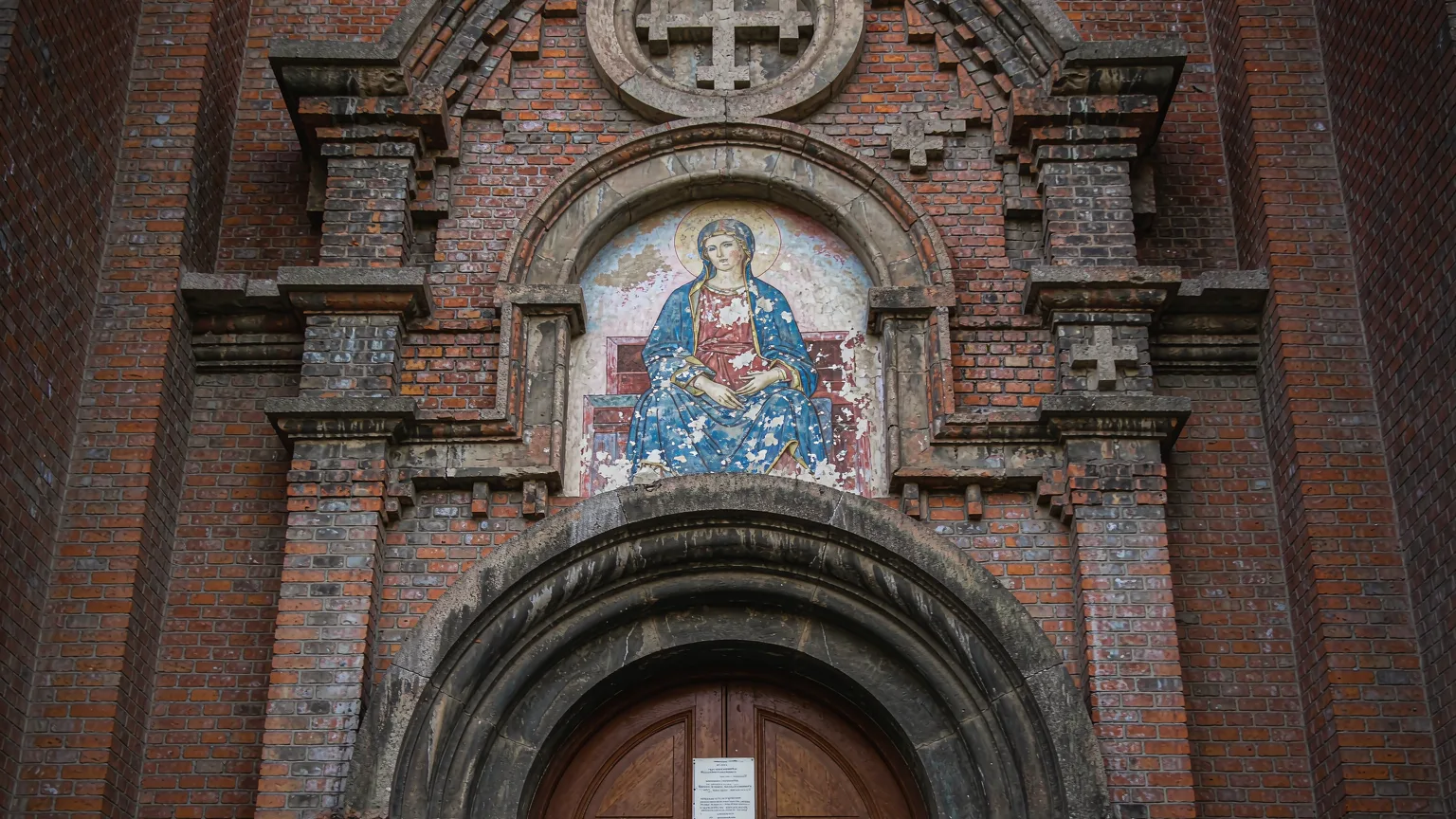
No, it functions as a museum of architecture and art. Religious services are not held here, but the building retains its original Orthodox frescoes and icons.
Most visitors spend 30–45 minutes inside and another 15 minutes photographing the exterior. Our guided tour typically allows an hour to cover the history and exhibits.
No, the ticket office does not accept foreign cards. Bring Chinese yuan cash or use WeChat Pay/Alipay linked to an international card. Our guide can help you purchase tickets if needed.
It's a flat 10-minute walk north along Toulong Street. Taxis are also cheap, but walking lets you enjoy the historic architecture along the way.
Tell us your dates, group size and preferences — a dedicated consultant will reach out within 24 hours.