
Guest — sign in to save your enquiries.
My account
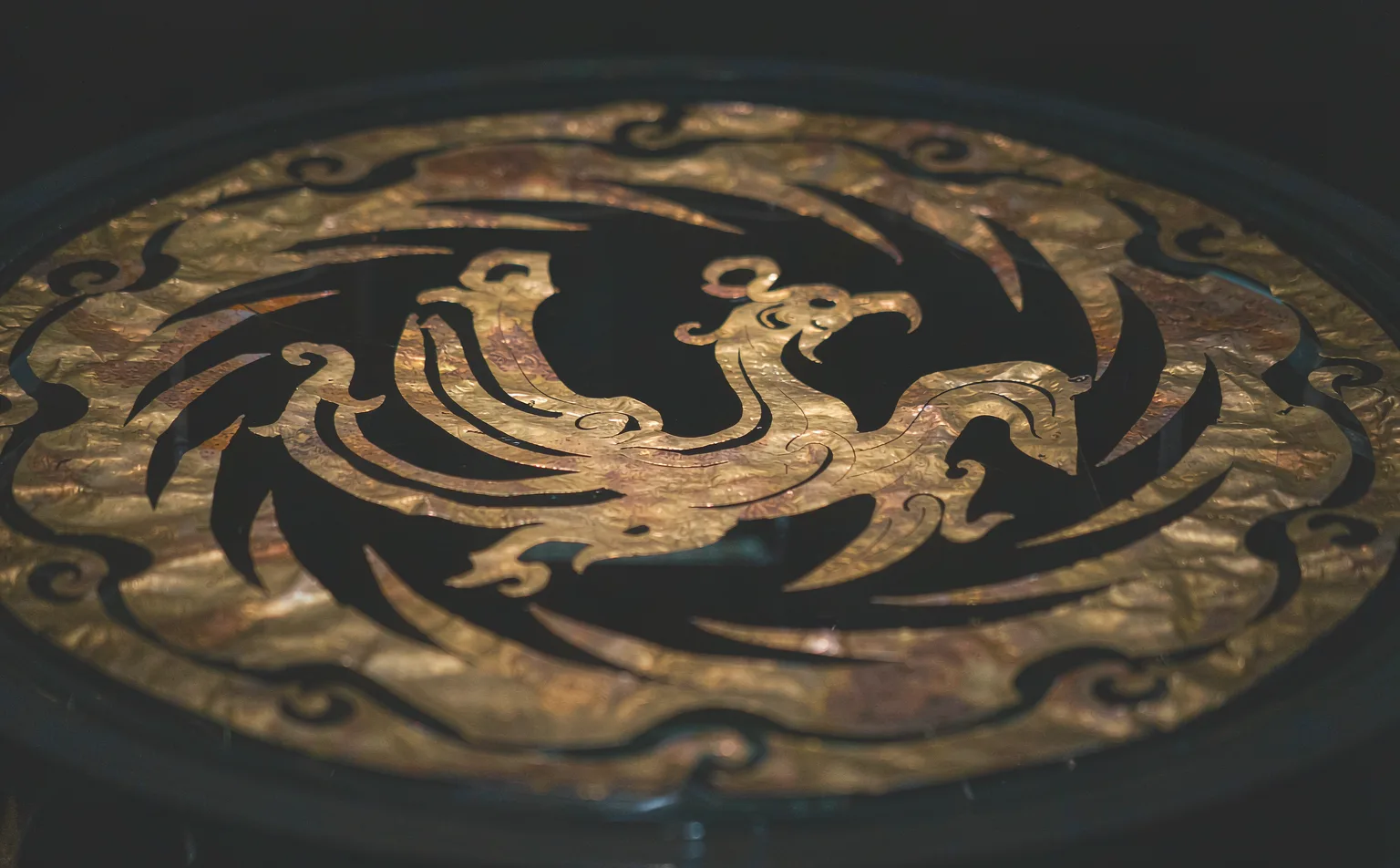
A golden sun-bird disc so delicate it looks like foil became China's cultural emblem after archaeologists unearthed it at Jinsha in 2001. The museum built on that discovery holds the treasures of ancient Shu — and it sits conveniently inside Chengdu city, 20 minutes from downtown.
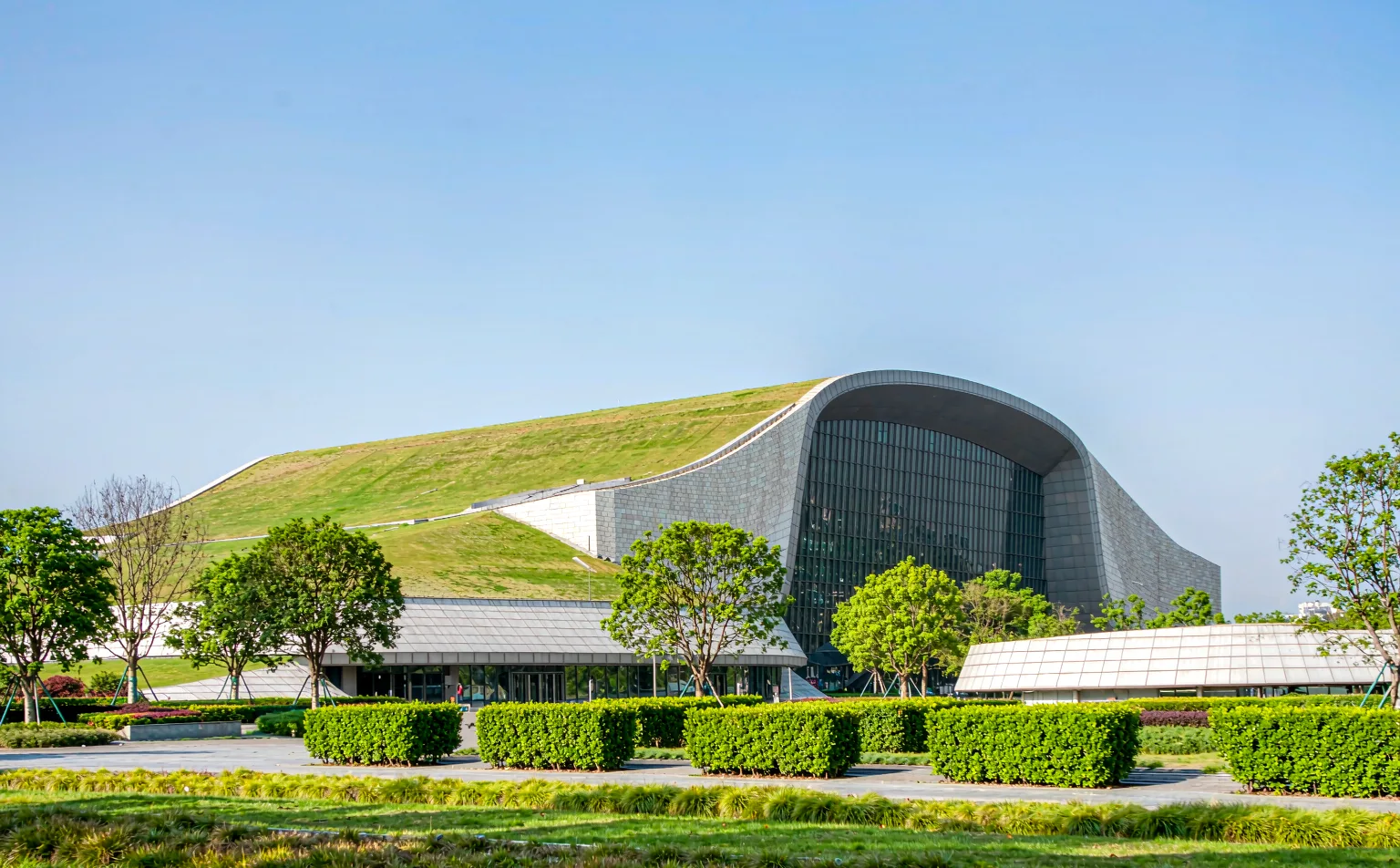
Jinsha was the capital of the ancient Shu kingdom roughly 3,000 years ago, succeeding the civilisation behind Sanxingdui. Found during construction work in 2001, the site yielded jade, ivory, gold and tens of thousands of artefacts, transforming what historians knew of the Chengdu Plain's early civilisations.
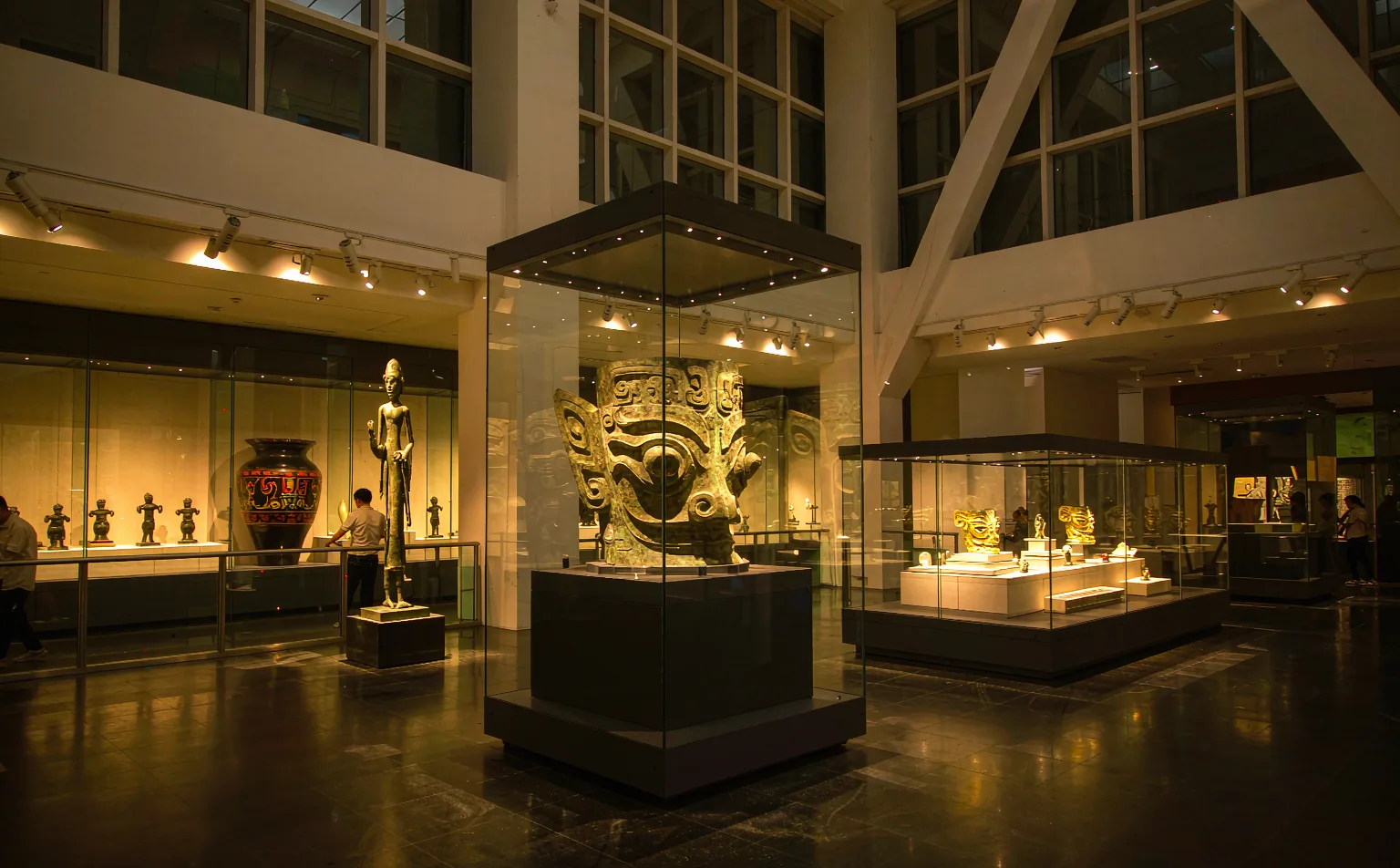
The museum combines an in-situ excavation hall — you walk on glass floors above the actual pits — and an exhibition hall with the showpiece finds. It is compact, beautifully curated and manageable in two hours, making it the ideal museum choice for visitors with full itineraries. Our 3-day Chengdu itinerary slots it in after a morning with the pandas.
The museum is in Chengdu's western urban districts, around 7–8 km from Tianfu Square. Metro Line 7 (Jinsha Museum station) drops you minutes from the gate; taxis from central hotels take 20–30 minutes depending on traffic. It pairs naturally with the Panda Base in the morning or with Kuanzhai Alleys for an afternoon-and-evening rhythm.
Admission has been in the approximate range of ¥70 for the combined excavation and exhibition halls, with reductions for students and seniors; check official channels for current pricing and any free-admission days. Opening hours vary — your guide confirms on the day. The museum is closed on some Mondays at many Chinese museums' schedules, so confirm before planning. Passport booking applies for foreign visitors, so book online in advance.
Weekday afternoons are calm; mornings suit visitors chaining it with the Panda Base. As an indoor site it is weather-proof — a perfect rainy-day activity in Chengdu's drizzly spring, or a midday escape in summer heat. See our season guide for how weather shapes the rest of your plan.
Short on time: Jinsha. Deep interest in ancient Shu: both, ideally Jinsha first chronologically. See our Sanxingdui guide for comparison.
Yes — the short film, glass floors and compact size keep younger visitors engaged.
90 minutes to 2 hours for most visitors.
Yes, bilingual signage throughout, plus audio guides. For the deeper story, our guides fill in the context — contact us to arrange.
Tell us your dates, group size and preferences — a dedicated consultant will reach out within 24 hours.