
Guest — sign in to save your enquiries.
My account
Drepung Monastery, the largest and wealthiest of the great Gelug monasteries, once housed over 7,000 monks and served as the political heart of Tibet before the Potala Palace. Its whitewashed buildings cascade down the slopes of Mount Gephel, culminating in the vast Thangka Wall that hosts the annual Shoton Festival's giant thangka unveiling. With our private guide, you'll navigate its labyrinthine chapels, understand its living rituals, and experience Tibetan Buddhism beyond the tourist trail.
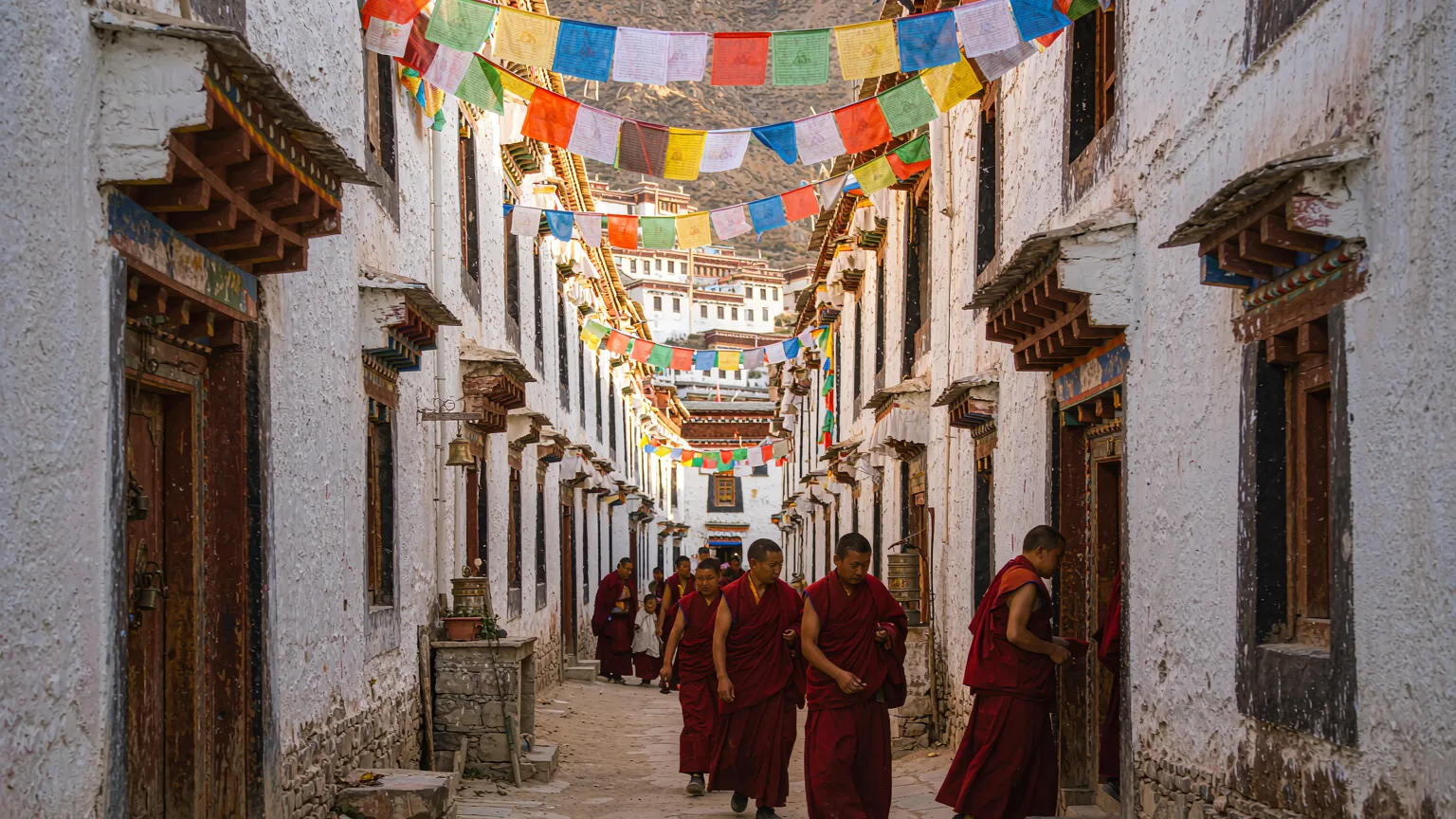
Founded in 1416 by Jamyang Chöje, a disciple of Tsongkhapa, Drepung quickly grew into the most powerful monastery in Tibet. Its name means 'Heap of Rice' in Tibetan, referring to the white monastic buildings clustered like rice mounds on the hillside. For centuries it was a centre of learning and political influence; the Dalai Lamas resided here until the 5th Dalai Lama moved to the Potala in the 17th century. At its peak, Drepung housed over 7,000 monks across four colleges, and its extensive estates made it one of the wealthiest institutions in the region.
Today Drepung remains an active monastery with several hundred monks. The complex is divided into the main assembly hall (Tsokchen), numerous chapels, and the private apartments of past Dalai Lamas. The crowning feature is the massive thangka wall on the eastern slope, where during the Shoton Festival (usually in August) a giant embroidered thangka of the Buddha is unfurled at dawn before thousands of pilgrims. Visitors can also explore the monk debate courtyard, where lively philosophical debates occur in the afternoons. For a deeper understanding of Tibetan Buddhism, pair your visit with Sera Monastery, another great Gelug institution.
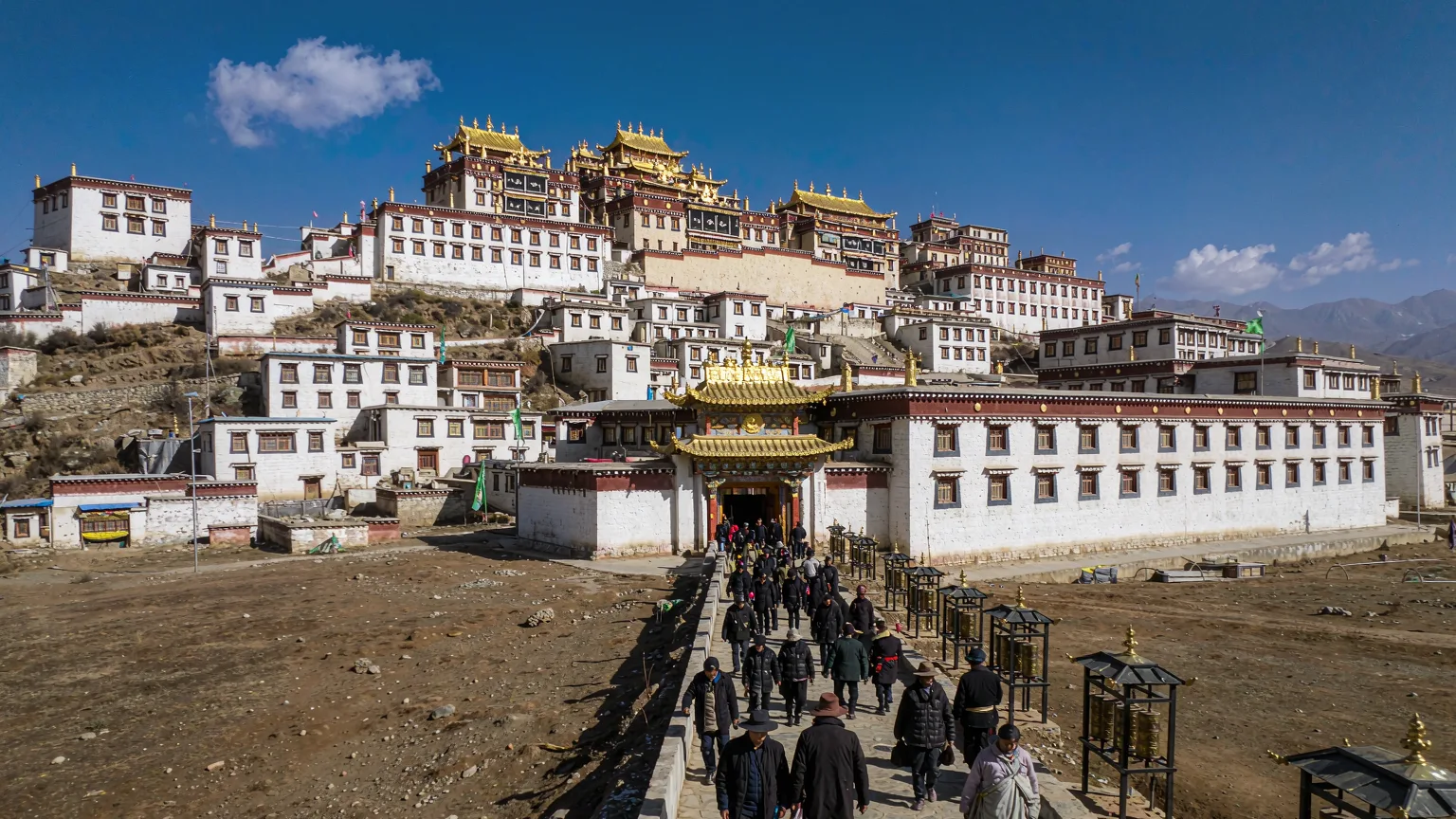
Drepung Monastery is about 8 km west of central Lhasa, near the western suburbs. A taxi from Barkhor Street takes 20–30 minutes (¥30–50) depending on traffic. Alternatively, take bus no. 24 or 25 to the 'Drepung Monastery' stop, then walk 15 minutes uphill. Many travellers combine it with a visit to Sera Monastery in the afternoon, as they are on opposite sides of the city. Our private guide can arrange a comfortable transfer and timing to avoid crowds.
Admission: ¥60 (peak season), ¥40 (off-peak). Opening hours: 9:00–16:00 (last entry 15:30). Tickets can be purchased at the gate, but during Shoton Festival (August) expect large crowds and possible price adjustments. Bring cash or use WeChat Pay/Alipay; foreign cards are not accepted directly, so ensure your digital wallet is linked to a foreign card or carry enough cash.
The best time to visit is during the Shoton Festival (usually late August), when the giant thangka unveiling draws pilgrims and offers a unique cultural experience. Otherwise, visit on a weekday morning to avoid crowds and catch the monks' morning prayers. Spring (April–May) and autumn (September–October) offer pleasant weather and clear views. Avoid weekends and Tibetan holidays if you prefer a quieter visit.
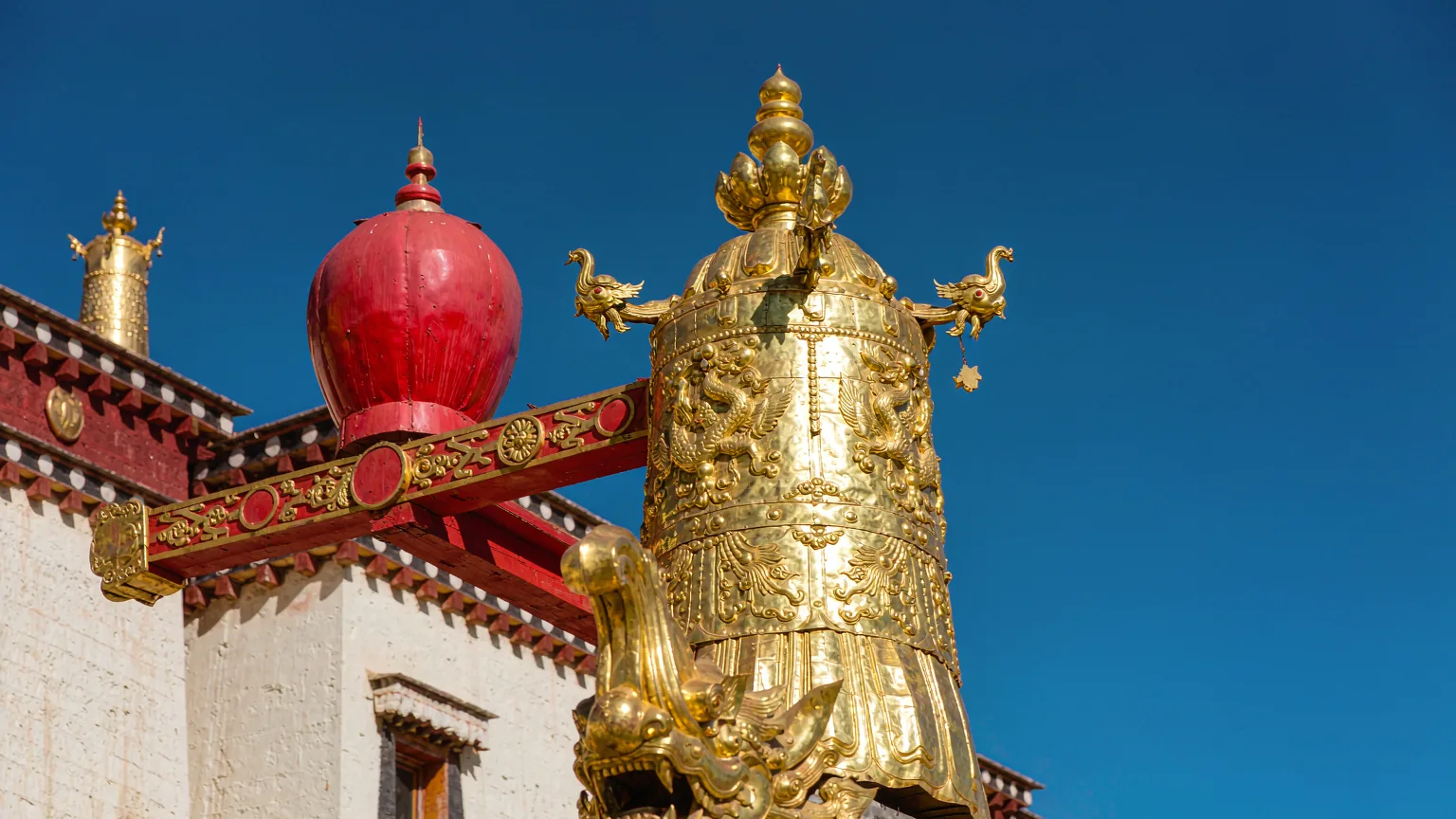
Drepung was the largest and most powerful Gelug monastery in Tibet, home to thousands of monks and the Dalai Lamas before the Potala Palace. It remains a key spiritual and historical site.
Take a taxi (¥30–50, 20–30 min) or bus no. 24/25 from central Lhasa. The monastery is about 8 km west of Barkhor Street; the bus stops near the entrance.
Yes, if you don't mind crowds. The giant thangka unveiling at dawn is a spectacular, deeply spiritual event. Book accommodation early and arrive before sunrise.
Yes, many travellers do both. Visit Drepung in the morning and Sera in the afternoon for the monk debates. Allow 2–3 hours at each.
Tell us your dates, group size and preferences — a dedicated consultant will reach out within 24 hours.