
Guest — sign in to save your enquiries.
My account
Sera Monastery, one of the great Gelugpa universities of Tibet, is renowned for its lively monk debates that draw travellers to Lhasa. Just a short drive from the city centre, it offers a profound glimpse into Tibetan Buddhist scholarship and daily monastic life. With our private guide, you'll navigate the sprawling complex, understand the rituals, and witness the famous debates with context and ease.
Founded in 1419 by Jamchen Chöje Shakya Yeshe, a disciple of Tsongkhapa, Sera Monastery quickly became one of the largest and most influential Gelugpa institutions in Tibet. Its name, meaning 'Wild Roses', refers to the profusion of flowers that once covered the hillside. The monastery was a centre of learning with thousands of monks, and its colleges produced many renowned scholars. Despite periods of destruction, notably in the 20th century, it has been restored and remains an active monastic community.
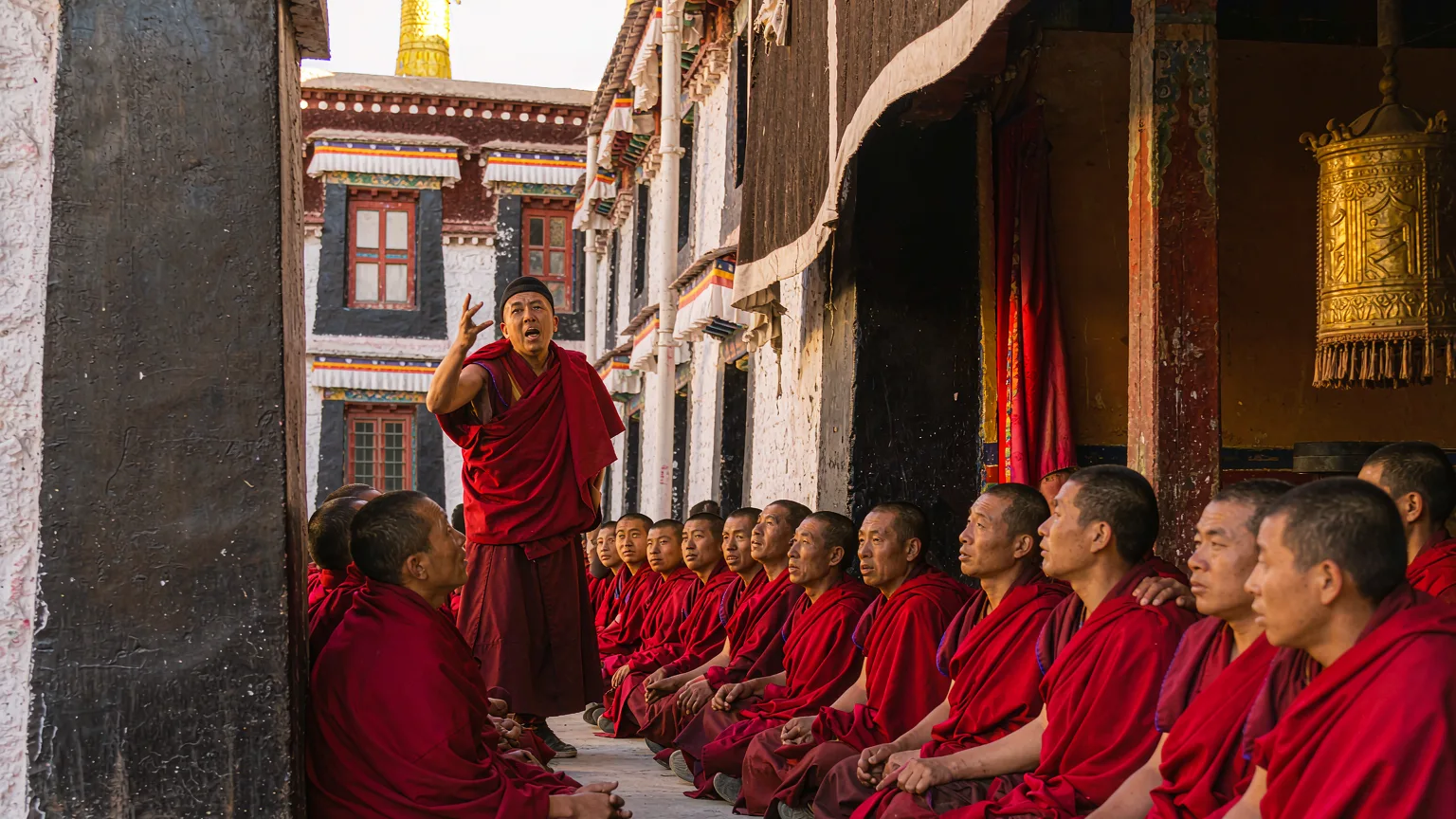
Today, Sera is a living monastery where visitors can explore its assembly halls, chapels, and the famous debating courtyard. The complex is divided into two main colleges, each with its own distinct character. The highlight for many is the afternoon debate session, where monks challenge each other with clapping and dramatic gestures to deepen their understanding of Buddhist philosophy. Our guide can explain the nuances of these debates, making the experience far more meaningful. For those interested in Tibetan Buddhism, Sera offers an authentic and accessible introduction.
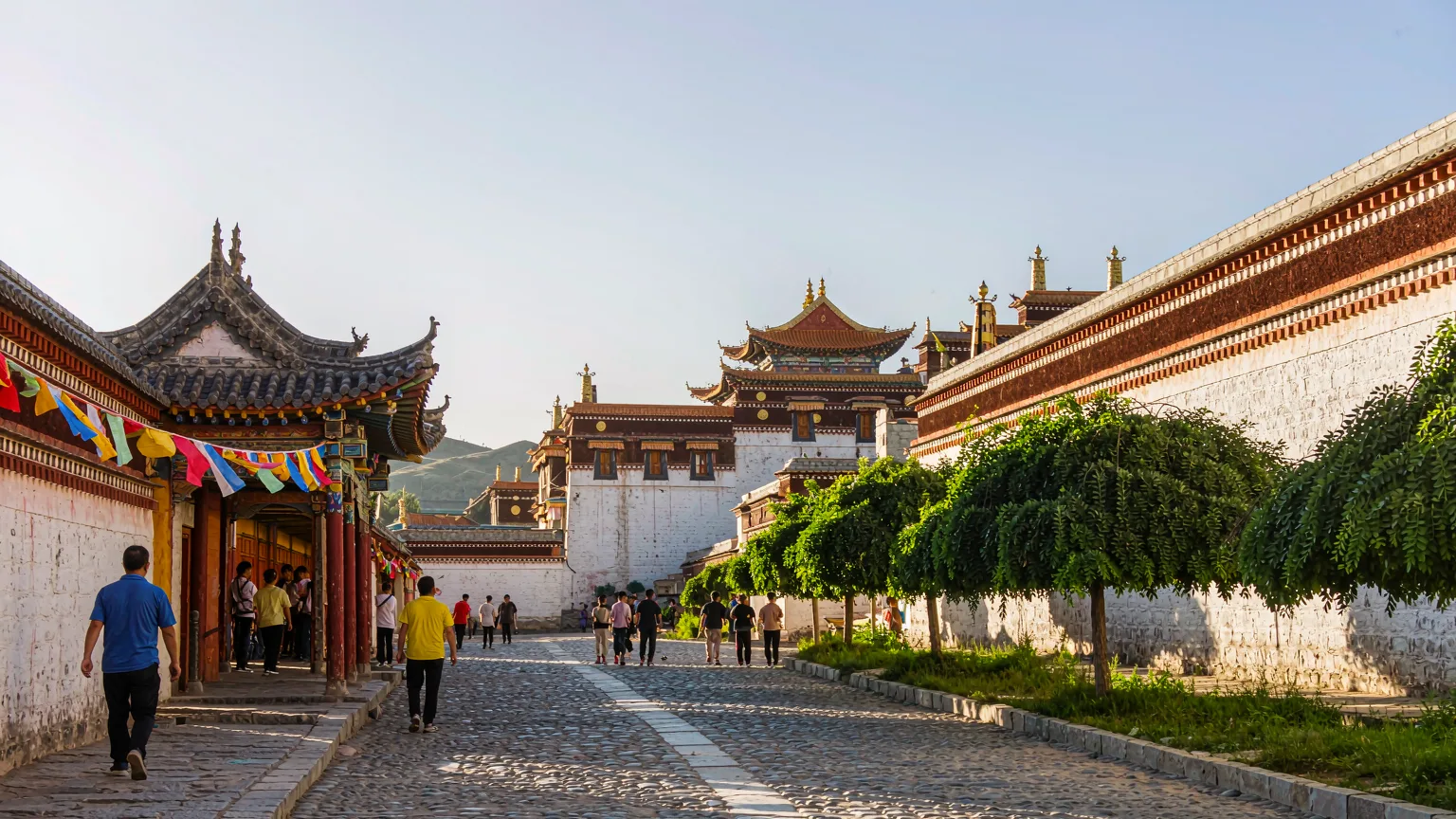
Sera Monastery is about 5 kilometres north of central Lhasa, easily reached by taxi (¥20-30) or a short drive. Public buses also stop nearby, but for comfort and time efficiency, we arrange private transfers. It pairs well with a morning visit to Potala Palace or Jokhang Temple, as the debates typically occur in the afternoon. Our guide will coordinate timing to avoid crowds and ensure you witness the debates at their liveliest.
Entrance fee is ¥50 per person. Opening hours are 9:00-16:00, with debates usually from 15:00 to 17:00 (except Sundays). Tickets can be purchased on-site, but we recommend booking through us to skip queues. Foreign cards are not widely accepted, so bring cash or use WeChat Pay/Alipay linked to an international card; our guide can assist with payment if needed.
The best time to visit is during the afternoon, specifically between 3 PM and 5 PM, when the monk debates take place. Avoid Sundays when debates may not occur. Spring (April-May) and autumn (September-October) offer pleasant weather, while summer can be rainy. Winter is cold but less crowded, though some facilities may be limited.
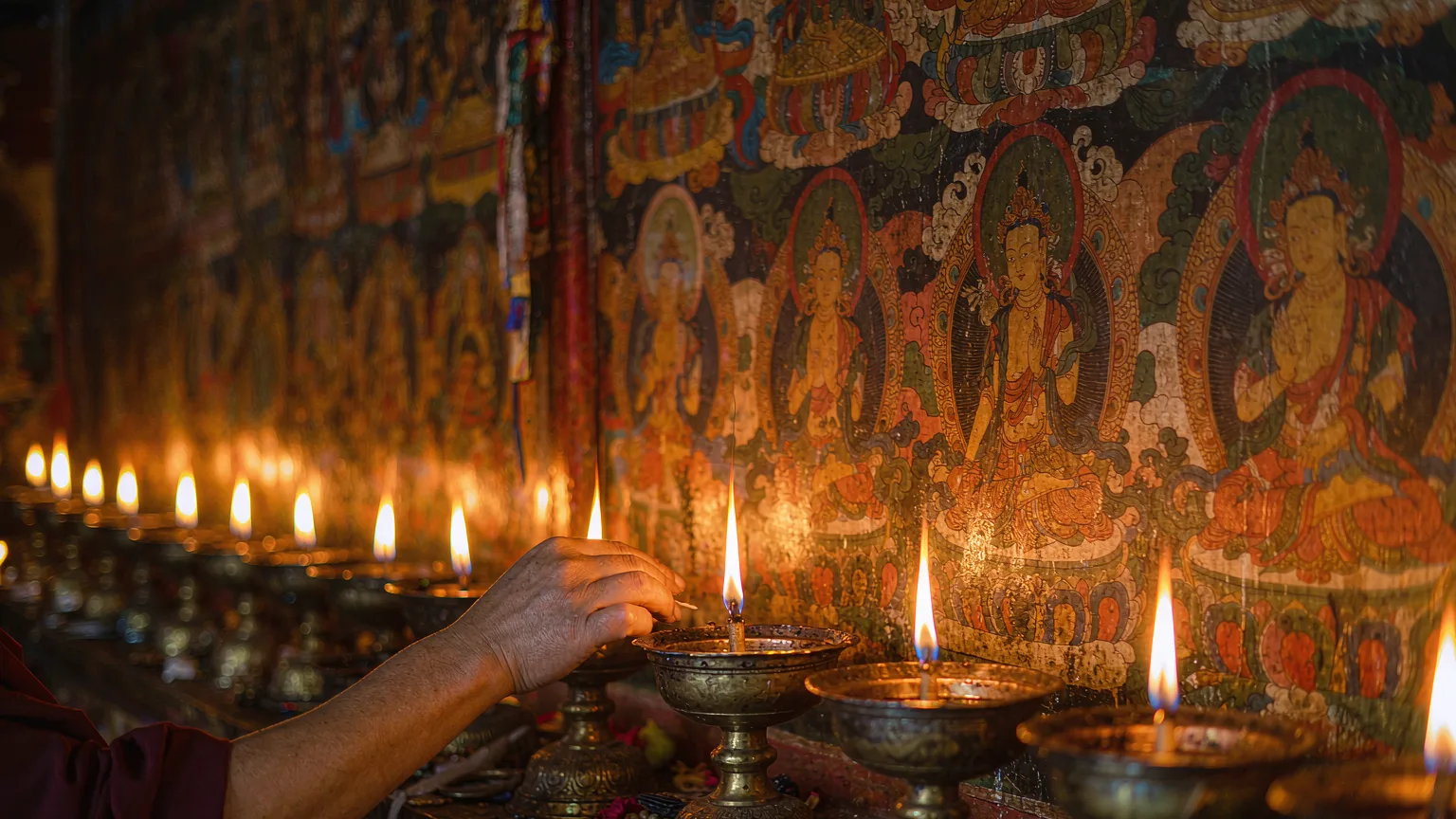
Debates typically occur Monday to Saturday from 3 PM to 5 PM, but times can vary. Check with our guide for the day's schedule to avoid disappointment.
Photography is generally allowed in courtyards and some halls, but look for signs. Never use flash in chapels, and always ask permission before photographing monks.
A taxi from Barkhor Street takes about 15 minutes and costs ¥20-30. Alternatively, bus 16 or 24 goes there, but private transfers are more convenient.
Yes, all foreign visitors to Tibet require a Tibet Travel Permit, which we arrange as part of your tour. You must be on an organised tour to enter Tibet.
Tell us your dates, group size and preferences — a dedicated consultant will reach out within 24 hours.