
Guest — sign in to save your enquiries.
My account
Norbulingka, the Summer Palace of the Dalai Lamas, is a serene garden complex on the western edge of Lhasa. As the largest man-made garden in Tibet, it blends Tibetan architecture with lush greenery, offering a peaceful contrast to the bustling city. With our private guide, you'll navigate its many palaces and gardens effortlessly, gaining deep insight into Tibetan history and culture.
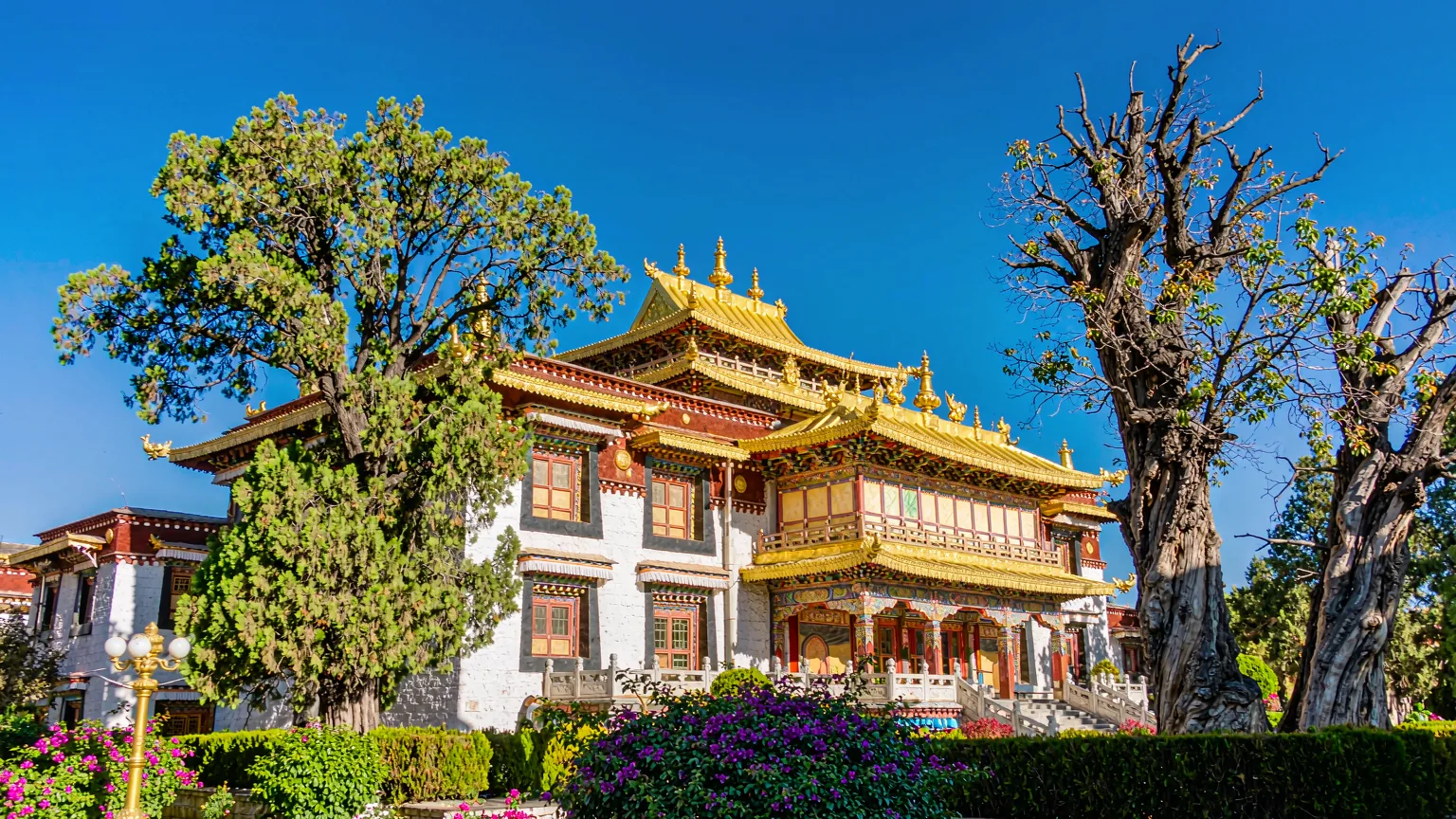
Norbulingka, meaning 'Treasure Garden' in Tibetan, was built in the 18th century as a summer retreat for the Dalai Lamas. Constructed under the 7th Dalai Lama, it expanded over generations into a sprawling complex of palaces, chapels, and gardens. It served as the summer residence and administrative center until 1959. In 2001, it was inscribed as part of the Historic Ensemble of the Potala Palace UNESCO World Heritage Site, recognizing its cultural and historical significance.
The complex covers 36 hectares and includes several distinct palaces, such as the Takten Migyur Phodrang (the New Summer Palace) and the Chensel Phodrang. Each palace features exquisite murals, intricate woodwork, and traditional Tibetan furnishings. The gardens are dotted with ponds, fountains, and rare plants, creating a microcosm of Tibetan landscaping. Visitors can also see the Dalai Lama's living quarters, meditation rooms, and a zoo that once housed exotic animals. For a deeper dive into Lhasa's religious sites, see our Jokhang Temple guide.
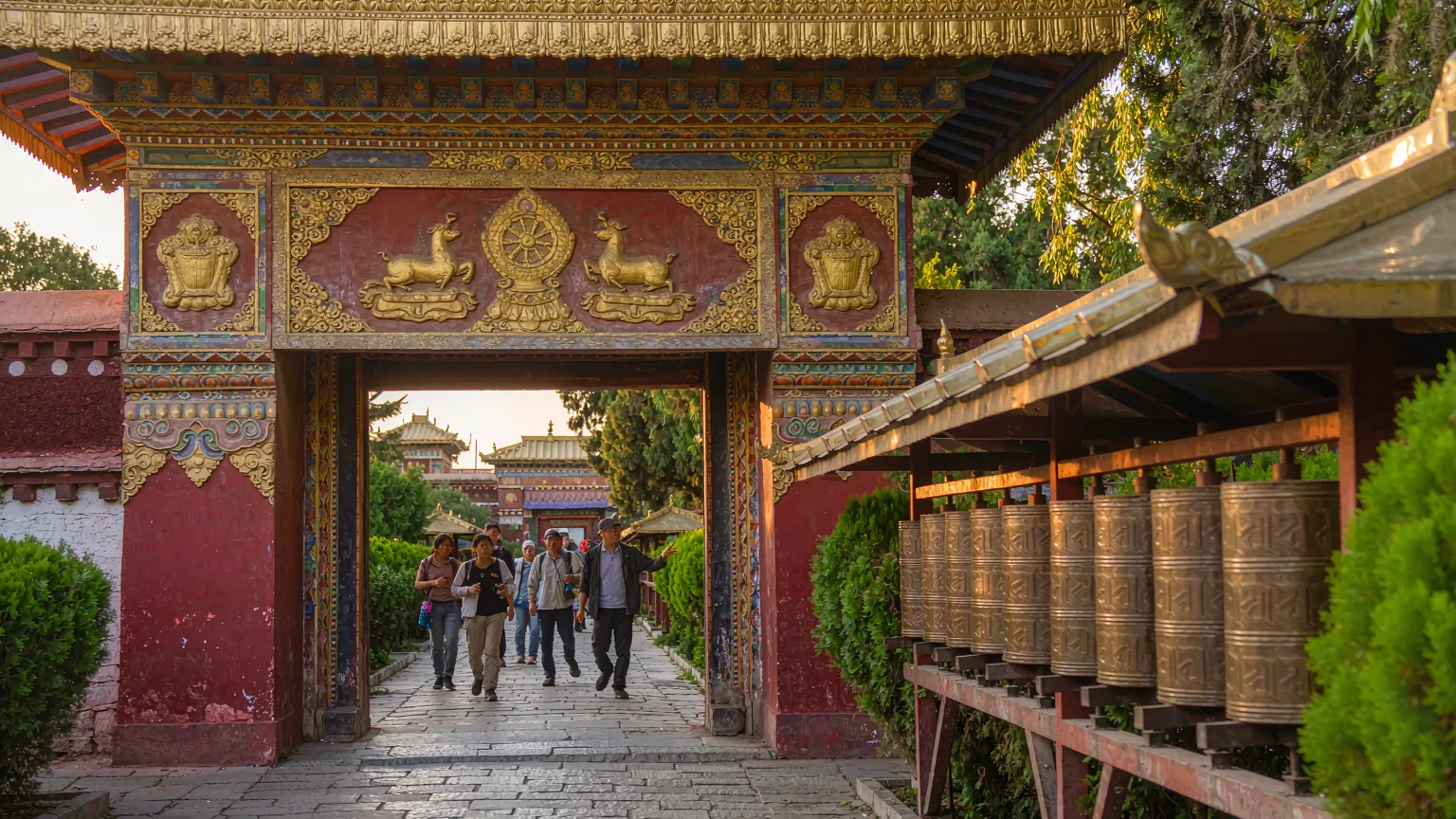
Norbulingka is located about 3 kilometers west of the Potala Palace. The easiest way to get there is by taxi, which takes around 15 minutes from the city center and costs about ¥20-30. Alternatively, you can take bus routes 2, 14, or 24 to the Norbulingka stop. Many travelers combine a visit here with the Potala Palace in the morning and Norbulingka in the afternoon, as they are on the same side of town. Our private guide can arrange seamless transfers and timing.
Tickets cost ¥60 during peak season (May-October) and ¥40 in low season (November-April). Opening hours are 9:00-18:00 in peak season and 9:30-17:00 in low season, with last entry one hour before closing. We recommend booking through our guide to skip queues, as foreign cards are not accepted at the ticket office; bring cash or use WeChat/Alipay linked to an international card.
The best time to visit Norbulingka is during the Shoton Festival in August, when the gardens are vibrant and cultural performances take place. Otherwise, visit in the morning (9:00-11:00) to avoid crowds and enjoy cooler temperatures. Spring (April-May) and autumn (September-October) offer pleasant weather and blooming flowers or golden foliage.
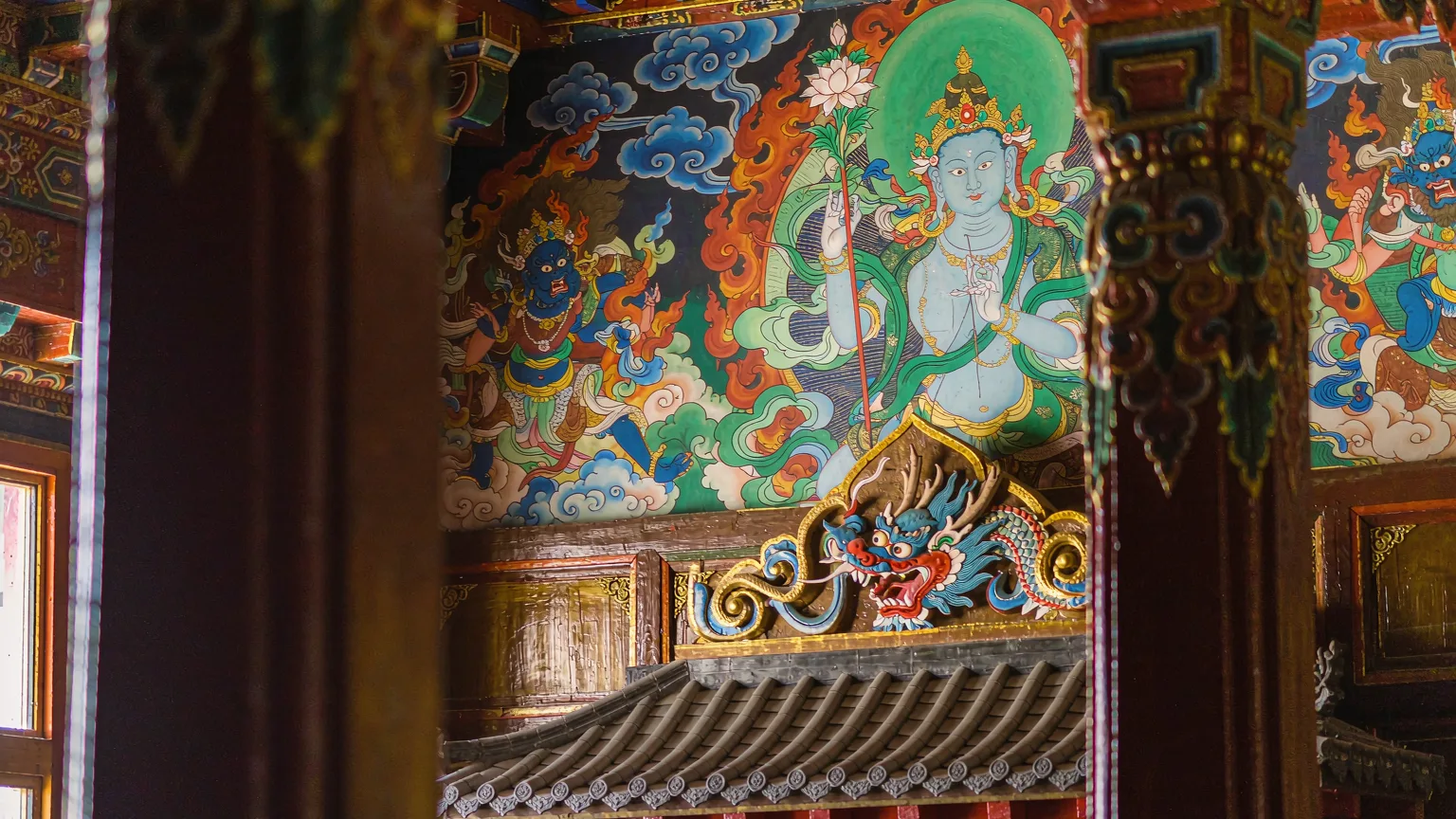
Norbulingka is known as the Summer Palace of the Dalai Lamas, featuring beautiful gardens, historic palaces, and intricate Tibetan art. It is a UNESCO World Heritage Site.
Most visitors spend 1.5 to 2 hours exploring the palaces and gardens. If you enjoy photography or want a guided tour, allow up to 3 hours.
No, Norbulingka requires a separate ticket. However, some combined tours offer packages that include both sites. Our guide can help you plan.
Yes, but hiring a guide is recommended to fully appreciate the history and symbolism. Our private tours include skip-the-line access and in-depth commentary.
Tell us your dates, group size and preferences — a dedicated consultant will reach out within 24 hours.