Guest — sign in to save your enquiries.
My account
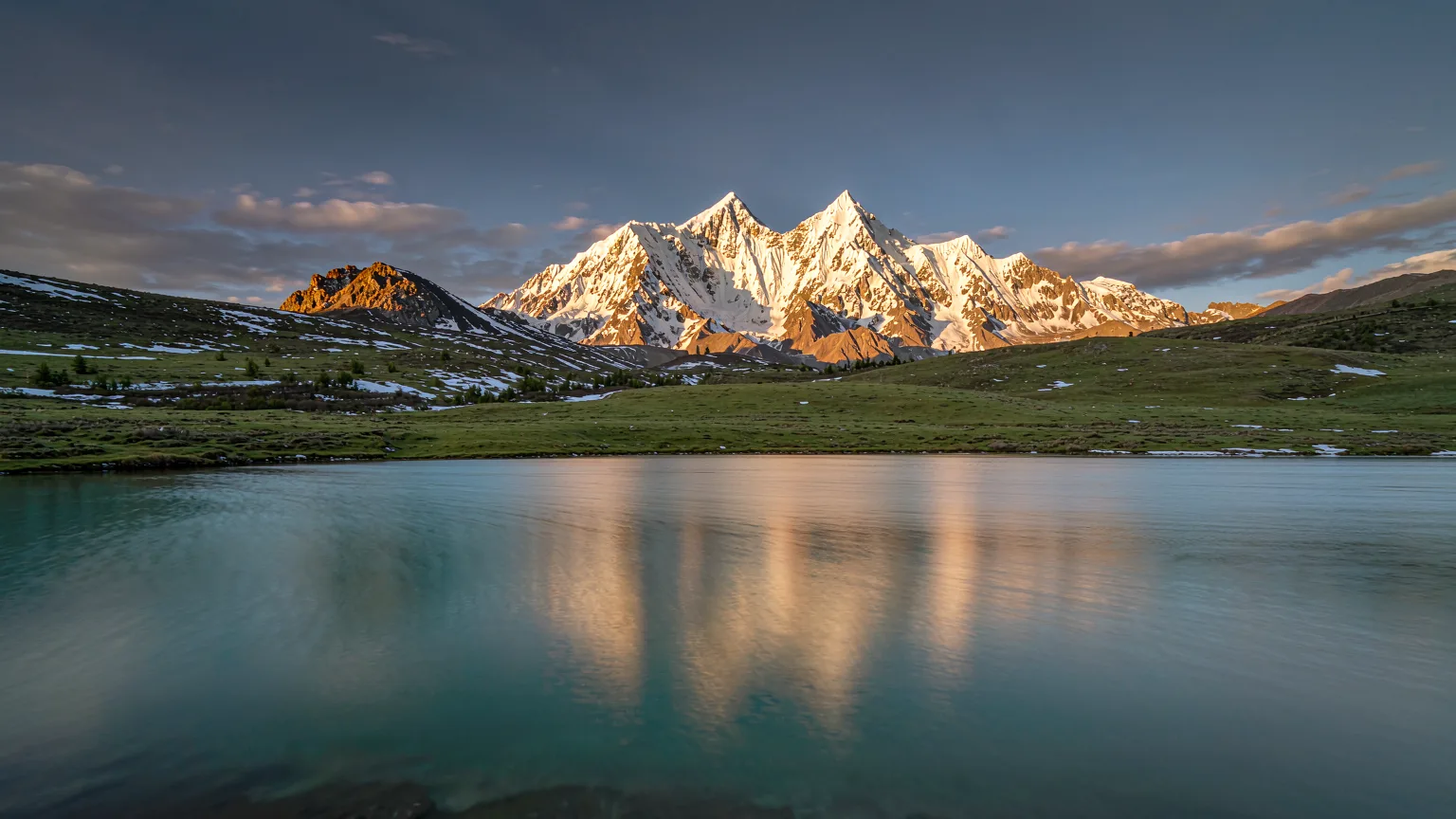
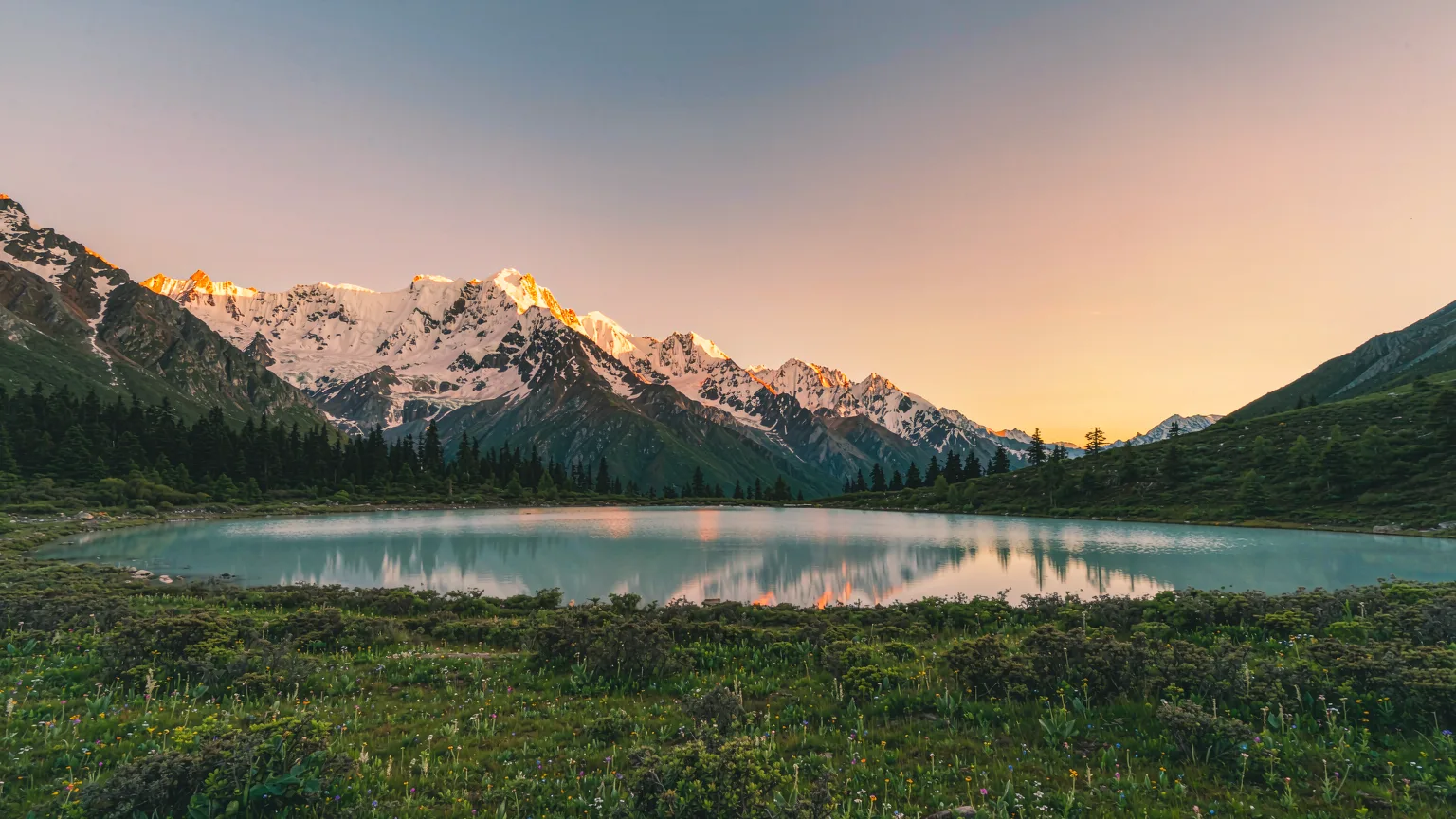
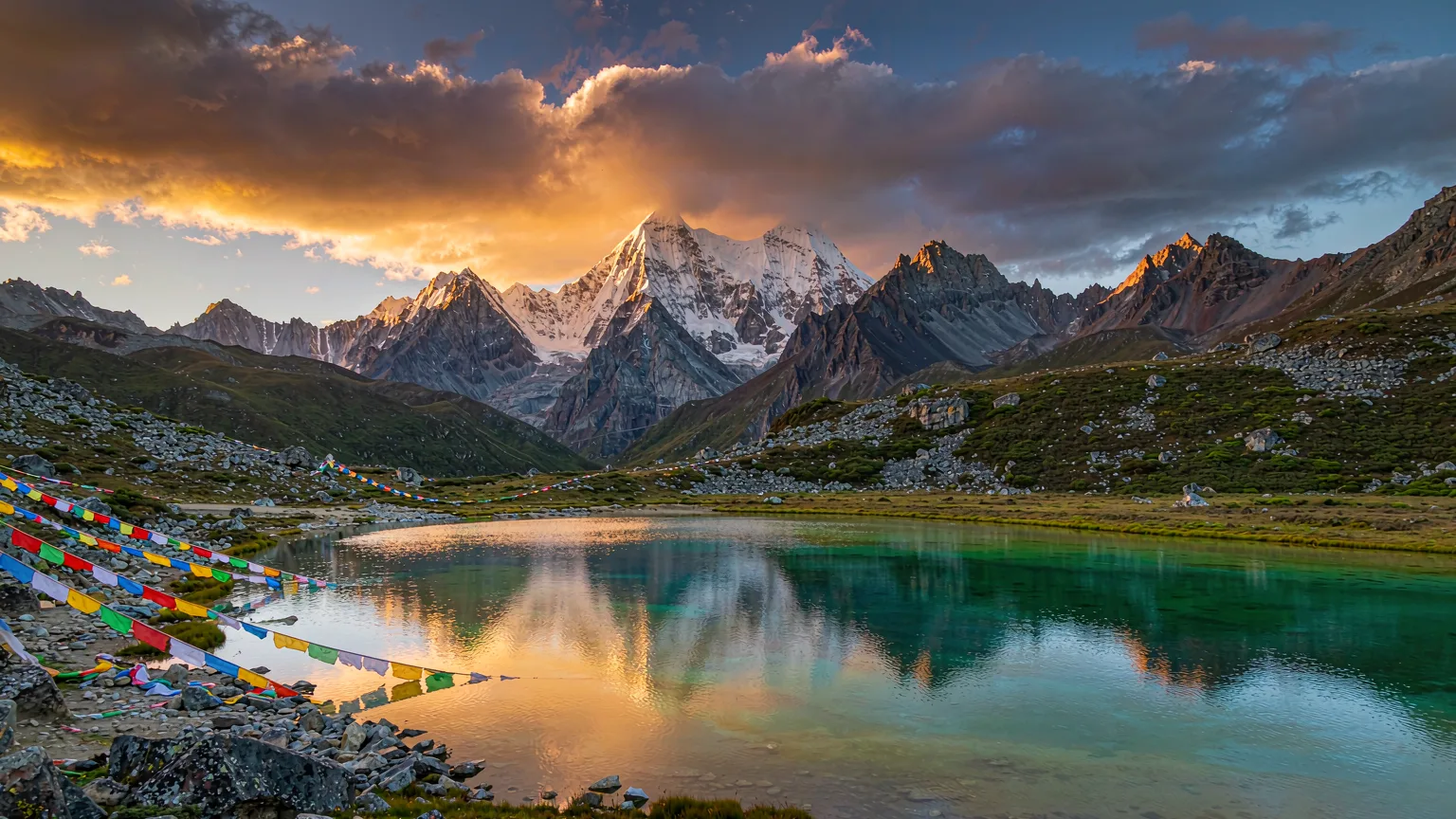
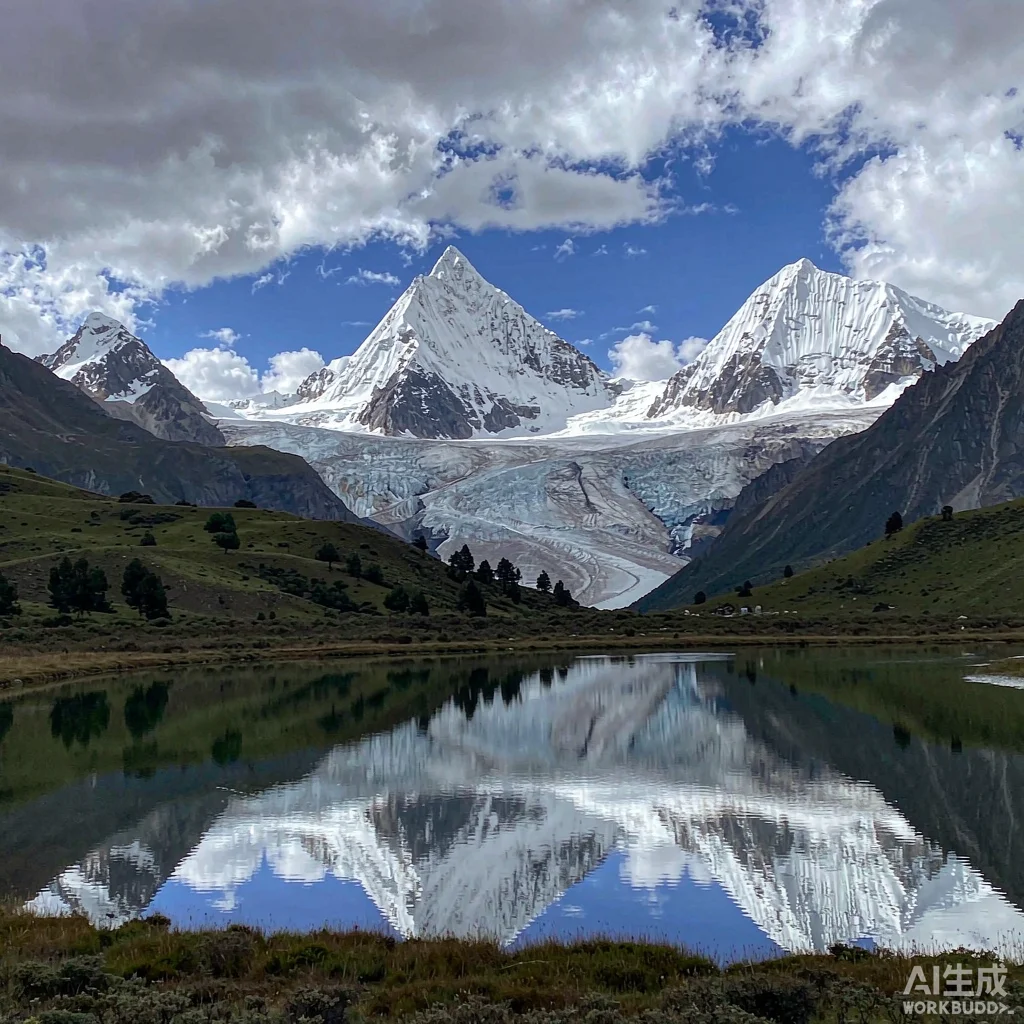
The Last Shangri-La — the three sacred mountains and Milk Lake of Daocheng Yading are the purest scenery on the plateau.
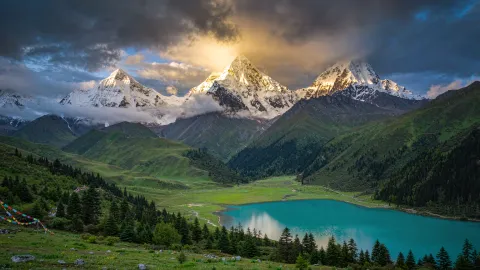
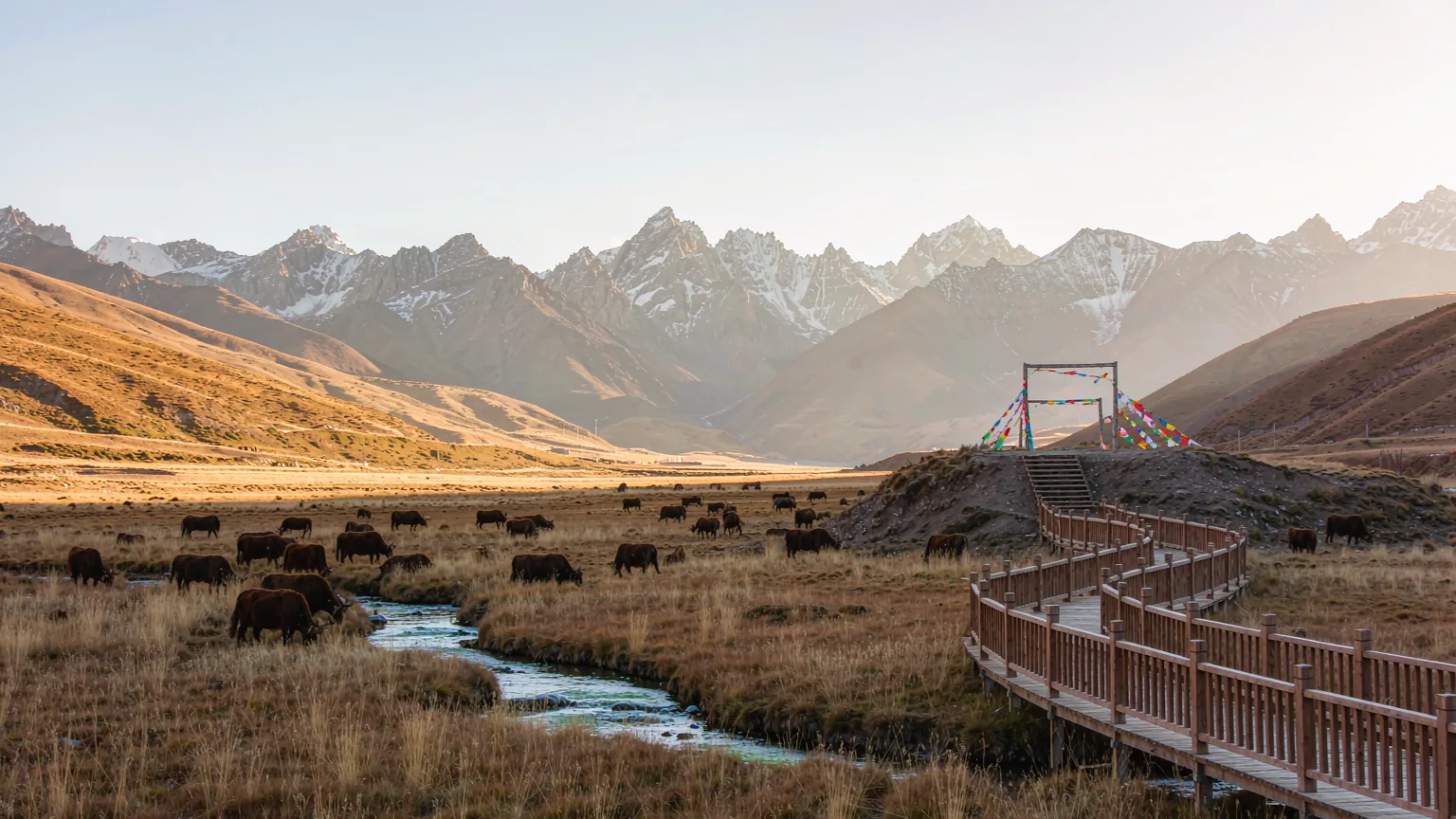
Daocheng (稻城) is a remote county in the Garzê Tibetan Autonomous Prefecture of western Sichuan, China, sitting at an average elevation of over 3,700 metres on the eastern edge of the Qinghai-Tibet Plateau. Long known to Tibetans as 'Daoba' and to Chinese travellers as the 'Last Shangri-La', it is a land of snow peaks, glacier-fed rivers, alpine meadows and ancient monasteries. The county town itself, Jinzhu, is a small, wind-bitten settlement where prayer flags snap in the thin air and yak butter tea is the standard welcome.
Daocheng's fame rests on the Yading Nature Reserve, a UNESCO World Heritage Site (inscribed in 2003 as part of the 'Three Parallel Rivers' protected areas) that shelters three sacred snow mountains: Chenresig (Xiannairi, 6,032 m), Jampelyang (Yangmaiyong, 5,958 m) and Chanadorje (Xiaruoduoji, 5,958 m). These peaks are revered in Tibetan Buddhism as emanations of Avalokiteshvara, Manjushri and Vajrapani. Around them lie turquoise glacial lakes, primeval conifer forests and high pastures where nomads still herd yaks.
For the international traveller, Daocheng is a high-altitude pilgrimage of a different kind: a place to acclimatise slowly, walk or ride horseback into the Yading valleys, and witness a Tibetan culture that has survived largely intact. The scenery is immense and the infrastructure is basic but improving. Come prepared for thin air, sudden weather and some of the most photogenic landscapes in all of China.
Daocheng County covers approximately 7,323 square kilometres in western Sichuan's Garzê Tibetan Autonomous Prefecture, with a population of roughly 30,000, most of them ethnic Tibetans. It is administered as one town (Jinzhu) and 13 townships. Its defining fact: the Yading Nature Reserve within the county was inscribed as a UNESCO World Heritage Site in 2003 as part of the Three Parallel Rivers of Yunnan Protected Areas, and its three sacred snow peaks are among the most revered pilgrimage sites in Tibetan Buddhism.

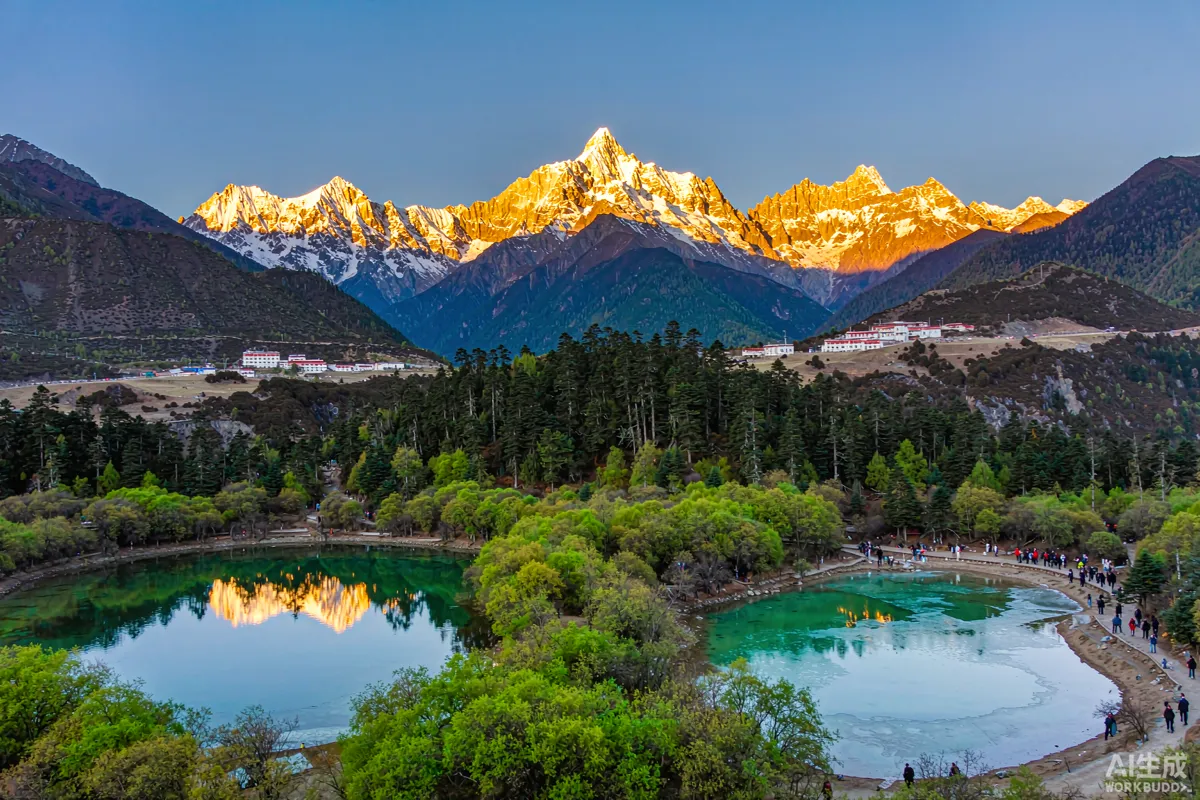
3 Days Overview of Yading's Three Sacred Mountains, Milk Lake, Pearl Lake, and Tibetan Culture
View details →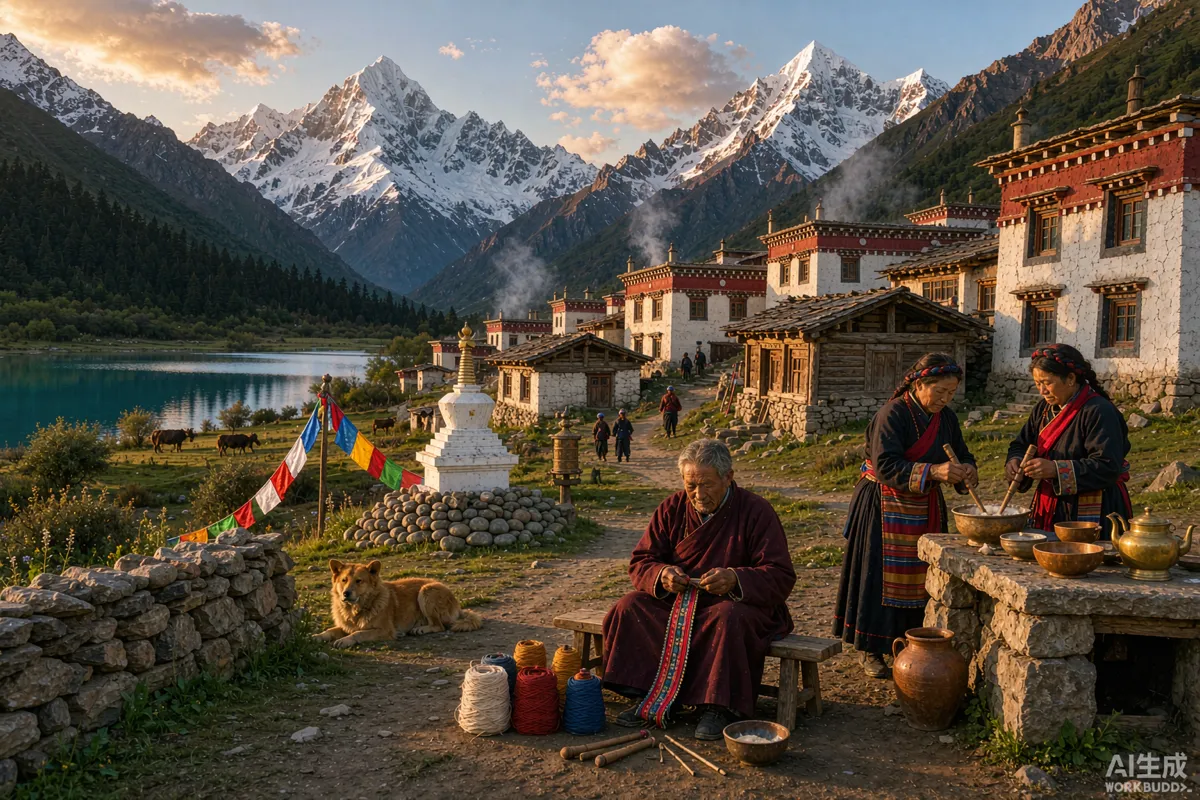
2 Days into Tibetan Buddhist Monasteries · Intangible Heritage Black Pottery · Ancient Village Life
View details →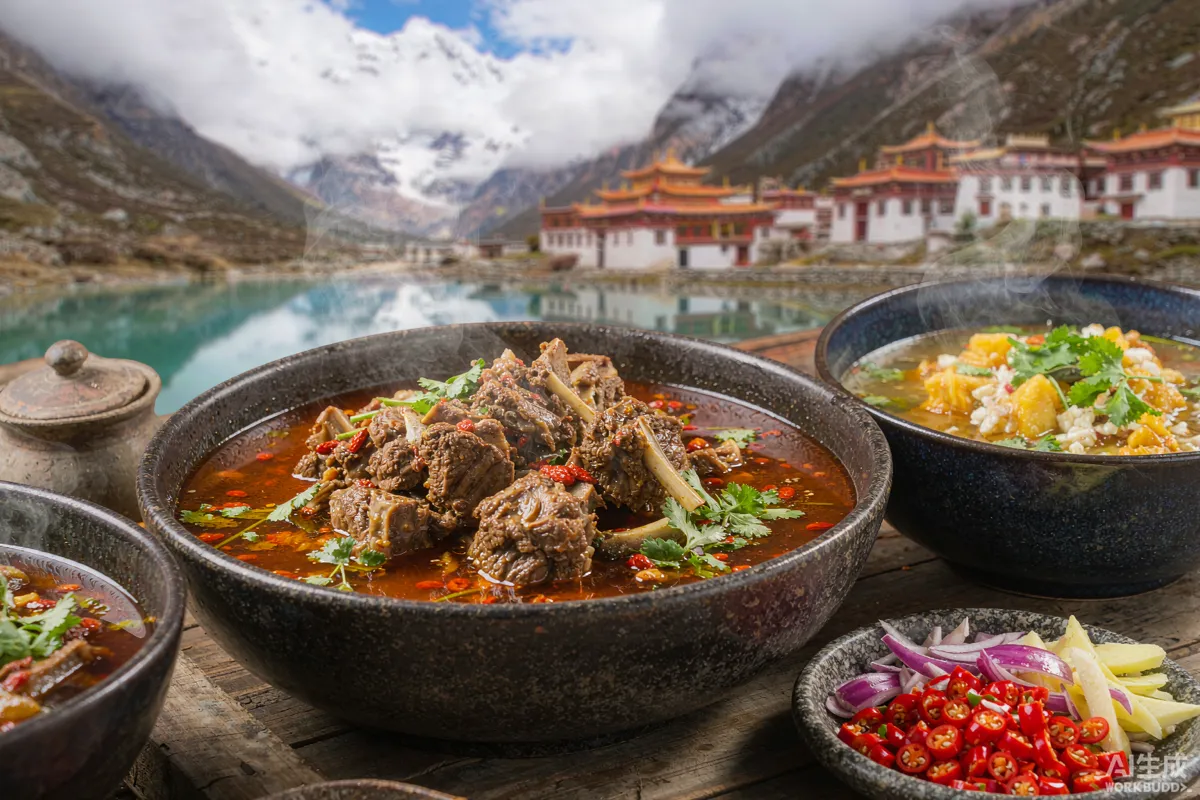
2 days exploring markets · tasting Tibetan snacks · sampling butter tea and highland barley wine
View details →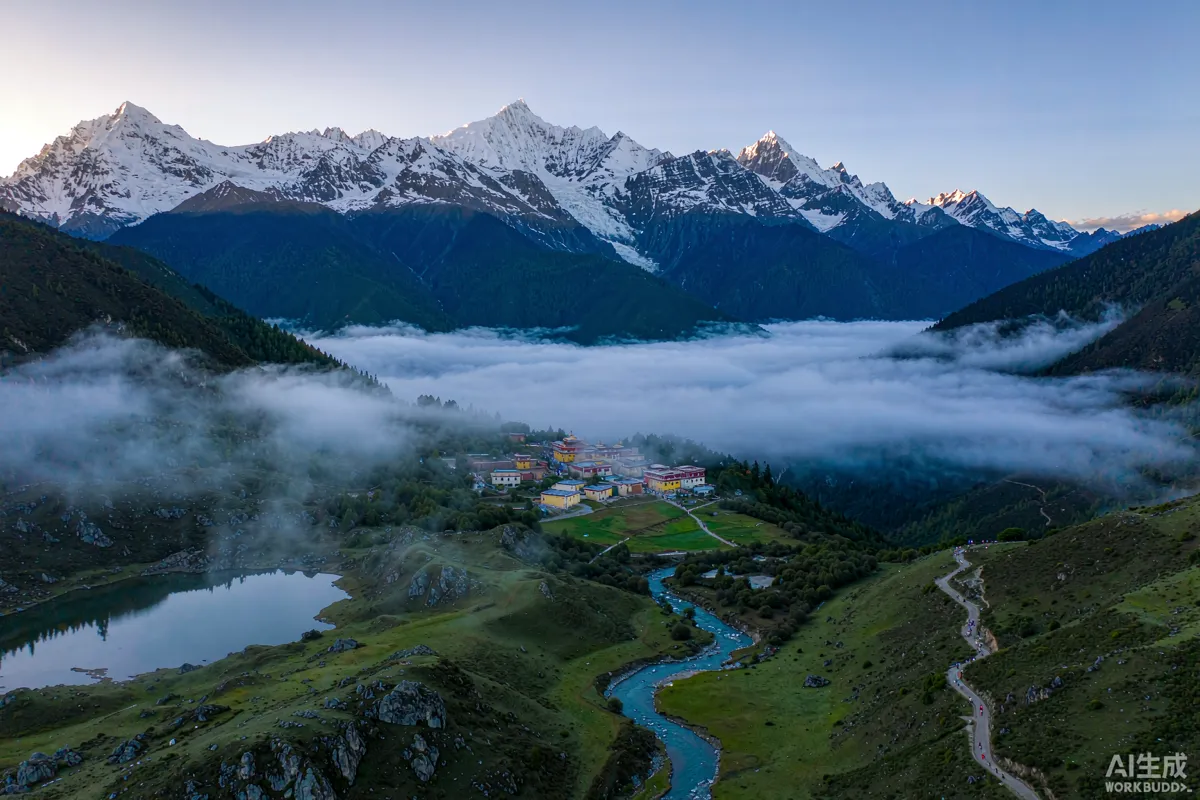
4-Day Trek Through Yading's Hidden Realm · Milk Lake · Five-Color Lake · Kasi Hell Valley
View details →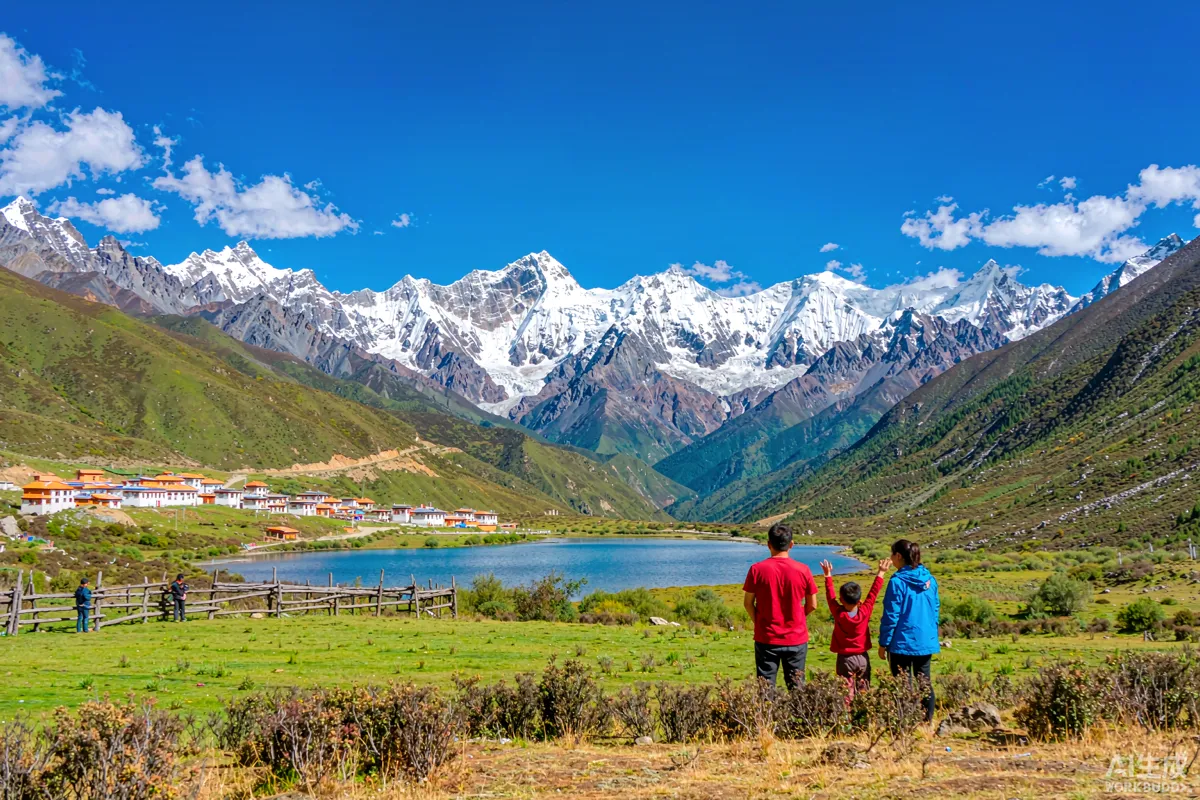
3-Day Relaxed Yading Tour · Grassland Horse Riding · Tibetan Family Visit · Family Photography
View details →| Fleet | Airport pickup & drop-off | Chauffeur by the day | Intercity transfers |
|---|---|---|---|
 Economy | from $84Book → | from $280Book → | from $170Book → |
 Comfort | from $134Book → | from $448Book → | from $272Book → |
 Luxury | from $202Book → | from $672Book → | from $408Book → |
 Special vehicles | For groups of 7+, please contact our trip designer for a quote | ||
prices may vary by date & route
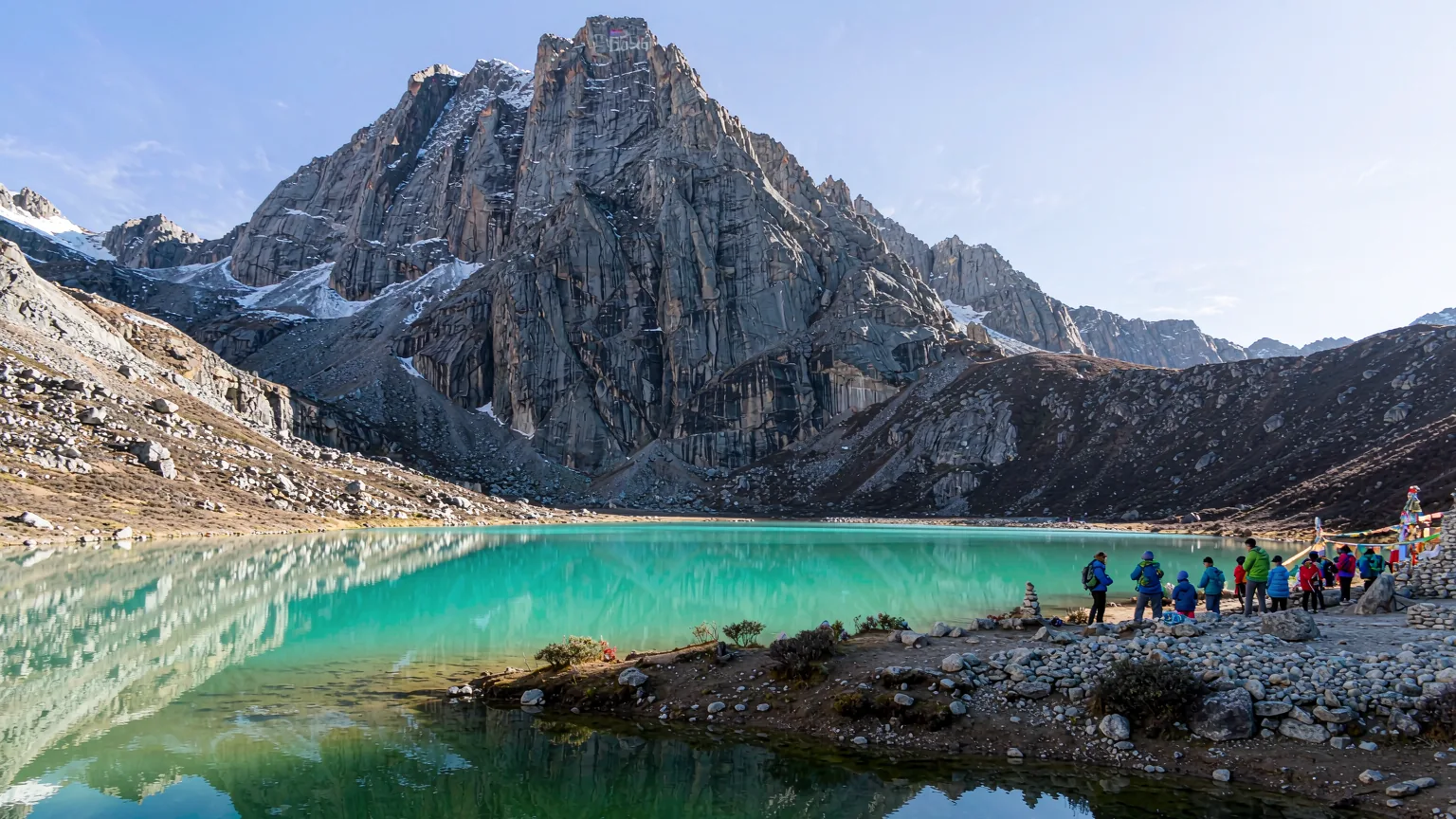
Daocheng is not a city in the conventional sense but a vast, sparsely populated county on the Tibetan Plateau. The county seat, Jinzhu Town, is a small grid of Tibetan-style buildings, a few hotels, restaurants and a bus station, sitting at 3,750 metres. It serves as the administrative and supply hub for the region.
The real draw lies 80 kilometres to the south, in Yading Nature Reserve, accessed via Shangri-La Town (Riwa). Here, the three sacred snow peaks of Chenresig, Jampelyang and Chanadorje rise above glacier-carved valleys. The reserve is a place of pilgrimage for Tibetans and a bucket-list hike for travellers, with wooden boardwalks and horse trails leading to viewpoints and monasteries.
Beyond Yading, Daocheng offers other high-altitude wonders: the Jinjiang Grand Canyon, the alpine pastures of Bangpu Monastery, and the otherworldly rock formations of Haizishan. The landscape is raw, the air is thin, and the sense of remoteness is profound.
The fastest way to reach Daocheng is by air: Daocheng Yading Airport (DCY), at 4,411 metres the highest civilian airport in the world, has daily flights from Chengdu (about 1 hour), Chongqing and Kunming. From the airport, it's a 1.5-hour drive to Daocheng town and another 2 hours to Yading. Alternatively, long-distance buses run from Chengdu Xinnanmen Station, taking two days with an overnight stop in Kangding or Xinduqiao.
Within the county, shared minivans and taxis connect Daocheng town, Shangri-La Town and the Yading visitor centre. In Yading itself, you must park private vehicles and take the reserve's shuttle bus (included in the ticket) to Yagong Valley, then optionally a battery cart to the trailheads. Hiking or horseback riding is the only way to reach the inner lakes and monasteries.
Note that roads can be blocked by snow in winter and landslides in summer. Always check local conditions and allow extra time.
Daocheng's cuisine is hearty Tibetan fare designed for high altitude and cold weather. Expect yak meat, butter tea, tsampa (roasted barley flour), and simple vegetable dishes. The food is not fancy, but it is warming and sustaining. Most restaurants are in Daocheng town and Shangri-La Town (Riwa); Yading village has basic guesthouse kitchens. Vegetarians can find noodles, rice and stir-fried vegetables, but options are limited.
Shopping in Daocheng is limited to local handicrafts and practical supplies. You'll find Tibetan jewellery, prayer flags, incense, yak wool products and traditional clothing in small shops in Daocheng town and around the Yading visitor centre. It's a good place to buy authentic souvenirs directly from Tibetan artisans, though selection is modest. Cash is still useful in remote shops.
Nightlife in Daocheng is virtually non-existent in the conventional sense. Evenings are for resting, acclimatising and stargazing. In Daocheng town, a few small teahouses and simple bars stay open late, where locals and travellers gather over butter tea or beer. In Yading village, nights are quiet and cold; most visitors turn in early to prepare for the next day's hike. The reward is some of the clearest night skies in China, perfect for astrophotography.
The best time to visit Daocheng is from late spring to early autumn, with the most stable weather and clearest mountain views in September and October. Summer brings rain and lush greenery, while winter is harsh and many facilities close. Spring can be windy and dusty. Always pack layers, sun protection and rain gear, as weather changes rapidly at this altitude.
| Period | Temperature | Conditions |
|---|---|---|
| Mar–May | -2 to 12°C | Spring: windy, dusty, snow may linger. Fewer tourists, but trails can be muddy. |
| Jun–Aug | 8 to 20°C | Summer: rainy season, lush meadows and wildflowers. Afternoon showers common; bring waterproofs. |
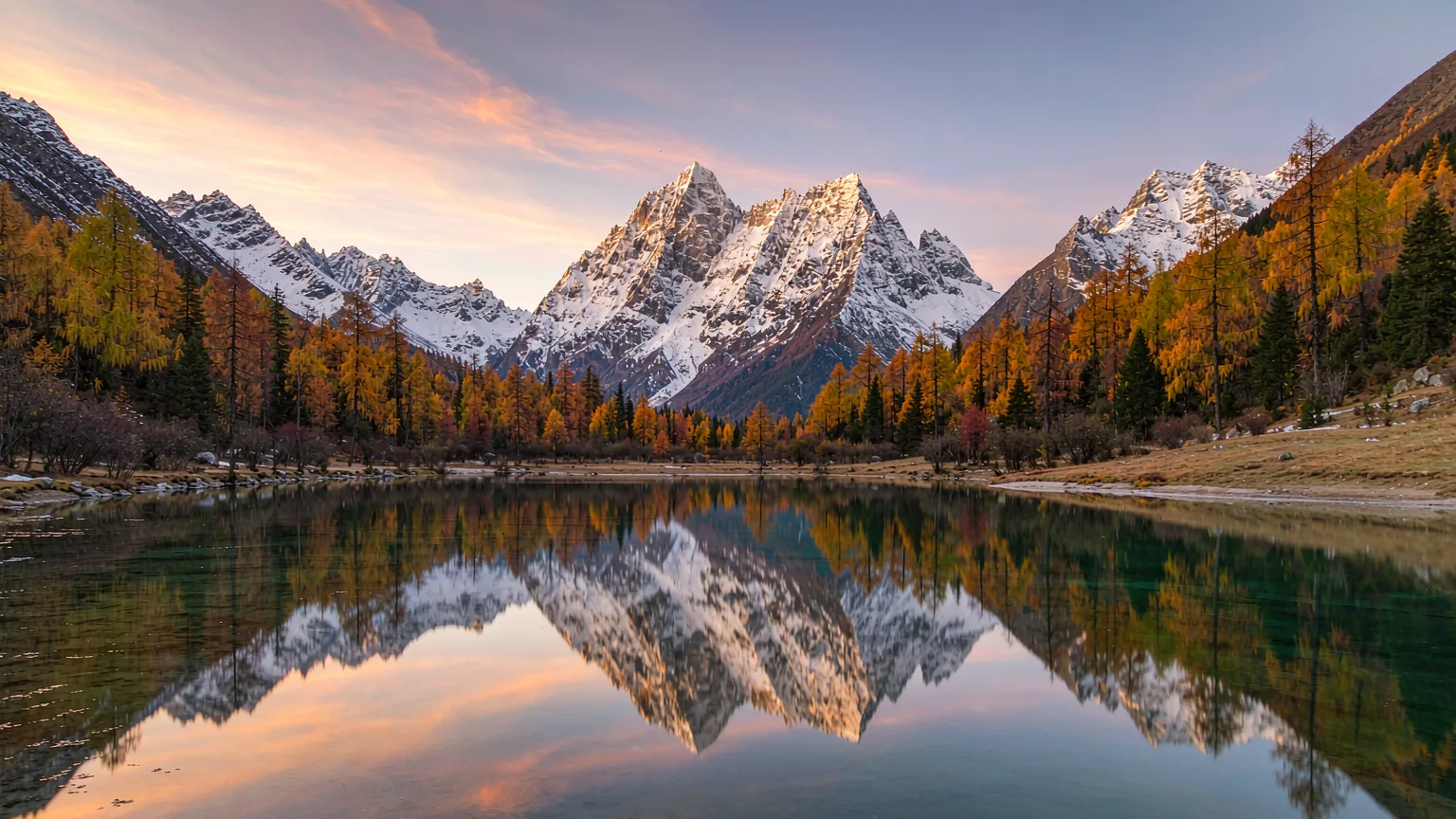
| Sep–Nov | 0 to 15°C | Autumn: best time. Clear skies, golden larches, stable weather. Book early for peak foliage in October. |
| Dec–Feb | -15 to 5°C | Winter: very cold, snowbound. Many guesthouses and trails close. Only for well-equipped, experienced travellers. |
Every private guide is licensed and vetted. Choose a tier that fits your trip — rates are per guide, per day, in USD.
A dependable all-rounder for an easy, well-planned day.
An experienced specialist with deeper local insight.
A senior expert — and, on request, medical-travel accompaniment.
Hand-picked, licensed guides based right here. Tap book to start a conversation and lock in your dates.

Most travellers spend 3 days in Daocheng, though many stay longer once they arrive. If you want to combine Daocheng with other cities — pandas, mountains, food streets — our consultants design one private itinerary at your own pace.
Yes. MyGuideTrip arranges vetted, licensed local guides in Daocheng and across China. Your guide speaks fluent English, stays with you for the entire trip, and handles tickets, transport and restaurant picks. Meet them on the Guides page.
Daocheng is best known for View the three sacred mountains. The recommended itineraries below cover these highlights with smart timing to beat the crowds.
Send us your dates, group size and interests — a dedicated consultant replies within 24 hours with a tailor-made Daocheng itinerary covering guide, driver, hotels and tickets. Start with a free consultation below.
Tell us a little about your trip and we'll get back to you within 24 hours.
We'll reply within 24 hours.