Chinese Breakfast: A Guide from Street Stalls to Teahouses
Soy milk and youtiao, jian bing crepes, congee with a hundred sides, regional noodle breakfasts and the teahouse alternative: what China eats before 9 am, what each costs, and how to build a breakfast habit worth traveling for.
Why eat breakfast the local way
Breakfast is the most regional meal in China and the cheapest: ¥5–15 buys a full morning from a street stall, and the stalls vanish by 9:30 am — this is the meal you cannot get later. It is also the meal closest to daily life: office workers queue beside retirees, nobody performs for tourists, and the cooking is constant-fresh because demand is continuous.
The national standards
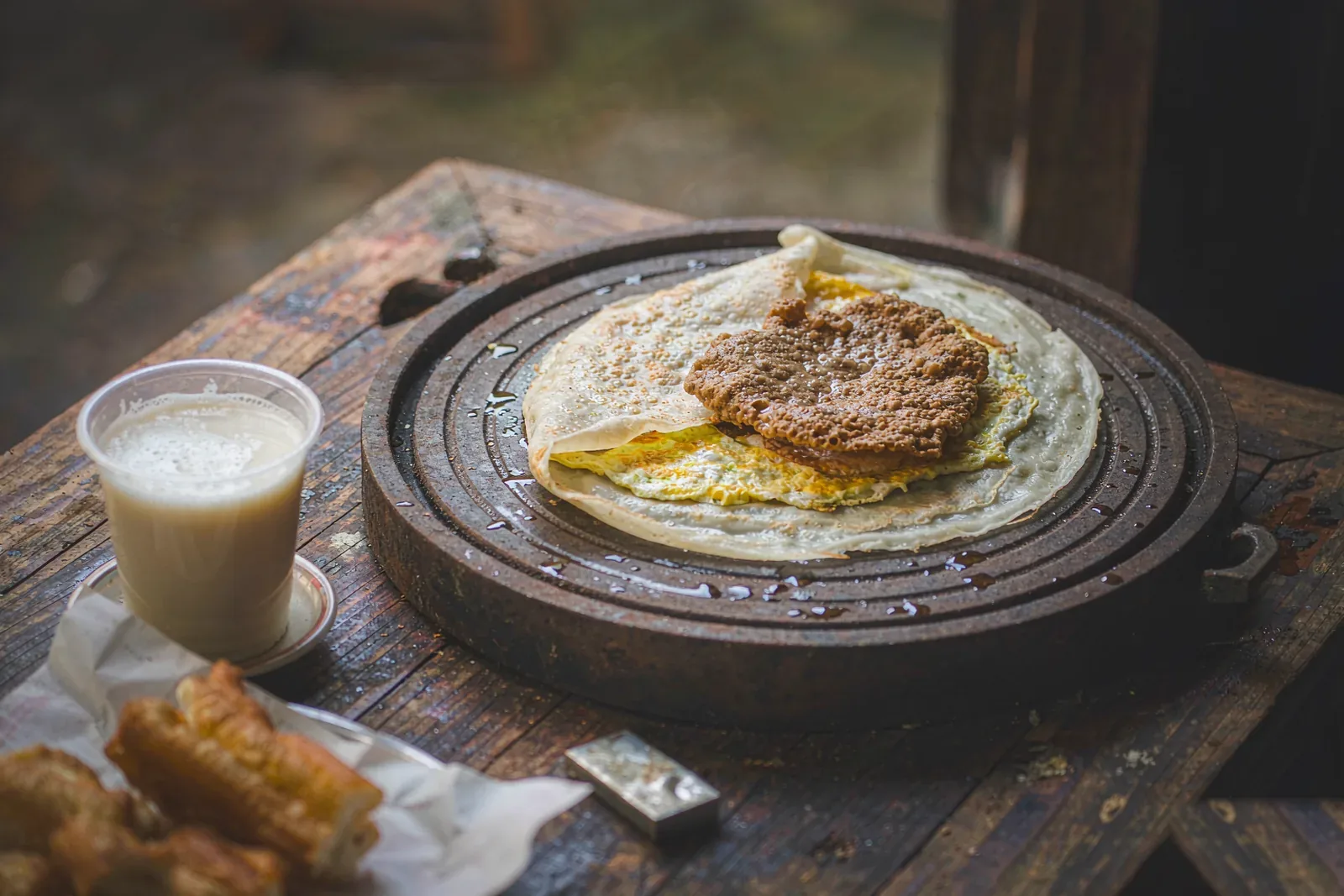
- Doujiang + youtiao (豆浆油条) — warm soy milk (sweet or savoury) with fried dough sticks for dipping. The default pairing of the nation, ¥3–8.
- Jian bing guo zi (煎饼果子) — egg crepe with crispy cracker, scallion and chilli brush, made in front of you on a griddle. Tianjin's gift; excellent everywhere.
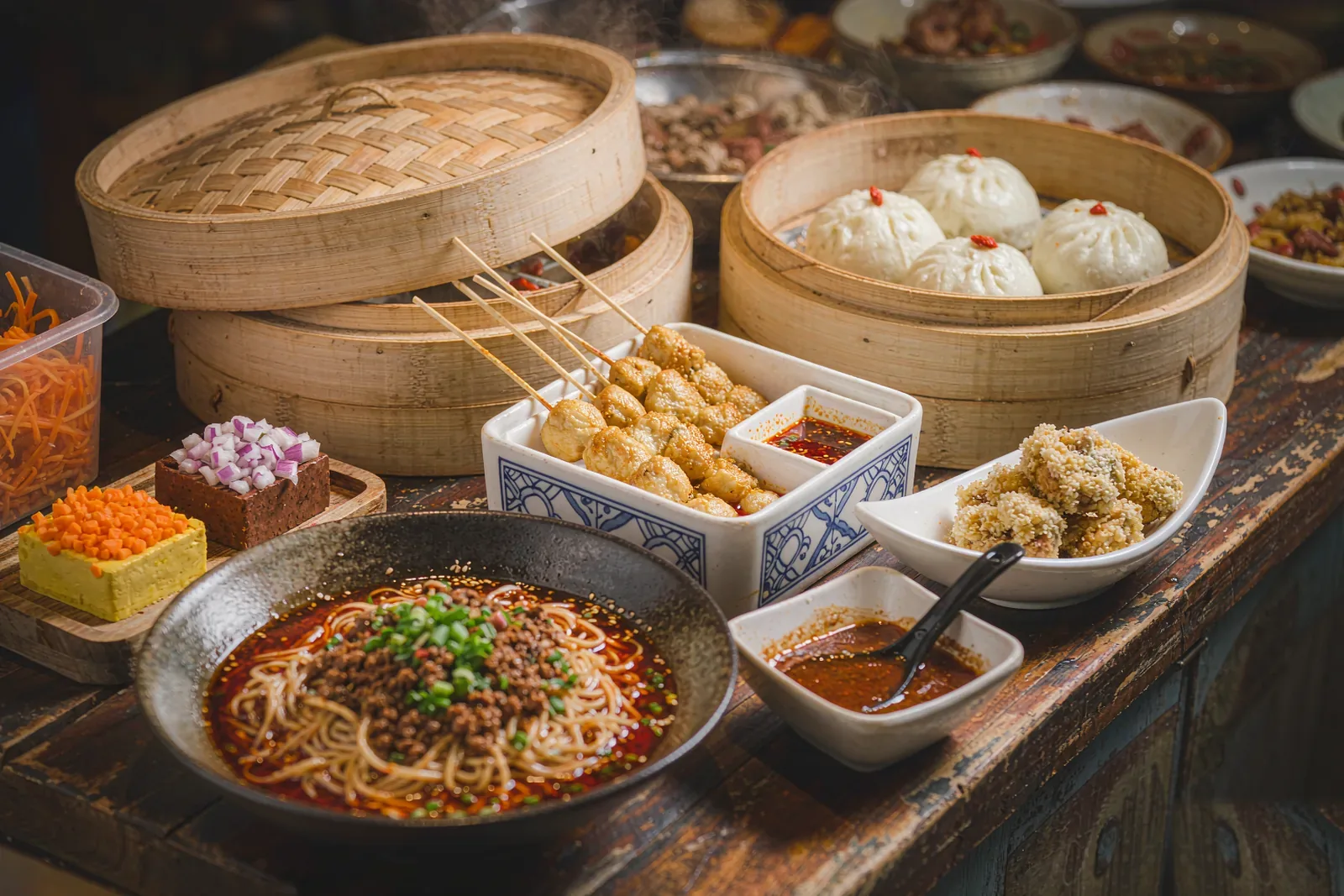
- Baozi (包子) — steamed buns of pork, vegetables or red-bean paste; see the dumpling families.
- Congee (粥) — rice porridge with a rotating cast of sides: pickles, century egg, salted duck, fried peanuts. Cantonese congee palaces elevate it to cuisine.
- Tang bao and sheng jian — soup buns for the sit-down morning.
Regional breakfast identities
- Wuhan: hot dry noodles (热干面) with sesame paste — the city eats breakfast walking, "guò zǎo".
- Guangzhou: yum cha — morning tea as a two-hour institution; see the dim sum guide.
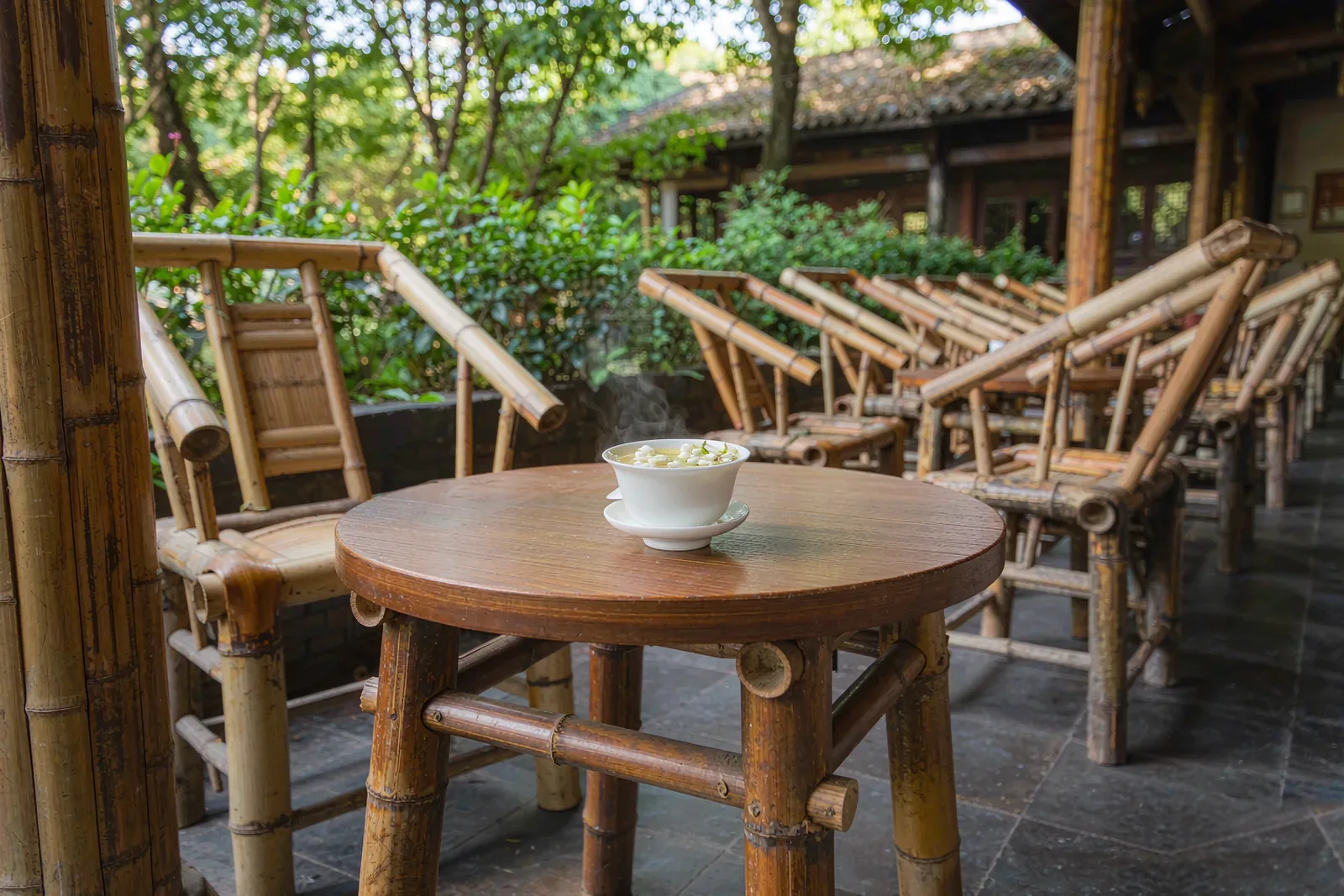
- Chengdu: red-oil wontons, guokui flatbread and a teahouse afterwards — see the teahouse guide for the slow version.
- Xi'an: mutton paomo and hu la tang stews in the Muslim Quarter.
- Shanghai: ci fan tuan (rice rolls) and da bing flatbreads with sweet soy milk.
Practical breakfast strategy
Follow three rules: eat where the queue is local and moving; carry small change or QR payment (see the payments guide); and go early — the best stalls sell out. Hotels include breakfast but the street version is where the culture lives; a local guide turns the first morning into a stall-crawl. Any Chengdu or city tour can start with one — it costs the guide nothing and travellers remember it forever.
FAQ
Is street-stall breakfast safe?
Yes when turnover is high — griddles and steamers run continuously from dawn. The rule from our food guide applies double at breakfast: busyness is freshness.
What is savoury vs sweet soy milk?
Sweet doujiang is the default drink. Savoury (咸豆浆) curdles the soy with vinegar, dried shrimp, pickles and scallion — a Shanghai-region soup, surprisingly good once you expect soup, not milk.
Vegetarian breakfast options?
Plenty: jian bing without the pork floss, plain baozi with vegetable or red-bean filling, congee with pickle sides, soy milk and youtiao. See the vegetarian guide.
What time do stalls close?
Most street breakfast winds down 9:00–9:30 am; noodle shops hold on longer. The teahouse is the answer afterwards — seating lasts all day.
Related guides