Dim Sum and Morning Tea: A First-Timer's Guide to Yum Cha
Cart or order sheet, har gow versus siu mai, tea etiquette and the two-finger tap: how yum cha actually works, which dim sum to order first, and how the morning-tea ritual fits into a China itinerary.
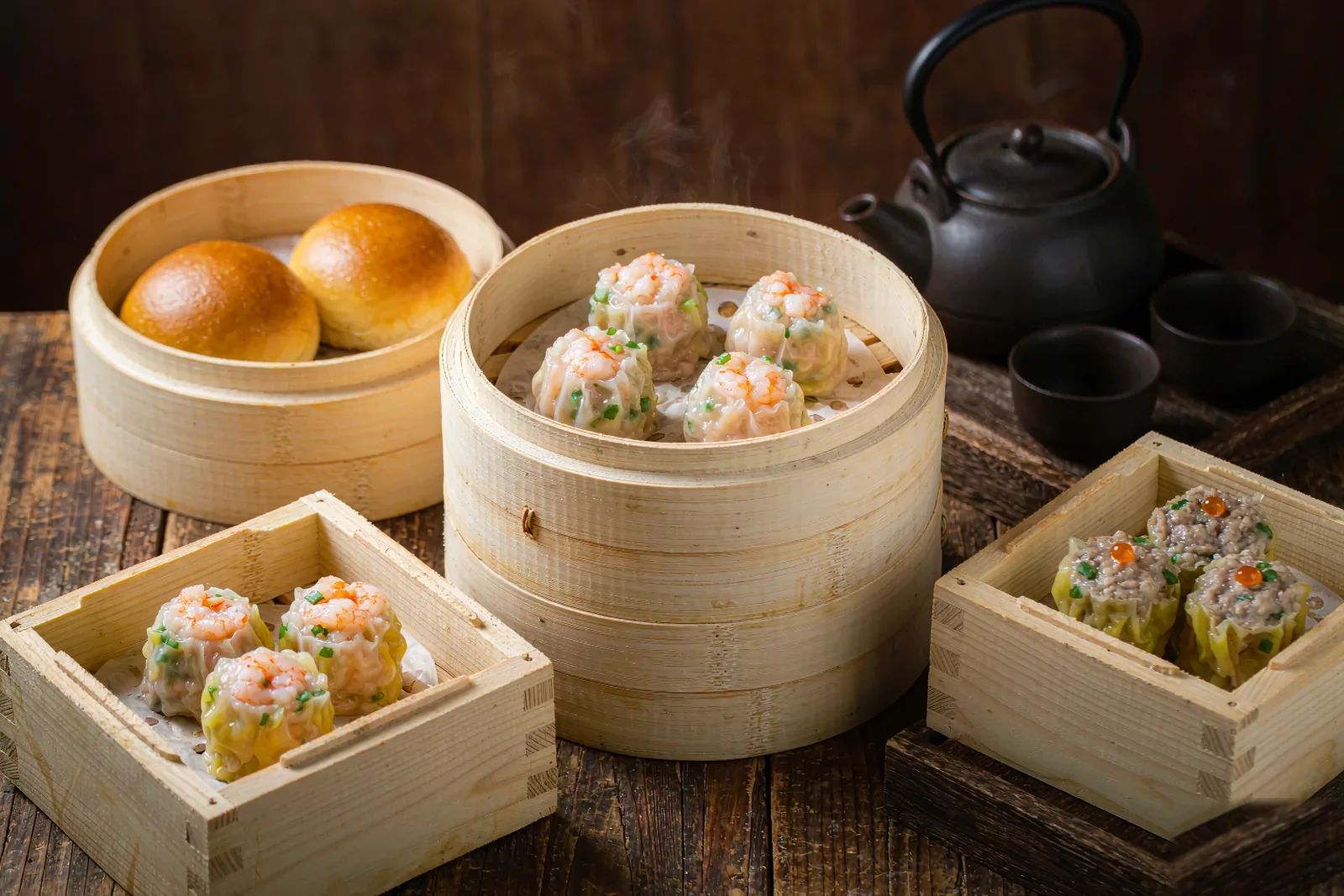
What yum cha means
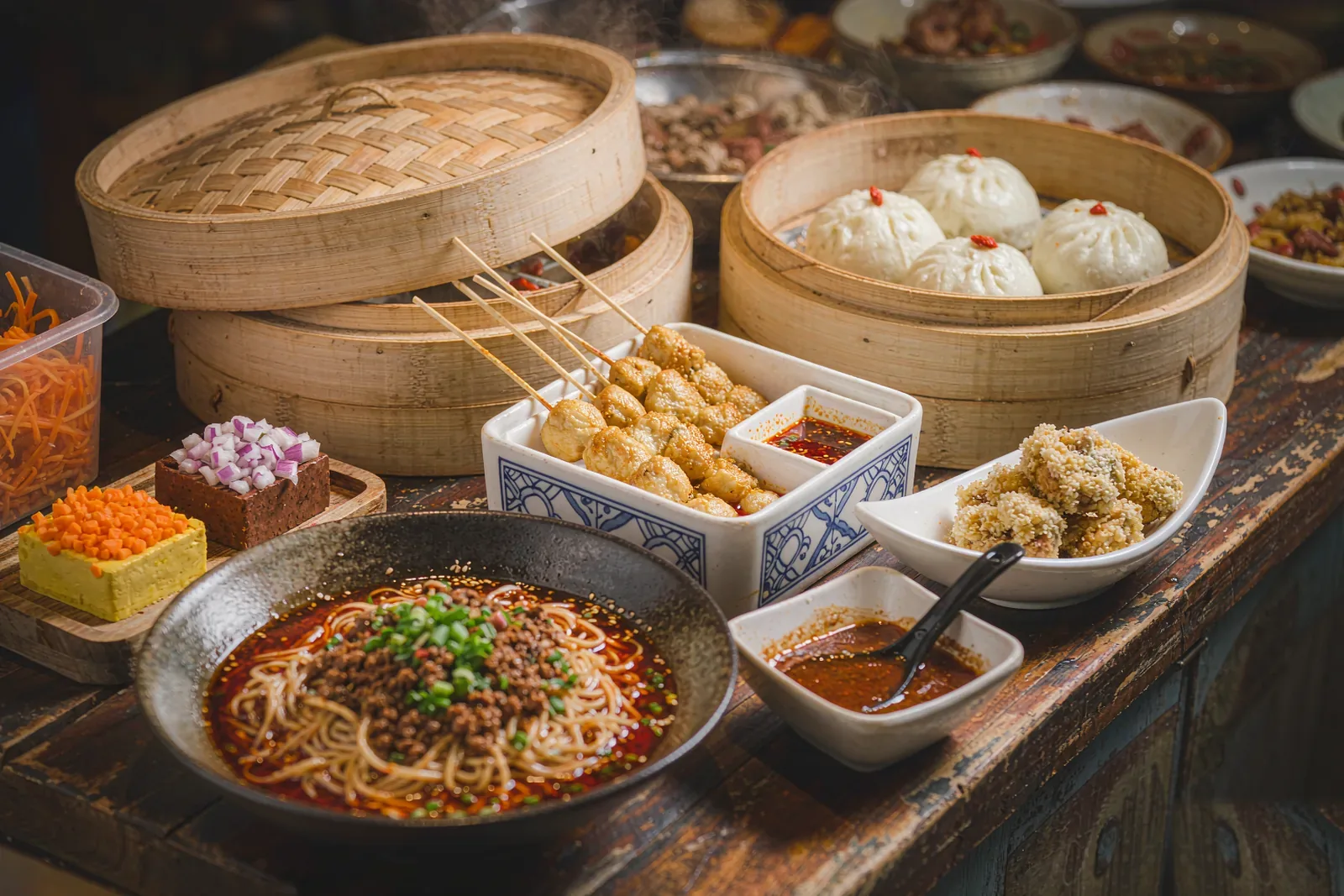
Yum cha (饮茶, "drink tea") is the Cantonese institution of breakfast-as-social-event: tables of families and retirees, trolleys or order sheets of small steamed plates, and bottomless pots of tea from about 7 am until early afternoon. It is slower than Western brunch and more communal — you are buying a table for the morning, not a plate of snacks.
The order-of-play
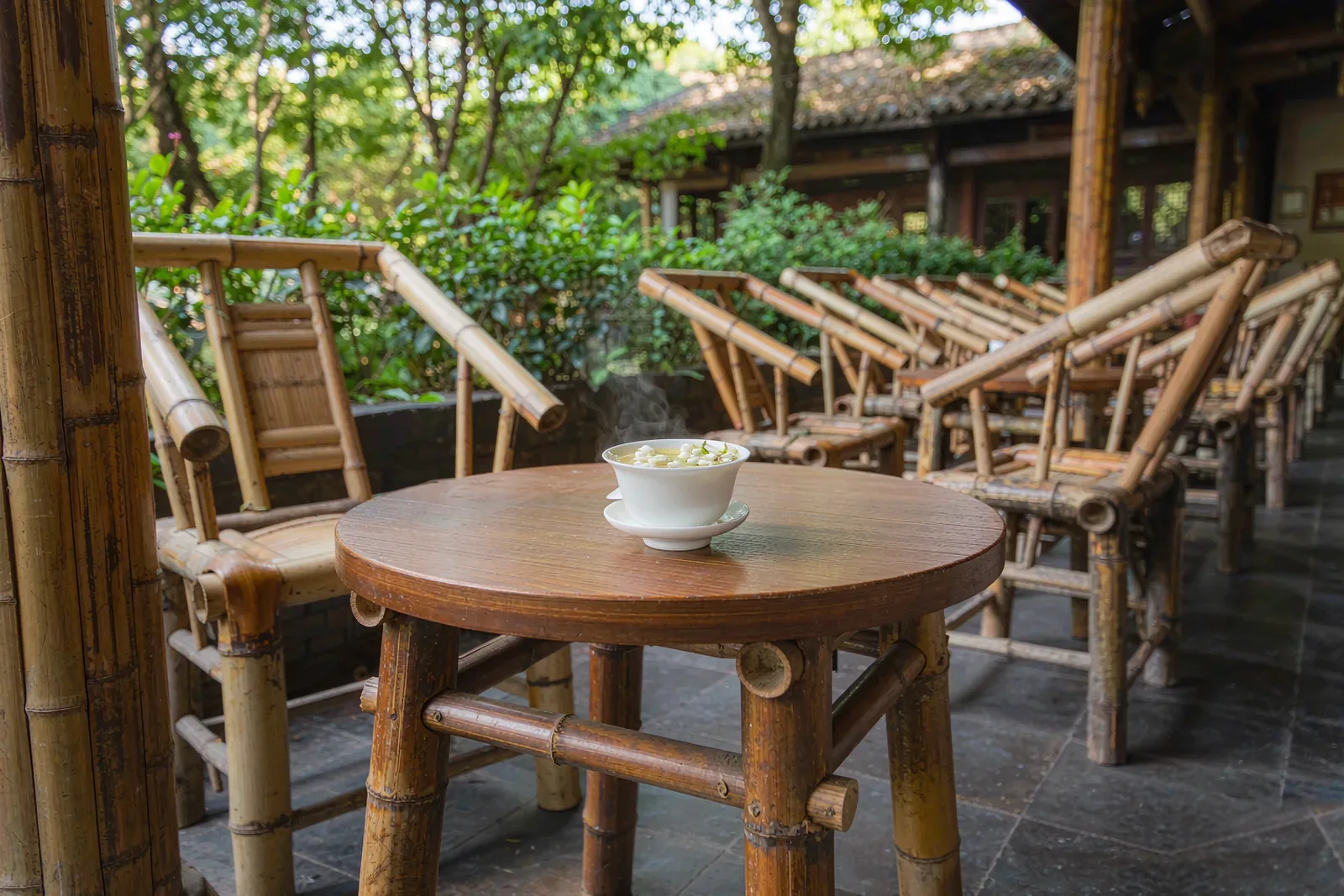
Be seated, choose a tea (jasmine and pu'er are the defaults; tea may be charged per head, ¥5–15), and receive either an order sheet to tick or access to the trolley flow. Trolleys circle in waves — savoury steamers first, sweet and rice-sheet dishes later, dessert last. Stamp or tick as carts pass, or simply point. The two-finger tap on the table thanks whoever refills your cup. See our teahouse etiquette primer in Chengdu teahouse culture for the gesture's origin story.
First-timer's ten
- Har gow (虾饺) — crystal-skin shrimp dumplings, the benchmark of any kitchen.
- Siu mai (烧卖) — pork-and-shrimp open-topped dumplings with roe.
- Char siu bao (叉烧包) — fluffy steamed buns of barbecued pork.
- Cheung fun (肠粉) — silky rice sheets over shrimp or beef, sweet soy drizzle.
- Phoenix claws (凤爪) — braised chicken feet; the texture-lover's rite of passage.
- Spare ribs in black bean (豆豉排骨) — small steamed plate, big flavour.
- Egg tarts (蛋挞) — the Portuguese-influenced finisher.
- Liu sha bao (流沙包) — molten salted-egg-custard buns, order two.
- Spring rolls (春卷) — the familiar friend.
- Lo mai gai (糯米鸡) — lotus-leaf-wrapped sticky rice with chicken; a meal in itself.
Where yum cha fits in a China trip
Guangzhou is the classical heartland — century-old teahouses like Guangzhou Restaurant or Taotao Ju are institutions — while Hong Kong and Macao run their own refined scenes; Shanghai's version is nearer to brunch. Chengdu's morning-tea equivalent is the park teahouse (see the teahouse guide), a different grammar of the same idea. A local guide in Guangzhou orders the day's best batch and explains each steamer as it lands; dim-sum mornings slot naturally into Guangzhou tours. Budget ¥40–100 per person for a generous table.
FAQ
Is dim sum only a morning thing?
Traditionally 7 am–2 pm; some big Cantonese kitchens run a second evening session. Outside those windows, order dim sum dishes à la carte at Cantonese restaurants any time.
What is the tea charge on my bill?
Tea is charged per person (茶位费, ¥5–15) and includes free hot-water refills — it is the seat rental of yum cha, not a hidden fee.
How do I know what a trolley item is?
Lift the lid and look — carts expect it. A guide or the stamp-card photos make it easy; when in doubt, har gow and siu mai are always safe yardsticks.
Vegetarian options?
Yes: cheung fun with plain filling, vegetable spring rolls, taro dishes, sesame balls and rice-sheet rolls. See the vegetarian guide for phrase cards.
Related guides