Vegetarian and Vegan Eating in China: A Practical Guide
Buddhist vegetarian restaurants in every big city, vegan-friendly Sichuan dishes, and the three hidden ingredients that catch out plant-based travellers: how to eat well meat-free in China — with the phrases that make it work.
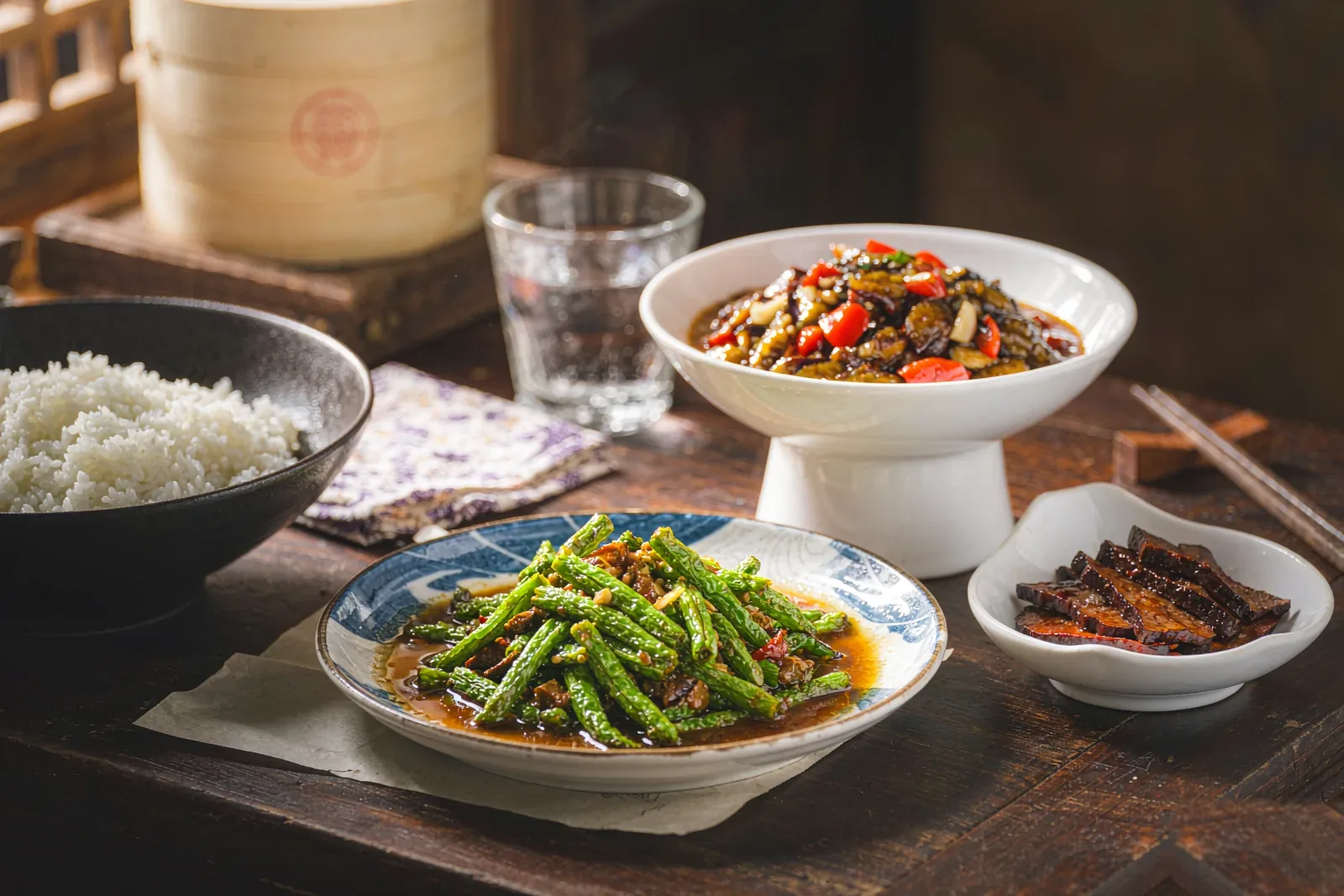
The good news first
China runs a parallel vegetarian tradition a thousand years old: Buddhist vegetarian (素/斋) restaurants exist in every major city, serving full menus of mock meats, tofu craft and vegetable dishes that have nothing to prove. Add the naturally plant-based backbone of Chinese home cooking — stir-fried greens, tofu in every texture, noodles, congee — and a vegetarian trip is entirely workable. Vegan requires the vigilance described below, but is very doable.
The three ingredients that catch people out
- Pork fat or chicken stock — vegetable dishes are frequently finished with lard or cooked in chicken broth, especially in Sichuan and Hunan kitchens.
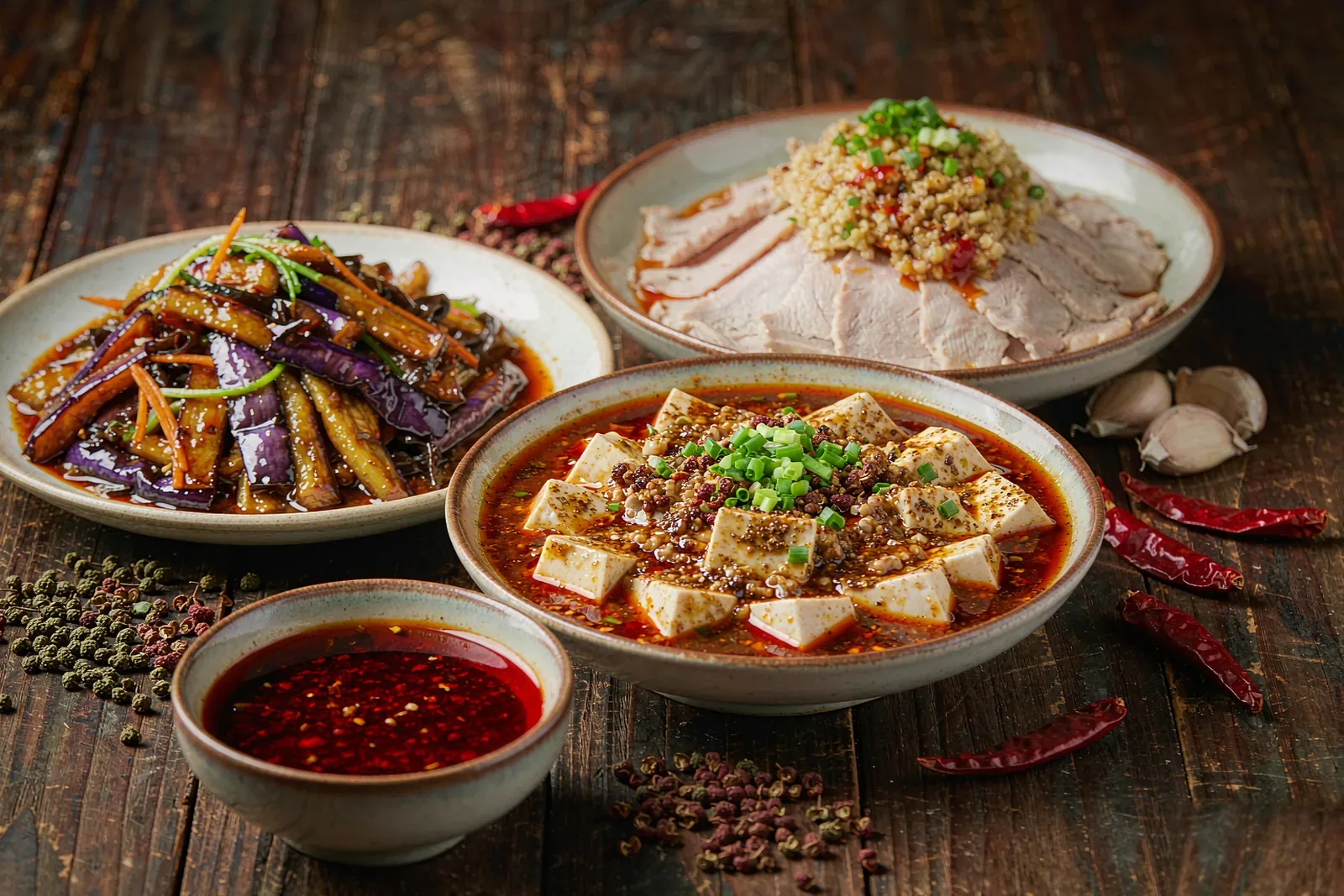
- Minced pork as seasoning — mapo tofu's classic recipe includes minced beef or pork; dan dan noodles likewise. "No meat visible" is not the same as meat-free.
- Fish sauce or dried shrimp — common in southern and Cantonese vegetable preparations.
The fix is a phrase card: chī sù (吃素) — "I eat vegetarian"; for vegan, say bù chī ròu, bù yǒu ròu tāng, bù yòng zhū yóu — no meat, no meat broth, no lard. Show it at every restaurant; kitchens accommodate gladly once they understand.
Safest strategies, in order
- Buddhist vegetarian restaurants (素食餐厅/斋菜馆) — 100% meat-free kitchens, often near temples. Chengdu has excellent ones near Wenshu Monastery; search maps for 素食. Mock-meat sceptics should try a good 素回锅肉 first.
- Temple-adjacent canteens — simple, cheap, authentic.
- City Western-adjacent districts — big cities have dedicated vegan cafés in the coffee districts, useful for a palate reset.
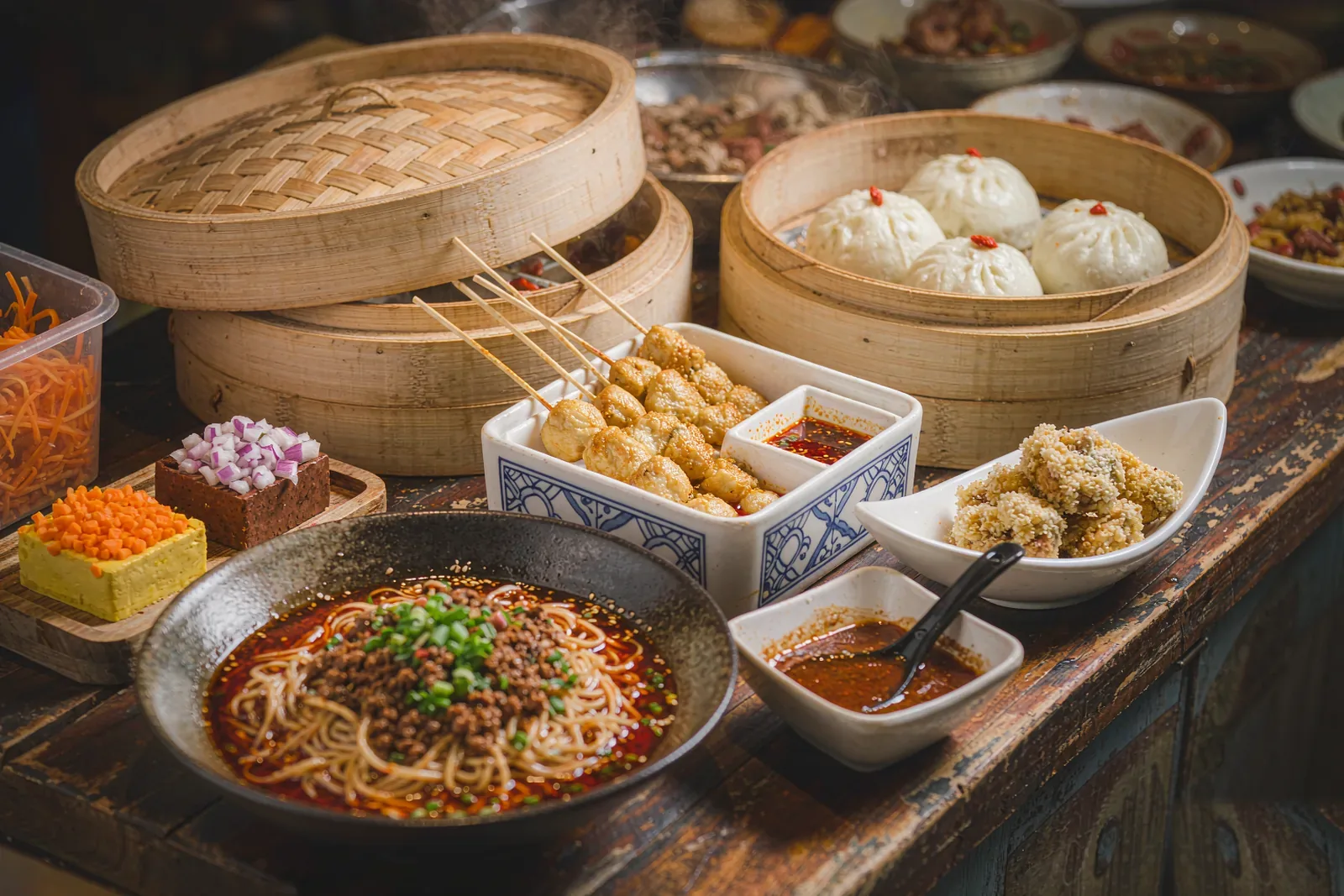
- Noodle and congee shops — order su mian (素面, vegetarian noodles) or plain congee with pickles; nearly always genuinely vegetarian.
Sichuan without meat: better than expected
Sichuan's vegetable repertoire is a genuine highlight: gan bian si ji dou (dry-fried green beans — ask for no minced pork), yu xiang qie zi (fish-fragrant eggplant — no fish, see the flavor-profile guide), mapo tofu ordered chī sù (many kitchens will make it with mushrooms), huì guō qié zǐ, smoked tofu, and cold-dress cucumbers. Ask for wēi là if heat is a concern — see the spice scale.
How a guide solves this in one sentence
Every MyGuideTrip local guide briefs kitchens on vegetarian and vegan needs before you sit down — the single highest-leverage move for plant-based travel in China. Vegetarian-friendly days are built into Chengdu tours on request. Budget-wise, eating vegetarian here usually costs less: ¥30–80 per person for excellent meals.
FAQ
Is tofu always vegetarian?
Tofu itself is. The dish around it may not be — mapo tofu and home-style tofu routinely contain minced pork. Always use the phrase card.
Are mock meats gluten or soy?
Both: wheat gluten (面筋) and soy-protein versions exist. Gluten-sensitive travellers should ask which — see our dietary-guides series for allergy phrasing.
Do Buddhist restaurants use onion and garlic?
Strict Buddhist kitchens avoid the five pungent roots (including garlic and onion). If you love garlic, confirm before ordering — or enjoy the purity.
Can I eat vegan at hotpot?
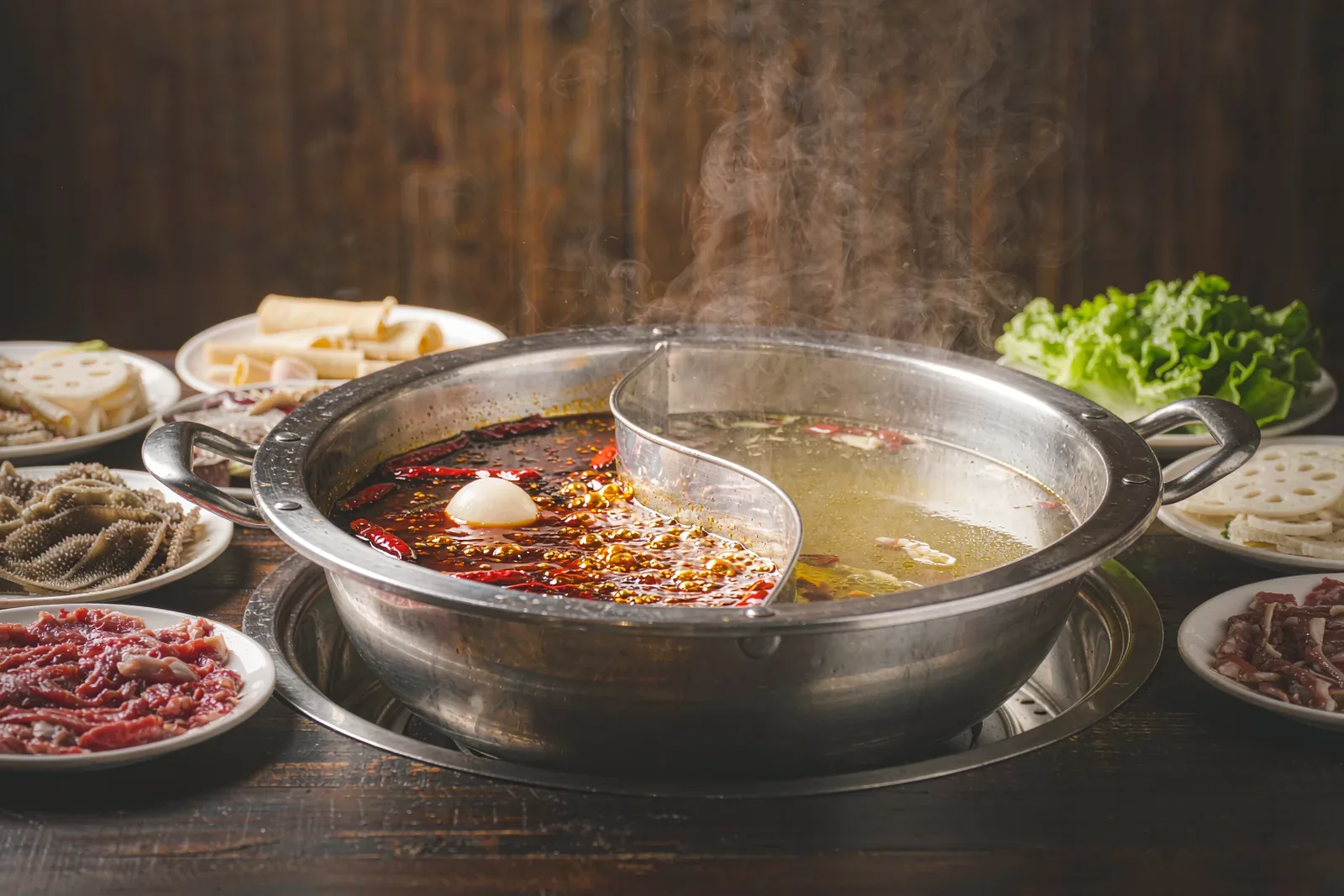
Easily: order a mushroom or tomato clear broth, load up on tofu, greens, noodles and potato, and use the sesame-oil dip. Broths are the only risk point — confirm no beef tallow.
Related guides