Halal Food in China: A Practical Guide for Muslim Travelers
China has an indigenous halal tradition centuries old — lamian, yangrou paomo, halal hotpot — plus official certification you can look for. Where to find it, the apps that filter by 清真, and the phrases that open kitchen doors.
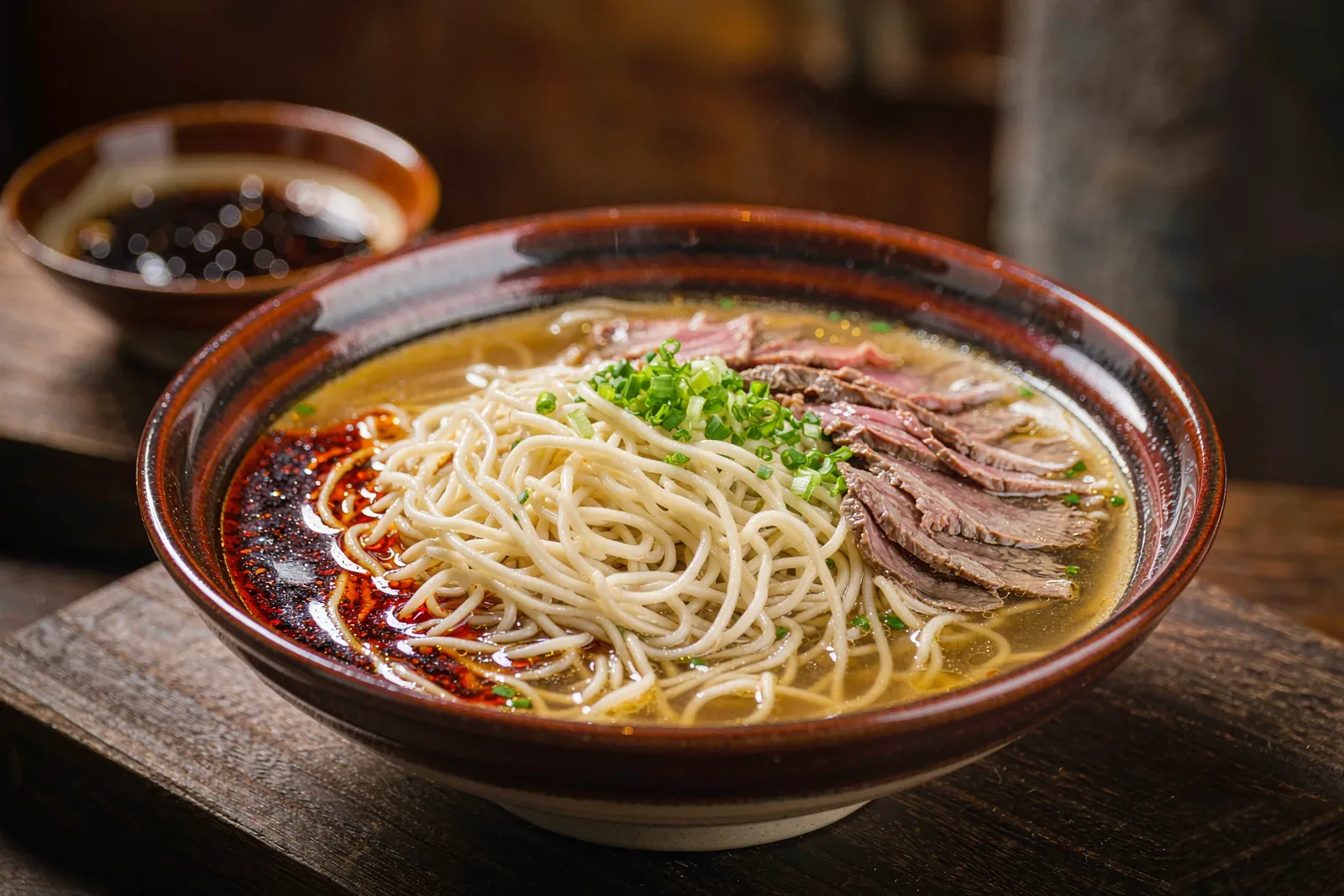
China's own halal tradition
Halal (清真, qīng zhēn) food in China is not an import: Hui and Uyghur communities have run certified halal kitchens for centuries, and several of China's most famous dishes are halal by origin. The restaurant marking is a green sign with the character 清真 or an Arabic-style symbol — these are certification-regulated in most cities, so the sign carries real weight, especially in cities with established Muslim communities.
The classic halal dishes worth planning around
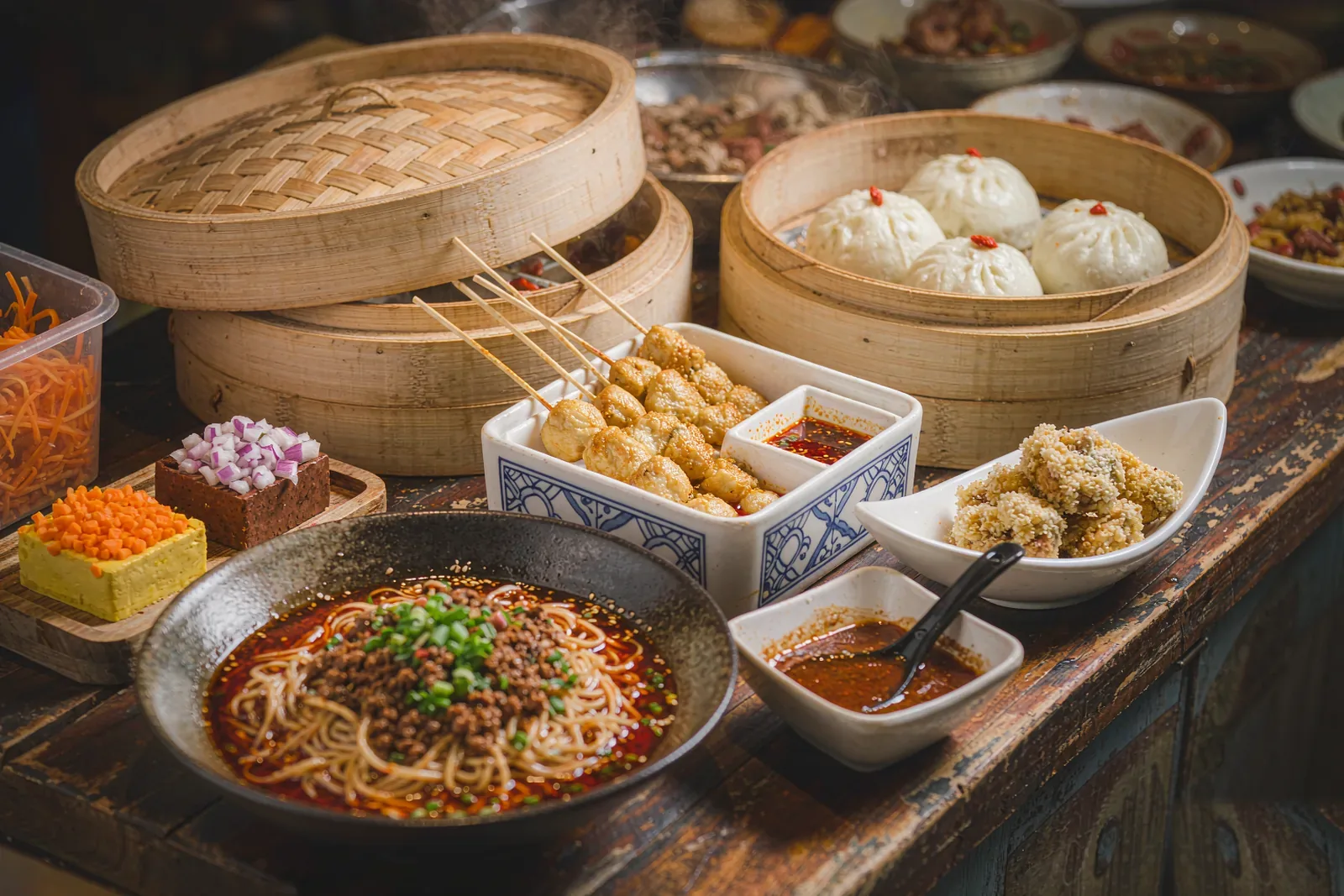
- Lanzhou lamian (兰州拉面) — hand-pulled beef noodles in clear broth, a halal staple found nationwide for ¥12–20. Look for the green sign and the "Qingzhen" certificate by the till.
- Yangrou paomo (羊肉泡馍) — Xi'an's signature: crumble flatbread into rich mutton soup. Xi'an's Muslim Quarter is the deep end of halal China.
- Kao rou chuan (烤肉串) — Uyghur lamb skewers with cumin and chilli, the smell of every night market in the northwest.
- Dapanji (大盘鸡) — big-plate chicken with belt noodles, from Xinjiang kitchens.
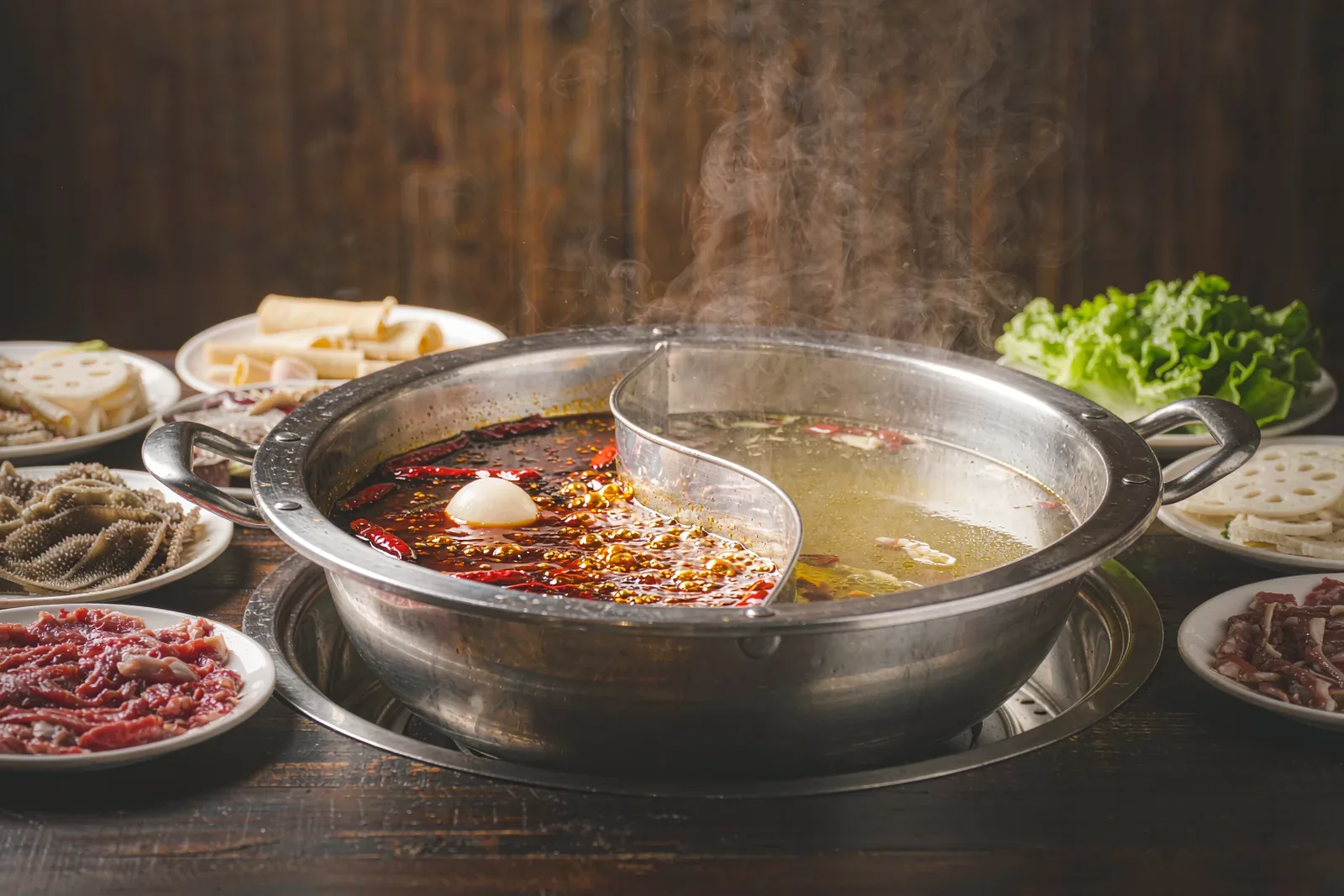
- Qingzhen hotpot — many beef-broth hotpot chains are certified halal; ask for 清真火锅 on maps. See the hotpot guide for mechanics.
- Niurou mian (牛肉面) and jiaozi — beef-and-lamb dumplings are standard in halal shops; see the dumpling guide.
Where halal is easy, and where it is harder
Easy: Xi'an, Lanzhou, Urumqi, Yinchuan, Beijing (Niujie area), Shanghai and Guangzhou all have established halal dining maps. Chengdu's halal scene centres on Huangcheng Mosque area and the Shaocheng district — beef hotpot and Gansu-style noodle shops are plentiful. Harder: small-town Sichuan, Hunan and coastal villages, where pork dominates kitchens and cross-contamination is assumed. There, noodle shops under green signs remain your reliable fallback almost everywhere.
Tools and phrases that do the work
- On Amap/Baidu Maps or Dianping, search 清真 — results are filtered by real certification, not keyword marketing.
- Phrase card: qīng zhēn (清真) — halal; bù chī zhū ròu (不吃猪肉) — no pork; bù chī ròu (不吃肉) — no meat at all if you prefer full vegetarian fallback.
- Hotel breakfasts: request halal options when booking — major chains in big cities can arrange it with notice.
How a guide changes the equation
A MyGuideTrip local guide plans each day's meals around certified kitchens, briefs restaurants ahead, and knows which hotpot and noodle brands are genuinely certified in each city. Halal-friendly routing is a standard request on Chengdu tours and all other destinations. Typical halal meal costs mirror local prices: ¥15–40 for noodles and skewers, ¥100–150 for a full halal hotpot dinner.
FAQ
Is the 清真 sign legally meaningful?
In most provinces halal certification is regulated and tied to genuine Muslim-owned kitchens with controlled sourcing. Treat green-sign restaurants as reliably halal; in tourist streets, prefer restaurants with a printed certificate displayed.
Is alcohol served in halal restaurants?
Traditionally no — halal kitchens avoid alcohol entirely, including in cooking. This is a useful secondary check when unsure about a restaurant's status.
Can I find halal breakfast?
Yes: lamian shops open early nationwide, Xi'an-style breakfast shops in Muslim quarters serve paomo and beef soup, and hotel buffets in major cities arrange halal items on request.
What about flying or trains?
Chinese airlines and rail catering are not halal by default. Eat before travel or bring packaged food; on long routes, station lamian shops under green signs are the standard solution.
Related guides