Guest — sign in to save your enquiries.
My account
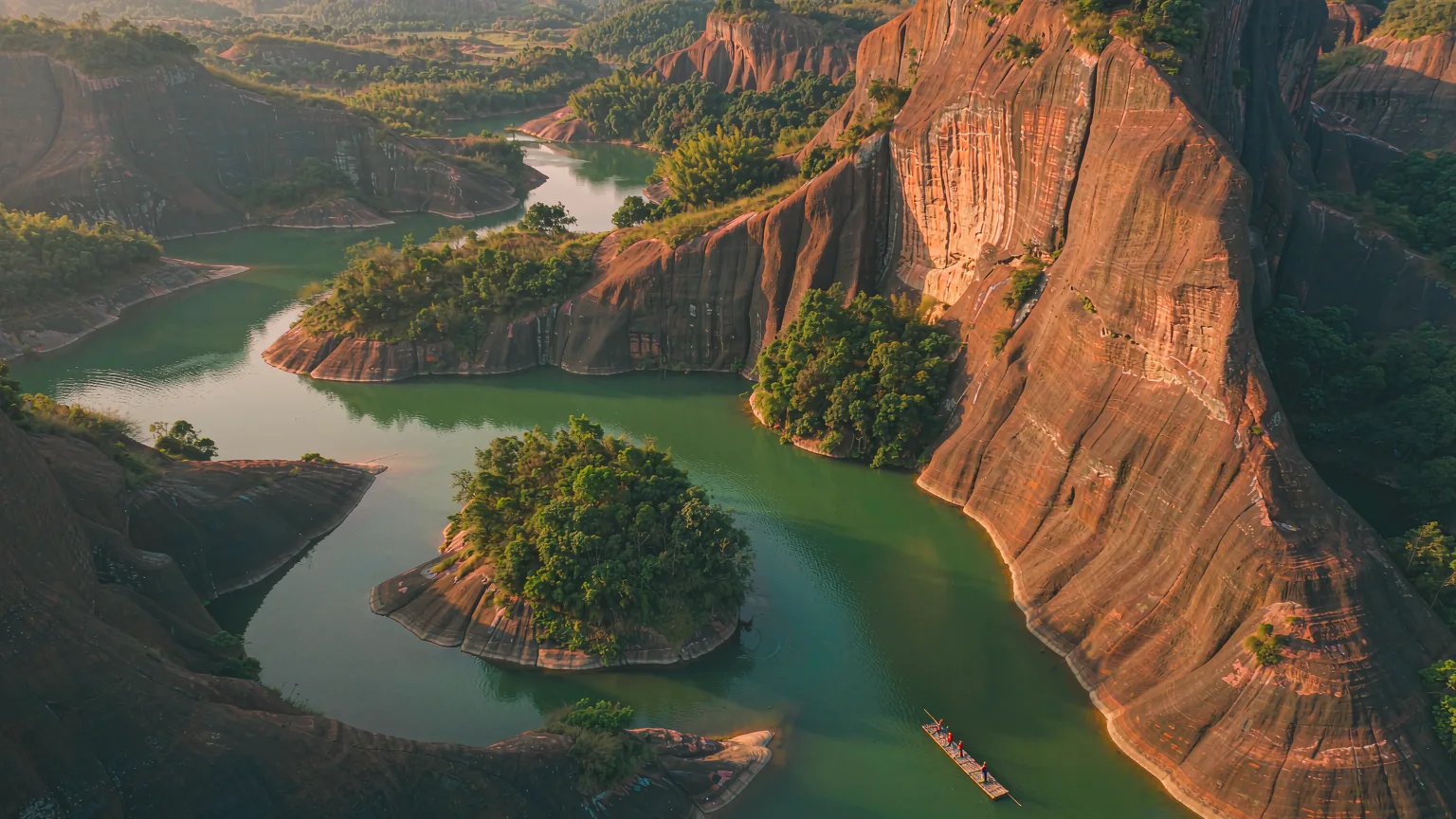
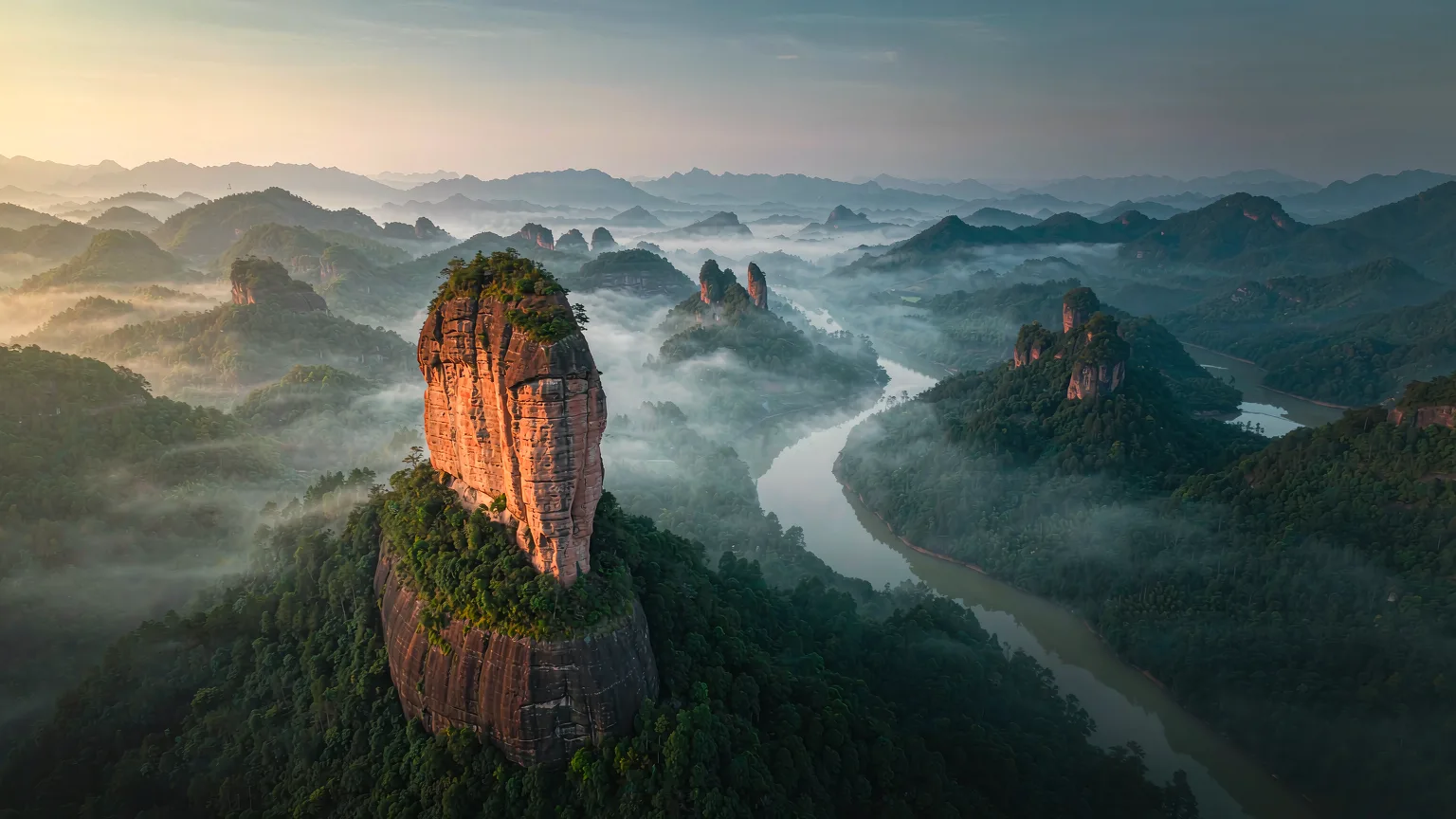
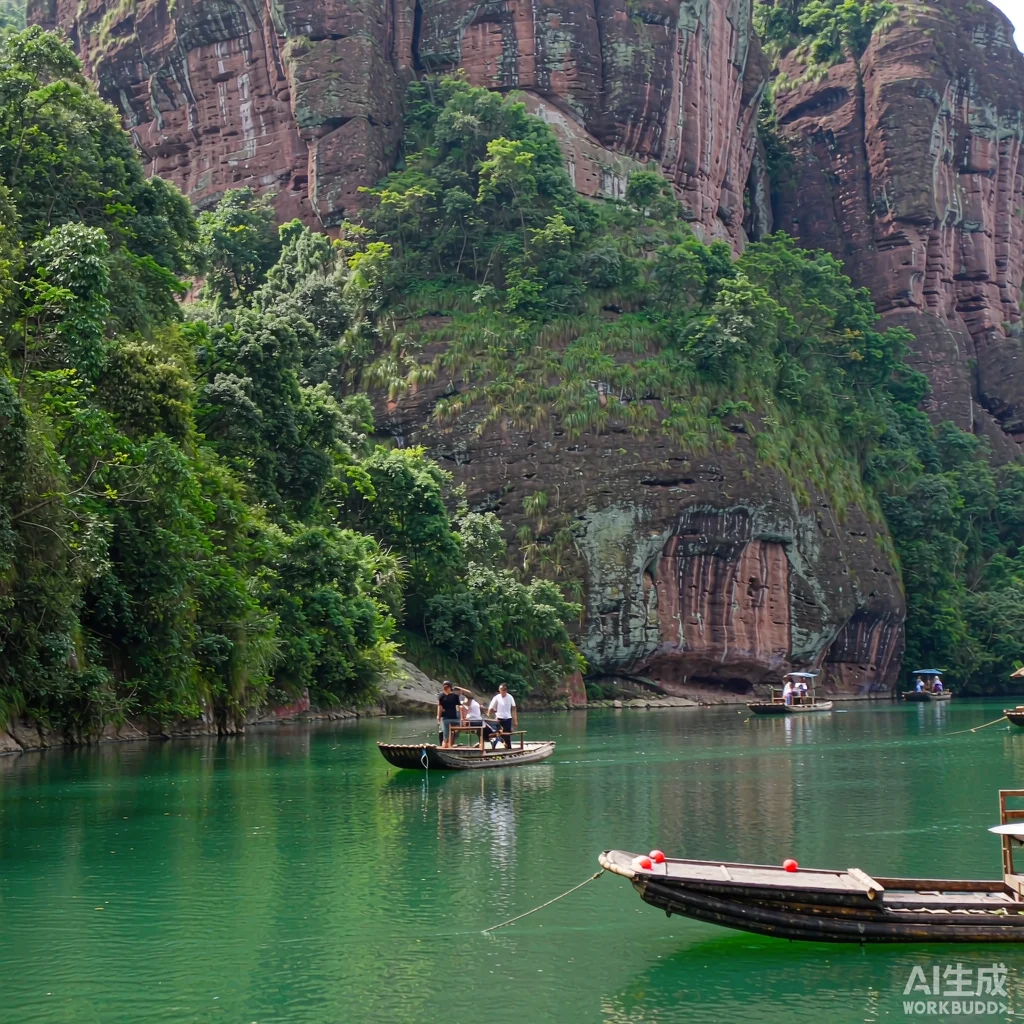
The Nine-Bend Stream bamboo raft, the wondrous Danxia peaks and the thousand-year tea aroma — Wuyishan blends landscape and Tea Culture into one.
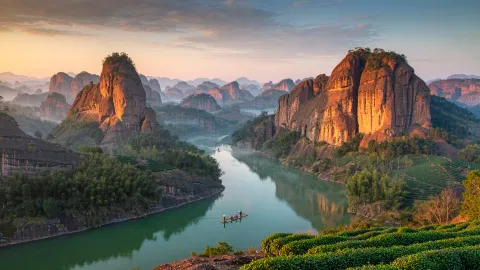
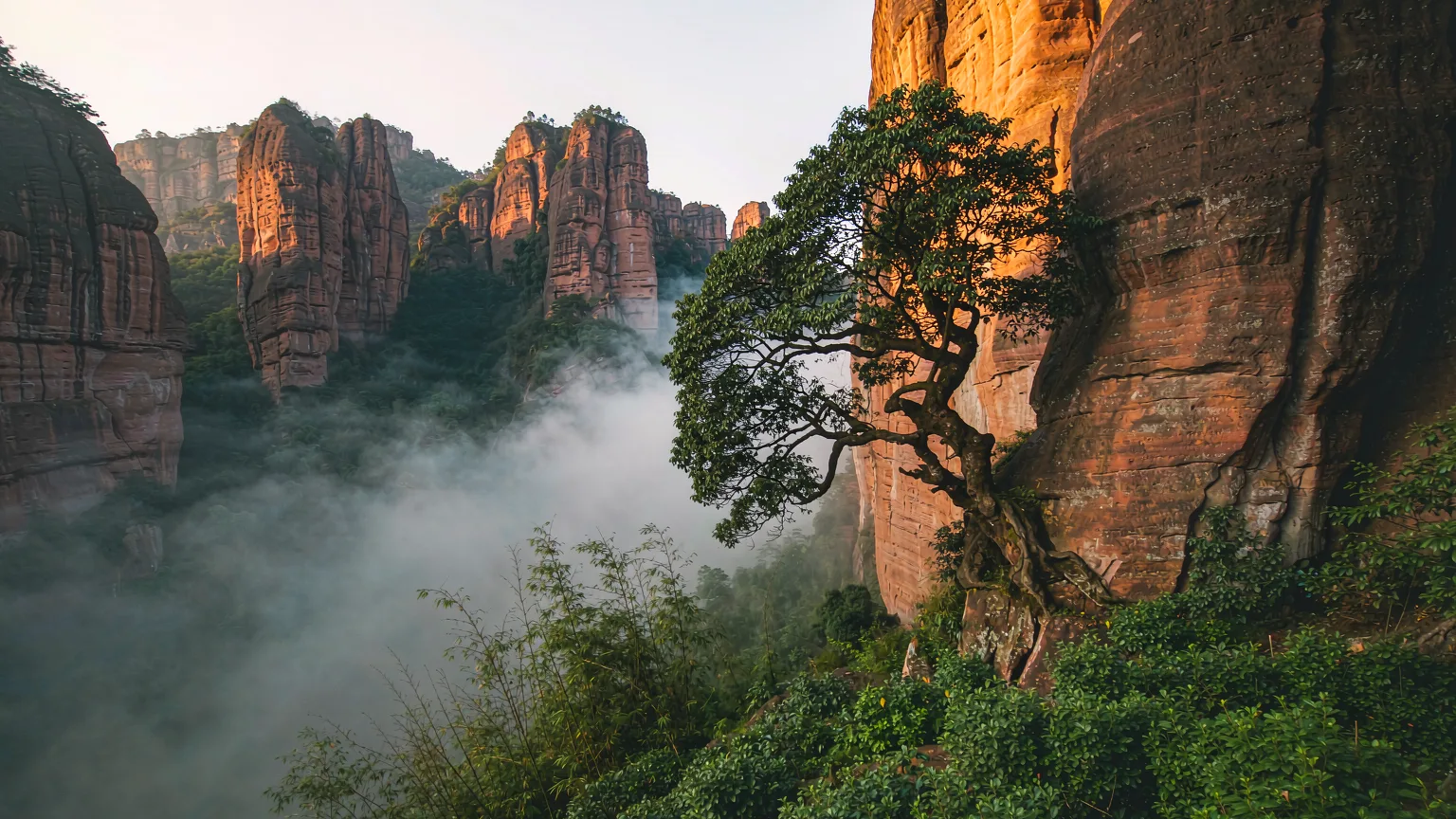
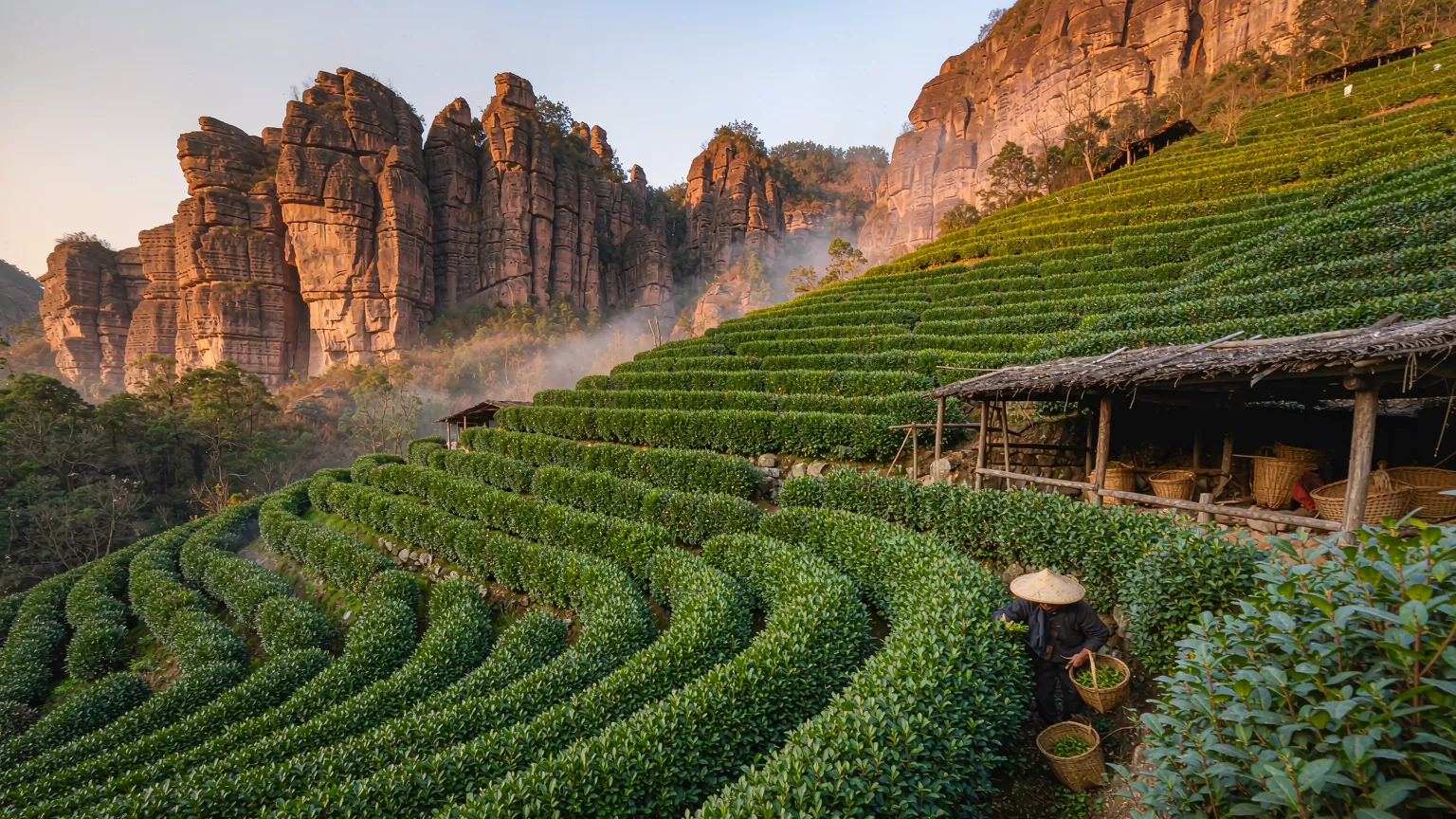
Wuyishan, a UNESCO World Heritage Site in Fujian Province, China, is a breathtaking landscape of dramatic peaks, winding rivers, and ancient tea culture. Located in the northwest of Fujian, it is renowned for its unique Danxia landform, where red sandstone cliffs rise abruptly from lush green valleys. The area has been a source of inspiration for poets and artists for centuries, and its cultural significance is deeply intertwined with the history of tea, particularly the famous Da Hong Pao (Big Red Robe) oolong tea.
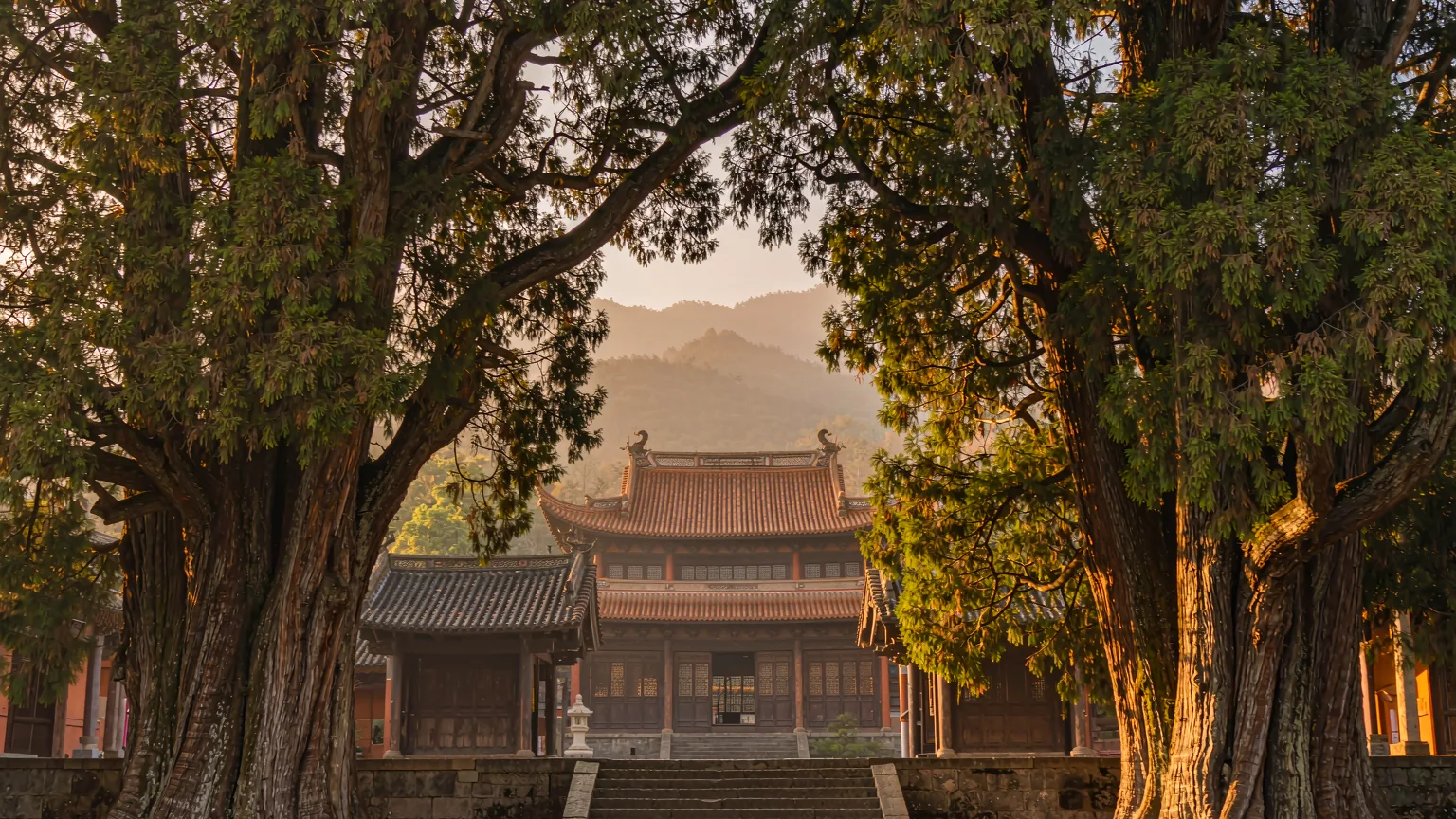
The scenic area is divided into several distinct zones, each offering a different perspective of the landscape. The Nine-Bend Stream meanders through the heart of the mountains, providing a serene backdrop for bamboo rafting. Tianyou Peak, often shrouded in mist, offers panoramic views of the surrounding peaks and valleys. The Wuyi Palace, an ancient Taoist temple, sits at the foot of the mountains, while the Dahongpao Tea Plantation showcases the region's tea heritage. The area is also home to diverse flora and fauna, including the rare Chinese tiger.
Visitors to Wuyishan can experience a blend of natural beauty and cultural immersion. Whether drifting down the Nine-Bend Stream on a bamboo raft, hiking to the summit of Tianyou Peak, or savoring a cup of authentic Da Hong Pao tea, the destination offers a tranquil escape from the hustle of modern life. The region's mild climate and rich biodiversity make it a year-round destination, with each season bringing its own charm, from spring blossoms to autumn colors.
Wuyishan covers an area of approximately 999.75 square kilometers and has a population of about 230,000. It is a county-level city in Fujian Province, known for its UNESCO World Heritage status, which recognizes both its cultural and natural significance. The city is divided into several districts and towns, with the scenic area being the focal point for visitors.

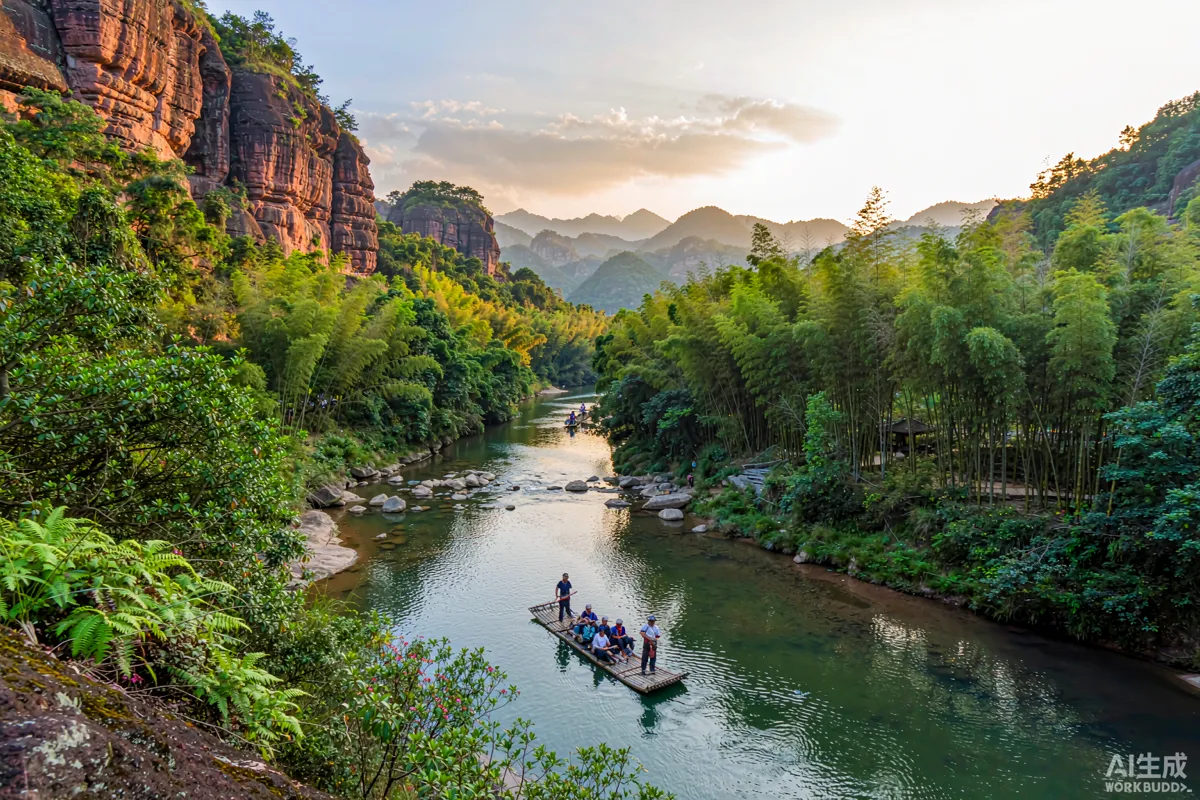
Nine-Bend Stream Bamboo Raft · Tianyou Peak Climb · Dahongpao Mother Tree · Top Choice for First-Time Visitors to Wuyishan
View details →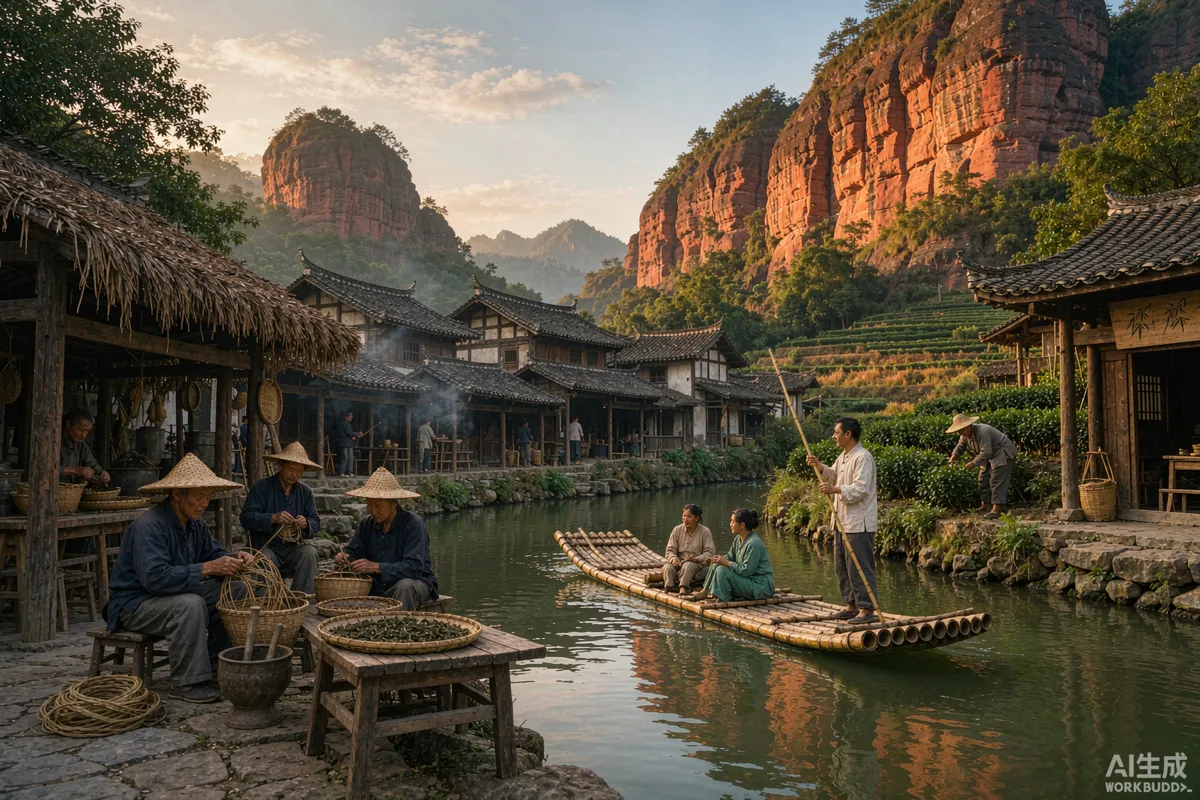
Zhu Xi Neo-Confucianism · Wuyi Palace Ancient Architecture · Rock Tea Intangible Cultural Heritage · Museums and Ancient Villages
View details →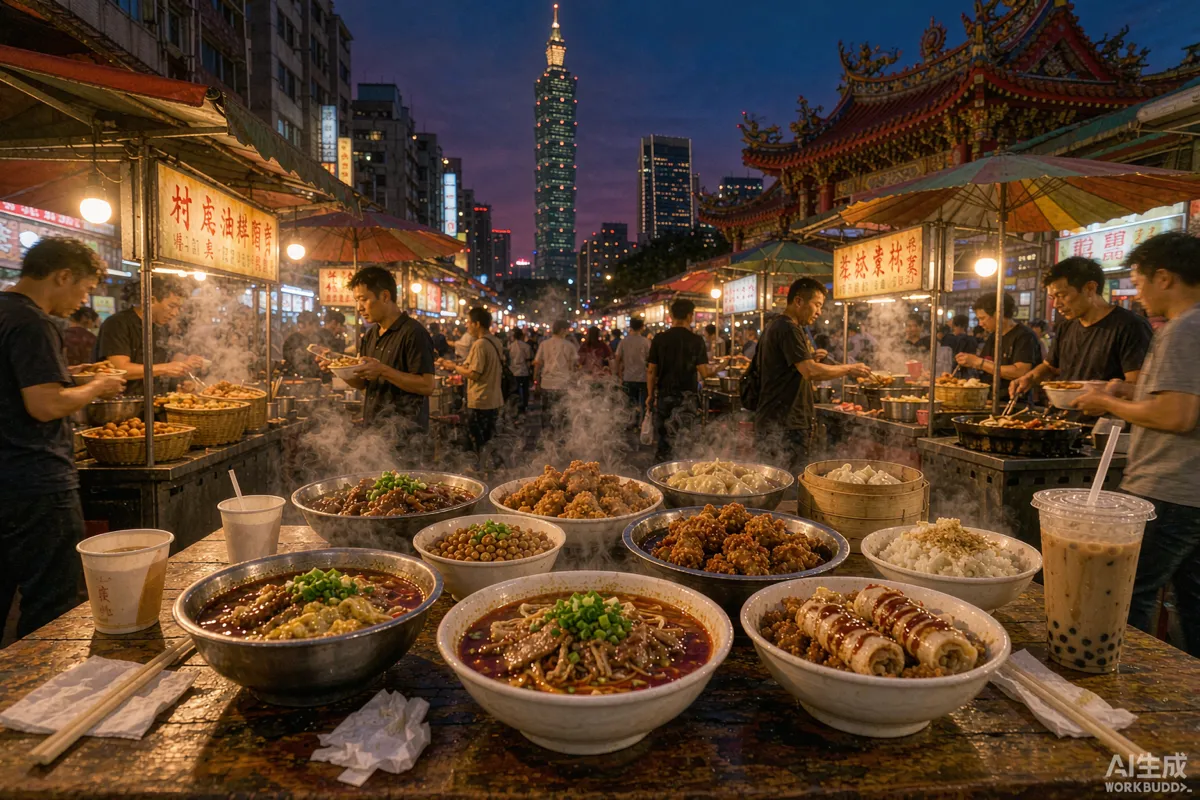
Rock Tea Pairing Tea Banquet · Market Snacks · Smoked Goose & Guangbing · Two Days of Local Street Life
View details →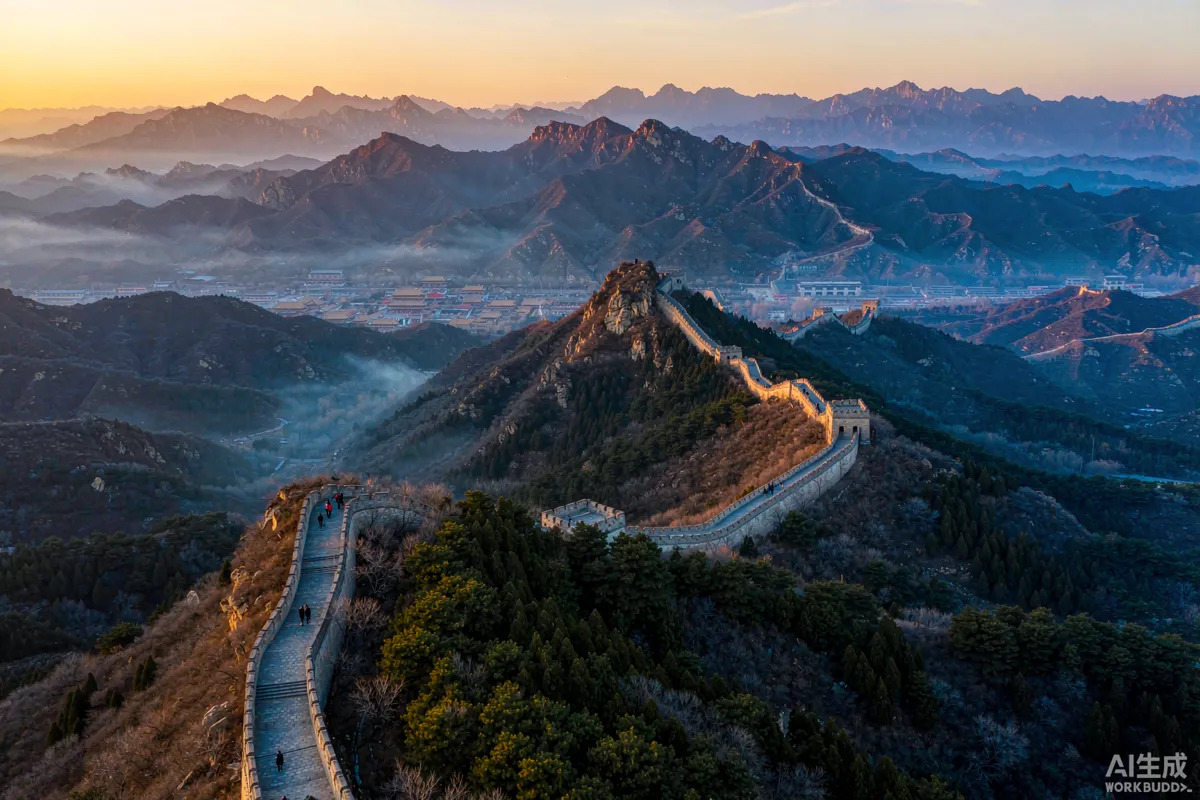
Tianyou Peak Sunrise · Nine-Bend Stream Rafting · Huanggang Mountain Hiking · 4-Day Landscape Photography
View details →
Bamboo Rafting · Tea Mountain Treasure Hunt · Nature Class · Relaxed 3-Day Family Trip
View details →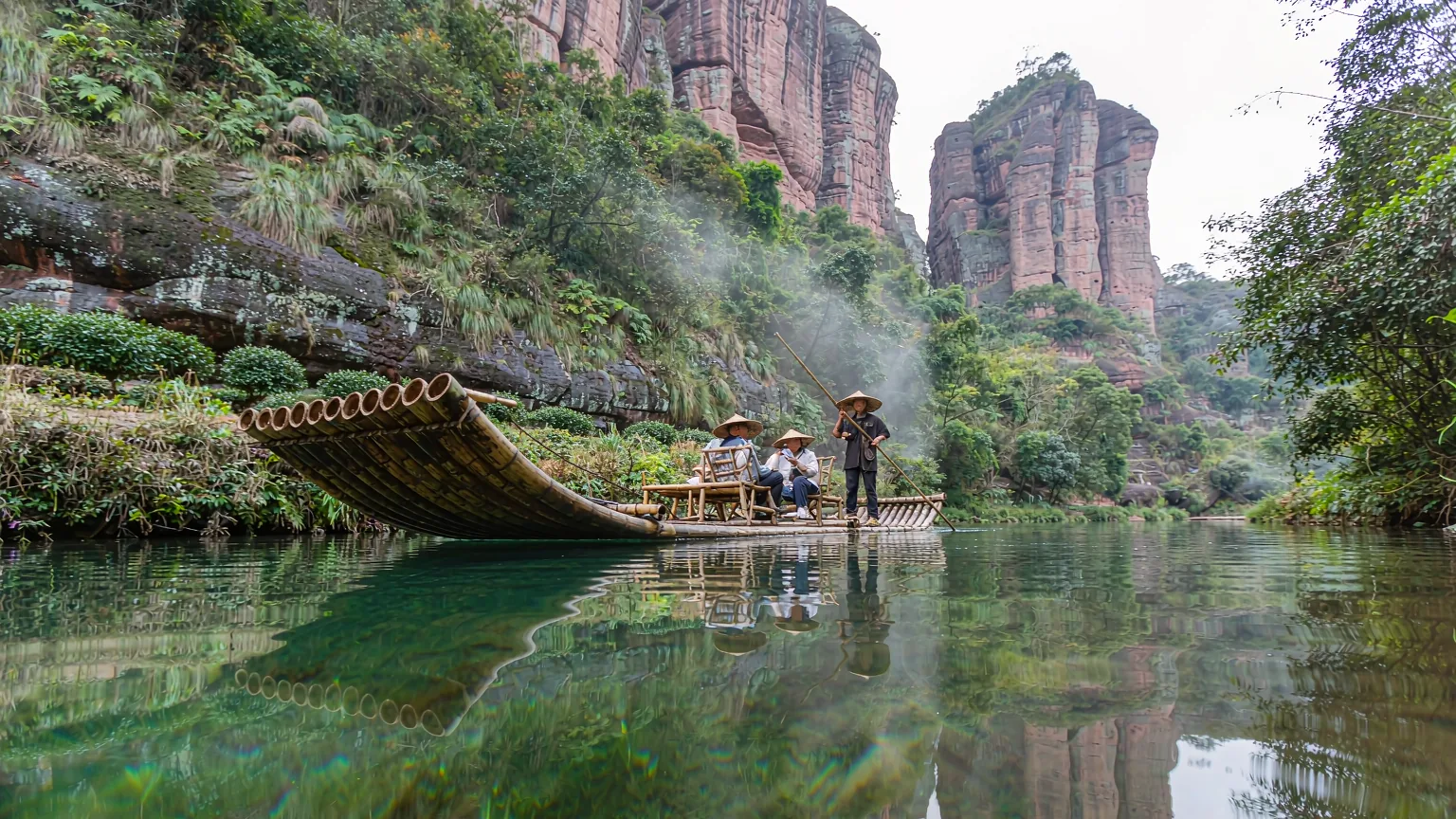
| Fleet | Airport pickup & drop-off | Chauffeur by the day | Intercity transfers |
|---|---|---|---|
 Economy | from $84Book → | from $280Book → | from $170Book → |
 Comfort | from $134Book → | from $448Book → | from $272Book → |
 Luxury | from $202Book → | from $672Book → | from $408Book → |
 Special vehicles | For groups of 7+, please contact our trip designer for a quote | ||
prices may vary by date & route
Wuyishan is a county-level city in Fujian Province, China, famous for its stunning natural scenery and rich cultural heritage. The city is named after the Wuyi Mountains, a mountain range that forms a natural border between Fujian and Jiangxi provinces. The area is characterized by its unique Danxia landform, featuring red sandstone cliffs, deep valleys, and meandering rivers. It is also a biodiversity hotspot, home to many rare and endemic species.
The city itself is relatively small, with most visitors coming to explore the Wuyishan Scenic Area, a UNESCO World Heritage Site since 1999. The scenic area is divided into several zones, including the Nine-Bend Stream, Tianyou Peak, and the Dahongpao Tea Plantation. The local economy is heavily reliant on tourism and tea production, particularly the famous Da Hong Pao oolong tea, which is grown in the mineral-rich soil of the mountains.
Wuyishan is accessible by air, rail, and road. Wuyishan Airport (WUS) has flights from major cities like Beijing, Shanghai, and Guangzhou. The Wuyishan North Railway Station is served by high-speed trains on the Hefei-Fuzhou High-Speed Railway, connecting to cities such as Xiamen, Fuzhou, and Shanghai. From the station, it's about a 20-minute drive to the scenic area.
Within the scenic area, transportation includes shuttle buses that connect the main attractions. Bamboo rafts are a popular way to experience the Nine-Bend Stream. Taxis and ride-hailing apps are available in the city. For hiking, many trails are well-marked, and cable cars provide access to some peaks.
Wuyishan cuisine is characterized by its use of local ingredients, including mountain vegetables, river fish, and tea. The area is famous for its tea-based dishes, such as tea-smoked duck and tea oil chicken. Other specialties include bamboo shoots, wild mushrooms, and rice wine. The local food is often prepared with simple cooking methods to preserve the natural flavors.
Shopping in Wuyishan revolves around tea, particularly Da Hong Pao and other oolong varieties. Visitors can buy tea at the tea markets or directly from plantations. Other souvenirs include bamboo crafts, local honey, and dried mushrooms. The Wuyishan Tea Market is a good place to start.
Nightlife in Wuyishan is relatively quiet compared to major cities. Visitors can enjoy evening tea ceremonies, stroll along the streets, or watch the Impression Da Hong Pao show, a large-scale outdoor performance directed by Zhang Yimou. Some bars and cafes are available in the city center.
Wuyishan has a humid subtropical climate with distinct seasons. The best time to visit is in spring (March to May) and autumn (September to November) when the weather is mild and comfortable. Summer can be hot and humid, while winter is cool but rarely freezing. Each season offers different scenery, from spring flowers to autumn colors.
| Period | Temperature | Conditions |
|---|---|---|
| Mar–May | 10-22°C | Spring is mild and pleasant, with blooming flowers and lush greenery. It's a great time for hiking and rafting. |
| Jun–Aug | 23-34°C | Summer is hot and humid, with frequent rain. It's the peak season for bamboo rafting, but be prepared for crowds and heat. |
| Sep–Nov | 15-26°C | Autumn is cool and dry, with clear skies and beautiful fall colors. Ideal for outdoor activities. |
| Dec–Feb | 3-13°C | Winter is cool and relatively dry, with occasional frost. The scenery is serene, and crowds are fewer. |
Every private guide is licensed and vetted. Choose a tier that fits your trip — rates are per guide, per day, in USD.
A dependable all-rounder for an easy, well-planned day.
An experienced specialist with deeper local insight.
A senior expert — and, on request, medical-travel accompaniment.
Hand-picked, licensed guides based right here. Tap book to start a conversation and lock in your dates.
Most travellers spend 3 days in Wuyishan, though many stay longer once they arrive. If you want to combine Wuyishan with other cities — pandas, mountains, food streets — our consultants design one private itinerary at your own pace.
Yes. MyGuideTrip arranges vetted, licensed local guides in Wuyishan and across China. Your guide speaks fluent English, stays with you for the entire trip, and handles tickets, transport and restaurant picks. Meet them on the Guides page.
Wuyishan is best known for a bamboo raft down the Nine-Bend Stream, as the Danxia peak forests on both banks unfold like a scroll painting. The recommended itineraries below cover these highlights with smart timing to beat the crowds.
Send us your dates, group size and interests — a dedicated consultant replies within 24 hours with a tailor-made Wuyishan itinerary covering guide, driver, hotels and tickets. Start with a free consultation below.
Tell us a little about your trip and we'll get back to you within 24 hours.
We'll reply within 24 hours.