
Guest — sign in to save your enquiries.
My account
Wuyi Palace is the historic heart of the Wuyishan Scenic Area, a Song-dynasty royal Taoist temple that anchors the region's cultural landscape. Surrounded by ancient camphor trees and stone inscriptions, it offers a serene counterpoint to the dramatic peaks and tea terraces nearby. With our private guide, you'll uncover the stories behind its halls and gardens, making your visit both effortless and deeply rewarding.
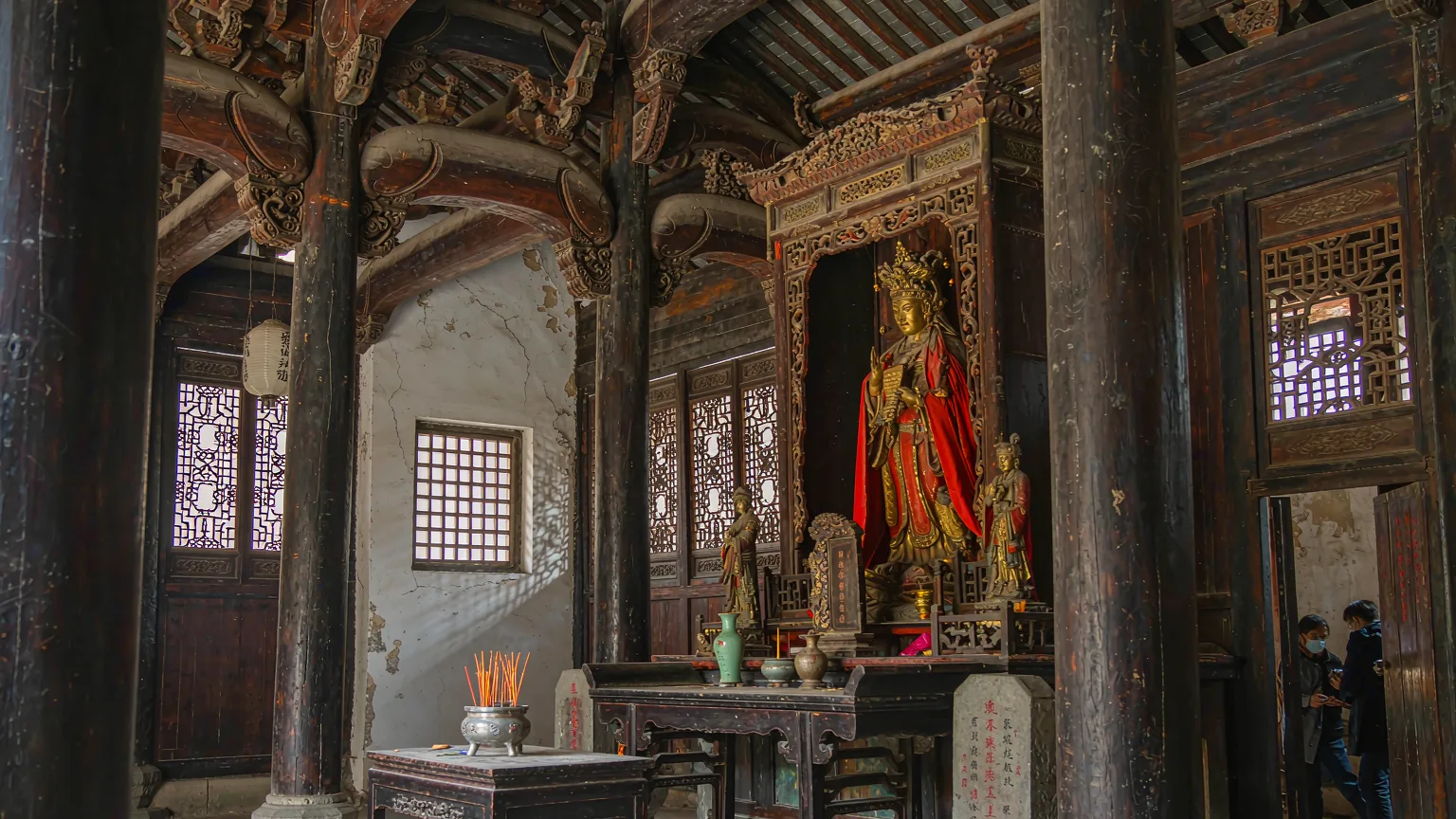
Wuyi Palace, known locally as Wuyigong, was originally established during the Tang dynasty and later expanded into a grand Taoist temple under the Song. It served as a royal place of worship and a center for Confucian and Taoist scholarship. Over the centuries, it was destroyed and rebuilt multiple times, most recently in the 1980s. Today, it stands as a testament to Wuyishan's rich cultural heritage, with its main hall dedicated to the Taoist deity Wuyi Jun, and surrounding structures like the Song Dynasty Gui Hall and the Wuyi Tea Culture Exhibition Hall.
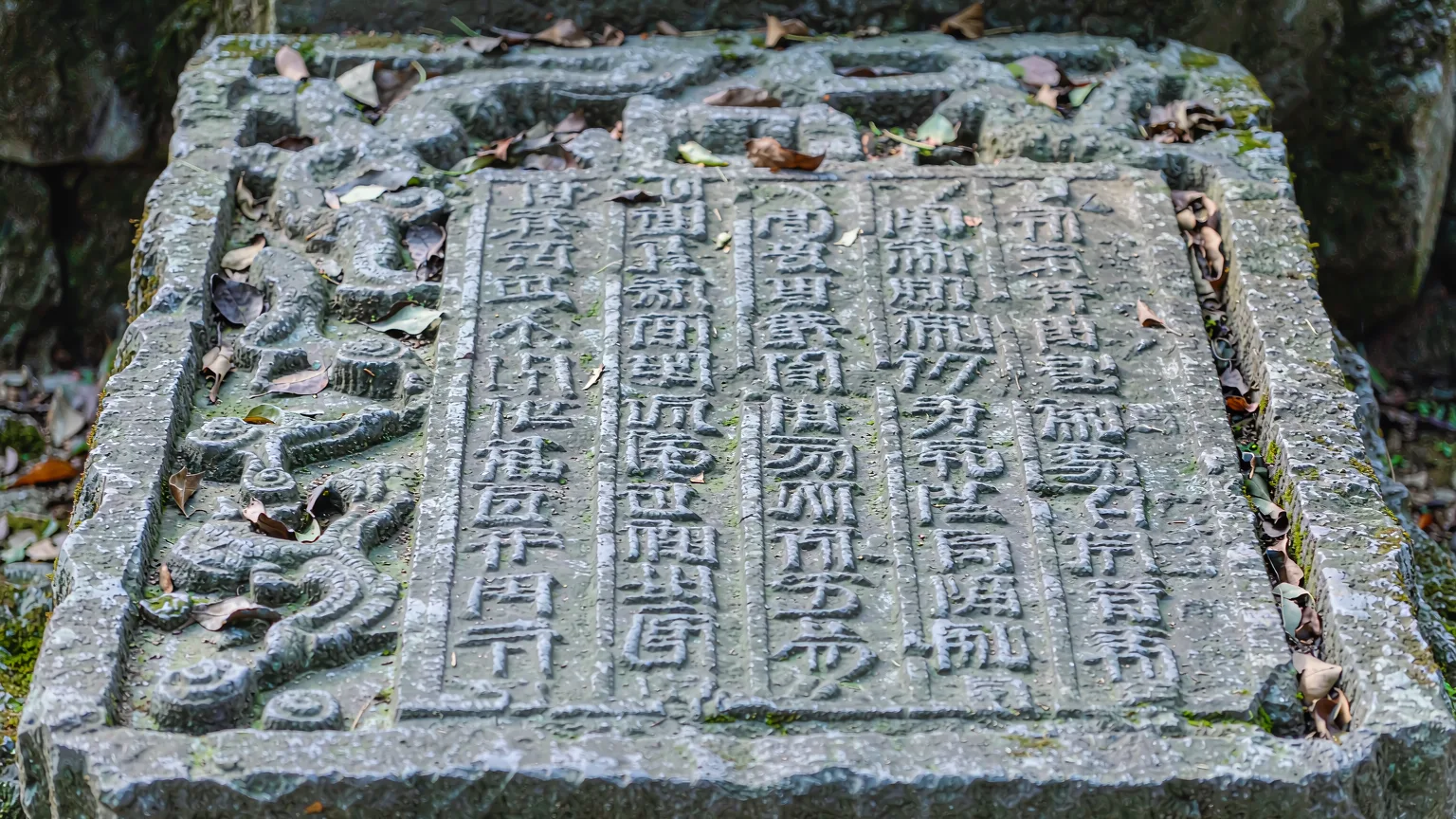
The palace is not just a religious site but also a gateway to understanding Wuyishan's role in tea culture and history. It houses exhibitions on the region's famous rock tea (yancha) and its evolution. The grounds are dotted with ancient trees, stone steles, and a tranquil pond, making it a pleasant place to stroll. Located near the entrance of the scenic area, it's often the first stop for visitors, providing context for the natural wonders that follow. Our guides can bring the past to life, explaining the significance of each artifact and architectural detail.
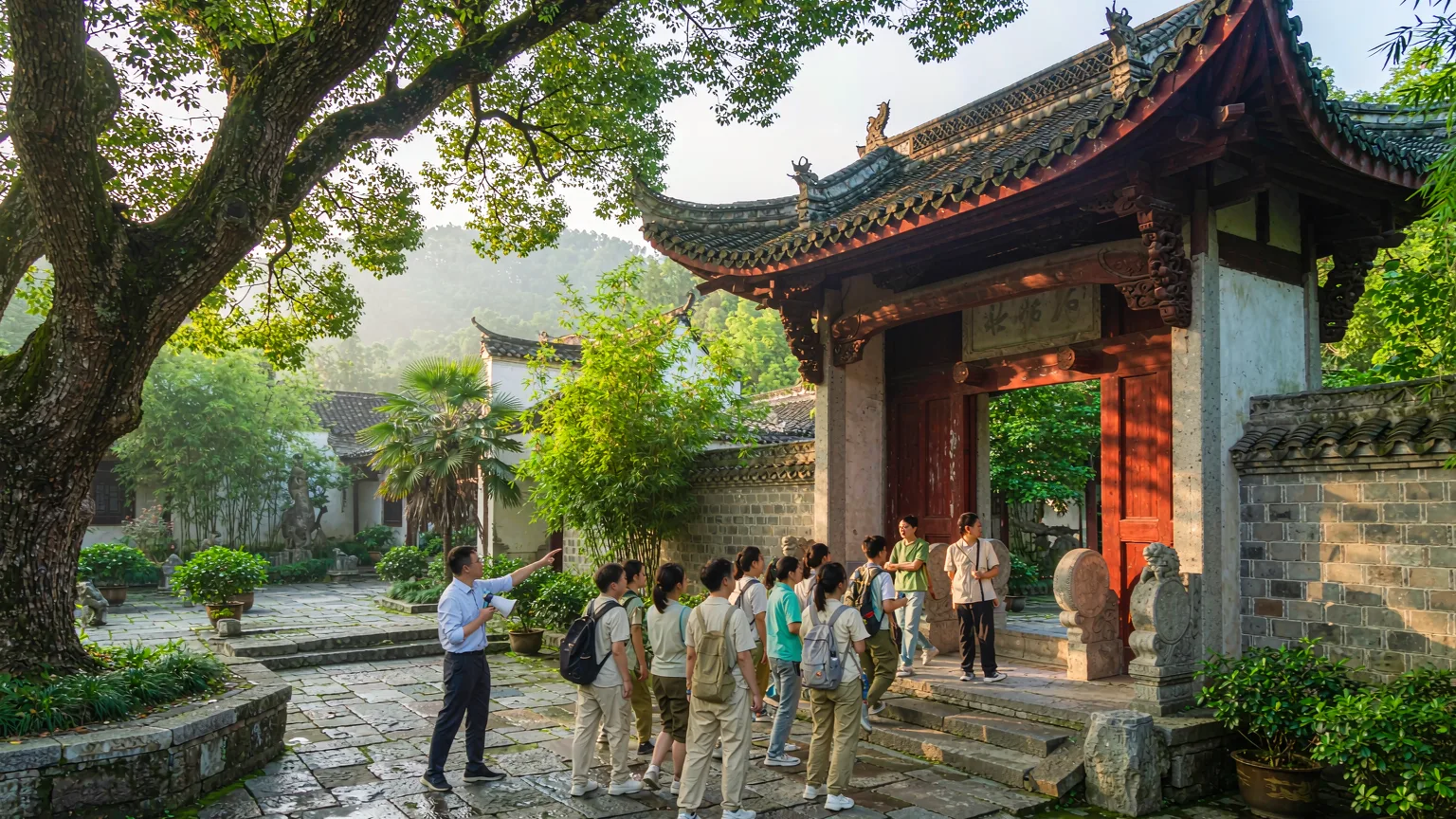
Wuyi Palace is located inside the Wuyishan Scenic Area, about 15 minutes by taxi from Wuyishan North Railway Station (high-speed rail) or 10 minutes from the resort area. Most visitors enter via the main scenic area gate and take the shuttle bus to the palace stop. We recommend combining it with a visit to the Nine-Bend Stream rafting or Tianyou Peak, as it sits conveniently along the main route. Our private transfers can drop you right at the entrance.
Entry to Wuyi Palace is included in the Wuyishan Scenic Area ticket, which costs ¥140 for a one-day pass, ¥180 for two days, or ¥210 for three days (valid for multiple entries). Opening hours are roughly 8:00–17:30, but confirm seasonal changes. Book through official WeChat mini-programs or Trip.com; foreign credit cards are accepted on some platforms, but WeChat Pay or Alipay linked to an international card is more reliable.
The best time to visit Wuyi Palace is during spring (April–May) or autumn (September–November), when the weather is mild and the surrounding scenery is at its most vibrant. Early morning, right after opening, offers the fewest crowds and a peaceful atmosphere, with soft light filtering through the ancient trees. Avoid weekends and Chinese public holidays if you prefer solitude.
Yes, especially for history and culture enthusiasts. It provides essential context for Wuyishan's UNESCO status and is a peaceful retreat amid the crowds.
About 1 to 1.5 hours is sufficient to explore the main halls and exhibitions. Add more time if you enjoy reading the steles or relaxing in the gardens.
Some signs have English, but they are limited. Our private guides provide full interpretation, ensuring you don't miss the deeper stories.
No, it is inside the paid scenic area, so you must have a valid ticket. The ticket also covers other major sites and shuttle buses.
Tell us your dates, group size and preferences — a dedicated consultant will reach out within 24 hours.