
Guest — sign in to save your enquiries.
My account
Dahongpao Scenic Area is the heart of Wuyi rock tea country, home to the legendary mother trees of Da Hong Pao. Set amid the dramatic Danxia peaks of Wuyi Mountain, this is where tea, geology, and history steep together. With our private guide, you'll walk the valley floor, learn to read the terroir, and taste authentic yancha without the guesswork.
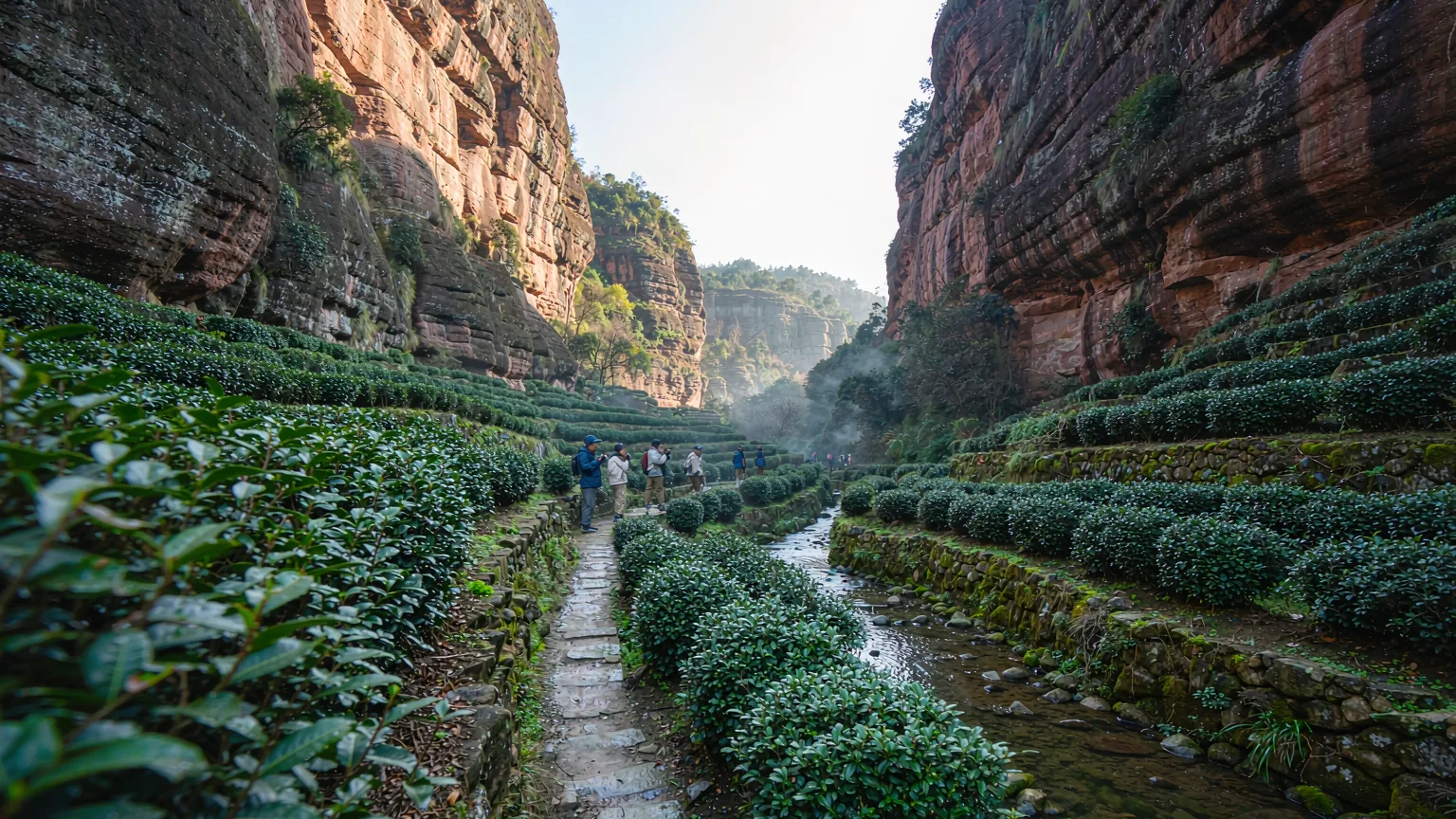
Dahongpao Scenic Area lies within the Wuyi Mountain UNESCO World Heritage site in northern Fujian. The name refers to the 'Big Red Robe' tea, a highly prized oolong said to have been worn by imperial envoys to protect the bushes. The mother trees, a few ancient shrubs clinging to a cliff at the end of a narrow valley, are the source of legends dating back to the Ming dynasty. Though the original bushes no longer produce commercially, their descendants are cultivated throughout the surrounding rock crevices, giving Wuyi rock tea its distinctive mineral 'yan yun' flavor.
The scenic area is a 2.5-kilometer walk through a lush gorge, with sheer cliffs on both sides and a clear stream running through. Along the way, you'll pass tea terraces, ancient inscriptions, and small pavilions. The trail ends at the mother trees, which are fenced off and protected. The area is part of the larger Wuyi Mountain Scenic Area, and tickets often combine with other attractions like Nine-Bend Stream and Tianyou Peak. Our guides can explain the tea-making process and arrange tastings at nearby family-run tea houses.
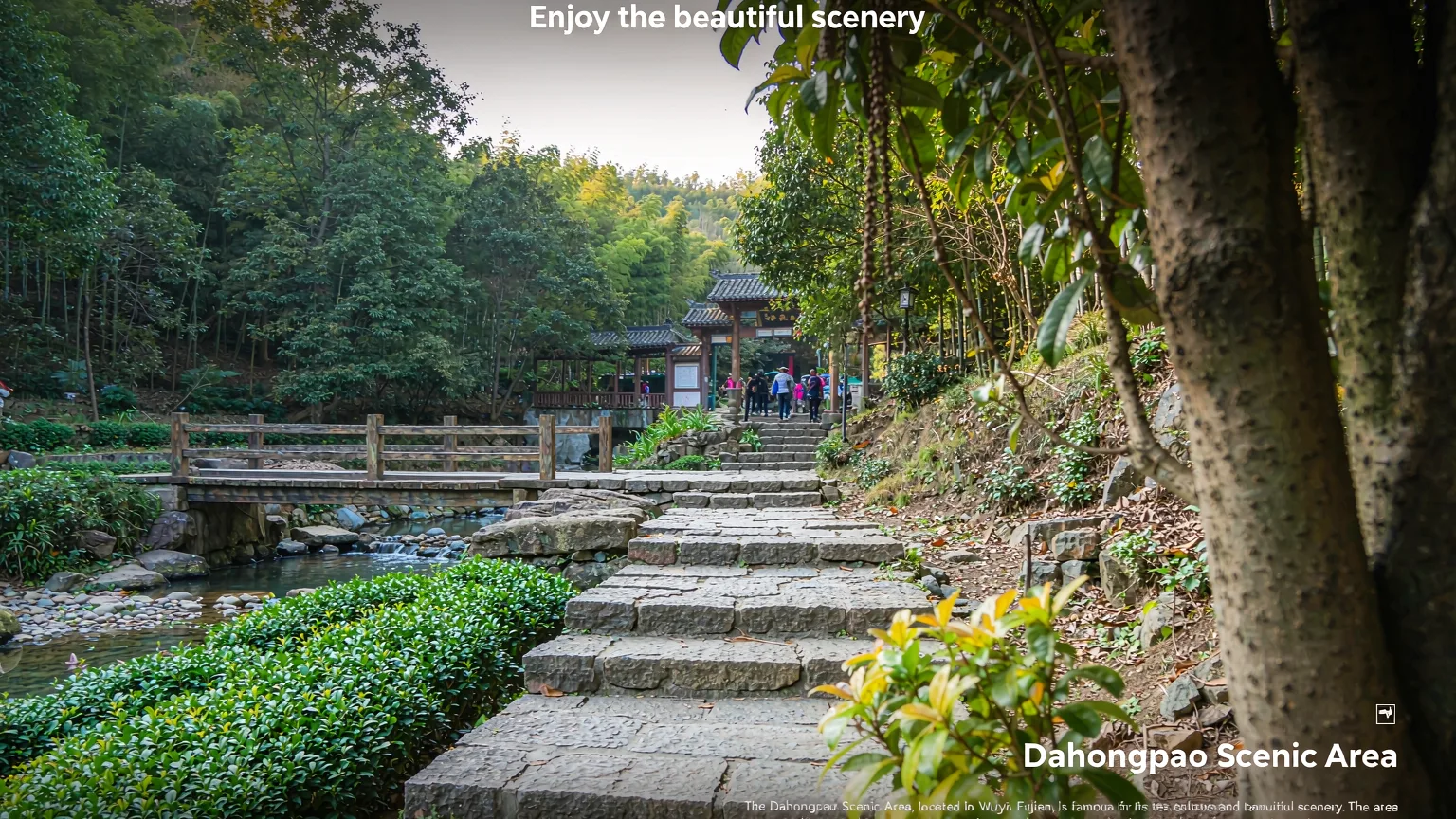
From Wuyishan city, take a taxi or the scenic area shuttle bus to the Dahongpao entrance (about 20 minutes). The area is well-connected by the Wuyi Mountain Scenic Area's internal shuttle system; your ticket usually includes unlimited rides. We recommend starting early to avoid crowds and combining it with a visit to nearby Water Curtain Cave or a bamboo raft ride on Nine-Bend Stream. Our guide can arrange private transfers and timed entry to make the day seamless.
Admission is included in the Wuyi Mountain Scenic Area combo ticket, which costs ¥140 for a single day or ¥235 for a three-day pass (valid for multiple entries). Opening hours are 6:30 AM to 6:00 PM (seasonal variations). Book via the official WeChat account or Trip.com; foreign credit cards are accepted on some platforms, but WeChat Pay or Alipay linked to an international card is more reliable. Our team can pre-book tickets for you.
The best time to visit is during spring (April to May) or autumn (September to November), when the weather is mild and tea harvesting or processing is underway. Early morning (before 9 AM) offers cooler temperatures, fewer crowds, and the best light for photography. Avoid Chinese public holidays, when the narrow trail can become congested.
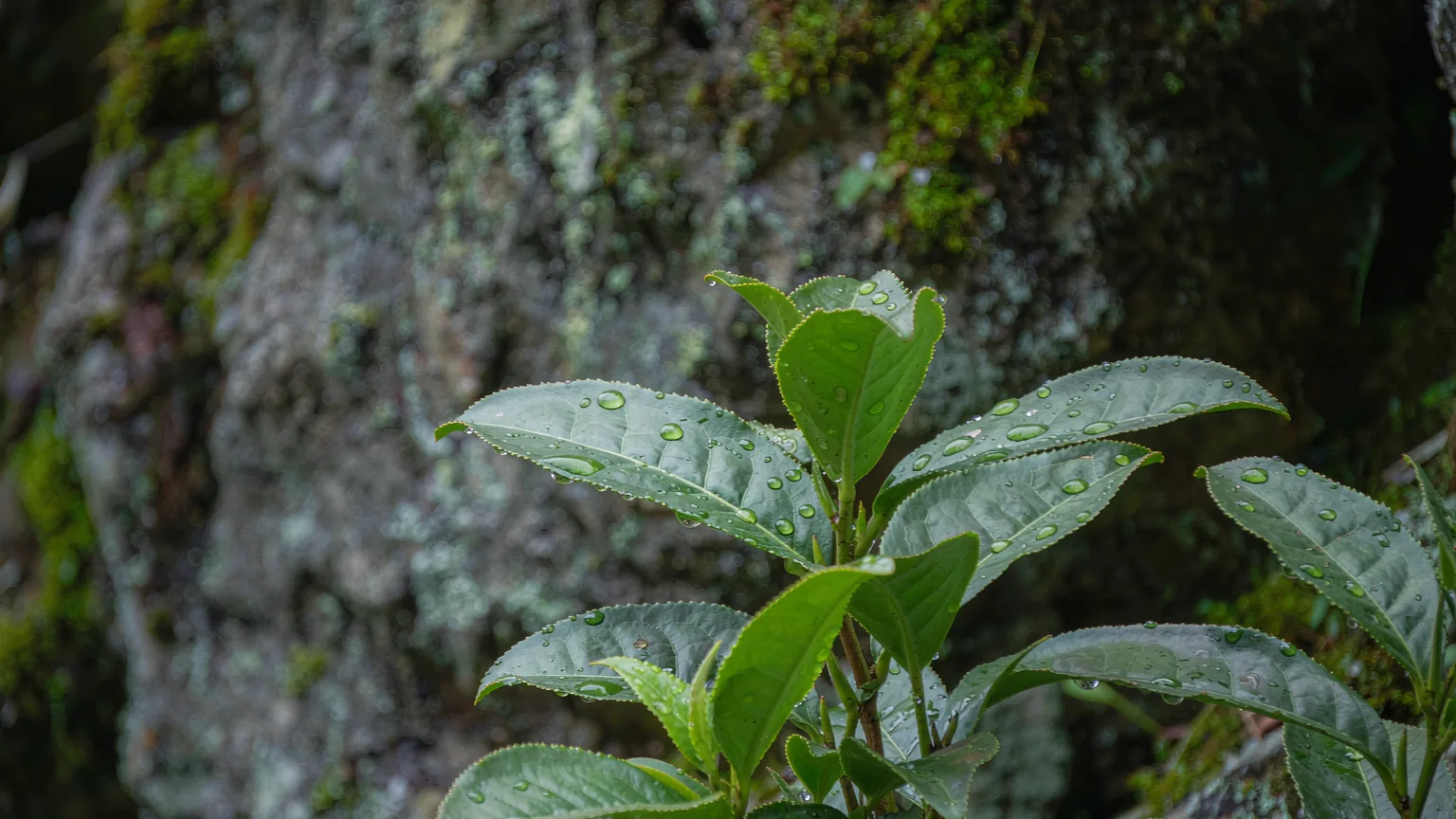
Yes, there are many tea shops near the entrance and along the trail. However, authentic mother-tree tea is not sold; what you'll find are blends from nearby bushes. Our guide can help you choose quality tea at fair prices.
The main trail takes about 1.5 to 2 hours at a leisurely pace, including stops for photos and tea. If you combine it with other attractions, allow half a day.
The trail is mostly paved but has some steps and inclines. It is not fully wheelchair accessible. Visitors with limited mobility may enjoy the first section, which is relatively flat.
Not strictly, but a guide adds depth by explaining tea culture, history, and geology. We also handle logistics like tickets and transport, so you can focus on the experience.
Tell us your dates, group size and preferences — a dedicated consultant will reach out within 24 hours.