Guest — sign in to save your enquiries.
My account
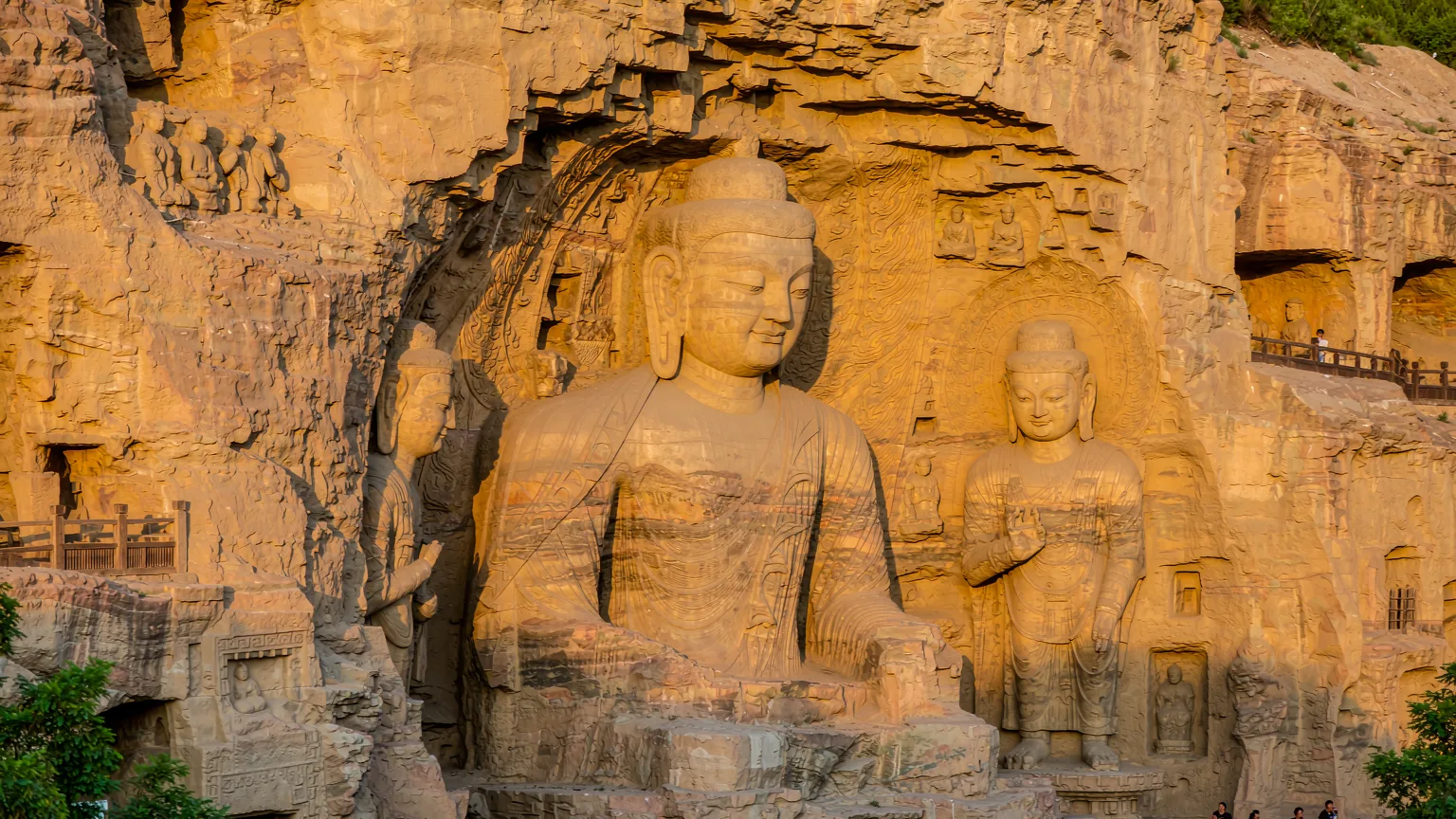
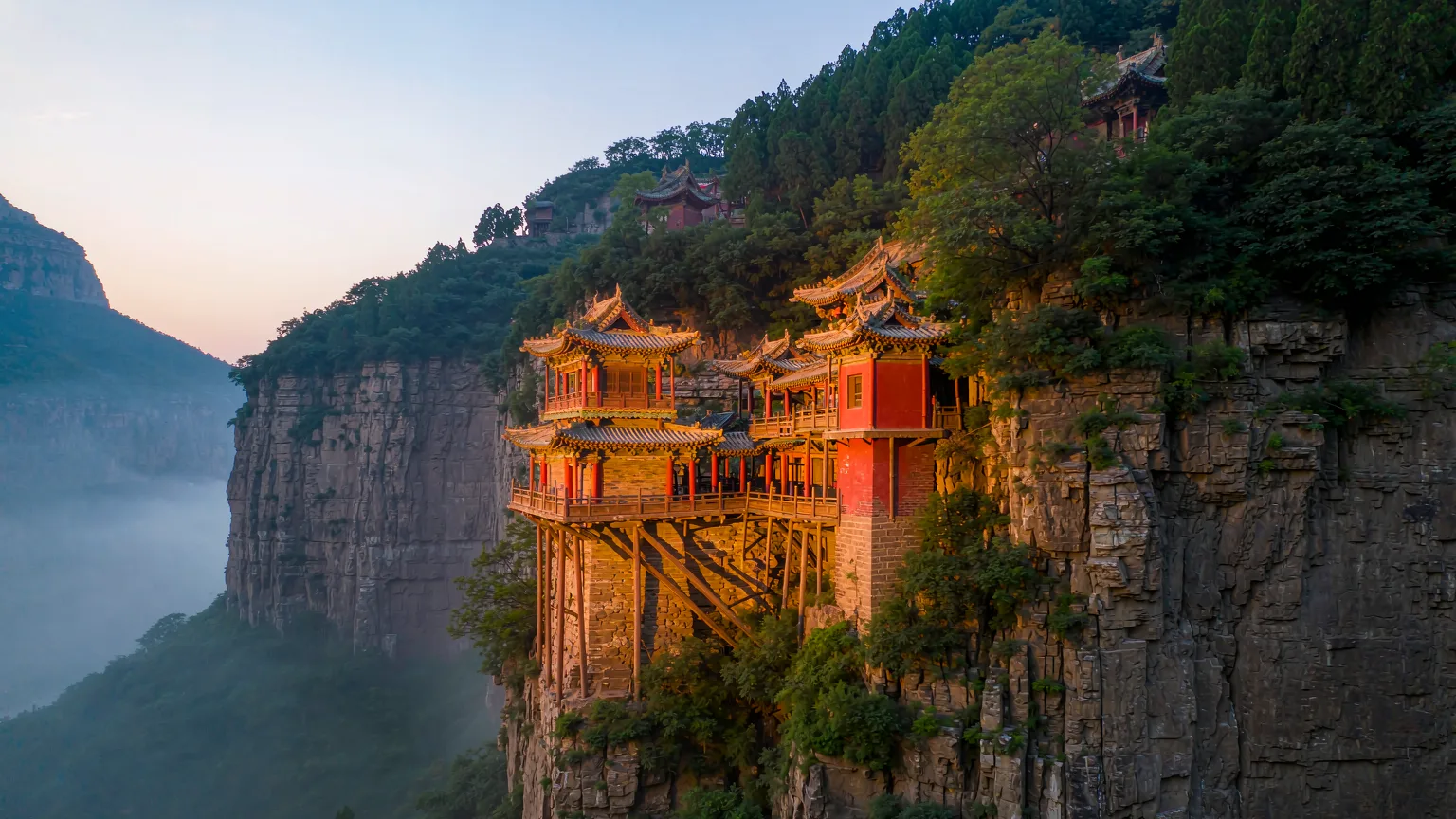
The thousand-year Buddhist realm of the Yungang Grottoes and the cliff-defying feat of the Hanging Temple make Datong the most breathtaking stop in Shanxi.
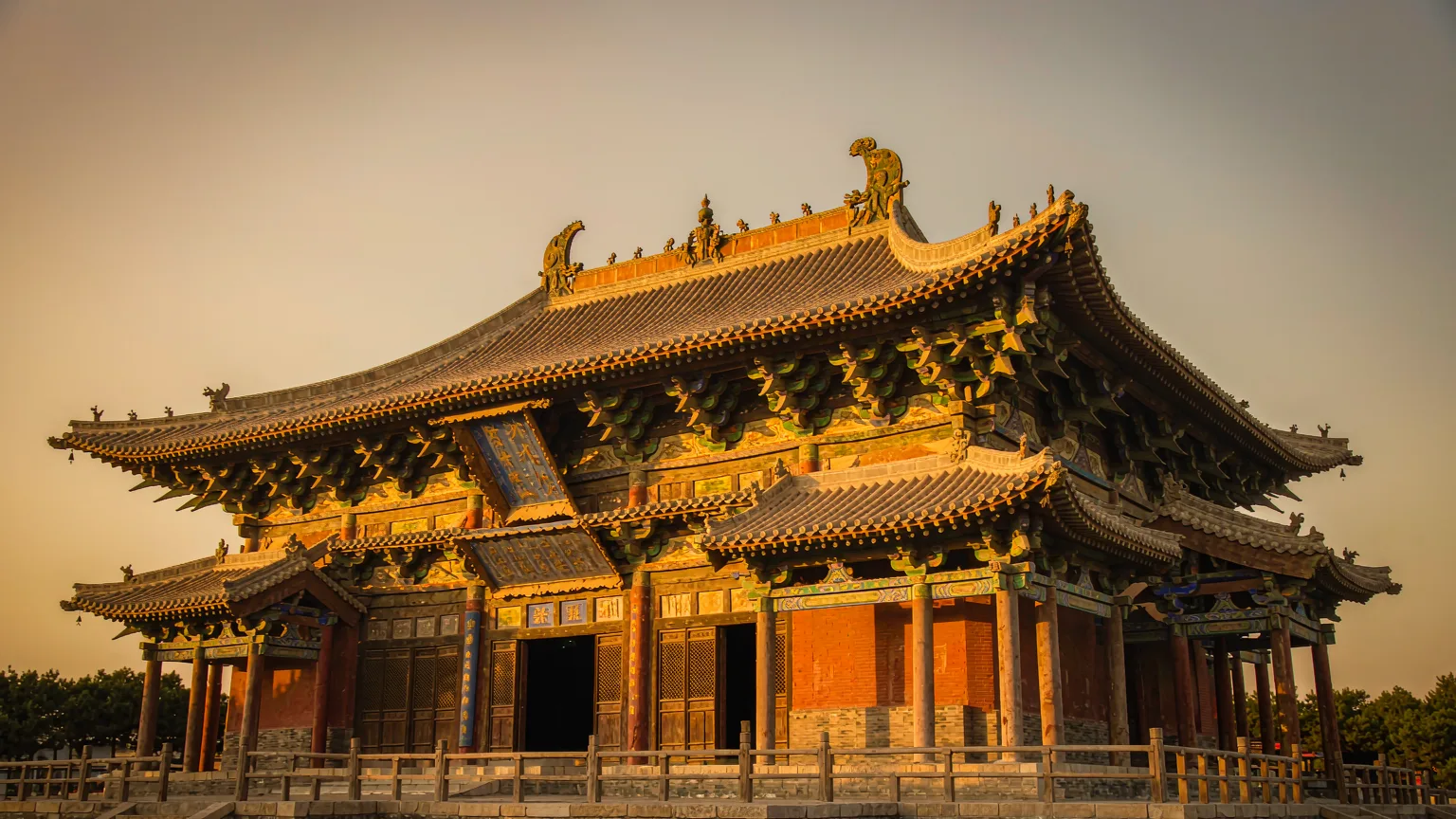
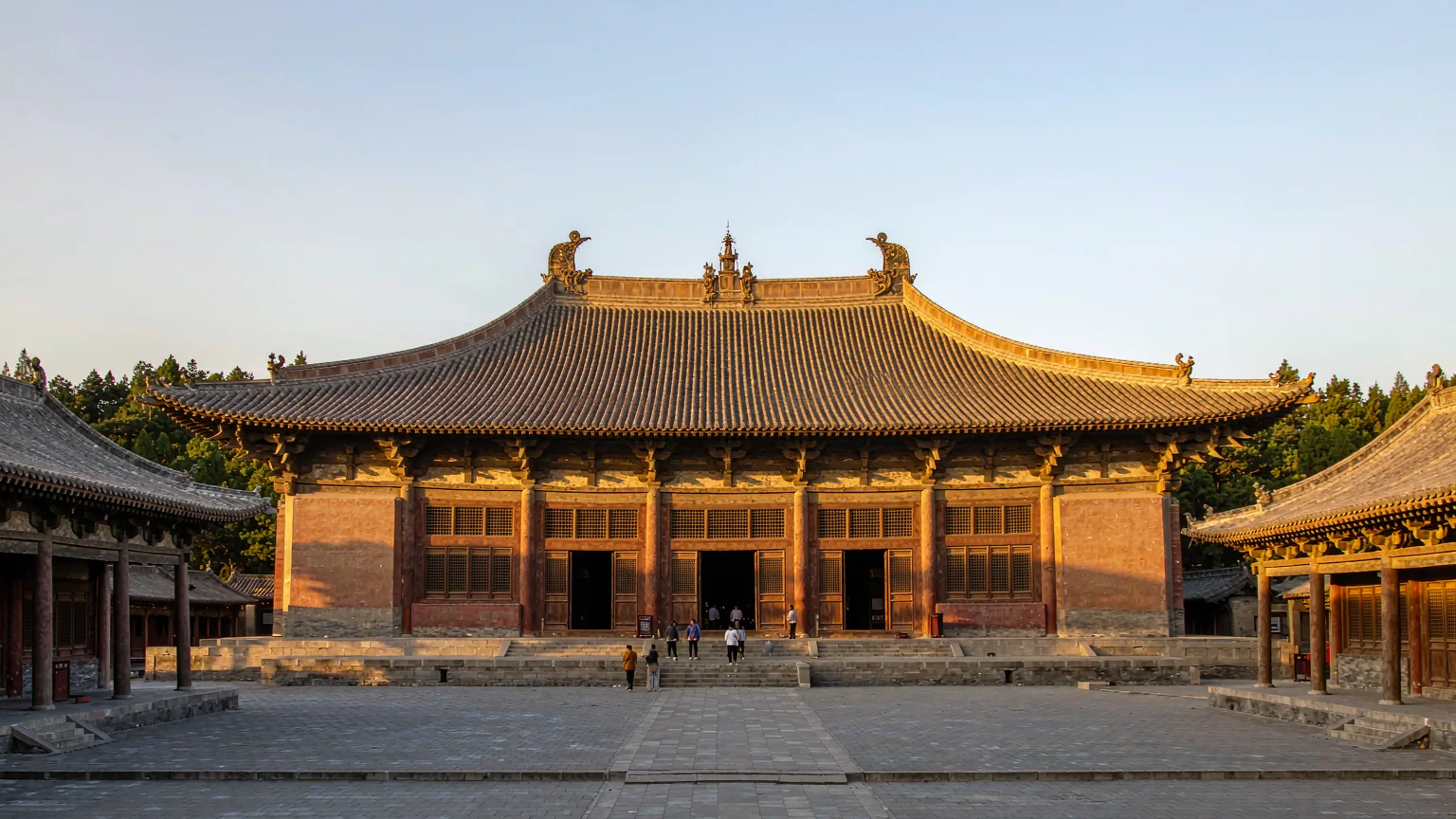
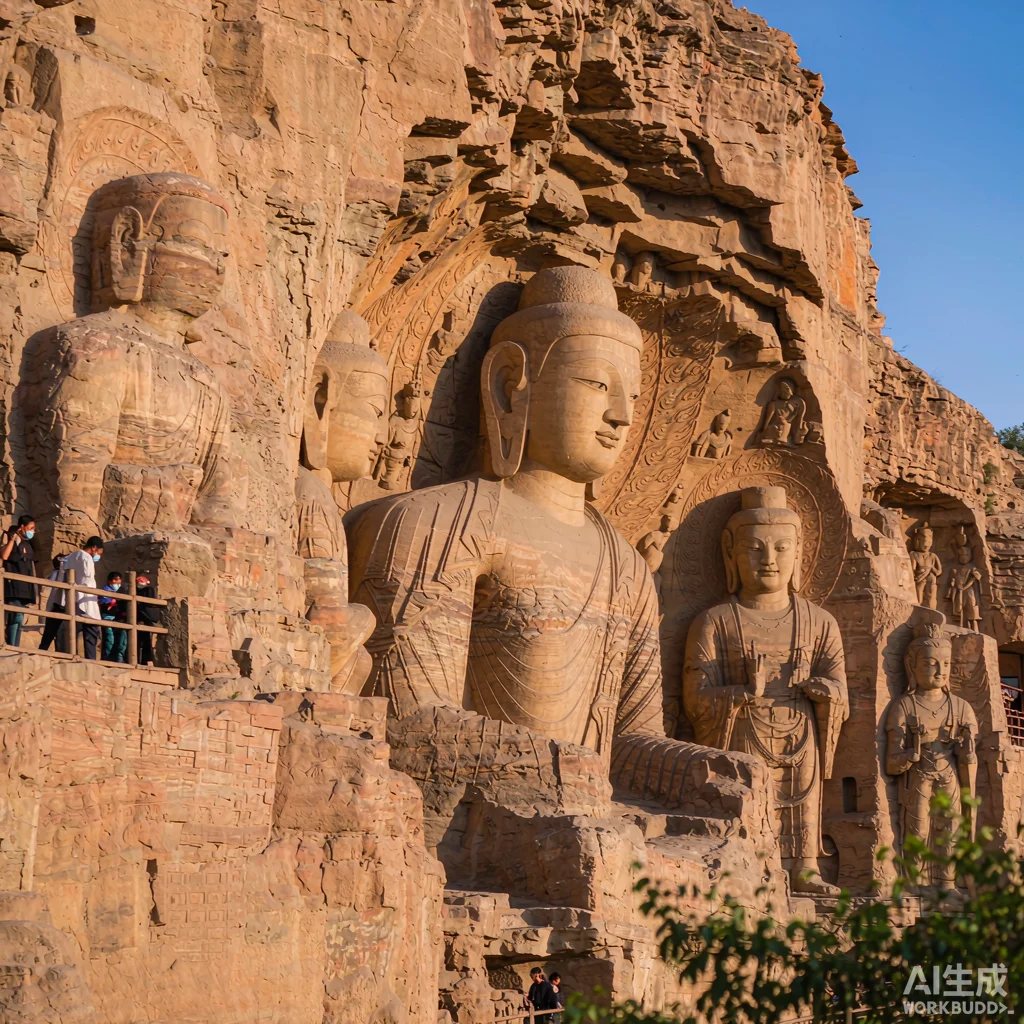
Datong, a historic city in northern Shanxi Province, China, has been a strategic gateway between the Central Plains and the steppes for over two millennia. As the capital of the Northern Wei Dynasty (386–534 AD), it flourished as a Buddhist center, leaving behind the magnificent Yungang Grottoes, a UNESCO World Heritage Site. Later, during the Liao and Jin dynasties, it served as a secondary capital, and its well-preserved old city walls and temples reflect a rich cultural tapestry. Today, Datong blends its ancient heritage with modern industry, offering travelers a glimpse into China's deep past.
The city is divided into several districts, with Pingcheng District forming the historic core, where the ancient city wall, Huayan Temple, and Shanhua Temple are located. To the west, Yungang District is home to the famous Yungang Grottoes, while Xinrong District in the north is known for its coal mines and the nearby Hanging Temple. The newer Yunzhou District to the east is developing rapidly, and Kouquan District in the southwest is an industrial area. The Yudong area, east of the old city, features modern residential and commercial developments.
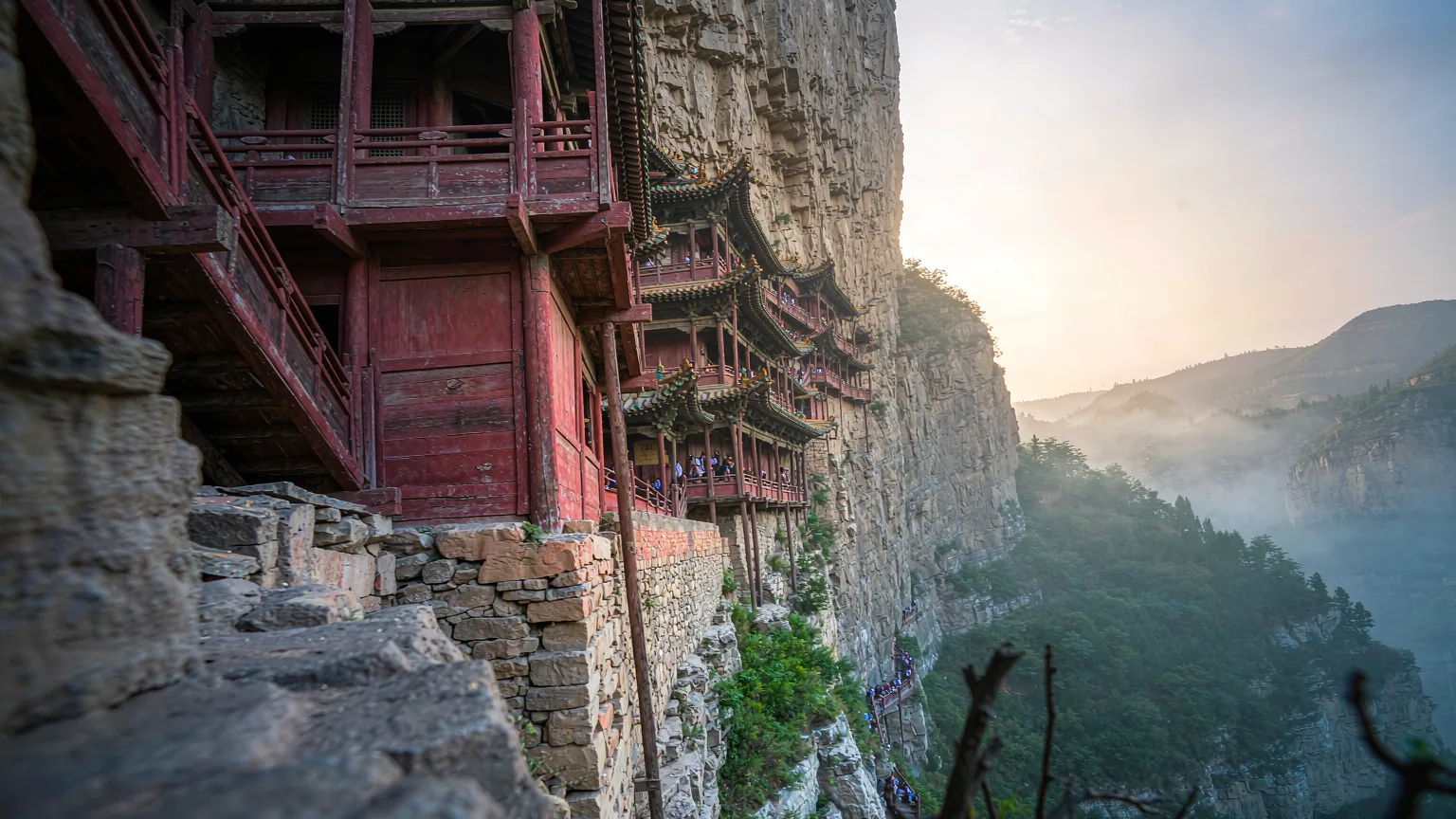
Visitors to Datong can explore the awe-inspiring Yungang Grottoes with their thousands of Buddhist statues, marvel at the engineering feat of the Hanging Temple built into a cliff, and wander through the restored ancient city to see temples, pagodas, and traditional architecture. The city also offers a chance to taste Shanxi's famous knife-cut noodles and aged vinegar. With its blend of history, culture, and natural beauty, Datong provides a unique and enriching travel experience.
Datong covers an area of 14,176 km² and has a population of approximately 3.1 million. It is divided into 4 districts and 6 counties. The city is renowned for the Yungang Grottoes, a UNESCO World Heritage Site, and was the capital of the Northern Wei Dynasty.

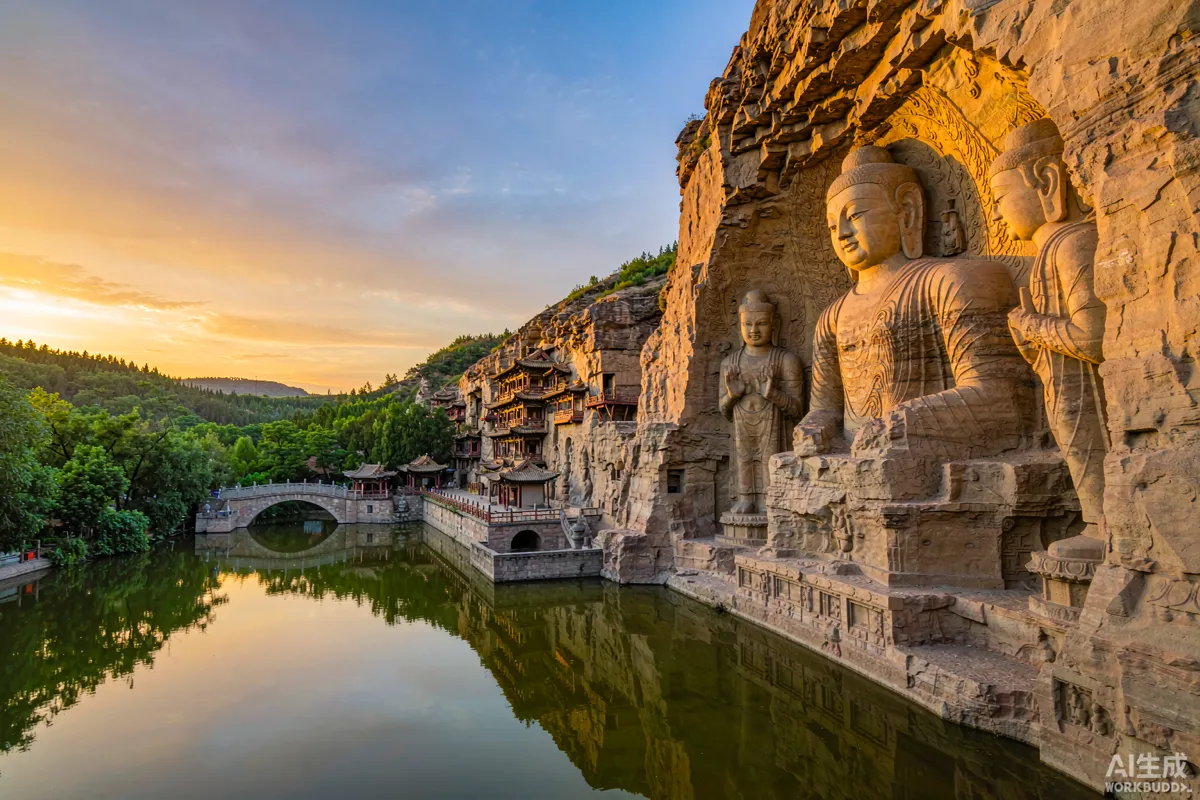
Yungang Grottoes · Hanging Temple · Huayan Temple · Ancient City Wall — experience the essence of Datong in one trip
View details →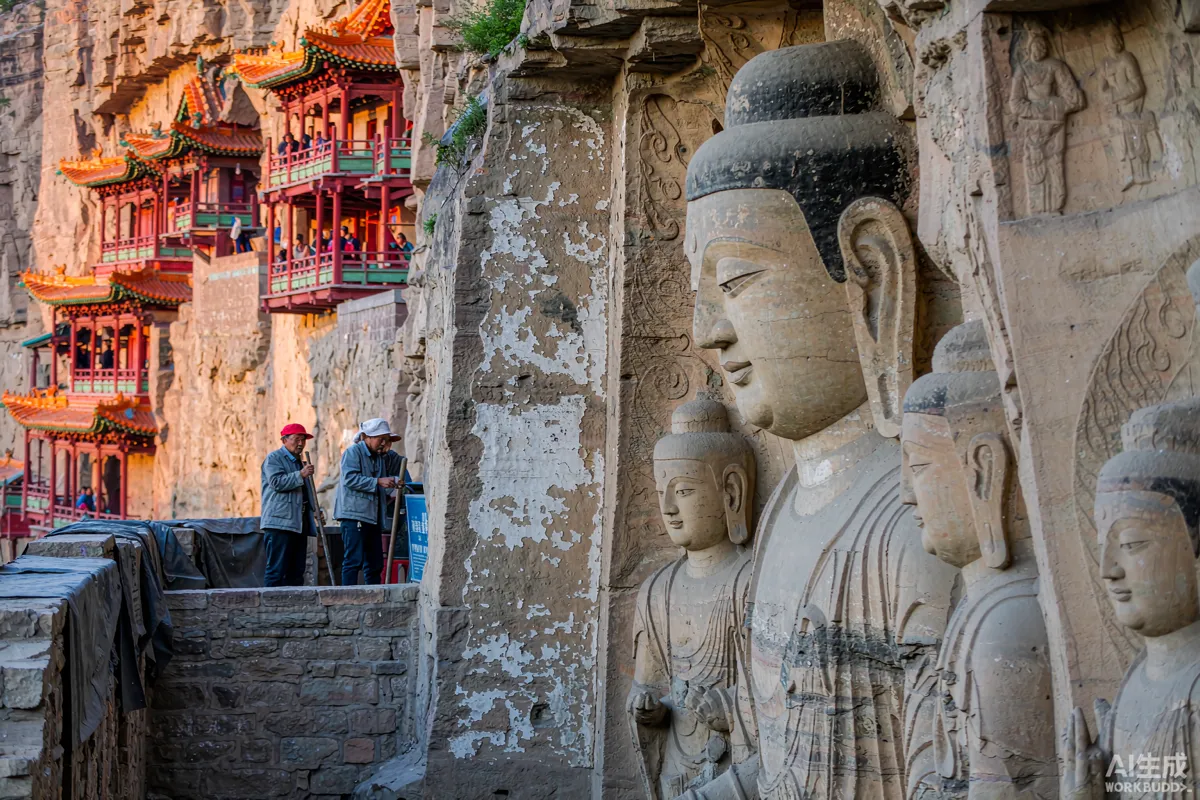
Museums · Intangible Cultural Heritage · Ancient Architecture · Grottoes — Understanding Two Millennia of Datong
View details →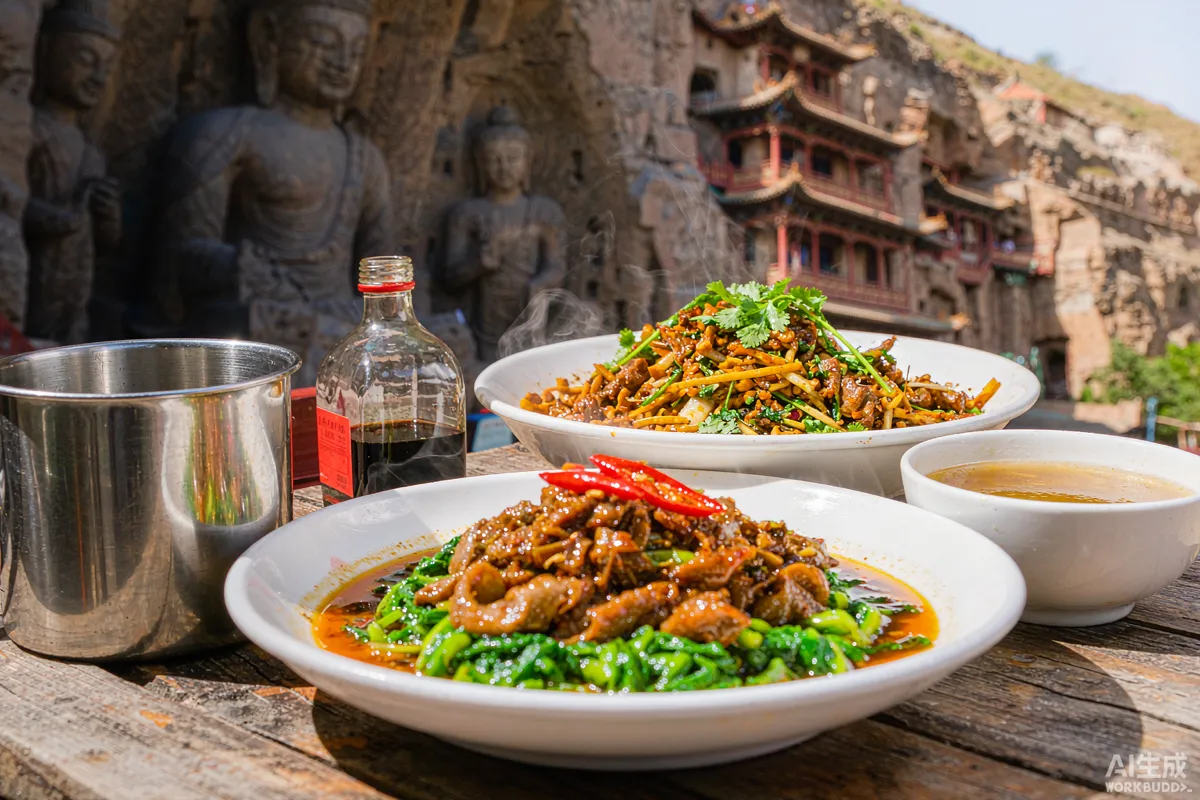
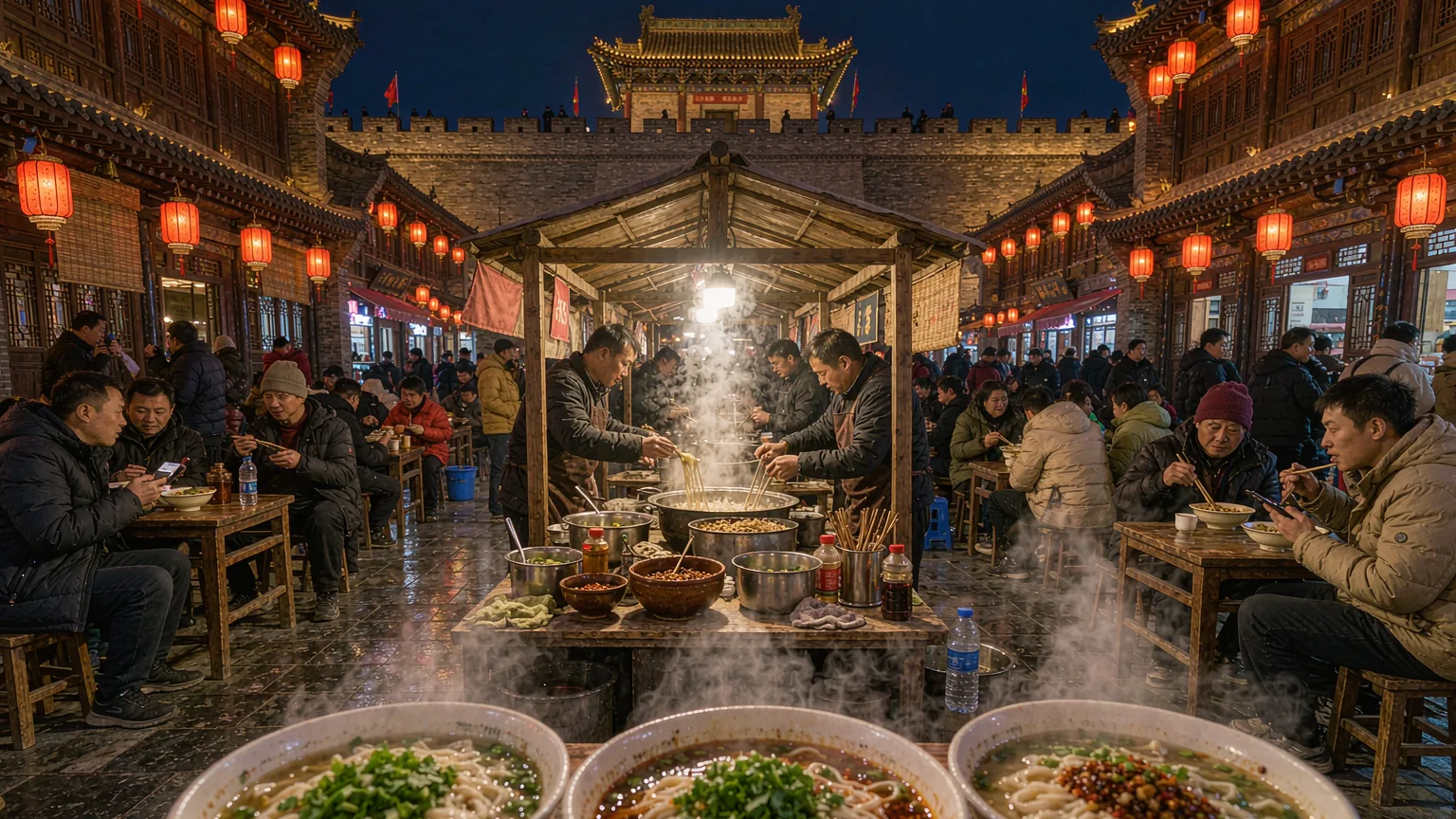
Knife-cut noodles · Lamb offal · Copper hot pot · Wet market, eat your way through Datong
View details →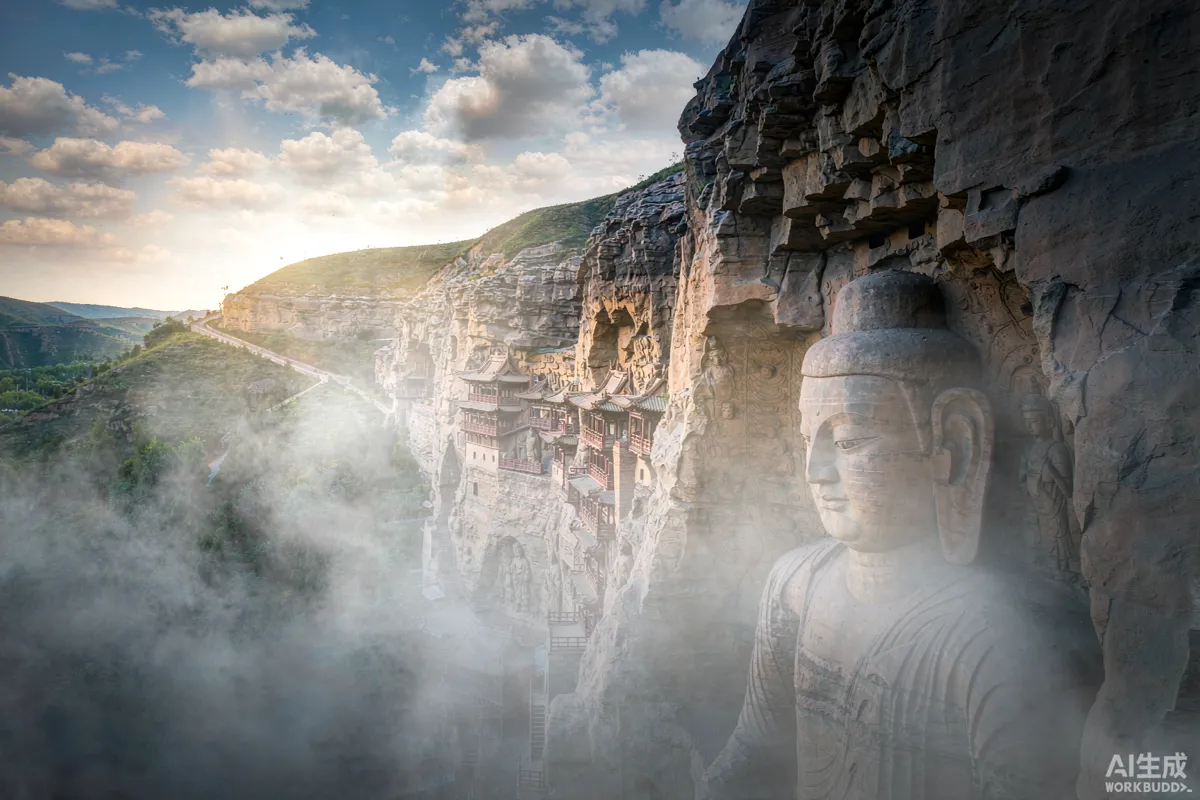
Hengshan Hiking · Tulin Photography · Volcanic Cluster Exploration · Great Wall Discovery
View details →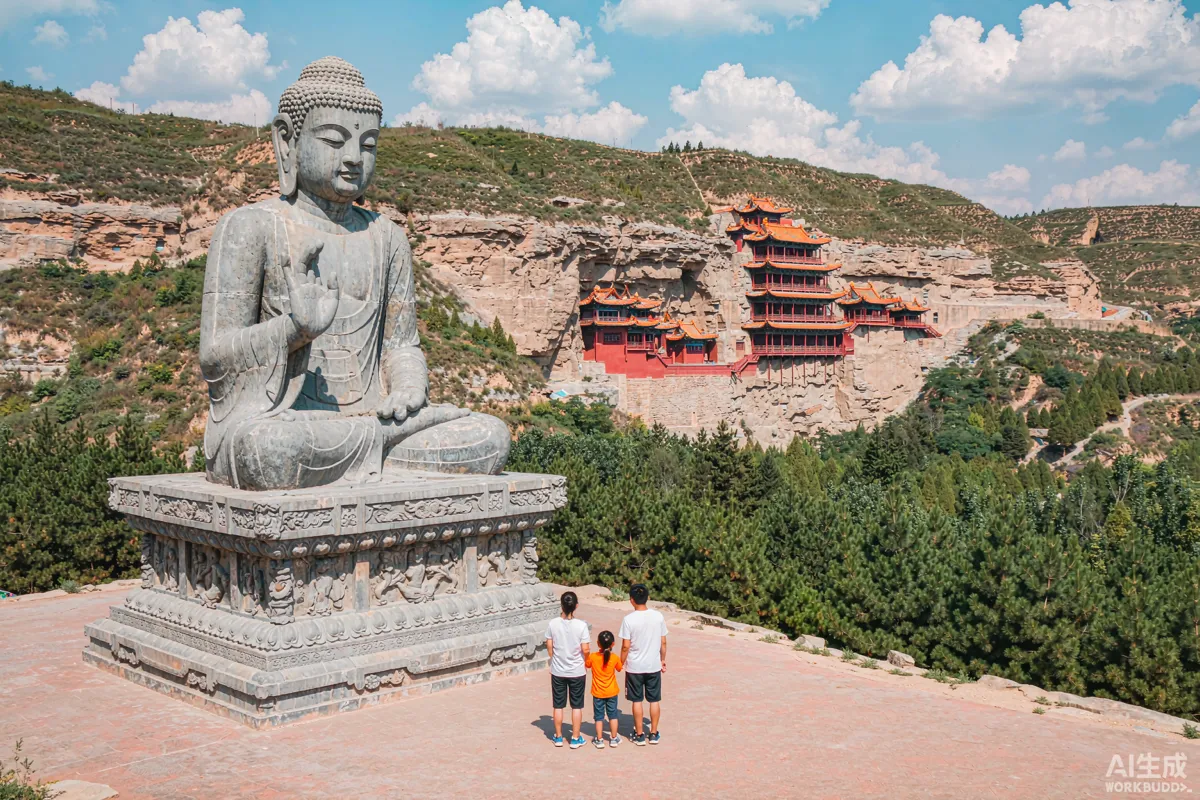
Grotto Treasure Hunt · Ancient City Cycling · Intangible Cultural Heritage Handicrafts · Food DIY
View details →| Fleet | Airport pickup & drop-off | Chauffeur by the day | Intercity transfers |
|---|---|---|---|
 Economy | from $84Book → | from $280Book → | from $170Book → |
 Comfort | from $134Book → | from $448Book → | from $272Book → |
 Luxury | from $202Book → | from $672Book → | from $408Book → |
 Special vehicles | For groups of 7+, please contact our trip designer for a quote | ||
prices may vary by date & route
Datong is a city in northern Shanxi Province, China, with a history spanning over 2,400 years. It was the capital of the Northern Wei Dynasty (386–534 AD) and later a secondary capital of the Liao and Jin dynasties. The city is famed for the Yungang Grottoes, a UNESCO World Heritage Site featuring over 51,000 Buddhist statues. Its well-preserved ancient city wall and temples offer a glimpse into imperial China.
The city's layout is centered on the old city, surrounded by a restored Ming Dynasty wall. Within the wall, key attractions include the Huayan Temple, Shanhua Temple, and the Nine-Dragon Wall. Outside, the Yungang Grottoes lie to the west, and the Hanging Temple is about 65 km to the south. Datong's districts blend historical sites with modern infrastructure, making it an accessible destination.
Datong is well-connected by high-speed rail, with direct trains from Beijing (about 1.5 hours), Xi'an (about 4 hours), and Taiyuan (about 2 hours). The Datong South Railway Station serves high-speed trains, while the older Datong Railway Station handles conventional trains. The city is also accessible by air via Datong Yungang Airport, with flights from major Chinese cities.
Within the city, public buses and taxis are readily available. The old city is walkable, but for attractions like the Yungang Grottoes (16 km west) and the Hanging Temple (65 km south), it's best to take a taxi or join a tour. Ride-hailing apps like Didi are also popular. For budget travelers, local buses connect to the grottoes.
Datong's cuisine is rooted in Shanxi cooking, known for its hearty noodles, aged vinegar, and lamb dishes. Must-try specialties include knife-cut noodles (daoxiaomian), sliced noodles (daomian), and youmian (oat noodles). The local vinegar is famous for its depth of flavor. For a unique experience, try the Datong hotpot, which features lamb and local vegetables.
Shopping in Datong offers a mix of traditional crafts and modern retail. The old city area has shops selling local specialties like vinegar, millet, and handicrafts. For a more contemporary experience, visit the commercial streets in the Yudong area. Don't miss the chance to buy some Shanxi aged vinegar or intricate paper cuttings as souvenirs.
Datong's nightlife is relatively subdued compared to larger Chinese cities, but there are options for evening entertainment. The old city area is beautifully illuminated at night, making it perfect for a stroll. You can find teahouses, bars, and night markets offering local snacks. For a cultural experience, check out performances at the ancient theater or enjoy a night view of the city wall.
The best time to visit Datong is during spring (March to May) and autumn (September to November), when the weather is mild and comfortable for exploring outdoor attractions like the Yungang Grottoes and the Hanging Temple. Summer can be hot, but it's still manageable, while winter is cold and dry, with occasional snow. Avoid the National Day holiday (early October) when crowds are at their peak.
| Period | Temperature | Conditions |
|---|---|---|
| Mar–May | 6-22°C | Spring is mild and pleasant, ideal for sightseeing. Cherry blossoms and green landscapes. |
| Jun–Aug | 15-30°C | Summer is warm to hot, with occasional rain. Best to visit early in the day. |
| Sep–Nov | 5-22°C | Autumn is cool and comfortable, with clear skies and colorful foliage. |
| Dec–Feb | -10-5°C | Winter is cold and dry, with snow possible. Dress warmly and enjoy fewer crowds. |
Every private guide is licensed and vetted. Choose a tier that fits your trip — rates are per guide, per day, in USD.
A dependable all-rounder for an easy, well-planned day.
An experienced specialist with deeper local insight.
A senior expert — and, on request, medical-travel accompaniment.
Hand-picked, licensed guides based right here. Tap book to start a conversation and lock in your dates.
Most travellers spend 3 days in Datong, though many stay longer once they arrive. If you want to combine Datong with other cities — pandas, mountains, food streets — our consultants design one private itinerary at your own pace.
Yes. MyGuideTrip arranges vetted, licensed local guides in Datong and across China. Your guide speaks fluent English, stays with you for the entire trip, and handles tickets, transport and restaurant picks. Meet them on the Guides page.
Datong is best known for the Yungang Grottoes, see the Five Caves of Tanyao. The recommended itineraries below cover these highlights with smart timing to beat the crowds.
Send us your dates, group size and interests — a dedicated consultant replies within 24 hours with a tailor-made Datong itinerary covering guide, driver, hotels and tickets. Start with a free consultation below.
Tell us a little about your trip and we'll get back to you within 24 hours.
We'll reply within 24 hours.