
Guest — sign in to save your enquiries.
My account
Huayan Temple is Datong's most rewarding surviving monastery, a Liao-Jin era complex whose vast Mahavira Hall ranks among China's largest Buddhist halls. Its quiet courtyards, sculpted wooden bodhisattvas and rare Liao statues reward anyone who slows down. With our private guide, you skip the guesswork and hear the stories behind each hall.
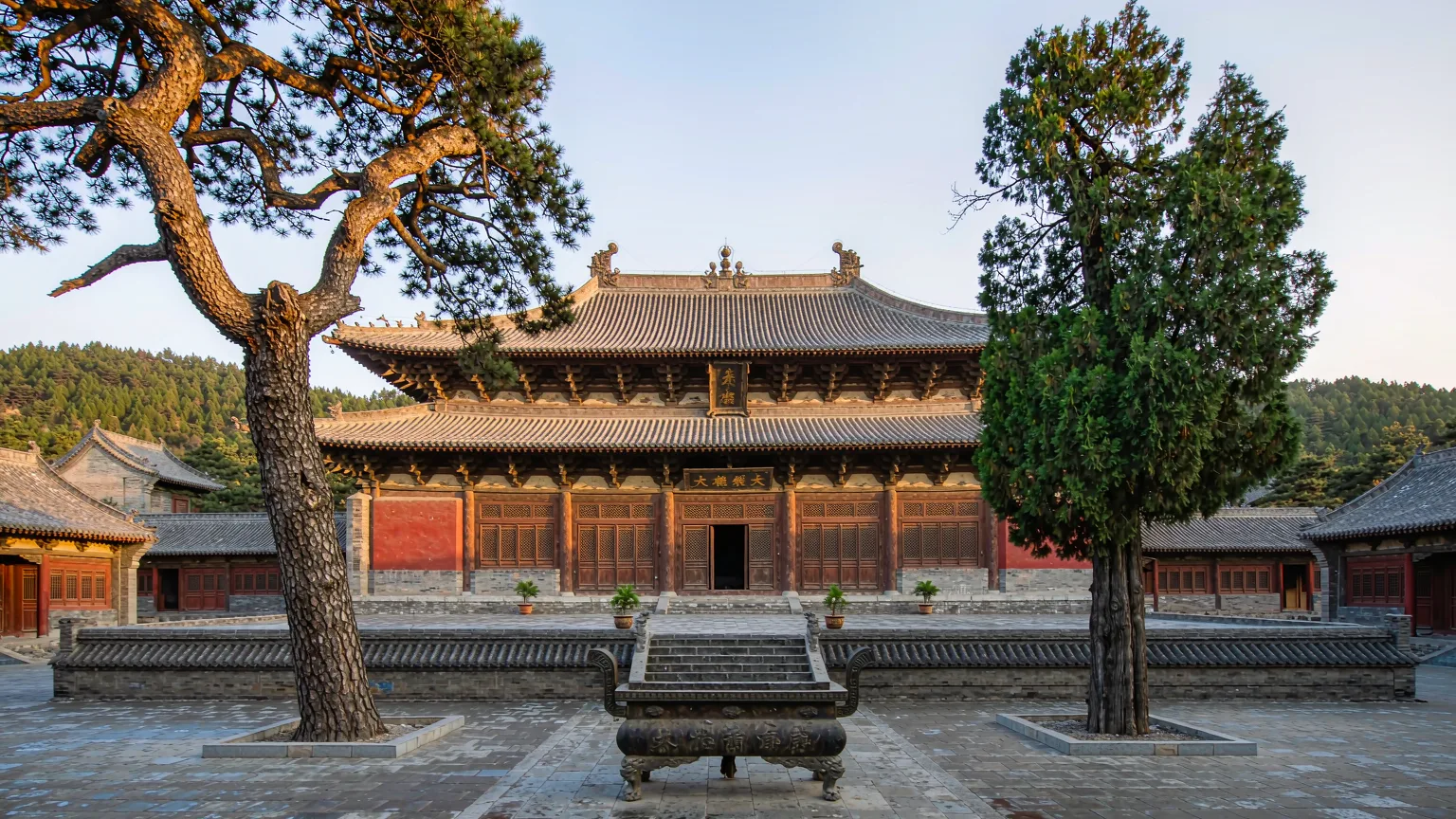
Huayan Temple was founded in 1038 during the Liao dynasty and later expanded under the Jin, making it one of the best-preserved monastic complexes from those northern dynasties. It follows the Huayan school of Buddhism, which emphasises the interconnectedness of all things. The temple is split into an upper and lower monastery; the upper complex holds the monumental Mahavira Hall, rebuilt in the Jin period and widely considered the largest surviving wooden Buddhist hall in China. Inside, five colossal Buddhas and a richly carved ceiling command the space.
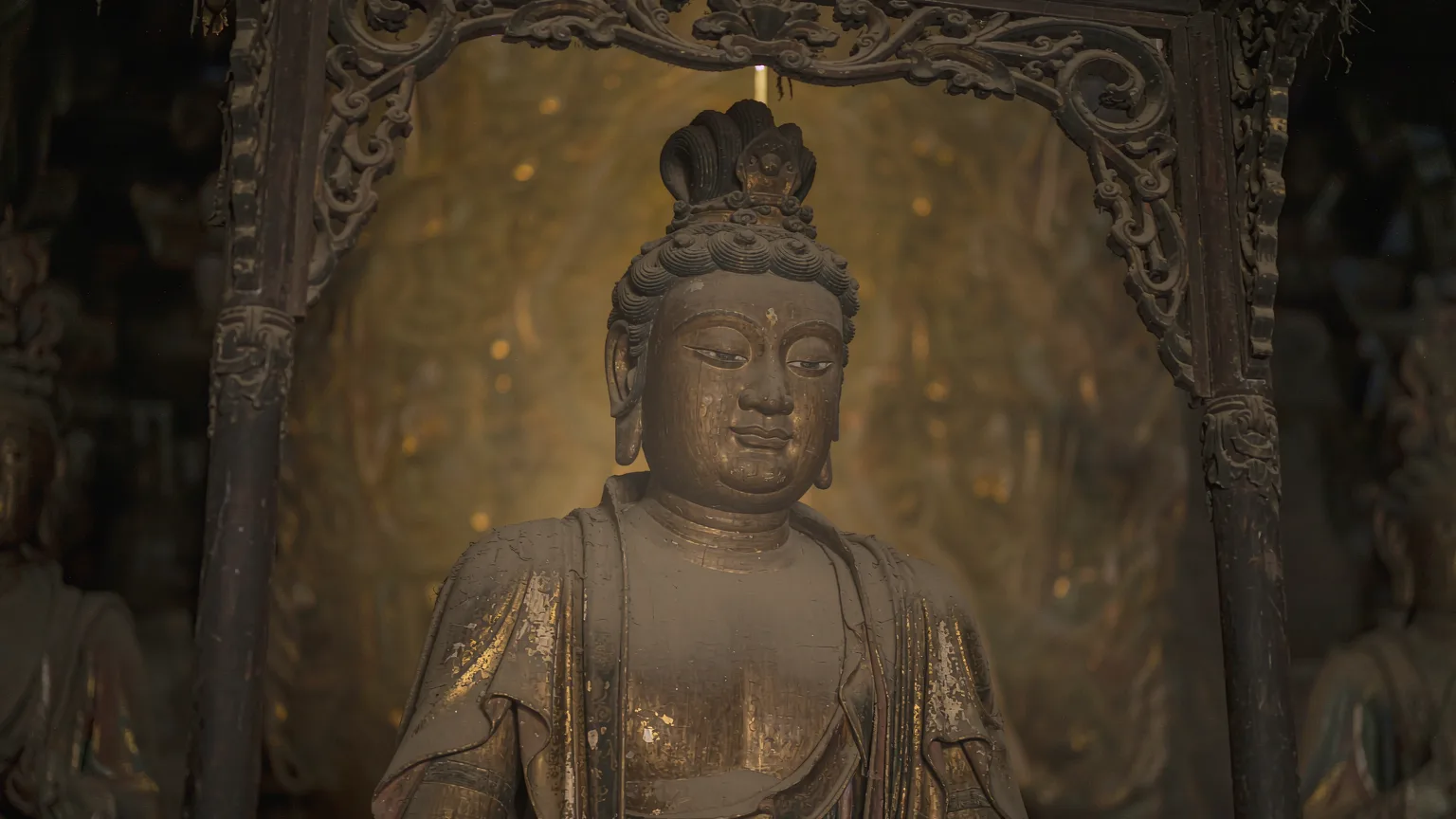
The lower monastery contains the Bojiajiaozang Hall, a rare Liao structure with a beautifully preserved interior. Its walls are lined with miniature pagodas and hundreds of clay figurines, while a wooden pagoda-shaped sutra cabinet stands at the centre. The temple also houses a fine collection of Liao and Jin sculptures, including the famous 'Smiling Bodhisattva' with a serene, almost human expression. For visitors, the site offers a compact, uncrowded look at Buddhist art from a period often overshadowed by later dynasties. Our guides can point out details most tourists miss.
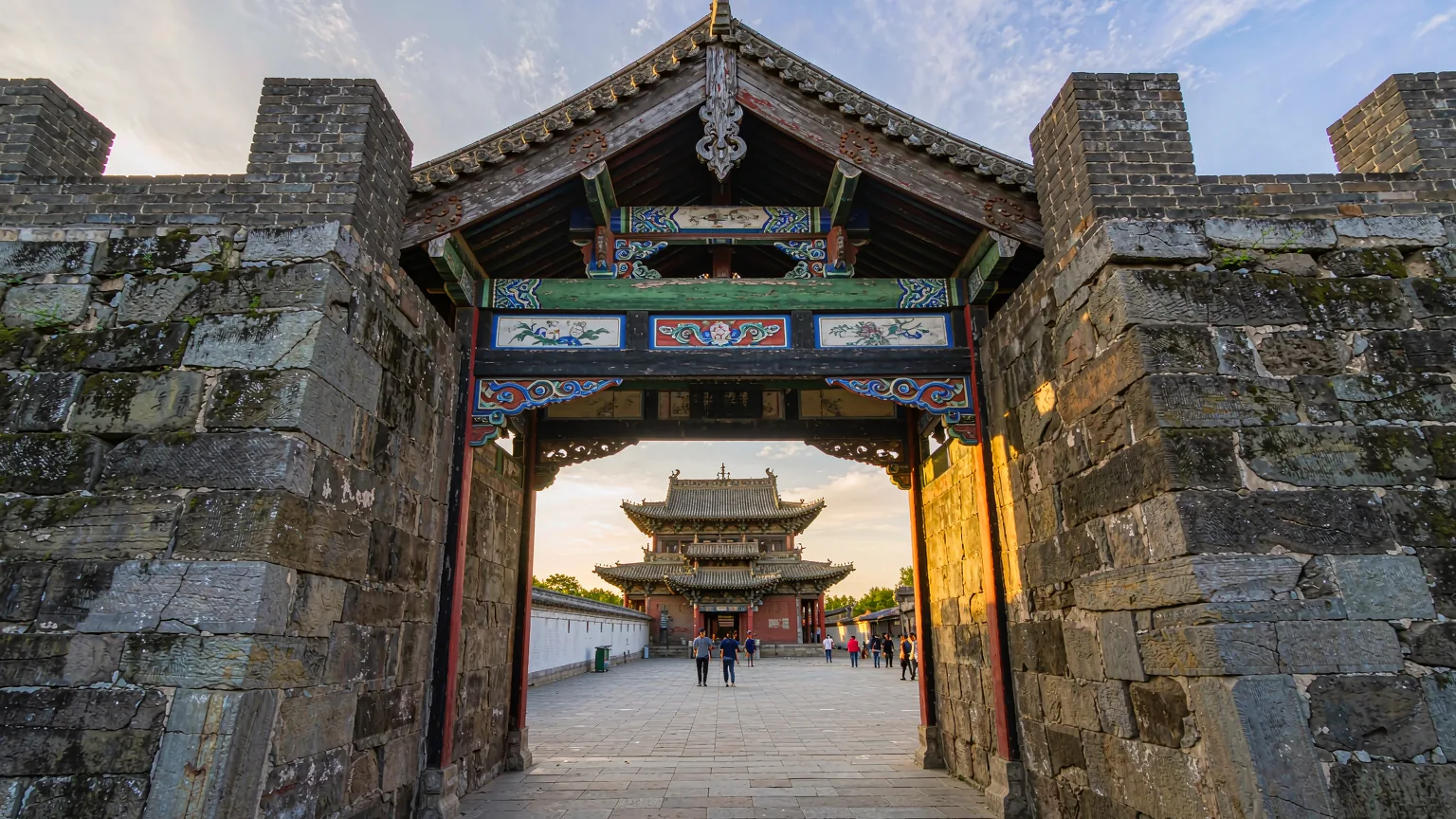
Huayan Temple sits inside Datong's old city walls, a 10-minute walk from the Huayan Temple metro station (Line 1). Taxis from Datong Railway Station take about 15 minutes and cost around ¥15. If you're coming by high-speed rail from Beijing, the journey takes under two hours; we can arrange a private transfer to meet you. It pairs perfectly with a morning at the Yungang Grottoes, with lunch in between.
Admission is ¥50 (peak season) or ¥40 (off-peak), with discounts for students and seniors. Opening hours are 8:30am–5:30pm (last entry 5pm). Book via the official WeChat account or at the gate; foreign cards are accepted at the ticket office, but WeChat Pay and Alipay are more convenient for on-site purchases.
Visit in spring (April–May) or autumn (September–October) for mild weather and clear light. Early morning, right at opening, offers the most tranquil experience and soft light for photographing the halls. Avoid Chinese public holidays, when domestic tour groups swell the courtyards.
Absolutely. It offers a rare, uncrowded look at Liao and Jin dynasty Buddhist architecture and sculpture, including one of China's largest wooden halls.
Plan for 1.5 to 2 hours to explore both the upper and lower monasteries at a relaxed pace, including time for photos and quiet reflection.
Yes. They are about 40 minutes apart by car. We suggest Yungang in the morning and Huayan Temple in the afternoon to avoid the biggest crowds.
Signage is limited, mostly in Chinese. Our private guides provide full context and translation, making the art and history accessible.
Tell us your dates, group size and preferences — a dedicated consultant will reach out within 24 hours.