
Guest — sign in to save your enquiries.
My account
Shanhua Temple is Datong's best-preserved Liao and Jin dynasty monastery, a rare surviving complex of 11th- and 12th-century wooden halls. Its tranquil courtyards hold original sculptures and architecture that predate many of China's famous temples. With our private guide, you'll decode the site's history and enjoy a seamless visit.
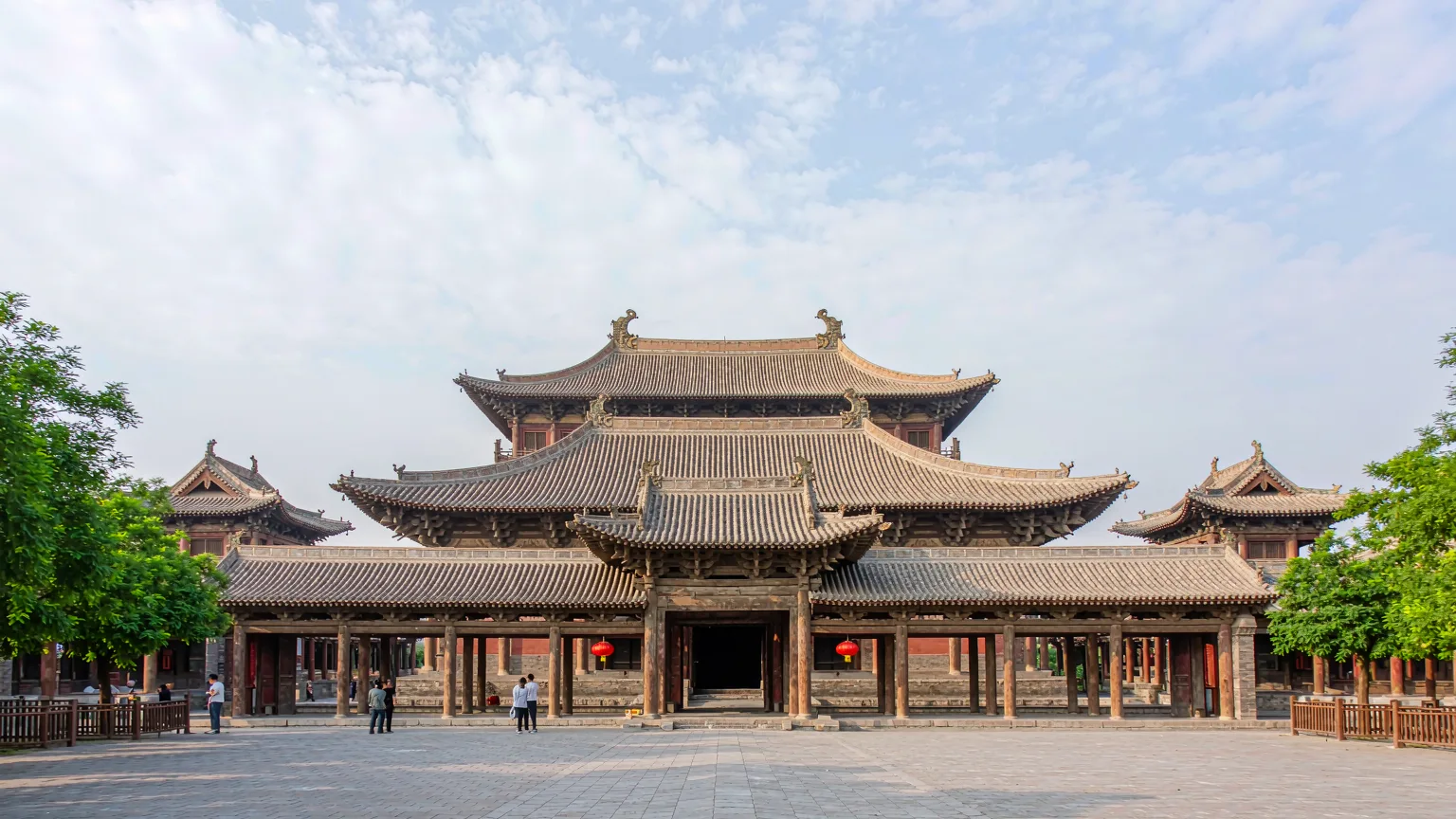
Shanhua Temple was first built in the Tang dynasty as Kaiyuan Temple, but was rebuilt and renamed during the Liao dynasty (907–1125) and later repaired under the Jin (1115–1234). The current layout, with its south-facing halls aligned on a central axis, reflects Liao-Jin architectural traditions that are exceptionally rare in China. The main hall, the Daxiong Baodian, is a massive wooden structure from the Liao period, while the Sansheng Hall and Puguang Hall date to the Jin. Together they form one of the most complete surviving groups of Liao-Jin timber buildings, offering a window into a time when Datong was a strategic capital on China's northern frontier.
Unlike many Chinese temples that have been heavily restored or rebuilt, Shanhua Temple retains a remarkable sense of authenticity. The sculptures inside, particularly the Liao-era clay figures in the Daxiong Baodian and the Jin-era statues in the Sansheng Hall, are original and expressive. The temple also houses a rare Ming dynasty mural and a collection of stone steles. Its location inside Datong's old city, near the Huayan Temple and the Nine Dragon Screen, makes it an essential stop for anyone exploring the region's imperial past. Our guides can explain the subtle differences between Liao and Jin styles, bringing the silent halls to life.
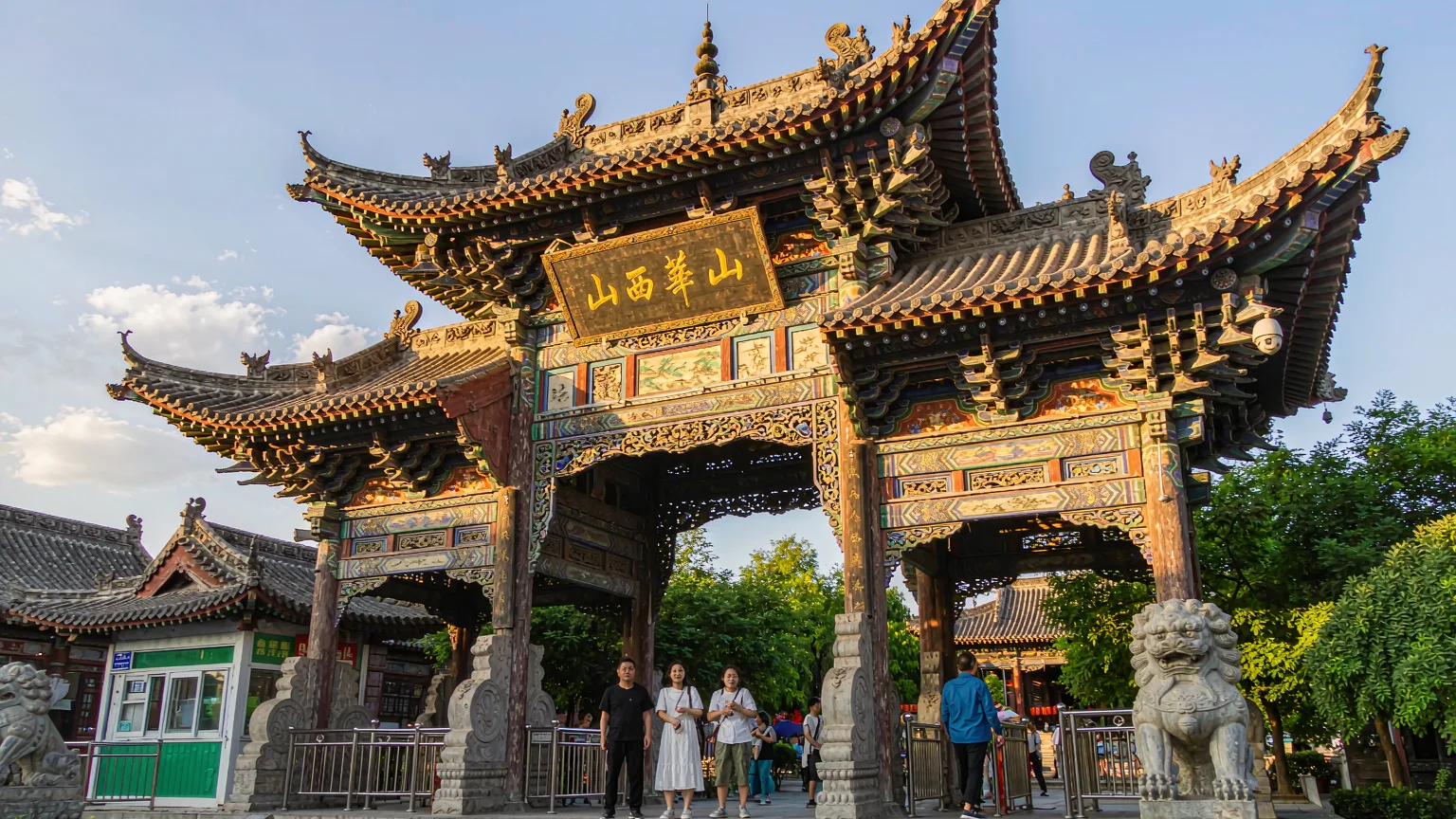
Shanhua Temple is at No. 9 Nansi Street, inside Datong's old city, a 10-minute walk from the Huayan Temple. From Datong Railway Station, take a taxi (about ¥10–15) or bus No. 17. If arriving by high-speed rail from Beijing, the journey takes around 2 hours; from the station, a taxi to the temple costs about ¥20. We usually combine it with a visit to the Nine Dragon Screen and Huayan Temple for a full day of Liao-Jin heritage.
Admission is ¥50 (peak season) or ¥40 (off-peak), with discounts for students and seniors. Opening hours are 8:30–17:30 (April–October) and 8:30–17:00 (November–March). Tickets can be bought at the gate, but we recommend booking via WeChat mini-programs or Trip.com to skip queues. Foreign cards are accepted at some counters, but WeChat Pay and Alipay linked to an international card are more reliable.
The best time to visit is during spring (April–May) or autumn (September–October), when the weather is mild and crowds are thinner. Early morning, right at opening, offers the most peaceful experience and soft light for photography. Avoid weekends and Chinese public holidays, when domestic tour groups can fill the halls.
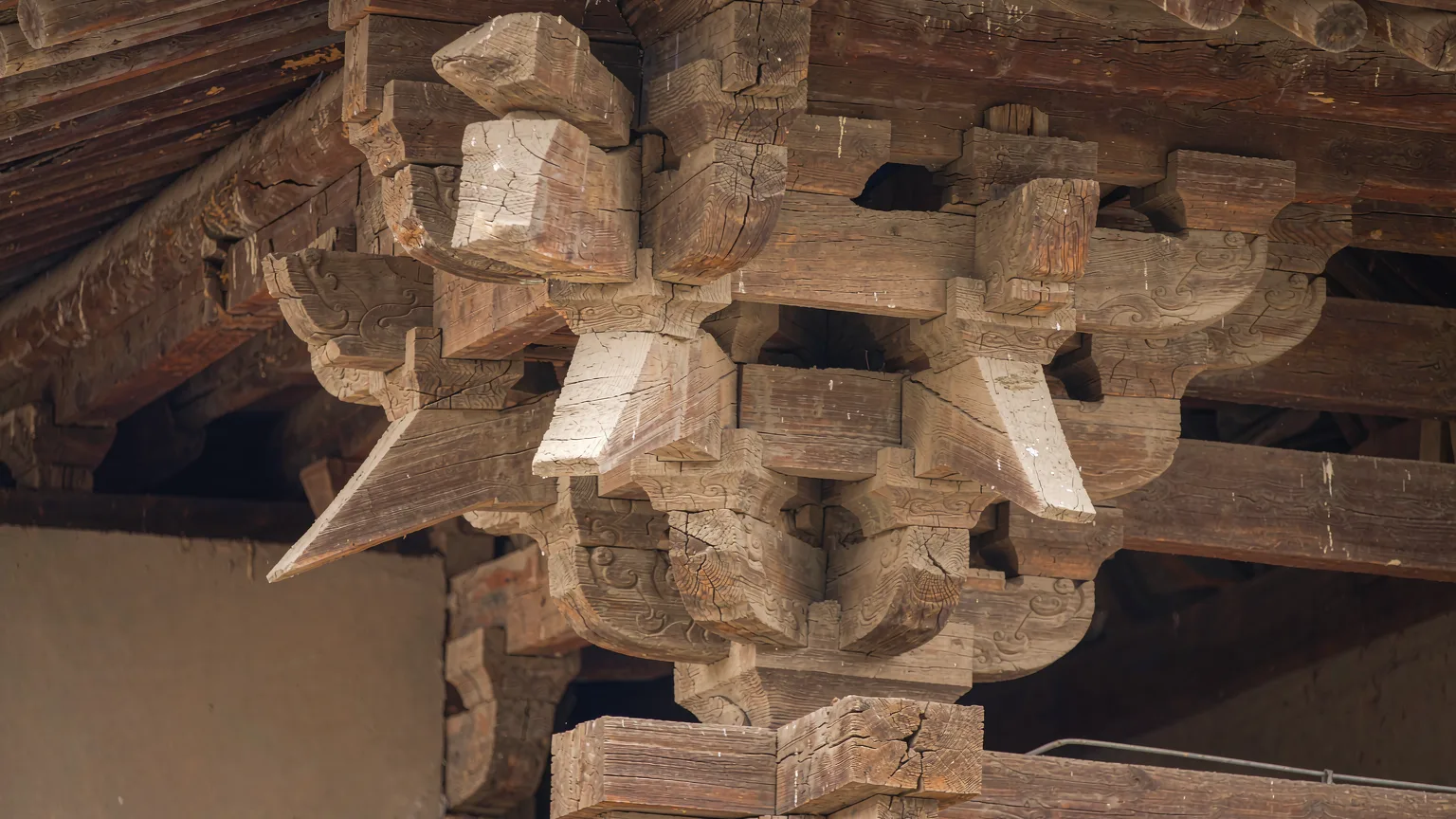
It is one of the few surviving Liao-Jin dynasty temple complexes in China, with original wooden halls and sculptures that date back over 800 years, offering invaluable insight into that era's architecture and art.
Most visitors spend 1 to 1.5 hours exploring the halls and courtyards. With a guide, you might stay longer to appreciate the details and history.
The main courtyards are relatively flat, but some halls have steps. Wheelchair access is limited but possible with assistance; our guides can help plan a route.
Photography is generally allowed without flash, but some areas may prohibit it. Look for signs and follow the rules to preserve the artifacts.
Tell us your dates, group size and preferences — a dedicated consultant will reach out within 24 hours.