
Guest — sign in to save your enquiries.
My account
Perched on a sheer cliff of Mount Heng, the Hanging Temple has defied gravity for over 1,500 years. This 4A attraction blends Buddhism, Taoism, and Confucianism in one remarkable structure. With our private guide, you'll skip the confusion and delve into its history, engineering, and spiritual significance effortlessly.
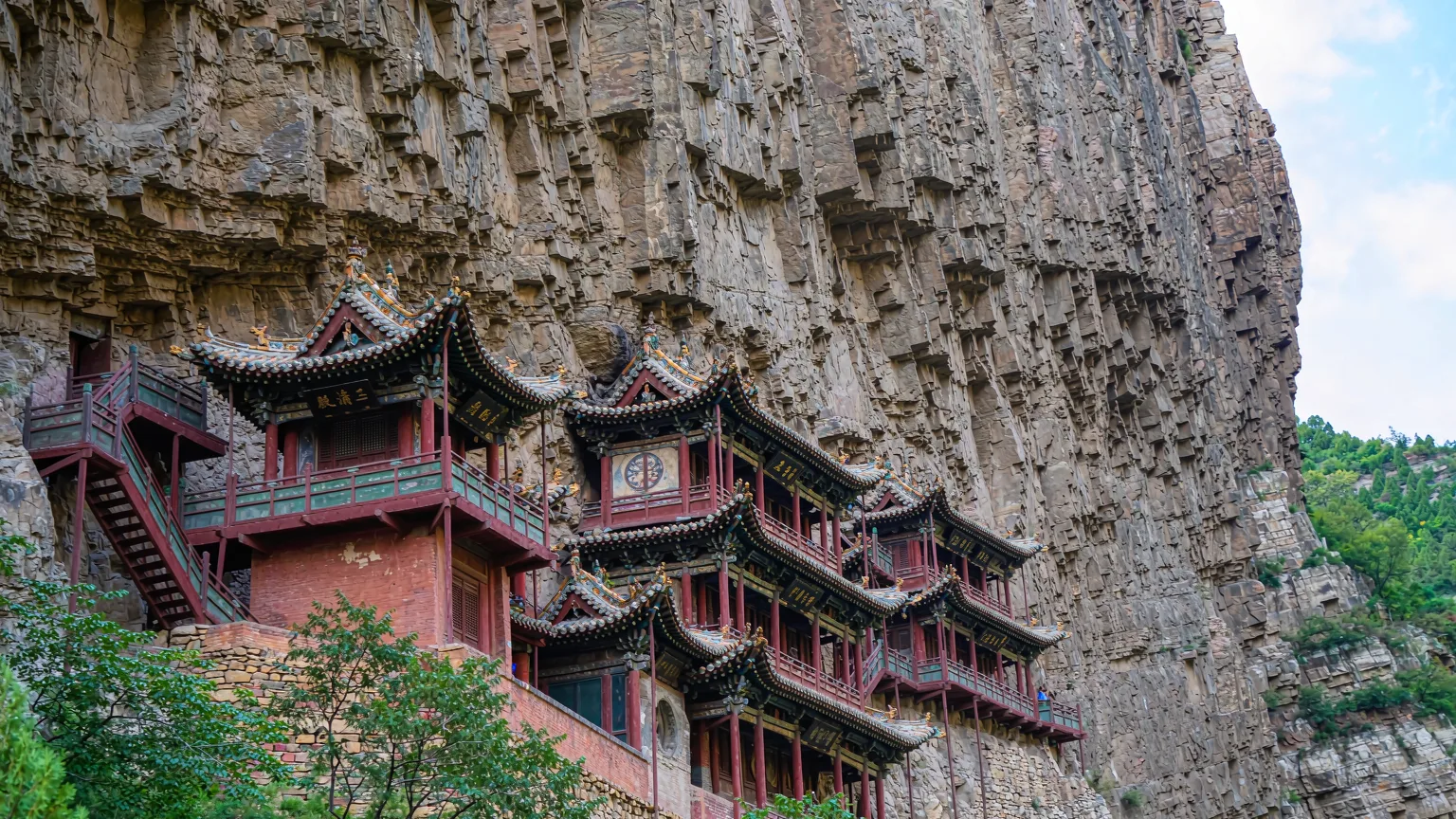
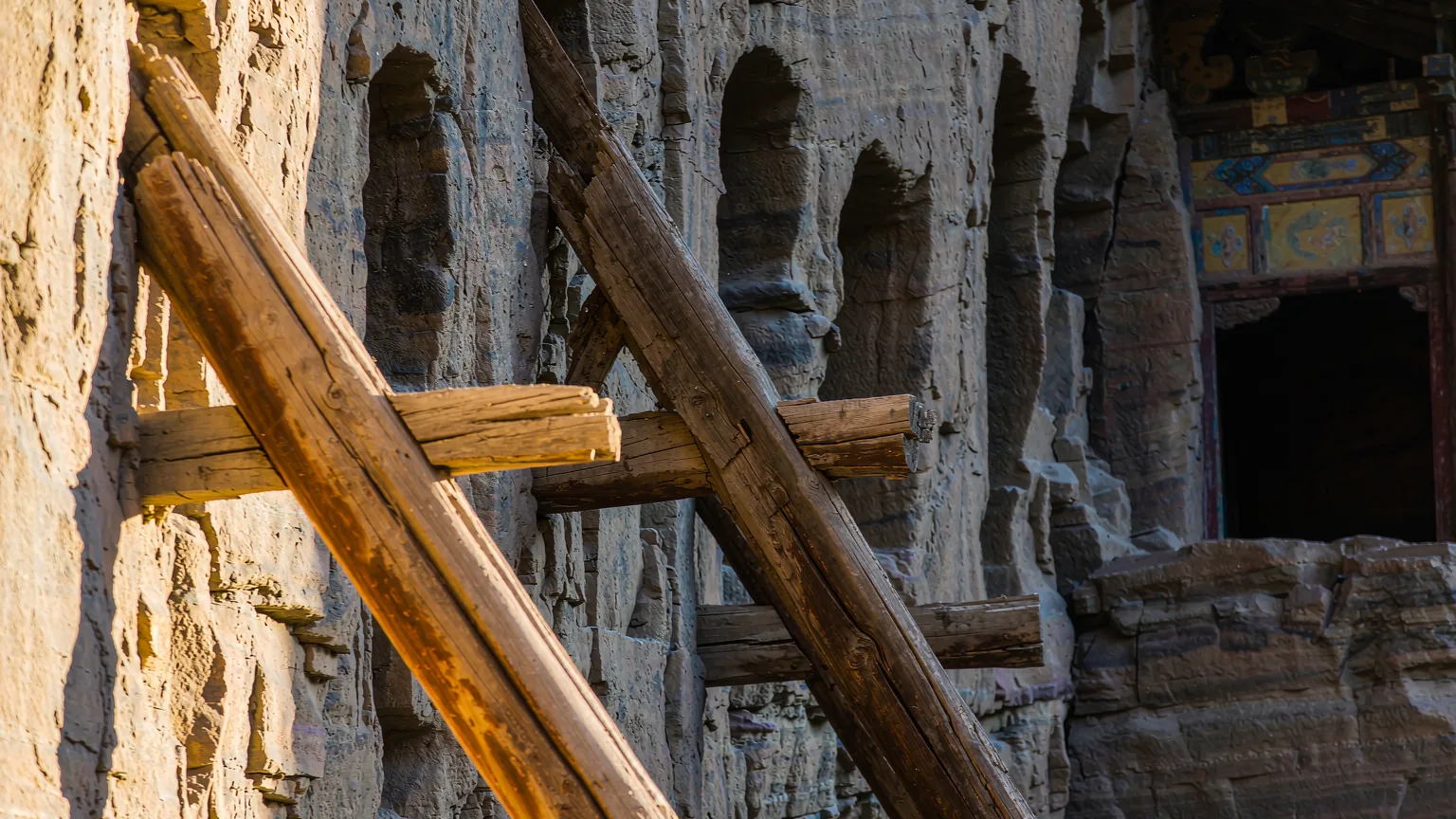
The Hanging Temple (Xuankong Si) was built during the Northern Wei Dynasty, around 491 AD, and is unique for its integration of three religions: Buddhism, Taoism, and Confucianism. Legend says it was constructed by a single monk, Liao Ran, to meditate in peace away from the world. The temple clings to a cliff face 75 meters above the ground, supported by wooden beams inserted into the rock. Over the centuries, it has survived earthquakes and weathering, a testament to ancient Chinese engineering.
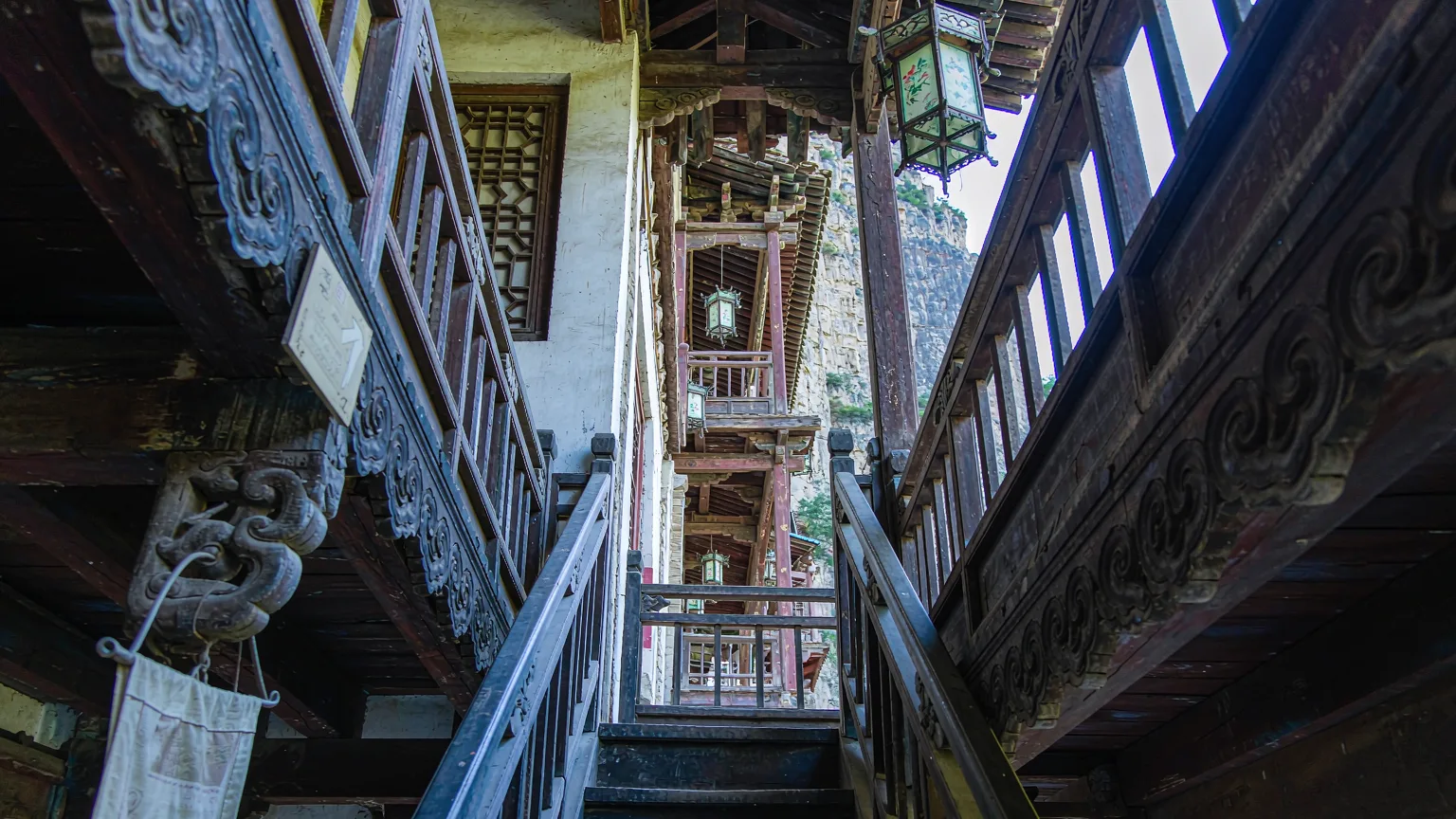
The temple complex consists of 40 halls and pavilions connected by narrow walkways and staircases. Inside, you'll find statues of Buddha, Laozi, and Confucius side by side, reflecting the harmonious coexistence of the three faiths. The architecture is a marvel: the load-bearing structure is primarily the horizontal beams embedded deep into the cliff, with the vertical poles added for visual reassurance. A visit here offers a glimpse into China's religious history and architectural ingenuity.
The Hanging Temple is about 65 km southeast of Datong city. From Datong, take a taxi or join a private tour (1.5 hours). Public buses run from Datong Bus Station to Hunyuan County, then a short taxi to the site. We recommend a private car for comfort and to combine with nearby attractions like the Yungang Grottoes. It's best visited as a half-day trip from Datong.
Admission: ¥130 (includes entry to the temple). Opening hours: 8:30-17:30 (April-Oct), 8:30-16:30 (Nov-Mar). Book in advance during peak season; tickets often sell out. Payment: WeChat Pay and Alipay accepted, but foreign cards may not work; bring cash or use our guide's assistance.
Visit in spring (May-June) or autumn (September-October) for mild weather and fewer crowds. Early morning right at opening is ideal to avoid tour groups and enjoy the temple in relative peace. Summer weekends are busiest; winter offers a stark, quiet beauty but check for icy paths.
Yes, it is regularly maintained and safe for visitors. The walkways have railings, and the structure is monitored. However, those with severe acrophobia may feel uneasy.
Most visitors spend 1.5 to 2 hours exploring the temple and taking in the views. Add extra time for photography and crowds during peak hours.
Yes, but it requires multiple transfers. From Datong, take a bus to Hunyuan County, then a taxi. A private tour is more convenient and time-efficient.
Photography is generally allowed, but flash is prohibited inside the halls to preserve the artifacts. Drones are not permitted without special permission.
Tell us your dates, group size and preferences — a dedicated consultant will reach out within 24 hours.