
Guest — sign in to save your enquiries.
My account
The Yungang Grottoes are a monumental complex of 5th-century Buddhist cave temples carved into sandstone cliffs near Datong. With 45 major caves and over 51,000 statues, they represent the pinnacle of Northern Wei art and a UNESCO World Heritage site. Our private guides bring the stories of emperors, monks, and artisans to life, navigating the site so you can focus on the awe-inspiring scale and detail.
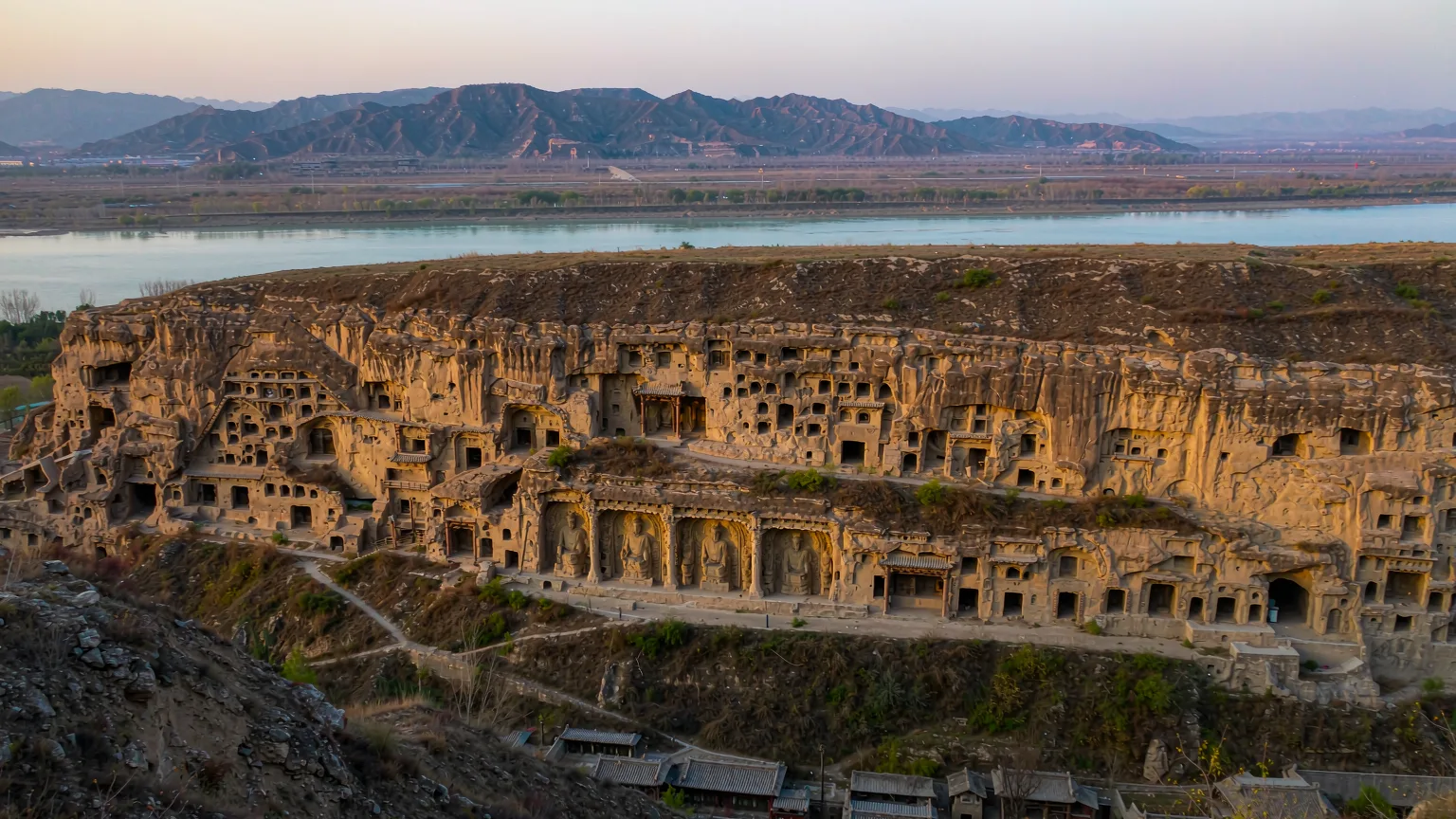
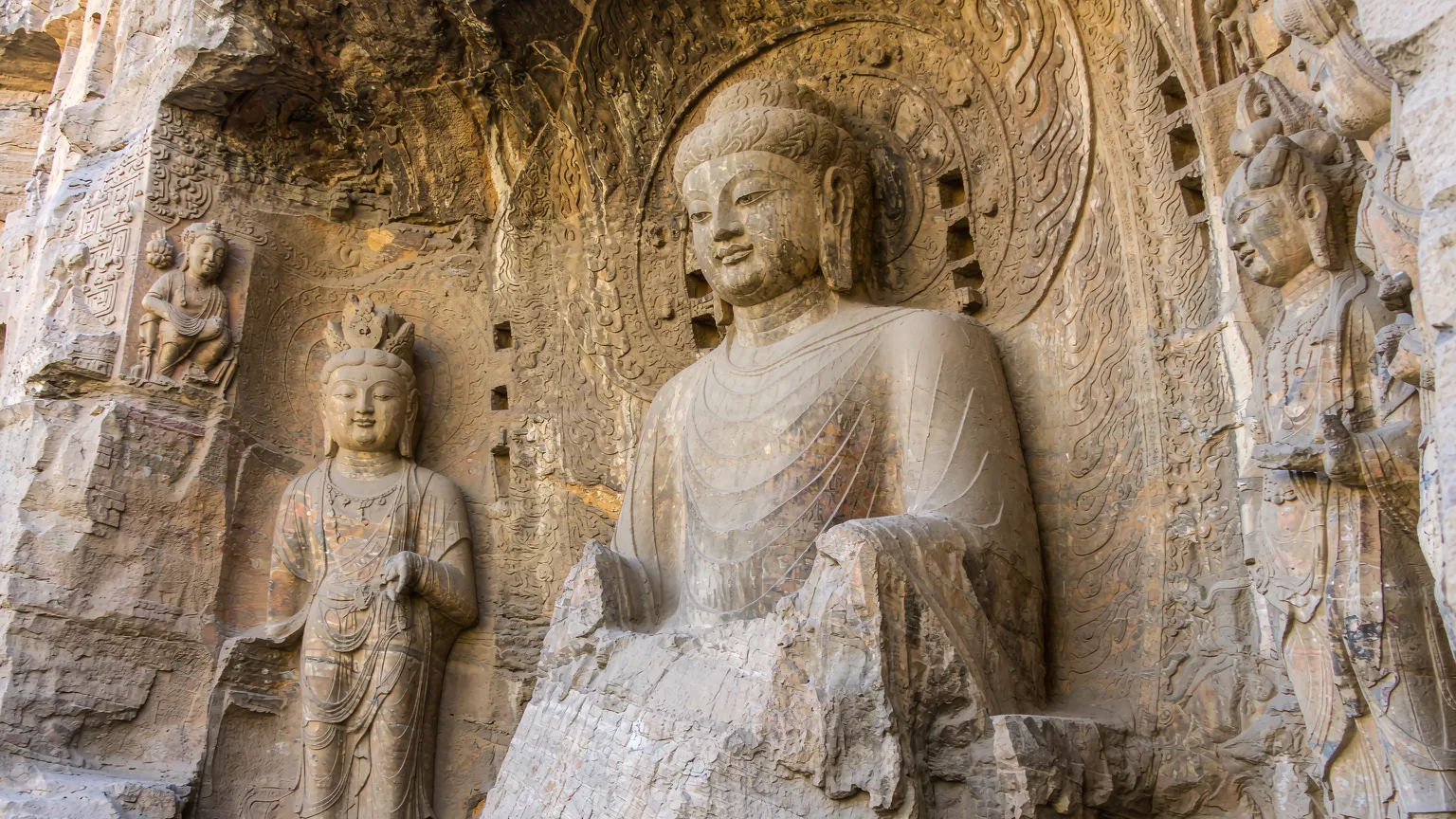
Carved between 460 and 525 CE under the Northern Wei dynasty, the Yungang Grottoes were commissioned by Emperor Wencheng as a grand statement of Buddhist devotion and imperial power. The earliest caves, known as the Five Tanyao Caves (16–20), each enshrine a colossal Buddha, said to represent past Wei emperors. Over six decades, artisans expanded the complex, blending Indian, Central Asian, and Chinese styles—a testament to the Silk Road's cultural exchange. The site flourished until the capital moved to Luoyang in 494, after which carving slowed, but its influence on later Chinese Buddhist art, including Longmen and Dunhuang, is immeasurable.
Today, the grottoes are protected as a UNESCO World Heritage Site and a 5A-rated attraction. The sandstone cliffs stretch for about a kilometer, with caves varying from tiny niches to grand halls. Key highlights include the seated Buddha in Cave 20, originally 13.7 meters tall and still majestic despite erosion, and the intricately carved interior of Cave 6, covered in thousands of relief figures. A modern visitor center and pathways make exploration comfortable, though some caves are periodically closed for conservation. Our guides know the current openings and can tailor your visit to avoid crowds and see the finest details.
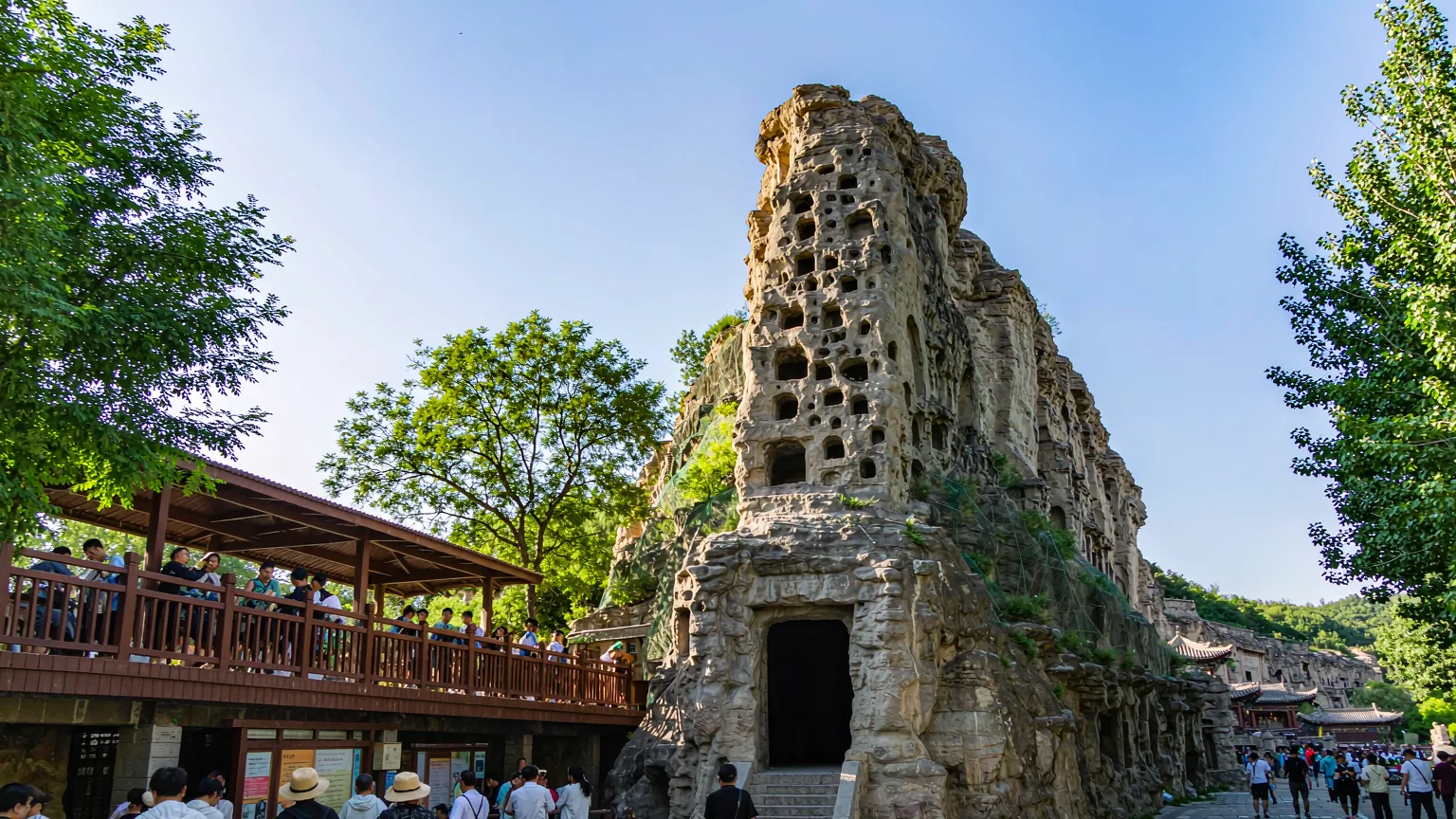
Yungang Grottoes lie about 16 km west of Datong city center. The easiest way is a taxi or ride-hailing app (around ¥50–70, 30 minutes). Public bus 3-2 from Datong Railway Station also goes directly to the site for ¥2, but it can be crowded. Many travellers visit as a day trip from Datong, combining it with the Hanging Temple or Yingxian Wooden Pagoda. Our private tours include hotel pickup and a knowledgeable guide, making the journey seamless and informative.
Admission is ¥120 during peak season (April–October) and ¥90 in low season (November–March). Opening hours are 8:30–17:30 (peak) and 8:30–17:00 (low), with last entry 30 minutes before closing. Book online via the official WeChat account or Trip.com to skip queues; foreign credit cards are accepted on some platforms, but WeChat Pay or Alipay linked to an international card is more reliable. Bring your passport for ticket collection.
The best time to visit is during the shoulder months of May–June and September–October, when the weather is mild and crowds are manageable. Arrive right at opening (8:30) to enjoy the caves in soft morning light and avoid tour groups. Weekdays are quieter than weekends. Winter visits offer fewer crowds but colder temperatures; some caves may be closed for conservation, so check ahead.
Most visitors spend 2–3 hours exploring the main caves and museum. With a guide, you can see the highlights in 2 hours, but allow extra time for photography and the museum.
The site has some ramps and paved paths, but many caves have steps and uneven surfaces. A wheelchair user may need assistance; contact the site in advance for specific routes.
On-site ticket counters may accept international cards, but it's unreliable. It's best to book online via Trip.com or the official WeChat account using WeChat Pay or Alipay linked to your card.
A taxi or ride-hailing app is the most convenient, costing around ¥50–70. Alternatively, bus 3-2 from the train station is cheap but slower. Our private tours include round-trip transfers.
Tell us your dates, group size and preferences — a dedicated consultant will reach out within 24 hours.