West China Hospital for Foreign Patients: The Complete Guide (2026)
West China Hospital has become the anchor of Chengdu's medical-travel boom, with international visits tripling in three years. Here is what foreign patients need to know: flagship departments, how the international pathway works, what it costs, and how to prepare.
Why West China Hospital draws patients from around the world
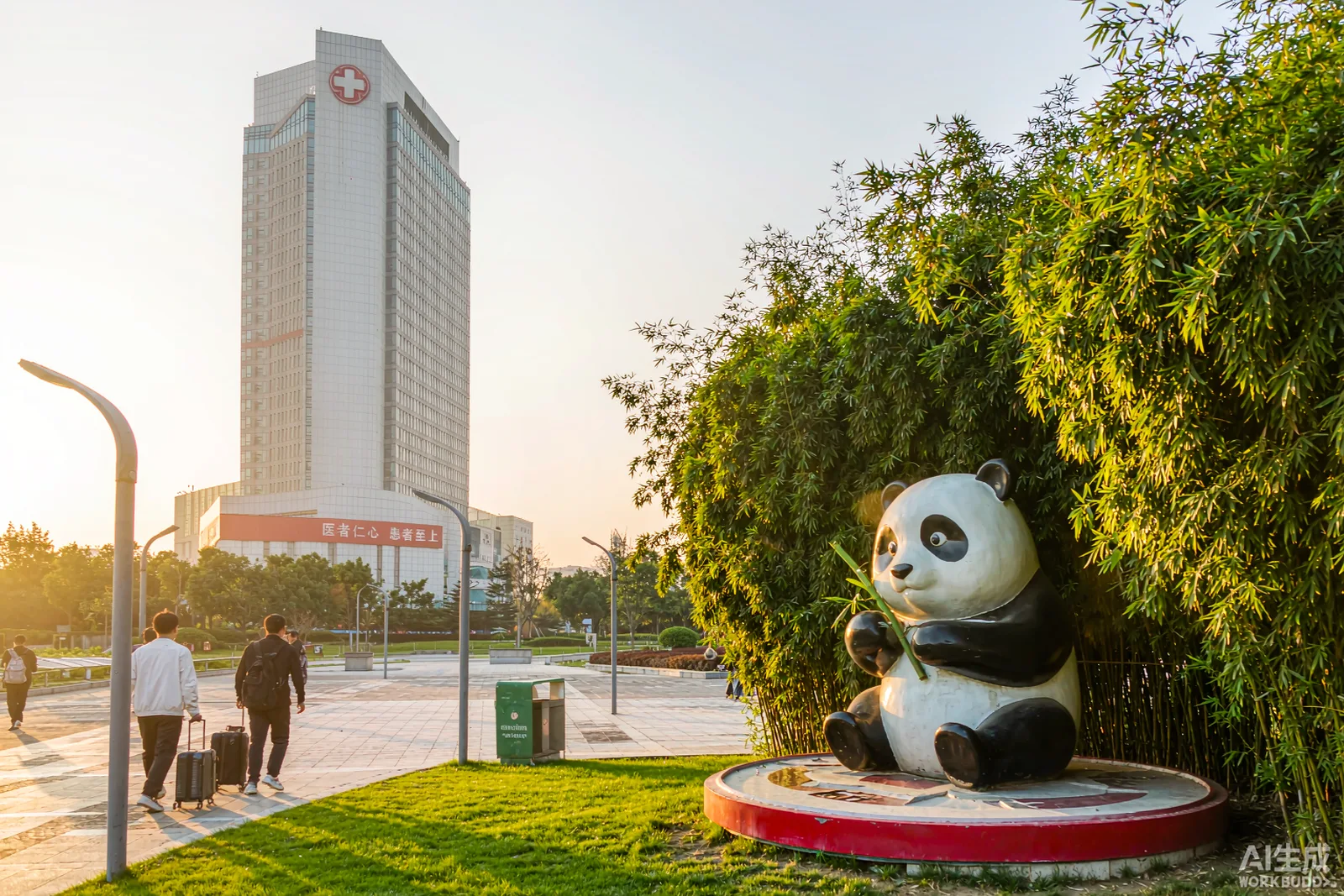
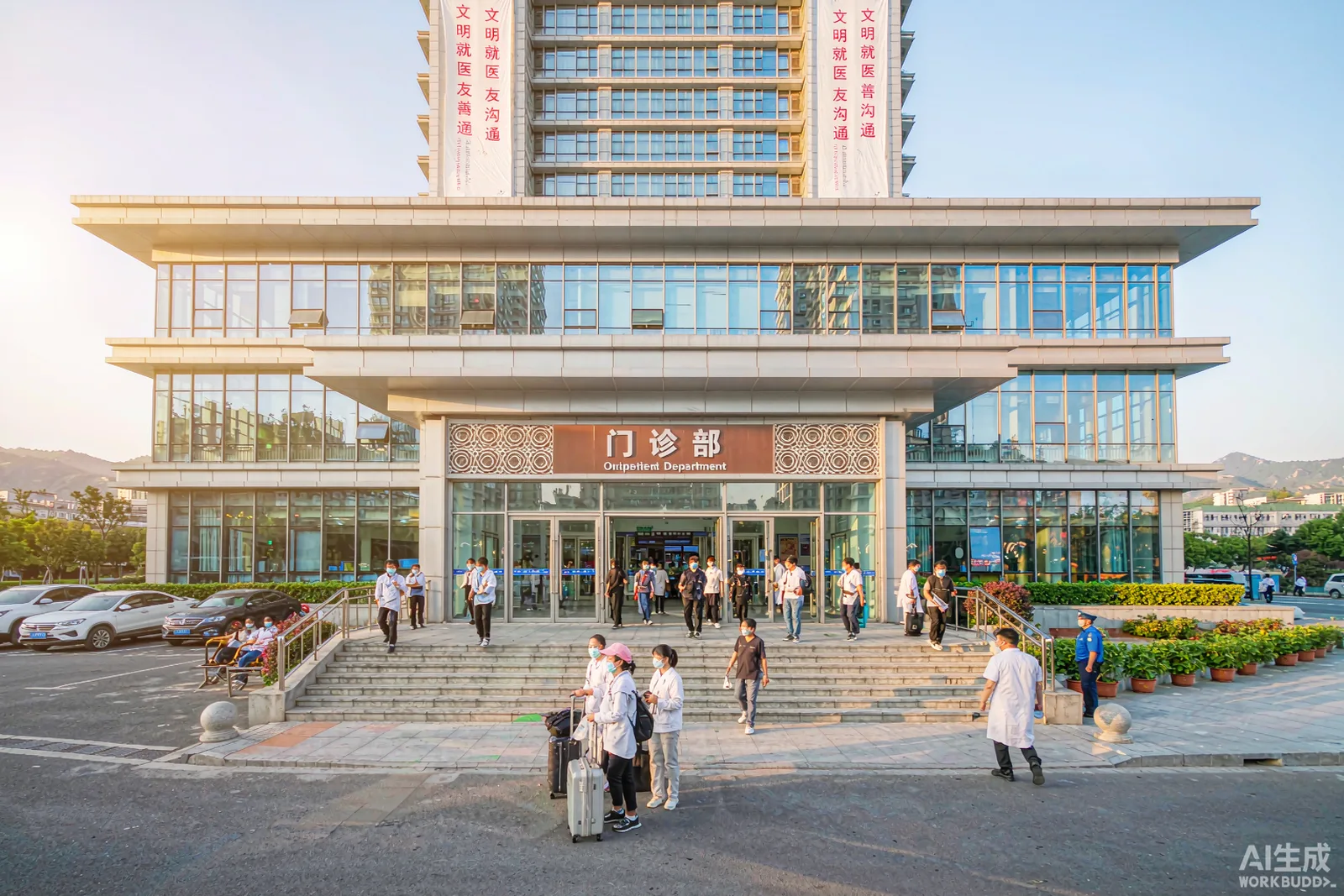
Sichuan University West China Hospital — known locally as Huaxi (华西) — is the largest medical center in western China and one of the country's highest-volume teaching hospitals. While international patients once defaulted to Beijing and Shanghai, Chengdu has quietly built a second pole: Sichuan's international diagnosis and treatment volume has roughly tripled over three years, and West China's own international visits have grown at a similar pace, driven less by visa discounts than by clinical reputation.
Three forces explain the shift. First, depth of specialization: West China runs nationally ranked programs in oncology, neurosurgery, cardiology, orthopedics and organ transplantation. Second, speed: where a Singapore patient may wait around three months for elective surgery, comparable procedures in China are routinely scheduled and completed within days. Third, price: complex surgery in China typically costs a third to half of comparable US care, with no queue to pay for.
China's national strategy also matters. The official 2025 cross-border healthcare report counted 1.28 million foreign-patient visits at designated hospitals — up 73.6% from three years earlier — and explicitly positioned China as a destination for complex and severe cases, with Chengdu serving Central Asia, Russia and Europe from the west.
Flagship departments foreign patients actually come for
- Oncology. Multidisciplinary tumor boards, precision diagnostics (NGS panels), domestic immunotherapies and targeted drugs that are far cheaper than in the West, and interventional options such as cryoablation for liver tumors.
- Neurosurgery. High-volume skull-base and tumor programs with neuronavigation and intraoperative monitoring; national figures put pediatric cardiac and neuro programs among China's strongest.
- Cardiology and cardiac surgery. Radial-access stenting with enhanced-recovery protocols (walking the next day, discharge inside a week) and bypass surgery at roughly US$40,000 versus US$130,000+ in the US.
- Orthopedics and sports medicine. Arthroscopic meniscus repair and joint preservation techniques that retain native tissue rather than defaulting to removal.
- Women's health and pediatrics are handled next door by West China Second University Hospital, which we cover in its own guide.
For dental work, note that Chengdu's crown jewel is the affiliated West China Stomatology Hospital — a separate, world-ranked dental institution with its own international flow, described in our dedicated guide.
How the international patient pathway works
West China, like China's 850-plus designated international-service hospitals, runs a structured pathway for foreigners:
- Pre-arrival. Send your reports (imaging, pathology, lab work) through a coordinating service or the hospital's international office. Clinicians review whether the case fits their programs and quote an expected admission window.
- Admission. A dedicated international desk handles registration, translation, and deposit payment. Mandarin is the working language; medical interpreters or bilingual coordinators bridge the gap for consultations.
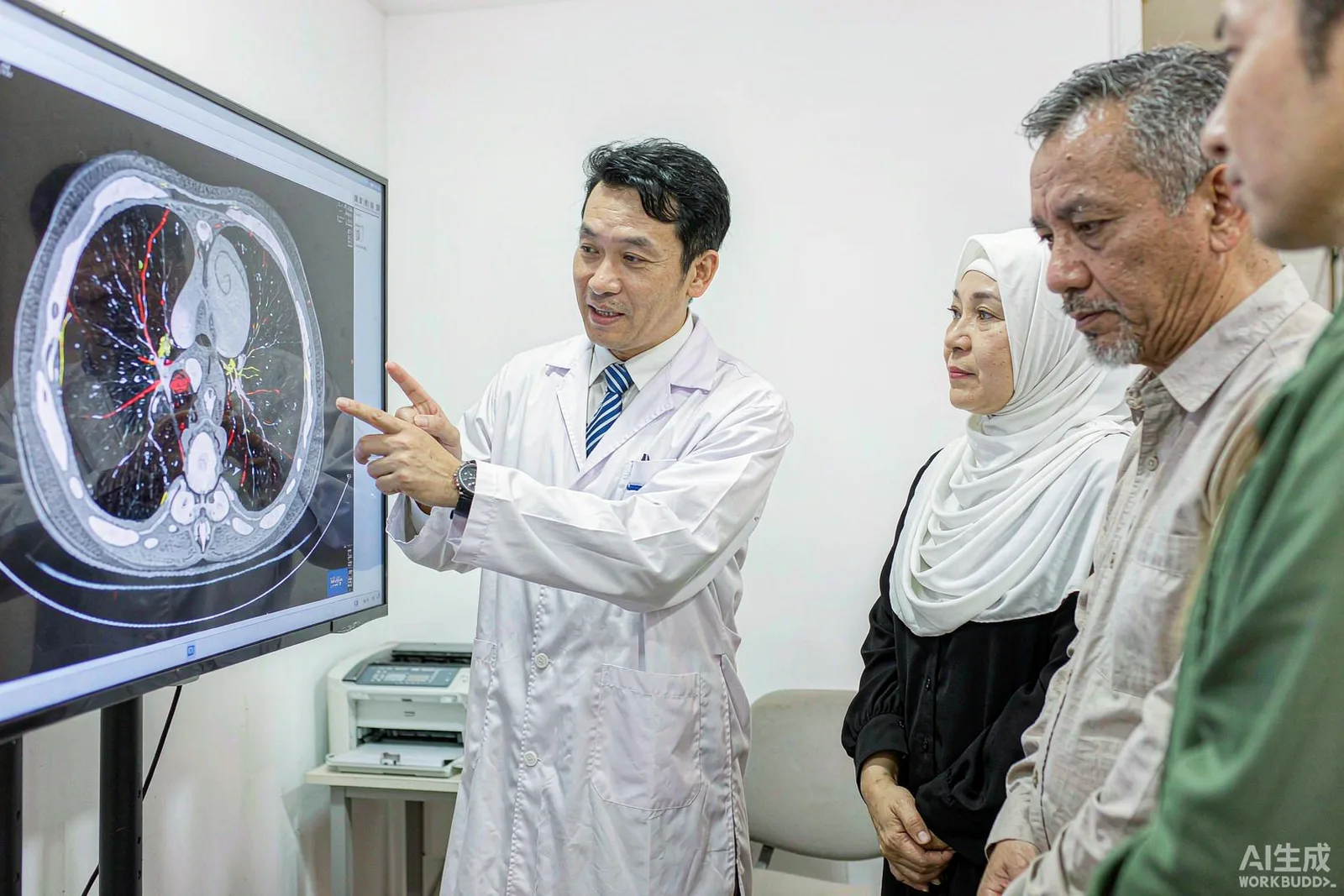
- Diagnosis and treatment. Most departments compress work-up and treatment: scans that take weeks abroad are typically done within 24–48 hours, and surgery follows as soon as the team clears you.
- Discharge and follow-up. You leave with bilingual discharge summaries and a follow-up plan; many teams now hold video reviews with your doctor at home, and connected devices (such as brain stimulators) support remote programming.
The "resource isolation" model pioneered in Sichuan means international services are staffed and priced separately — your care does not displace local patients' basic services, a point provincial health officials emphasize when hosting foreign delegations.
What treatment actually costs
Published comparisons give the general shape. Full dental treatment for one patient reported by a US-based professor came to about RMB 25,000 — roughly a third of the equivalent US bill. A US businessman's emergency gallbladder surgery quoted above US$300,000 back home was performed in China for about RMB 12,000. MRI scans cost a few hundred RMB against thousands of dollars in the US. Your real number depends on department, implant or drug brands, and length of stay — get an itemized pre-estimate in writing before admission.
Public-hospital international departments in China price independently of the national insurance scheme and are capped so that their volume stays within 10% of a hospital's total services — the care is self-pay or international insurance, not subsidized by Chinese public funds.
Preparation checklist
- Passport valid for your whole stay; most patients enter visa-free or on a 240-hour transit exemption — see our visa options guide for which route fits.
- English reports and imaging on CD/USB, plus a translated summary of your history and medications.
- A written cost estimate and admission plan from the hospital or a coordinating service before you fly.
- Consider arrival at least 3–5 days before any scheduled surgery for pre-op testing.
Chengdu pairs well with recovery: panda reserves, teahouses and cool mountain air make the post-treatment weeks genuinely restful — our Chengdu medical travel guide stitches the two together.
Related guides