Chengdu Medical Travel Guide: Healthcare, Pandas & Recovery in One City
Chengdu has quietly become China's western medical capital — international visits tripling in three years, inbound tourism up 48.9%, and a healthcare cluster anchored by the world-ranked Huaxi complex. Here's how to plan a trip that treats your body well and your travel bug too.
Why Chengdu works as a medical destination
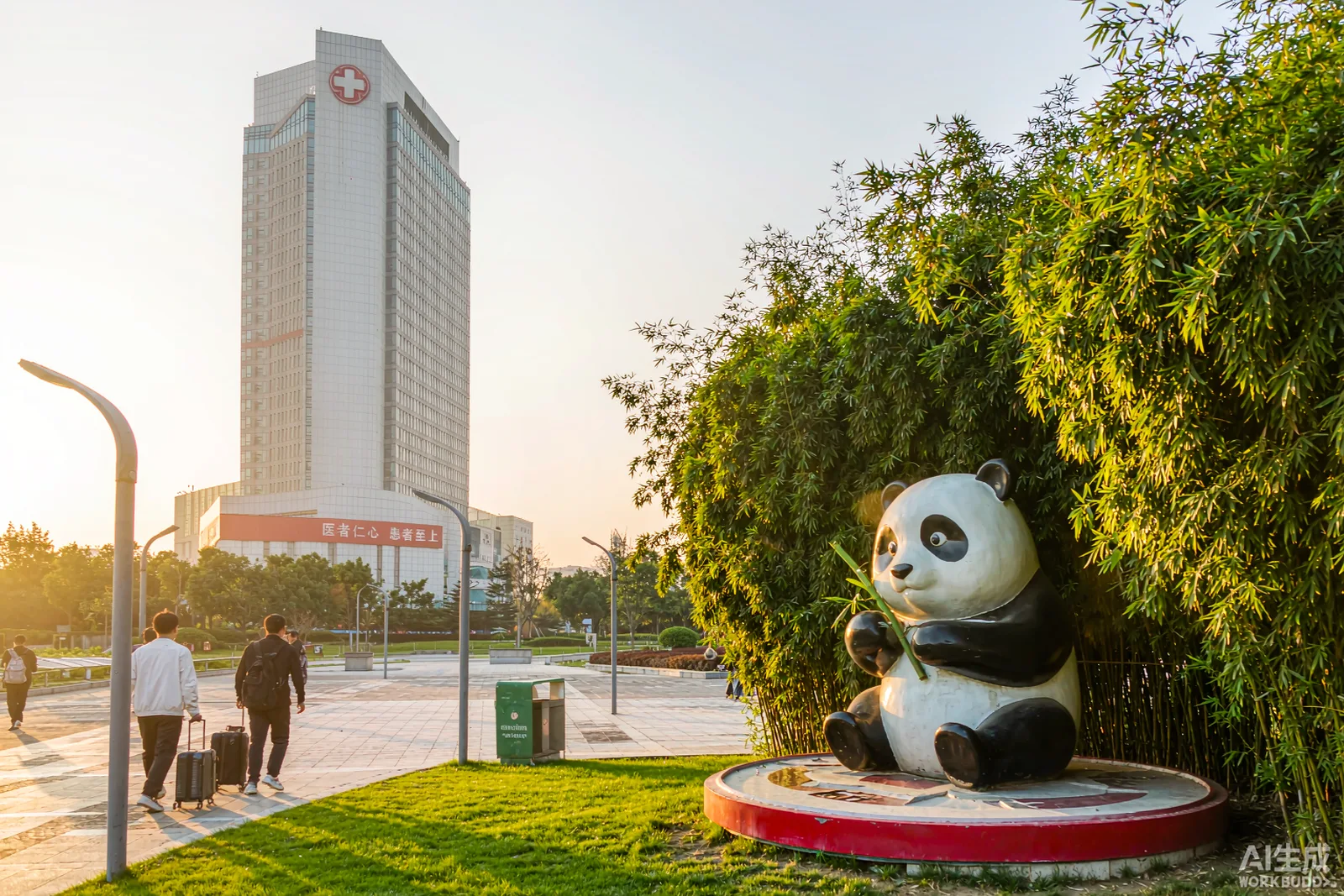
Two numbers explain Chengdu's moment. Sichuan's international diagnosis-and-treatment volume has roughly tripled in three years, led by the West China (Huaxi) complex. And Chengdu's inbound tourism grew 48.9% year-on-year — fifth-fastest among Chinese cities — after the city joined the national digital-services pilot alongside Beijing, Shanghai, Shenzhen, Hangzhou and Sanya, targeting exactly the three pain points foreign patients report: booking, payment and wayfinding.
The city's pitch is unusual: hospital-grade medicine at public-hospital prices, wrapped in one of Asia's most livable travel cities. Patients fly in for the Huaxi complex's clinical depth, the Stomatology Hospital's dentistry, and Chengdu's TCM wellness tradition — then recover among pandas, teahouses and mountain towns.
The medical map: what to book where
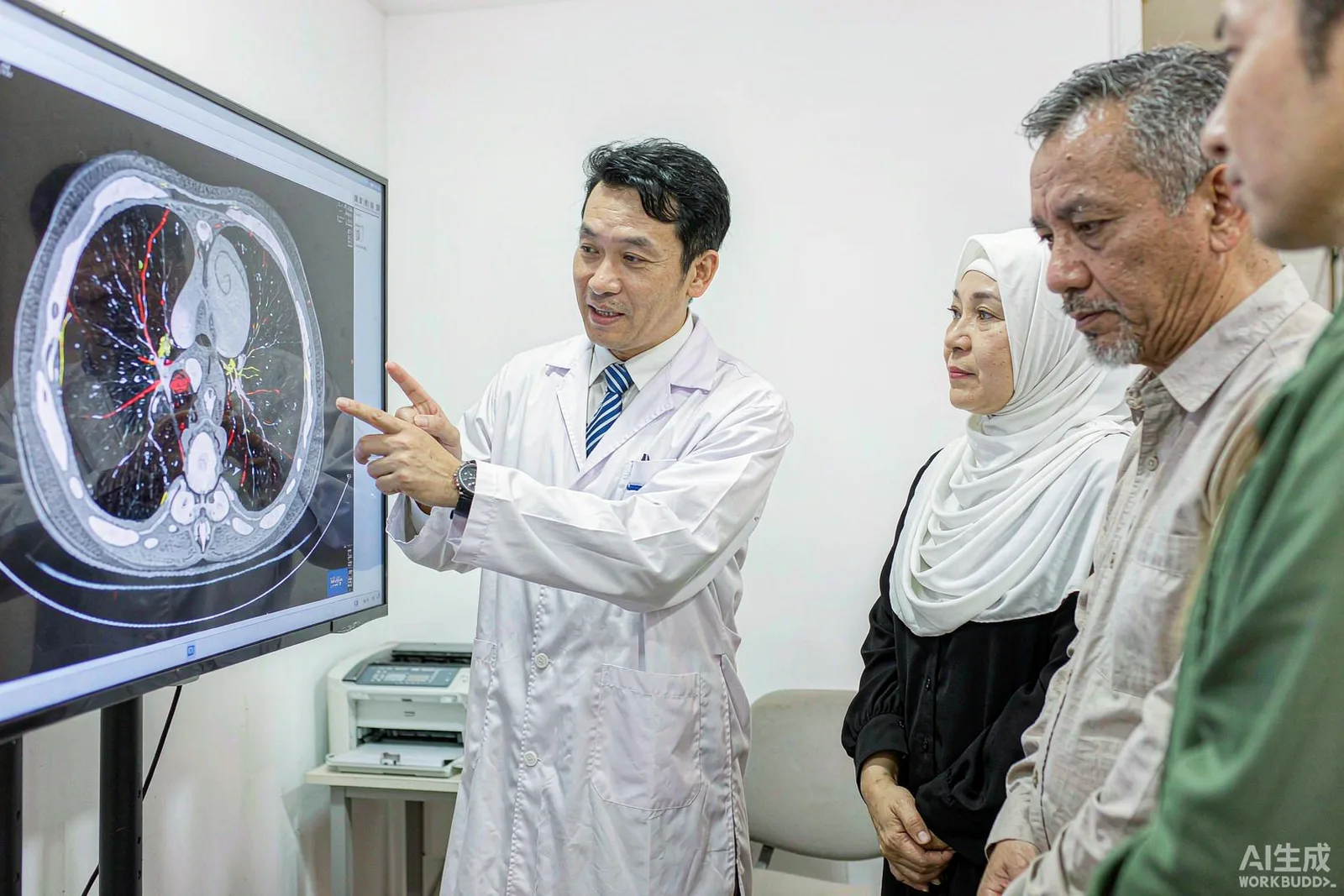
- West China Hospital (Huaxi): complex and severe care — oncology, neurosurgery, cardiac, orthopedics. See our full international patient guide.
- West China Stomatology Hospital: world-ranked dentistry, from implants to orthodontics.
- West China Second Hospital: obstetrics, gynecology and pediatrics for international families.
- TCM hospitals and wellness clinics: Sichuan-style acupuncture, herbal medicine and cupping — foreign consular delegations have publicly endorsed the standardized, patient-centered service. Details in our Sichuan TCM guide.
- Private international clinics: same-day appointments and English-speaking staff for expat-style convenience.
One anecdote captures the speed difference: an Australian resident in Chengdu who swallowed a fish bone walked into a local hospital and left in 30 minutes, total cost about RMB 300 (US$42) — his Australian emergency-room estimate was four hours of waiting and US$1,000+ out of pocket.
What things cost in Chengdu
Benchmarks from published reports: dental implants US$900–2,200; MRI under US$100; specialist consultations US$20–60; full health screenings from a few hundred dollars. Against Singapore's private rates (roughly triple for comparable cardiac work) and Western pricing, most medical travelers find total trip cost — flights included — still lands well below treatment alone at home. Our Huaxi costs and insurance guide breaks the bill down line by line.
The digital-pilot advantage
Chengdu's pilot status has concrete effects for visitors: English-friendly hospital registration kiosks and apps, multilingual voice navigation, and international payment retrofits across major hospitals. In practice, that means a foreigner can register, see a specialist, complete imaging and pay — in one morning — without the paper-and-cash obstacle course that defined Chinese hospitals a few years ago.
Pairing treatment with travel: a realistic 10-day shape
- Days 1–2: arrive, rest, pre-admission testing; evening at Jinli or People's Park teahouse.
- Days 3–5: consultations, imaging, treatment or first procedure phase.
- Days 6–8: recovery with gentle output — Chengdu Panda Base (flat, shaded, wheelchair-friendly paths), Wide and Narrow Alleys, a Sichuan opera show.
- Days 9–10: day trip to Dujiangyan or Mount Qingcheng if cleared, final review and discharge summary, fly home.
Our 3-day Chengdu itinerary and panda base guide slot directly into the recovery days, and Mount Qingcheng's Taoist mountain walks are the classic gentle outing for post-procedure travelers. For dental patients, the two-visit implant sequence maps neatly onto a 240-hour transit window — see our visa guide for the mechanics.
When Chengdu is the right choice — and when it isn't
Choose Chengdu for dentistry, screening, planned surgery in the flagship departments, TCM wellness and family care, especially if you value lower costs and a calmer city than Beijing or Shanghai. For ultra-niche subspecialties or specific clinical trials, compare what Shanghai and Beijing offer first — China's medical map is deliberately multi-polar, and your condition, not the city's charm, should pick the hospital.
Related guides