Eye Care in China for Foreigners: Glasses, Exams & New Treatments (2026)
Alongside dental work and TCM, eye care has become the third item in the "new three essentials" foreign visitors seek in China — same-day prescription glasses at a fifth of Western prices, same-week specialist exams, and pilot-zone treatments unavailable at home. The full picture, here.
Why glasses became the gateway experience
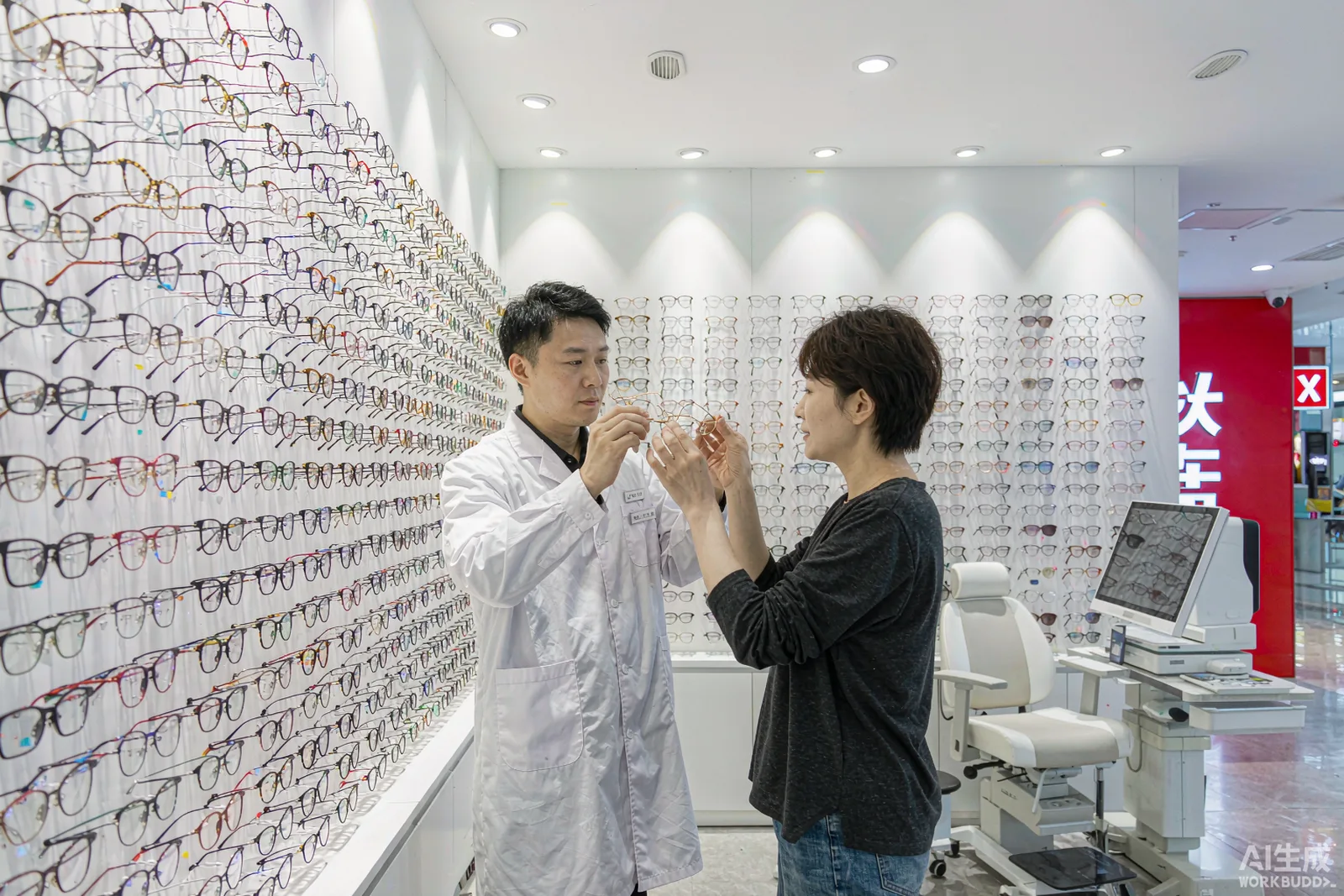
Ask any long-term expat in China what surprised them most and glasses rank high: a full eye refraction, frame selection and finished prescription glasses — often ready the same day — at one-fifth to one-third of Western prices. Visitors report buying two or three pairs per trip. The reason is structural: China's optical industry concentrates manufacturing and retail in the same cities, eyeglass stores cluster into optical markets with same-day lens-cutting labs, and competition keeps margins thin.
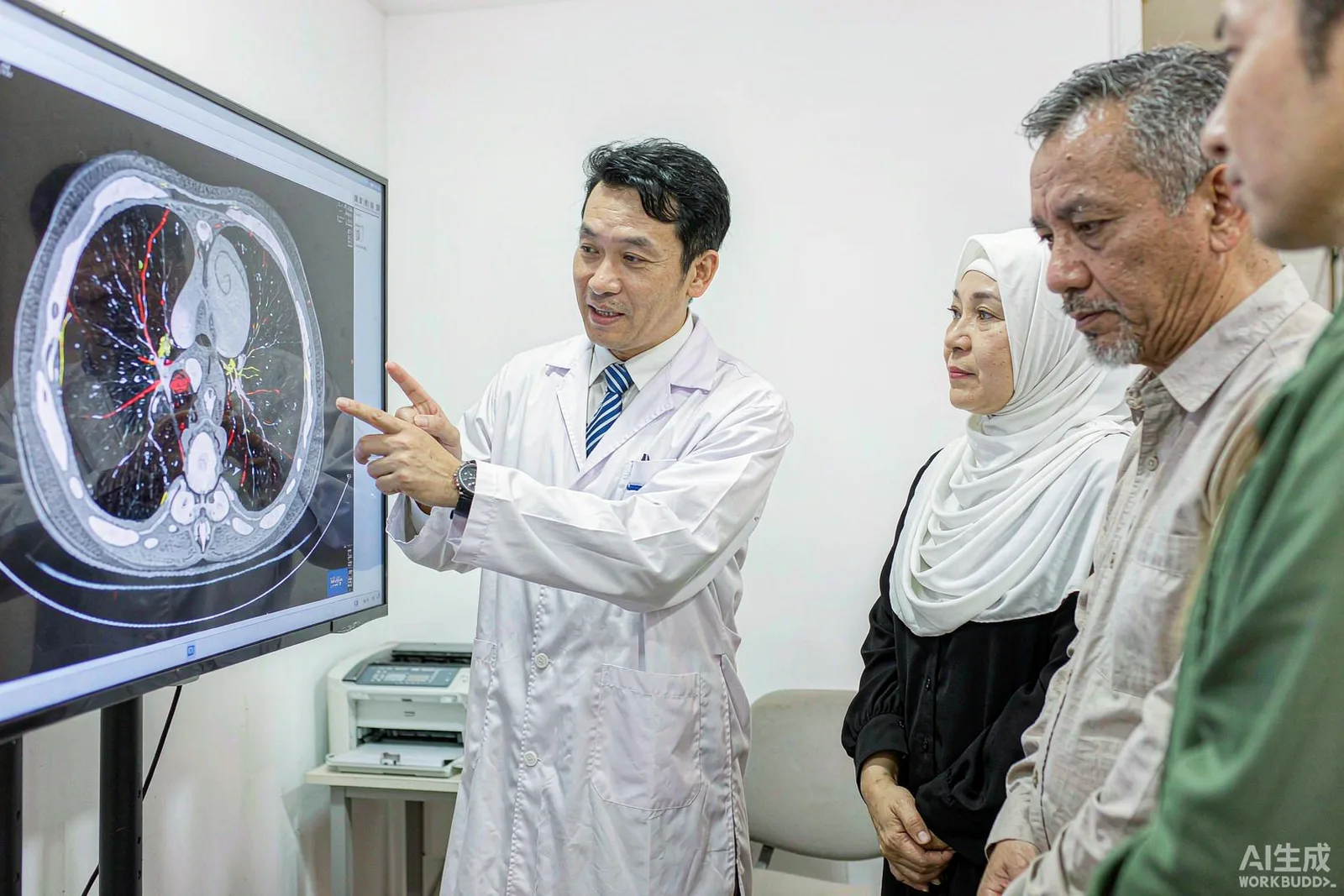
Beyond the retail win, the clinical layer is equally strong: hospital ophthalmology departments and professional optometry chains offer full refraction, intraocular pressure and fundus screening for modest fees, with specialist appointments available within days — contrast the multi-week waits for routine ophthalmology in much of the West.
The 2026 headline: presbyopia drops reach China's pilot zone
The most consequential eye-care story of the year: YUVEZZI — China's first approved presbyopia-correcting eye drop (a pilocarpine–brimonidine combination) — entered clinical use in July 2026 through Hainan's Boao Lecheng pilot zone via the "clinically urgent import" channel, meaning patients access it before national NMPA registration. For readers unfamiliar with the mechanism: these drops constrict the pupil to create a pinhole effect, sharpening near vision for several hours — a non-surgical answer to reading glasses.
Boao received patients from 14 countries in the first half of 2026, and the pilot-zone model — globally new therapies, visa-free-friendly logistics — is exactly the mechanism that makes such access possible. If presbyopia bothers you and you're planning a China trip anyway, a Lecheng appointment is a legitimate reason to route through Hainan.
What everything costs
Reported ranges for planning:
- Same-day prescription glasses: frames plus lenses commonly US$30–100 total; premium frames and progressive lenses scale up but stay far below Western retail.
- Hospital eye exam (refraction, pressure, fundus): typically under US$30.
- Dry-eye workups and treatments: hospital-grade diagnostics at modest prices; IPL and similar therapies well below Western clinic rates.
- LASIK and refractive surgery: from roughly US$1,000–2,500 by technique — a third to half of US pricing, with high-volume centers in every major city.
- Cataract surgery with premium lenses: a fraction of Western private pricing; international departments handle the full pathway for visitors.
How to book the eye-care version of your trip
- Glasses-only: walk into a professional optical store or optical market (Chengdu, Shanghai and Beijing all have famous clusters) — refraction takes 30 minutes, glasses same or next day. No appointment needed; this fits any itinerary including 240-hour transit.
- Clinical exam or surgery: book through a hospital ophthalmology department or reputable eye-hospital chain's international desk; bring previous prescriptions and any corneal/topography data for surgical consults.
- Lecheng treatments: contact the Boao pilot-zone hospital directly — they handle eligibility, scheduling and the visit structure.
Payment uses the standard stack — cards, mobile payment, receipts for reimbursement — and eye care's low price points mean insurance rarely enters the picture; this is the segment where self-pay wins outright.
Where the honest caveats live
- Same-day glasses optimize for speed; complex prescriptions (high astigmatism, progressives, prism) may need 2–3 days — build that buffer.
- Refractive surgery quality varies by center volume: choose high-volume hospital departments or the national eye-hospital chains, and insist on full pre-op screening (corneal topography at minimum).
- The pilot-zone drops are new; long-term data are still accumulating — treat them as a legitimate option, not a miracle, and discuss candidacy with the Lecheng physicians.
For most visitors, though, eye care is the easiest win in China's medical-travel portfolio: lowest stakes, lowest cost, fastest turnaround — and the best souvenir-per-yuan ratio of any medical purchase.
Related guides