CAR-T Cell Therapy in China: Costs, Hospitals & the First Foreign Patient Story
In 2026 China approved the world's first CAR-T therapy for solid tumors — and a New Zealand patient became the first foreigner treated. Here's how CAR-T works in China, what the RMB 990,000 (≈US$140,000) price covers, and how overseas patients apply.
Why the world is watching China's CAR-T program
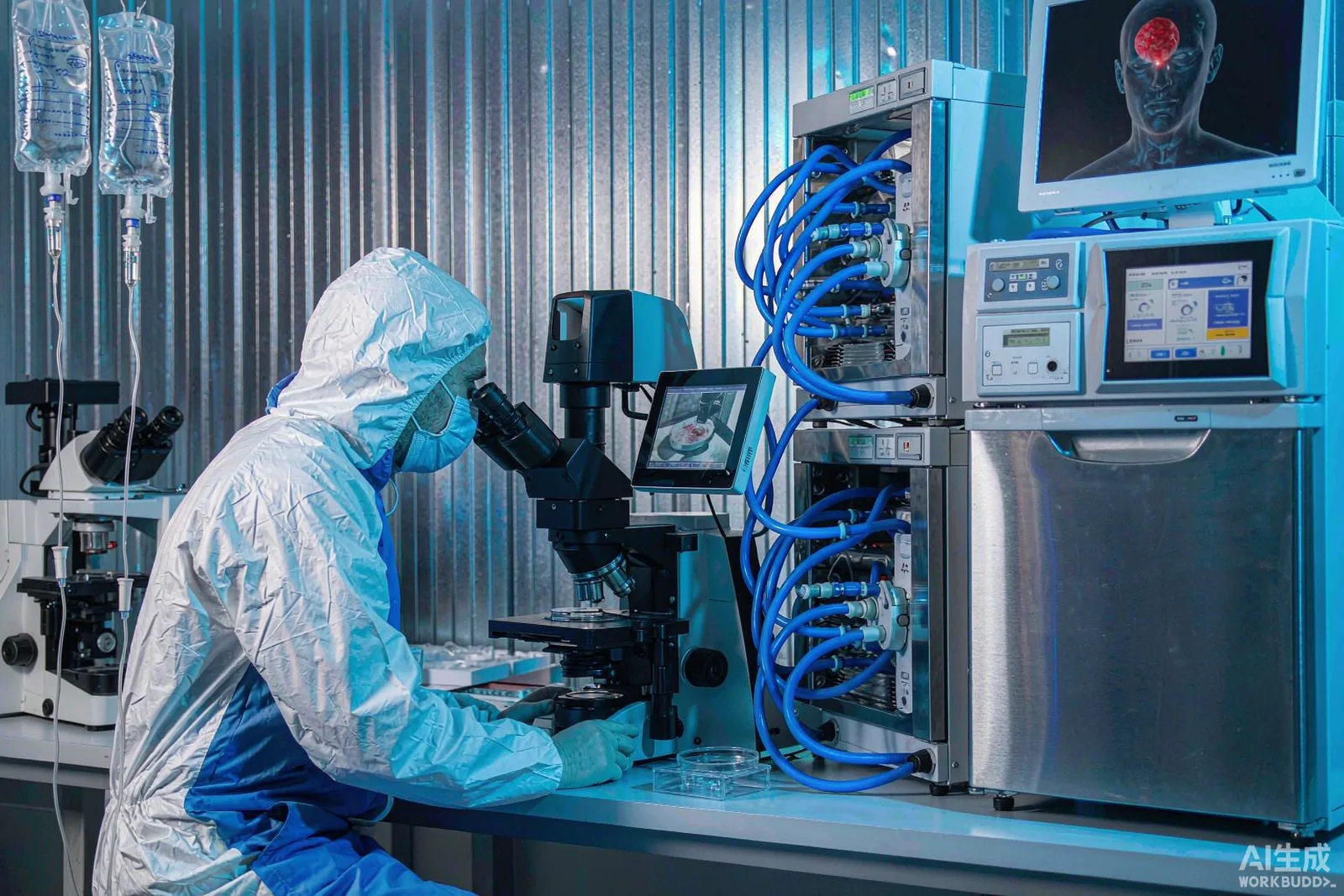
CAR-T therapy — reprogramming a patient's own immune cells to hunt cancer — has been a blood-cancer success story in the West, but solid tumors remained the frontier no approved therapy could cross. In June 2026, China's NMPA approved the world's first solid-tumor CAR-T: siburiciucel (CT041), targeting gastric and gastroesophageal cancers, developed by Chinese scientists and priced at RMB 990,000 (about US$140,000).
The approval matters for two audiences. For patients with advanced gastric cancer — a disease with brutal odds and few options once first-line therapy fails — it is a genuinely new mechanism, available nowhere else. For medical travelers, it signals China's position: not a discount alternative anymore, but in specific fields the only place a therapy exists at all. China's cross-border healthcare sector crossed RMB 80 billion in revenue in the first three quarters of 2025, growing over 30% a year, with advanced oncology as a headline driver.
Josh's story: the first foreign patient
Josh, a 59-year-old New Zealander, was diagnosed in late 2025 with gastro-duodenal adenocarcinoma. New Zealand's combination of chemotherapy and immunotherapy failed; his disease progressed with malignant ascites — at the worst point, doctors drained two liters of fluid daily — and swallowing became difficult.
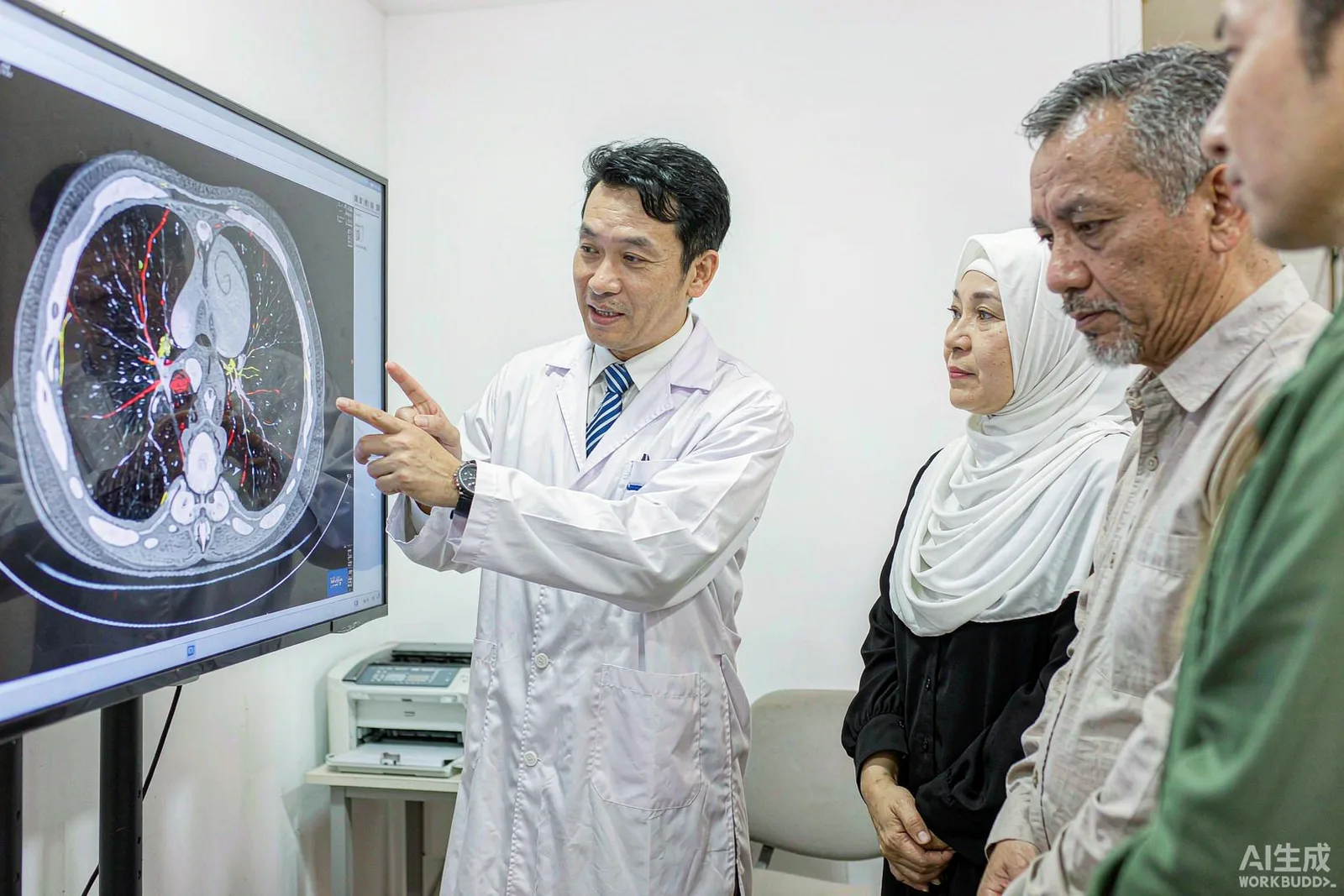
Searching globally for clinical options, he found China's newly approved solid-tumor CAR-T. In July 2026 he flew more than 9,000 kilometers to Jiahui International Cancer Center in Shanghai. His own T-cells were collected on July 6, engineered, and reinfused after lymphodepletion. A multidisciplinary team — oncologists, an interventional team managing his ascites, and a TCM physician easing nausea — supported the six-week stay.
The response came fast: by day ten after infusion, his abdominal fluid had visibly receded; he was discharged on August 16 without his drainage tube, the first foreign patient in the world treated with a solid-tumor CAR-T. Before flying home, his Shanghai lead physician — a clinician with two decades of US practice — held a video conference with Josh's New Zealand oncologist to align the follow-up plan.
What the RMB 990,000 price actually covers
The headline number — about US$140,000 — buys the engineered cell product itself plus the treatment episode: cell collection, manufacturing, lymphodepletion chemotherapy, infusion, and inpatient management of side effects. Context matters:
- Western CAR-T products for blood cancers list at US$375,000–475,000 before hospital costs.
- Josh's alternative was not a cheaper Western option — no approved solid-tumor CAR-T existed outside China.
- Against New Zealand's average annual salary of about RMB 356,000, the price is life-changing but not fantasy-market; hospitals and coordinating platforms can discuss staged payment for self-pay patients.
Every case prices individually: disease stage, prior lines of therapy, and management complexity move the total.
Who qualifies and how to apply
Current approvals target gastric/gastroesophageal adenocarcinoma after prior therapy failure; blood-cancer CAR-Ts have been approved in China since 2021 with broader coverage. Typical application steps:
- Submit pathology, imaging and treatment history to the treating center or a coordinating platform for eligibility review.
- Confirm HLA/tumor-antigen fit and that your performance status meets protocol requirements.
- Receive a treatment plan, price quotation and admission window in writing.
- Arrange the visa route (240-hour transit often insufficient for a 6-week protocol — an S2 medical visa fits), fly in, and plan a 4–8 week stay.
Follow-up spans months: most centers require local monitoring post-return plus periodic remote reviews with the Chinese team.
Honest expectations
CAR-T is not a guarantee. Cytokine-release syndrome and neurotoxicity are managed risks; response rates vary by disease and prior treatment; and long-term data for solid-tumor products are still accumulating. What China offers is access — to a mechanism unavailable at home, at a price roughly a third of Western cell therapy, delivered by teams that have already treated hundreds of blood-cancer cases and, since 2026, the world's first solid-tumor cohort. For patients who have run out of standard options, a documented second opinion from a Chinese CAR-T center is a rational step, not a leap of faith.
Related guides