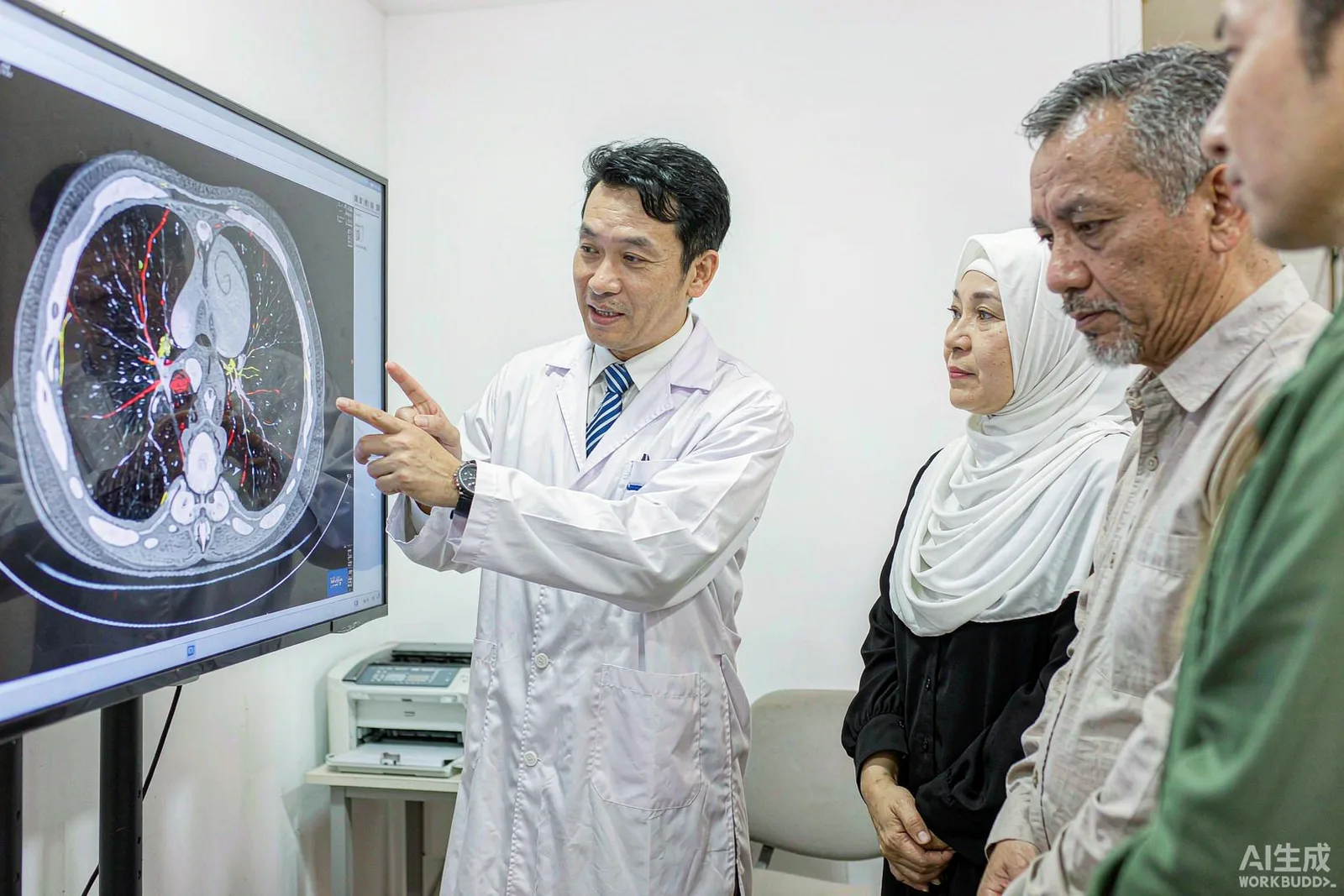
West China Hospital Costs & Insurance for Foreign Patients (2026)
How much does treatment at West China Hospital actually cost, and will your insurance cover it? This guide walks through realistic price ranges, the deposit system, international insurance direct billing, and the payment rules foreign patients should know before admission.
The pricing logic: public hospital, international track
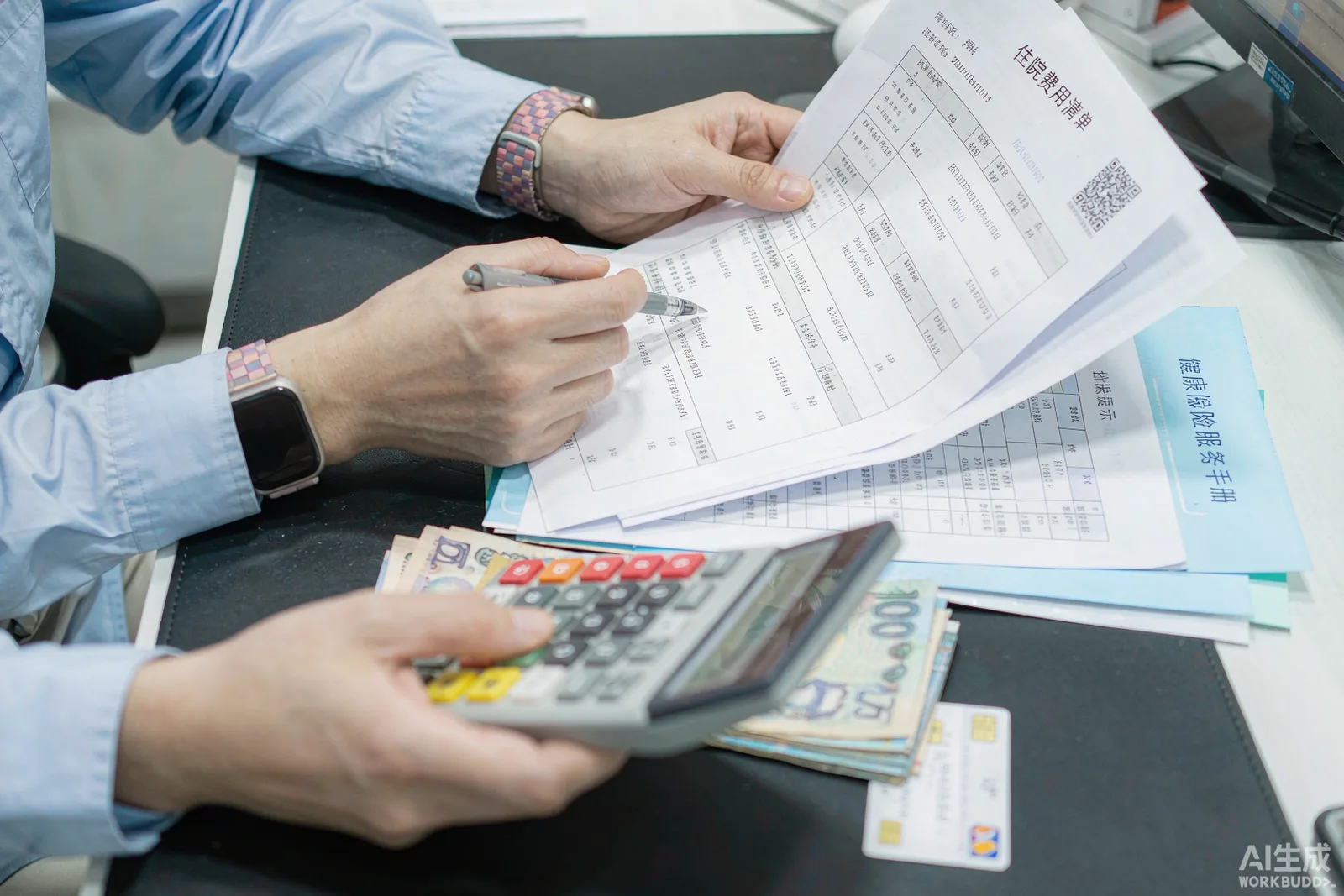
West China's international services price independently from Chinese public insurance. Two rules define the track: prices are set and published by the hospital's international department, and the international volume is capped at 10% of total services so it never competes with basic care. Practically, that means transparent itemized billing — you see consultation, testing, drug and procedure charges line by line — at levels far below Western private hospitals.
Realistic price ranges (2026)
These ranges come from published patient reports and public price lists; treat them as planning figures, not quotes:
- Outpatient consultation (international clinic): typically US$20–60.
- MRI: a few hundred RMB (under US$100), against several thousand dollars in the US — the single most striking line item on most bills.
- Endoscopy (gastroscopy/colonoscopy): same-day pathways common; the full package usually lands under US$300.
- Dental implants: US$900–2,200 per tooth all-in via the Stomatology Hospital.
- Laparoscopic gallbladder surgery: one US businessman's emergency case cost about RMB 12,000 (≈US$1,700) after a US$310,000 quote at home.
- Coronary bypass (CABG): roughly US$40,000 in China versus US$130,000+ in the US.
- Major oncology surgery: commonly a third to half of US private pricing, with drug costs for domestic immunotherapies and targeted agents far lower than Western list prices.
Request a written, itemized pre-estimate once your reports are reviewed — this is standard practice in the international pathway and the single best defense against bill surprise.
Deposits and how billing works
Admission typically requires a deposit based on your pre-estimate, topped up or refunded at discharge against itemized charges. Payment accepts international credit cards (hospitals are being pushed to integrate Visa/Mastercard settlement), Chinese mobile payment set up on your passport, and bank transfer for larger sums. China's foreign-exchange regulator flagged further easing for inbound service payments in its September 2026 briefing — insurance direct-billing networks and small high-frequency payment scenarios are the focus — which is steadily lowering the friction that used to define foreign patients' billing experience.
Keep every receipt: embassies, insurers and tax-refund counters all want originals, and discharge summaries are bilingual for exactly this purpose.
Insurance: what works and what doesn't
- International private insurance (Cigna, Allianz, AXA, Bupa and regional plans): widely usable. Many designated hospitals, including the Huaxi complex, support direct billing with major insurers — but coverage is plan-specific and must be confirmed with a guarantee letter before admission, not after.
- Travel insurance: usually covers emergencies only, not planned treatment. Useful for accidents; useless for your scheduled knee repair.
- Domestic Chinese public insurance: not available to short-term visitors; resident expats with work or residence permits may enroll separately.
- Self-pay: the default for most medical travelers — and the reason China's price advantage matters. Even self-pay major surgery typically totals less than the deductible-plus-premium math of one US hospitalization.
Before flying: email your insurer for a benefit confirmation and direct-billing eligibility for the specific hospital, and carry both digital and printed policy documents.
Cost-control tactics that actually work
- Get the itemized estimate and ask which items are flexible (implant brand, room class, drug origin all move the number).
- Ask for generic or domestically manufactured equivalents where clinically equivalent — China's domestic drug and device industry often offers 60–70% savings over imported originals (domestic deep-brain stimulators, for example, run about a third of imported pricing).
- Cluster your trip: a single admission covering work-up, treatment and initial recovery is far cheaper than multiple trips.
- Use the 240-hour visa-free transit for screening and minor procedures; reserve full medical visas (S2) or longer stays for major surgery.
For a deeper comparison of what the same procedures cost in the US, UK and Europe, see our cost-comparison guide.
Related guides