Telemedicine & Remote Second Opinions from Chinese Hospitals (2026)
Before you fly, find out whether the trip is worth it. Remote consultation with Chinese hospitals — from AI-assisted image review to video MDTs — has become the standard first step of serious medical travel, and in documented cases it changed everything. Here's how it works.

Why remote-first is the rational default
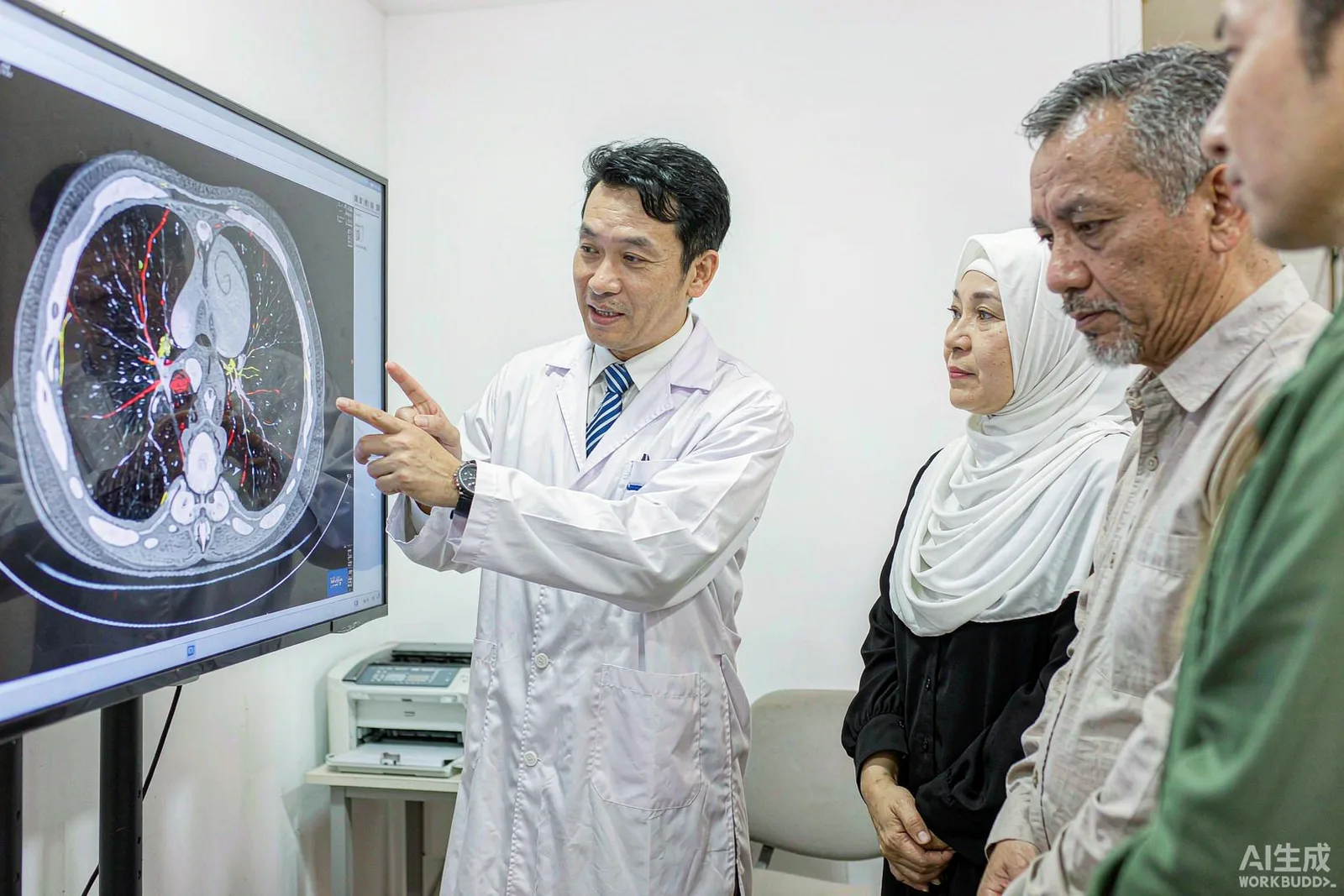
Every serious medical trip should start with the same question: is this trip worth taking? Remote consultation answers it with evidence instead of hope. The documented pattern repeats across success stories: the Tanzanian liver-cancer patient whose CT scans crossed a China–Tanzania AI telemedicine platform before he ever bought a ticket — remote review confirmed he was a cryoablation candidate, so his flight was a treatment trip, not a gamble. The New Zealand CAR-T patient's Shanghai team held a video conference with his home oncologist before discharge, aligning follow-up so continuity survived the 9,000-kilometer flight home.
The mechanism is now formal: China's hospitals run international consultation services, coordinating platforms package the workflow, and APEC-level discussions on cross-border health-data interoperability are steadily easing the records-transfer friction that used to define the process.
What you can realistically get remotely
- Records review and candidacy assessment: send imaging (DICOM files), pathology, and treatment history; receive a written opinion on whether the hospital can treat your case, what the approach would be, and the expected admission window.
- Written second opinions: a senior specialist reviews your diagnosis and plan — valuable when your home path is "watch and wait" or surgery you're unsure about.
- Video consultations: 20–40 minute sessions with translation, typically with the department's international team; bring your question list.
- Treatment plans and cost estimates: the output that matters — itemized plans with prices and duration, the documents your visa, budget and decision all hang on.
- Post-treatment remote follow-up: the reverse direction — video reviews, remote device programming (Chinese DBS hardware, notably, supports it natively), and prescription renewals with international shipping.
The workflow, step by step
- Collect your records: DICOM imaging on disc or upload, pathology reports (slides matter for oncology — Chinese pathologists often re-read), lab trends, and a one-page history. Ask your home hospital for the originals; summaries are not enough.
- Choose the channel: the hospital's international office directly (cheapest, works if you know the target department), a coordinating platform (adds translation and logistics management), or your home physician as intermediary for formal MDT-to-MDT review.
- Submit and pay the review fee: typically US$50–200 depending on depth; this buys a specialist's actual time, and credible services quote it upfront.
- Attend the video consult with an interpreter if needed, your question list, and a family member.
- Receive the written plan: diagnosis summary, proposed treatment, itemized estimate, admission timing. This document is your decision basis — and your S2 visa evidence if you proceed.
What it costs and what it saves
Remote reviews run US$50–300; video consults similar. Against a long-haul flight, accommodation and a companion's time, the arithmetic is lopsided: a remote review that concludes "your case doesn't fit our program — here's who it does fit" saves a wasted trip entirely. And when it concludes "come," you arrive with an admission date, a price expectation and a clinician who has already read your file — compressing the local work-up and capturing China's core advantage, speed.
The honest limitations
- Remote review is not diagnosis. Physical examination and in-person testing change plans; treat the remote opinion as a routing and planning tool, not a treatment decision.
- Data quality decides quality. Compressed screenshots of scans are the classic failure mode; insist on DICOM originals.
- Regulatory lines exist: Chinese physicians advise; they don't prescribe for you across borders or replace your home physician — the documented best outcomes, like Josh's, treat the home oncologist as a collaborator, not a bystander.
- Language asymmetry: written opinions arrive in English at good international departments, but quality varies outside the top tier — a translating coordinator pays for itself here.
Start with one remote review from a shortlisted hospital, use it to pressure-test the plan, then — if the answer is yes — book with confidence. The mechanics of the arrival itself are in our appointment-booking guide.
Related guides