TCM Treatment & Rehabilitation in China: 3 International Patient Stories
When a Bangladesh executive's facial paralysis ignored six months of treatment, and a British teacher's COPD kept worsening each winter, both found relief through China's integrative rehabilitation — acupuncture, herbal medicine and structured programs. Their stories, and how the pathway works.
Story 1: Facial palsy that answered in three weeks (Rashid, 38, Bangladesh)
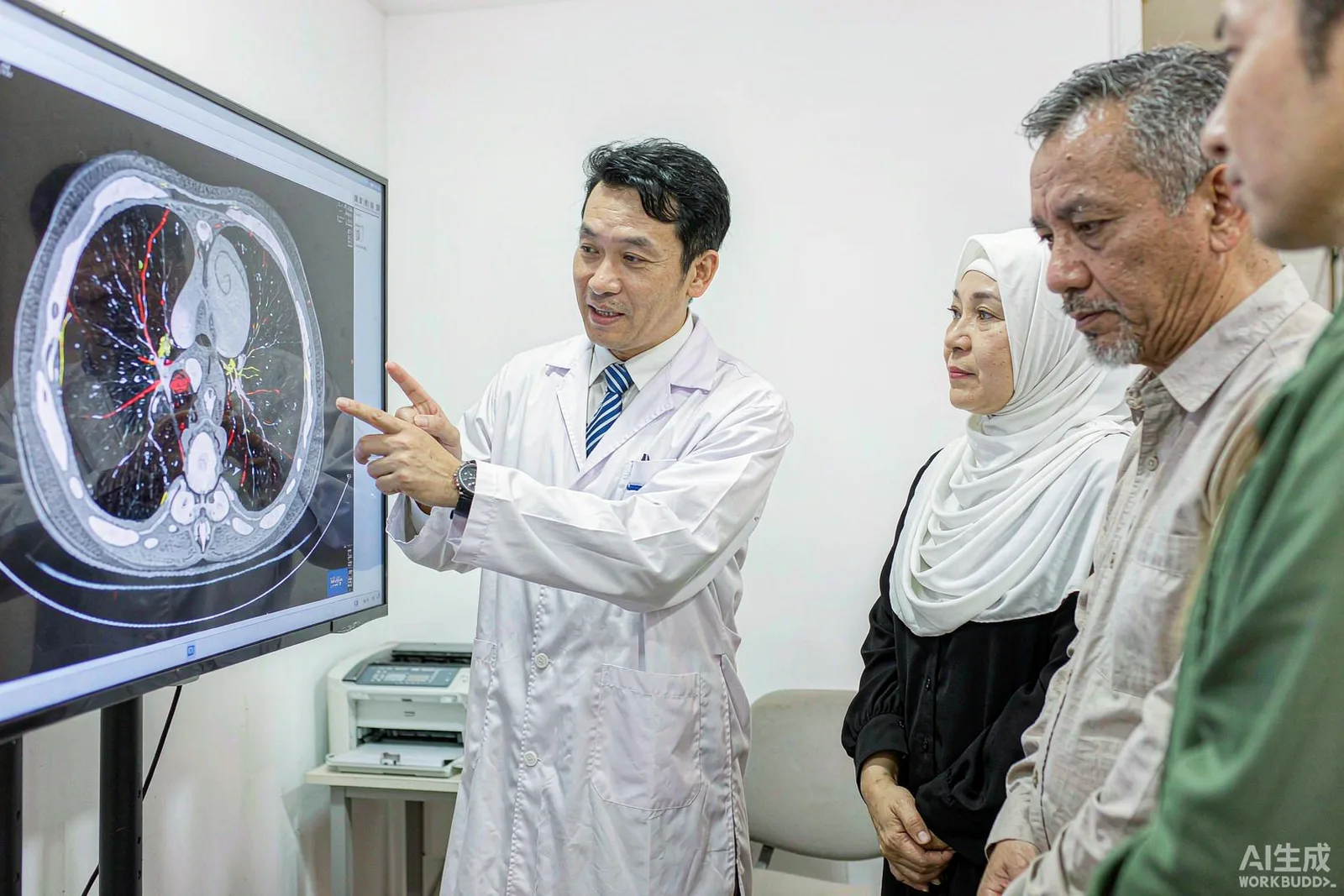
A car accident left Rashid — a corporate executive whose work was negotiation — with facial paralysis and moderate hearing loss. Six months of treatment in Dhaka produced nothing; an Indian center quoted a three-month rehab with no guarantees.
At Kunming Medical University First Affiliated Hospital, his team built a 21-day integrative program: daily acupuncture targeting facial motor points, hyperbaric oxygen therapy to nourish the injured nerve, neurotrophic medication, and structured auditory rehabilitation. The results were measured, not promised: facial muscle strength recovered to roughly 80%, pure-tone audiometry improved 15 decibels, and his discharge plan included a customized herbal formula shipped internationally. At three-month follow-up his face was essentially symmetric.
What the story shows: For peripheral nerve injury, the integrative model treats time as the enemy — acupuncture's role in Chinese protocols is early and daily, not an afterthought at month six.
Story 2: Treating winter's disease in summer (Eleanor, 56, UK)
Eleanor, a retired teacher, had managed COPD for a decade — steroid-dependent, with flare-ups every winter that eroded her lung function a little more. In July 2026, during sanfu — the hottest days of the Chinese calendar — she flew to Shanghai's Longhua Hospital, a flagship TCM institution.
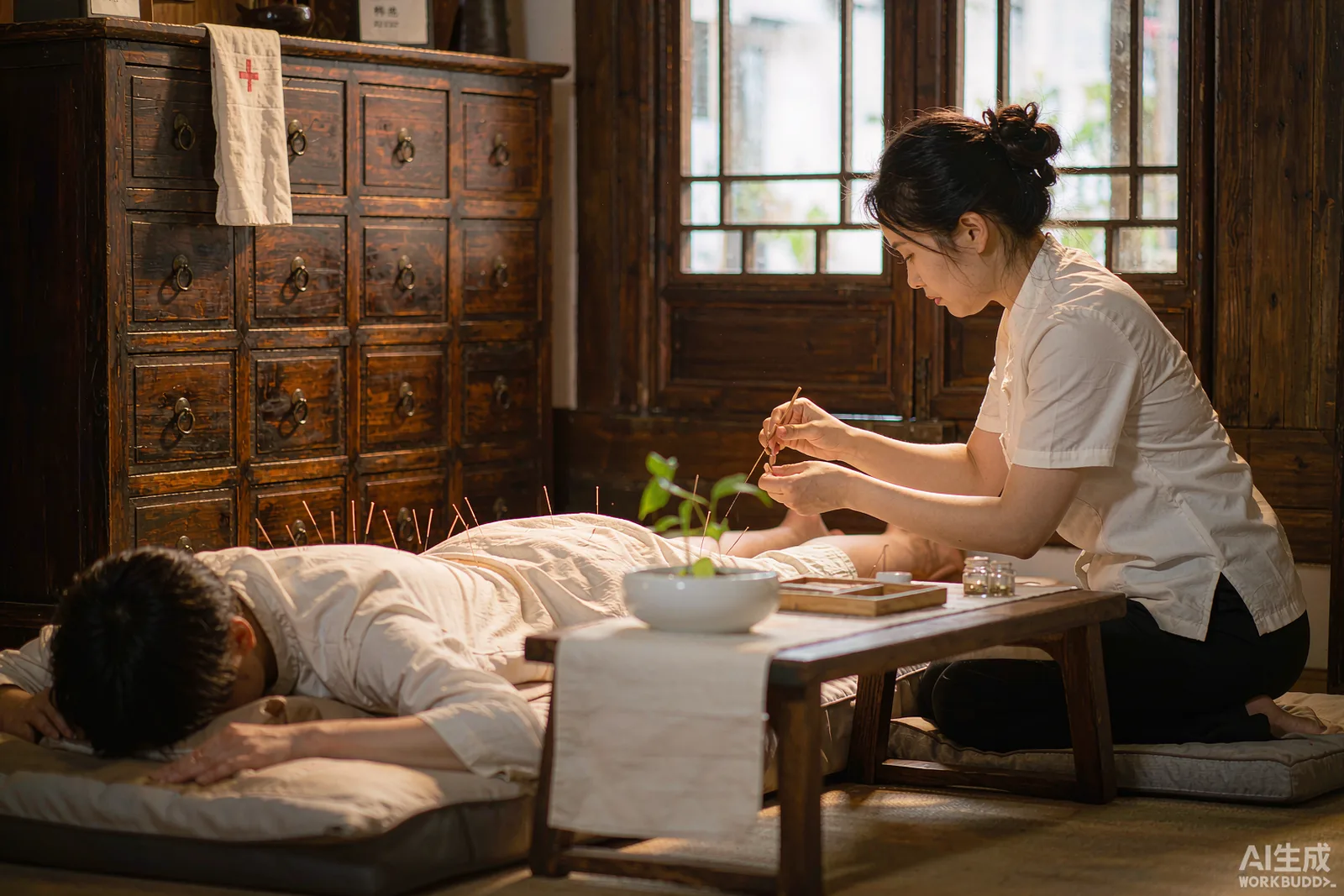
The program was "treating winter disease in summer" (冬病夏治): herbal patches applied to back acupoints during sanfu days, customized decoctions, and moxibustion. The logic is preventive — reinforcing lung function before the season that attacks it. One month in, her acute exacerbations had dropped about 70% and her steroid dose fell by half, with a personalized herbal paste shipped home to sustain the protocol through the year.
What the story shows: TCM's system-level claims translate into measurable endpoints — exacerbation counts, steroid doses. And the seasonal logic creates a natural travel rhythm: a summer trip that functions as both therapy and holiday.
Story 3: Chronic hepatitis, managed with evidence (Islam, 65, Egypt)
Islam, an engineer, had compensated cirrhosis (Child-Pugh A, fibrosis stage F3) from hepatitis B. Two years of entecavir hadn't stopped his liver stiffness rising, and a German "fiber-reversing" herbal product sent his ALT to 180 — drug-induced injury on top of the disease.
At Peking University International Hospital's liver center, a joint clinic combined a hepatologist (specializing in immune microenvironment) with a fibrosis-imaging specialist. They switched him to tenofovir alafenamide (TAF) with low-dose thymalfasin support. Three months later: viral DNA suppressed below detection, ALT down from 78 to 32, and — the number that matters — FibroScan stiffness down from 18.5 to 15.7 kPa, a 15% fibrosis regression verified by objective imaging. He was back to morning runs.
What the story shows: Modern Chinese hepatology is not folklore-plus-pills; it is protocolized chronic-disease management with Western endpoints, priced for sustainability. The integrative layer exists where evidence supports it.
Why the integrative model works for chronic conditions
China's national strategy explicitly differentiates through TCM: the 2025 report counting 1.28 million foreign visits noted Western patients increasingly seeking exactly this cultural-clinical combination, and consular delegations touring Sichuan's TCM facilities publicly endorsed the standardized, patient-centered delivery. The model's sweet spot is chronic and functional:
- Neuro-rehabilitation — facial palsy, stroke recovery, peripheral neuropathy, post-concussion syndromes.
- Respiratory chronic disease — COPD, allergic rhinitis, childhood asthma maintenance.
- Chronic liver, digestive and pain conditions — hepatitis management, functional GI disorders, musculoskeletal pain.
How to structure your own program
- Pick the right institution: university-affiliated TCM hospitals (Longhua in Shanghai, provincial TCM hospitals in Chengdu and Kunming) or integrative international departments at Western-medicine hospitals — not tourist "wellness centers."
- Bring your data: imaging, lab trends and a medication list let physicians integrate rather than restart your care.
- Set measurable goals before admission: a strength score, an exacerbation count, a FibroScan value — and ask for re-measurement at discharge.
- Plan the logistics: programs run 2–4 weeks typically; the 240-hour transit window often fits, and herbal prescriptions can be shipped internationally with customs documentation.
For the wellness side of TCM — what a healthy traveler can experience in Chengdu — see our Sichuan TCM guide; for structured recovery itineraries after major treatment, read the recovery-travel guide.
Related guides