Sichuan TCM & Wellness in Chengdu: What Foreign Visitors Can Actually Book
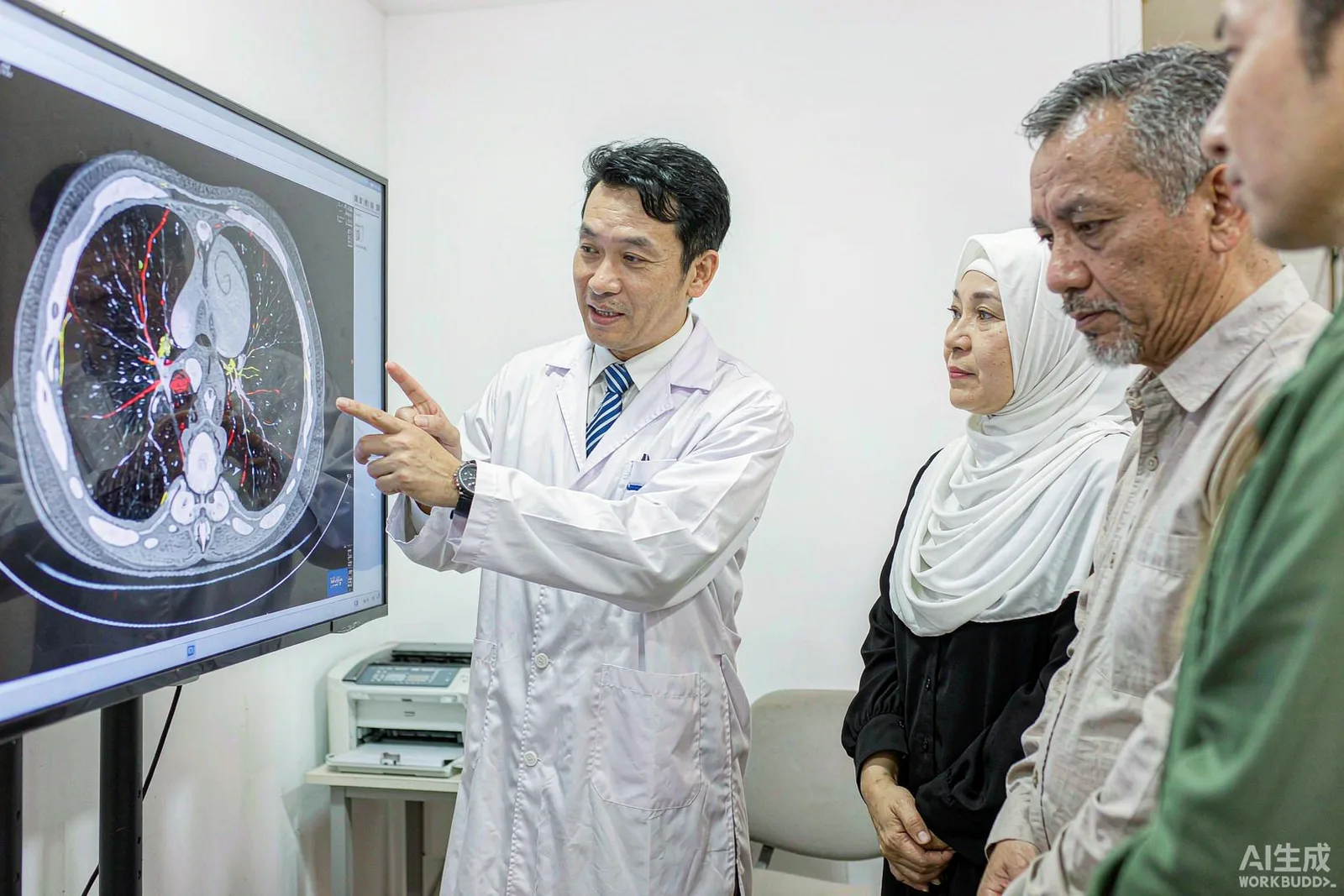
When foreign consular officials toured Sichuan's traditional-medicine facilities in 2026, their verdict was unusual for a diplomatic trip: the standardized, patient-centered service "exceeded expectations." Here's what Chengdu's TCM scene actually offers visitors — and what to book, skip and expect.
Why Sichuan TCM earned its reputation
Sichuan is one of China's historic TCM heartlands — the province that gave Chinese medicine its famous materia medica regions and, today, a provincial government that made TCM international service a strategic sector. In June 2026, consular officials from multiple countries toured Chengdu's TCM institutions and publicly endorsed what they saw: standardized protocols, multilingual service and what one diplomat called care that "completely dispelled concerns about seeing a doctor in Sichuan."
The practical meaning for visitors: Chengdu's TCM is systematized — university-affiliated hospitals with integrated Western diagnostics, licensed practitioners, and itemized pricing — not the tourist-theater version sold in gift-shop clinics.
What you can actually book
- Acupuncture and moxibustion (针灸/艾灸). The flagship export. Sessions run 30–45 minutes; courses of 5–10 sessions treat pain, insomnia, migraines, digestive complaints. Single sessions typically cost US$15–40 at reputable institutions.
- Tuina therapeutic massage (推拿). Clinical bodywork targeting musculoskeletal problems — deeper and more diagnostic than spa massage; excellent after long flights or for chronic neck/back pain.
- Cupping (拔罐). The famous circle marks; commonly paired with tuina for muscle tension.
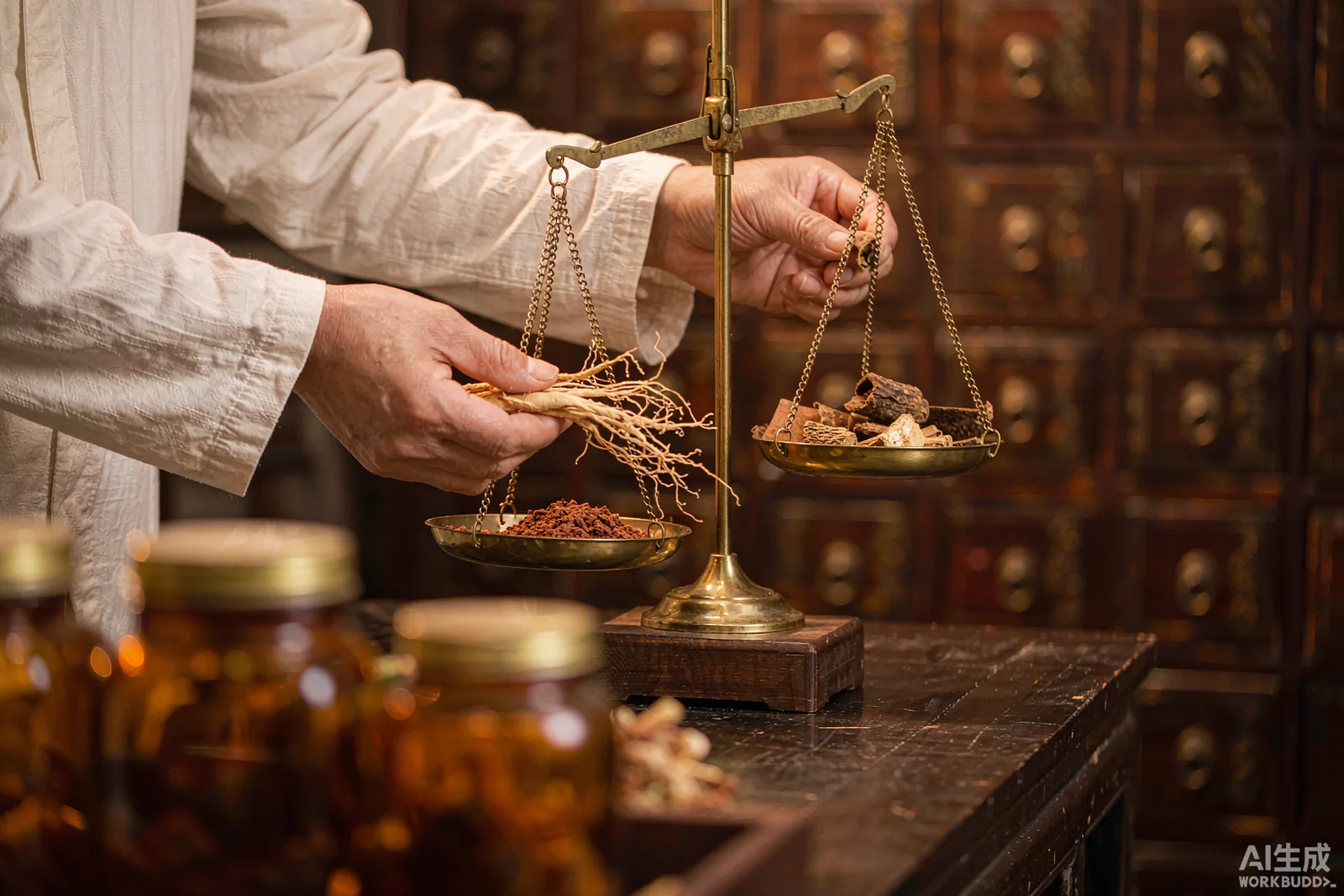
- Herbal consultation (中药方剂). A licensed practitioner builds a formula from pulse and tongue diagnosis plus your history; decoctions or granules fill at the hospital pharmacy. Granules travel home easily with customs paperwork.
- Seasonal programs. Sichuan's sanfu summer-patch therapy (三伏贴) for respiratory conditions — the protocol a British COPD patient credited with cutting her flare-ups 70% — runs July–August and doubles as a legitimate travel reason.
- Wellness combinations. TCM constitution assessment (体质辨识) paired with dietary and lifestyle prescription — the gentlest entry point for healthy travelers.
Choosing the right institution
The hierarchy matters in TCM more than in Western care:
- University-affiliated TCM hospitals (Chengdu University of TCM's affiliated hospitals; provincial TCM hospital) — the top tier: licensed specialists, English-friendly international departments, hospital-grade herbal pharmacy.
- Integrative departments in Western hospitals — the Huaxi complex runs TCM services alongside conventional care, ideal when TCM supports ongoing Western treatment.
- Reputable neighborhood TCM clinics — fine for tuina and acupuncture if licensed practitioners staff them (check the wall certificate).
- Avoid hotel wellness packages, "international TCM experience centers" with English-language sales floors, and anyone prescribing expensive multi-month herbal courses at first contact.
Costs and logistics
Budget realistically: acupuncture US$15–40 per session, tuina US$20–50, herbal consultations US$10–30 plus formula costs (US$15–60 per two-week course), wellness assessments US$30–80. A five-session acupuncture course at a top hospital still costs less than one private-session equivalent in the West. TCM services at public hospitals accept the same payment routes as the rest of the medical system — cards, mobile payment, and receipts for insurance claims.
Booking follows the standard hospital routes: international desks arrange consultations; walk-in registration works for many TCM outpatient services; coordinating services bundle interpretation for first visits.
Pairing TCM with your Chengdu trip
TCM slots naturally into travel rhythms: an acupuncture course bookends sightseeing days (sessions run 45 minutes), tuina rescues hiking legs after Mount Qingcheng, and a constitution assessment makes a thoughtful, genuinely Chinese souvenir of self-knowledge. For travelers recovering from procedures, TCM rehabilitation programs extend into multi-week structured stays — the recovery-travel guide shows how to build those weeks out.
The honest framing: treat Chengdu's TCM as both cultural experience and legitimate clinical resource. The same institution can deliver a memorable one-session introduction for the curious and a twelve-week evidence-tracked protocol for the chronic — the difference is your intake conversation, not the city.
Related guides