Recovery Travel in China: Gentle Itineraries After Treatment (2026)
High-value patients now stay in China over 16 days on average — long enough for treatment plus something better: recovery in some of Asia's most restful landscapes. Here's how to pace post-treatment travel, with gentle itineraries for the cities medical patients actually visit.
Why the recovery days are part of the value
The average high-value medical traveler now stays in China more than 16 days — a statistic that quietly reframes the whole model. Treatment takes days; recovery takes weeks; and China's tourism infrastructure turns those weeks from hotel-bound waiting into the part patients remember. Boao Lecheng even packages it officially: five standardized "specialty care + leisure" routes bundle treatment with Hainan's coastline. The Europeans driving this summer's 275% booking surge cite exactly the combination — care plus wellness — not care alone.
The design principle: recovery travel is pacing, not sightseeing. The goal is a trip your surgeon would endorse — movement without strain, stimulation without exhaustion.
The pacing rules that matter
- Intensity ladders, not leaps. Days 1–3 post-discharge: hotel radius walks, flat terrain, no lifting. Days 4–7: gentle sights, seated activities, one outing per day. Week 2+: normal tourism at 70% pace.
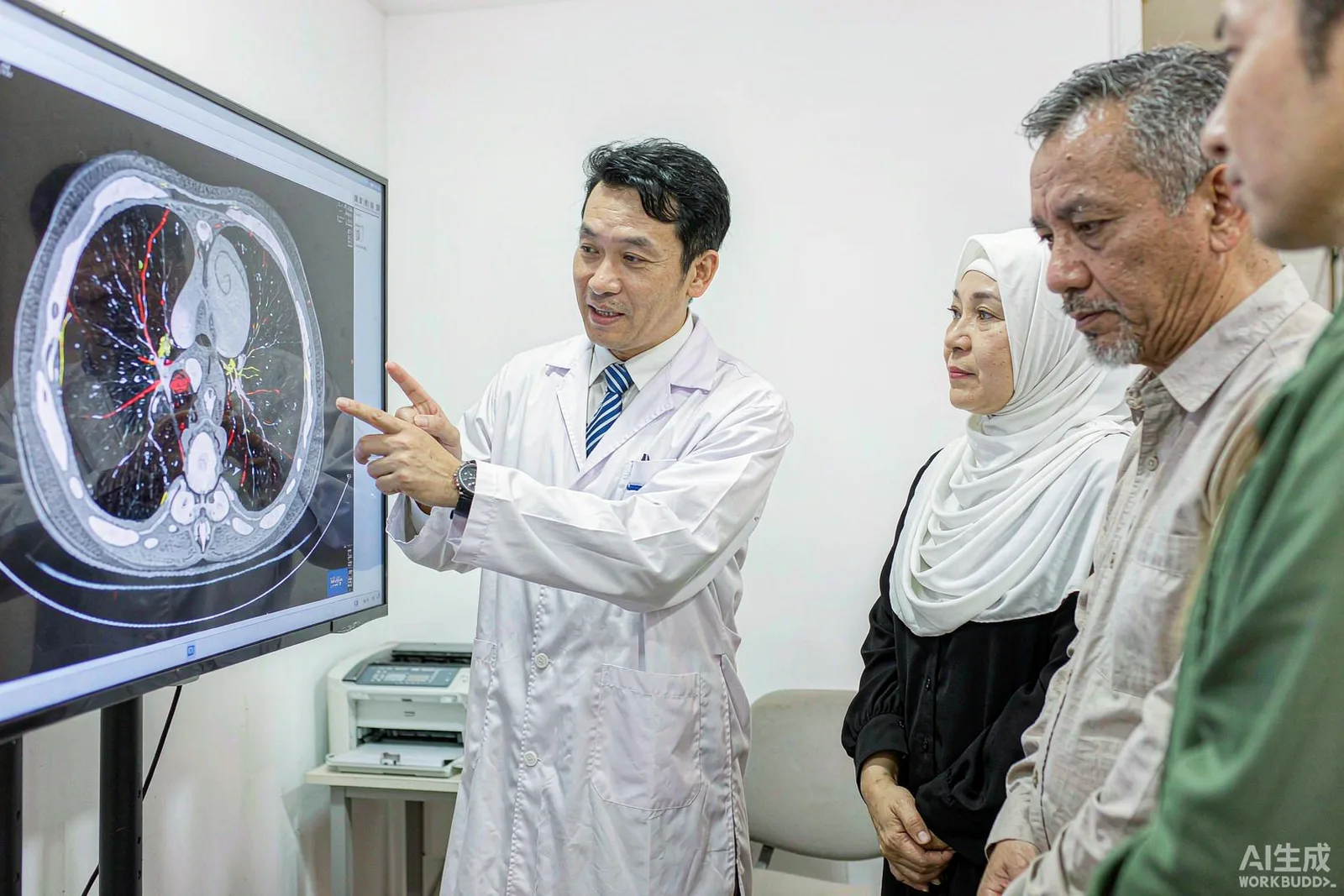
- Clear it with your team. Ask at discharge: when can I fly, walk how far, climb stairs? The answers are your itinerary's hard constraints — bilingual discharge summaries usually state them.
- One anchor per day. A morning activity, an afternoon rest, an evening stroll. China's teahouse and park culture exists precisely for this rhythm.
- Stay near the hospital for week one, then move. Most medical travelers split: treatment city first, recovery destination second.
- Food as medicine. Post-procedure diets are a real constraint — congee culture, steamed dishes and hospital-adjacent restaurants handle it; ask the ward for the local "light food" shortlist.
Chengdu: the recovery capital
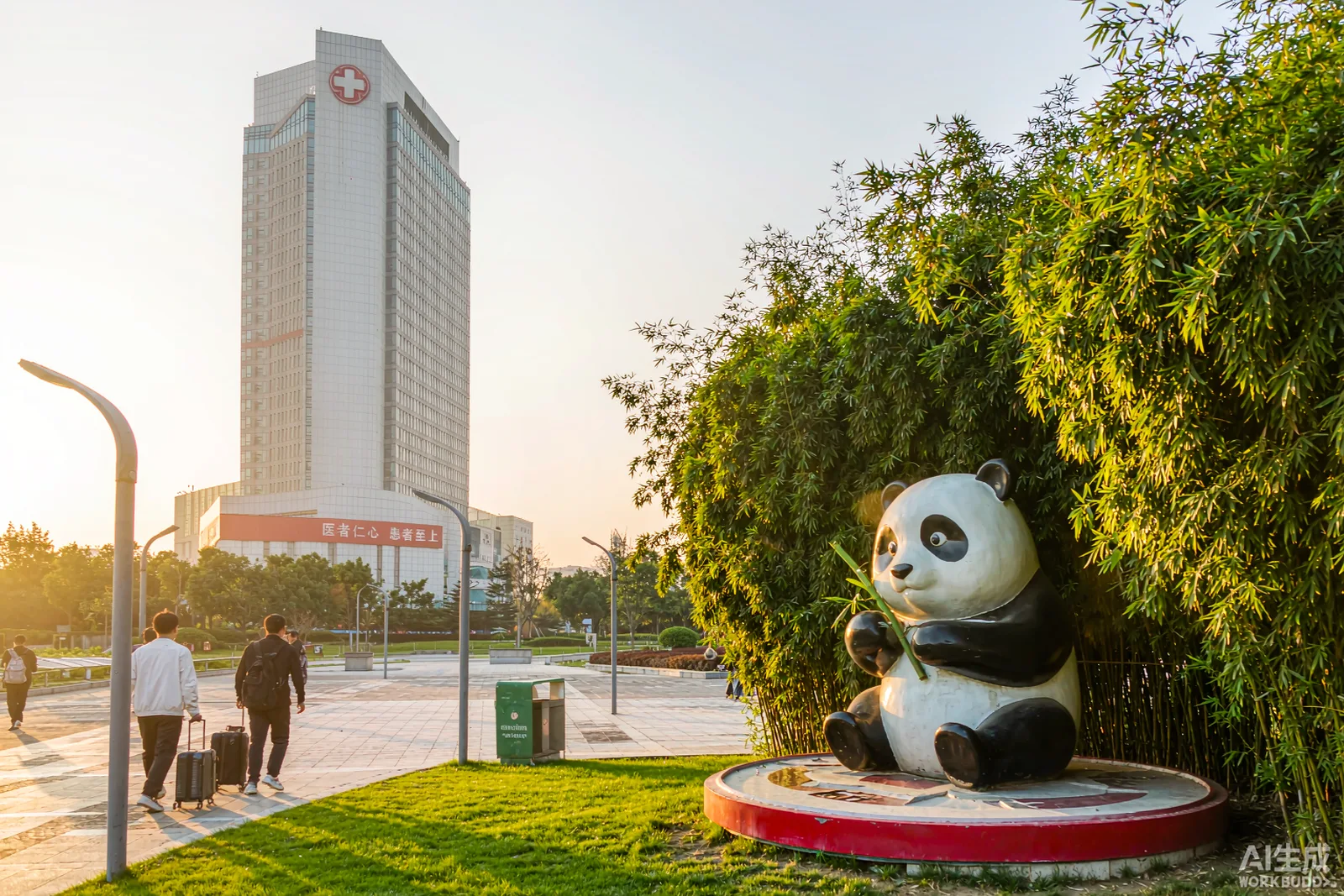
Chengdu's case is unique: world-class medicine and a city built for unhurried living. A post-treatment week looks like: morning walks through People's Park among taiji groups and tea drinkers; the Panda Base — flat, shaded paths, wheelchair-friendly, and bears that do most of the moving; Wide and Narrow Alleys for evening strolls; a Sichuan opera afternoon show (seated, air-conditioned, genuinely fun); and when cleared, a day trip to Mount Qingcheng's front mountain — cable car up, stone paths through Taoist temples, nothing strenuous. Our 3-day itinerary and panda guide slot directly into recovery weeks, and the TCM wellness guide adds therapeutic structure: tuina for travel-stiff shoulders, acupuncture courses that turn waiting days into treatment days.
Hainan: the official care-plus-leisure zone
Hainan pairs the Boao pilot zone's medicine with a genuine beach-resort recovery: sea air, warm winter climate, resort pools, and the island's 30-day visa-free entry for 61+ nationalities — the cleanest logistics in the country for a 2–3 week recovery stay. Post-cardiac and post-oncology patients make up a visible share of Lecheng's international flow, and the province's official positioning as a 2030 world-class medical-tourism destination means the service layer (transfers, interpreters, diet-conscious dining) is built, not improvised.
Other recovery-friendly bases
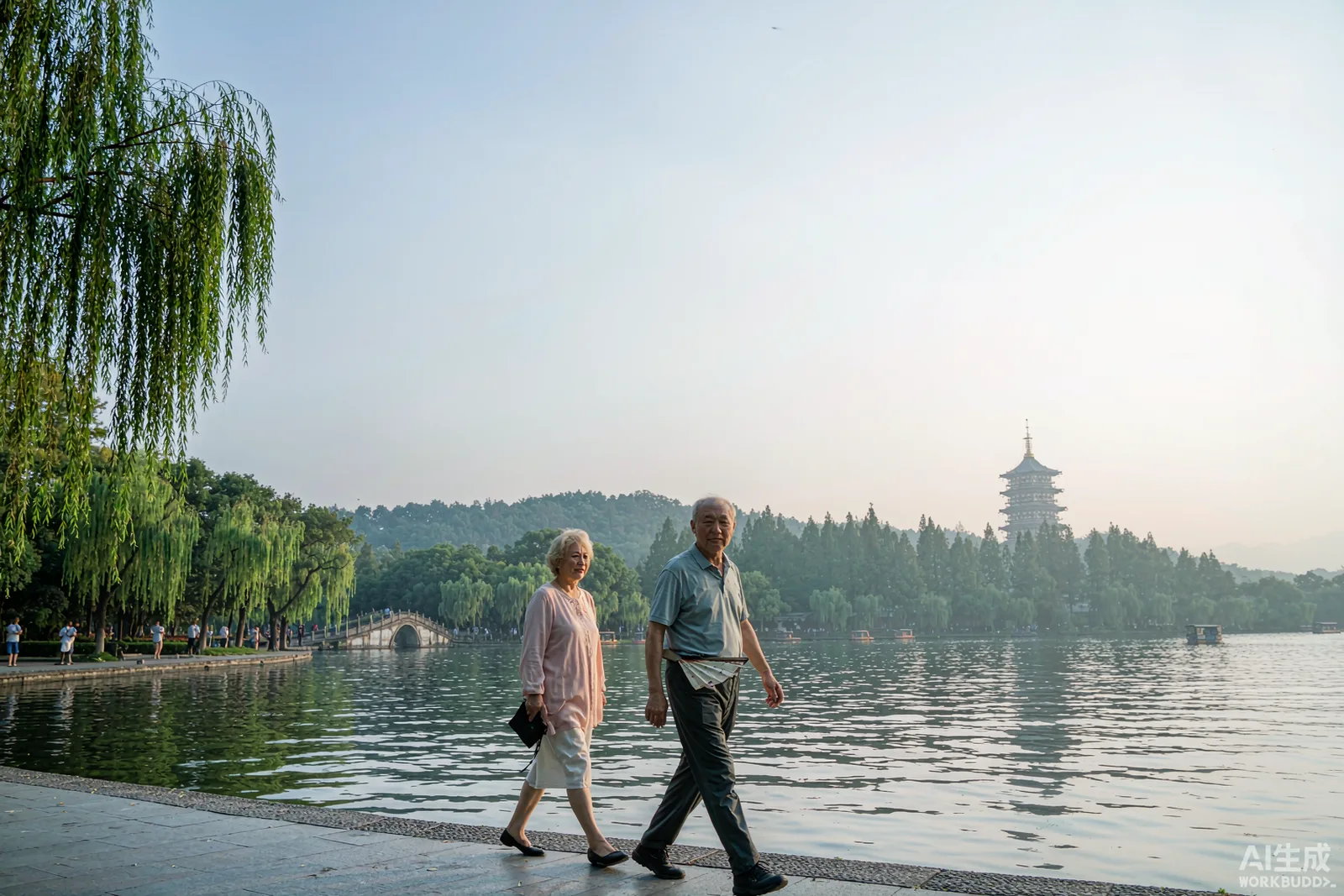
- Hangzhou: West Lake's flat circular paths, boat rides, Longjing tea villages — the gentlest urban recovery in China, with strong hospitals behind it.
- Kunming: eternal spring weather, altitude low enough to be safe for most (confirm with your team — altitude is the one honest caution), and the TCM institutions behind our rehabilitation stories.
- Sanya: resort recovery at its most straightforward; the Russian-language wellness infrastructure on the island is decades deep.
The safety boundaries — read this part
Recovery travel has limits that marketing never mentions: no commercial flying before your surgeon clears it (typically 1–2 weeks post-surgery minimum, longer for some procedures); no high-altitude destinations (Lhasa is not a recovery city); no scuba, hot springs or massage without clearance depending on your procedure; and travel insurance bought after diagnosis won't cover complications — sort coverage before admission. When in doubt, the question to your treating team is specific: "what would make you say no to this activity?" Their answer is your itinerary.
Related guides