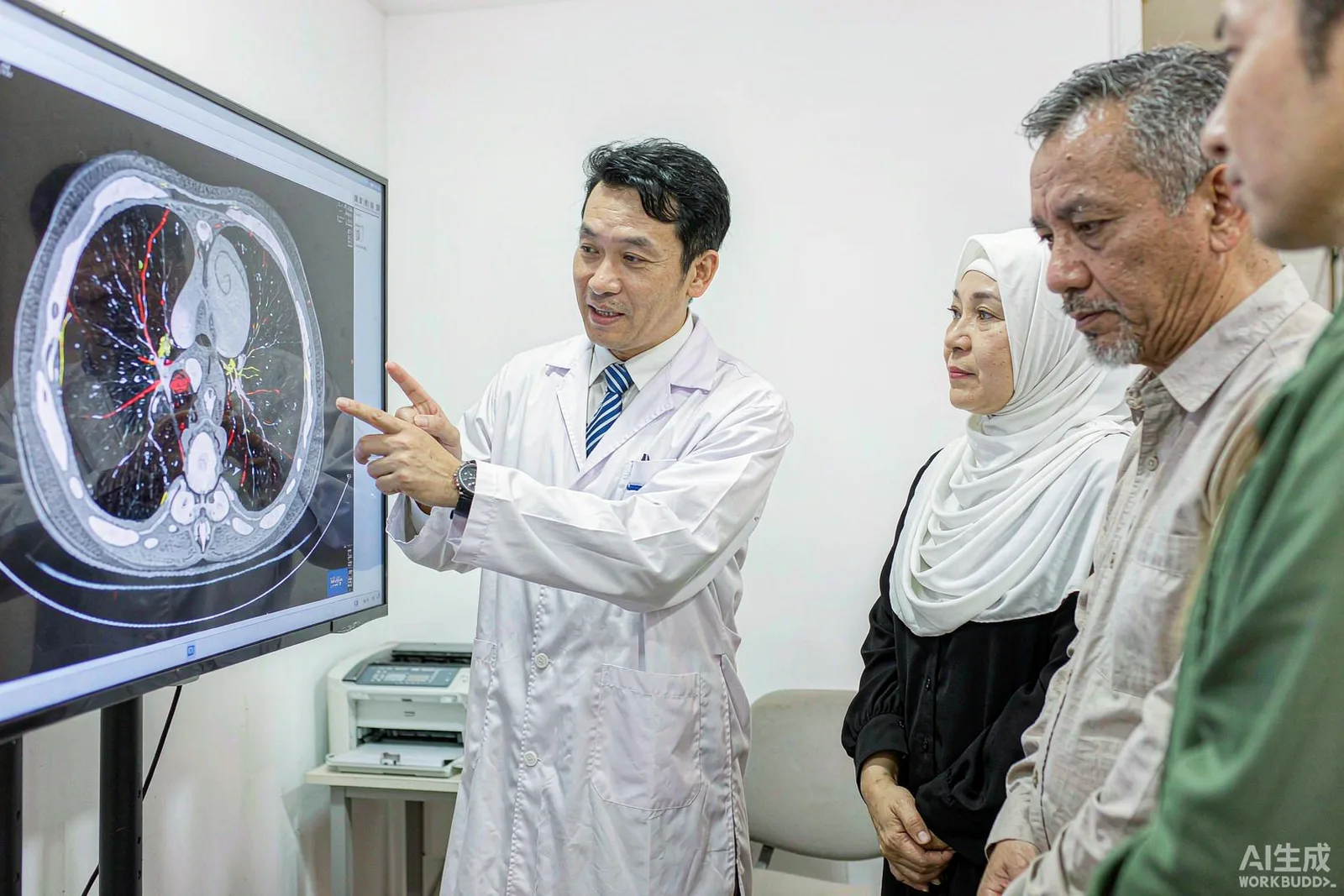
How Foreigners Pay Medical Bills in China: Cards, Insurance & 2026 Rules
Payment used to be the most frustrating part of foreign healthcare in China. It's getting dramatically better: international card acceptance is mandated across major hospitals, mobile payment works on passports, and the foreign-exchange regulator is easing insurance direct-billing. Here's the full playbook.
The 2026 payment landscape: what changed
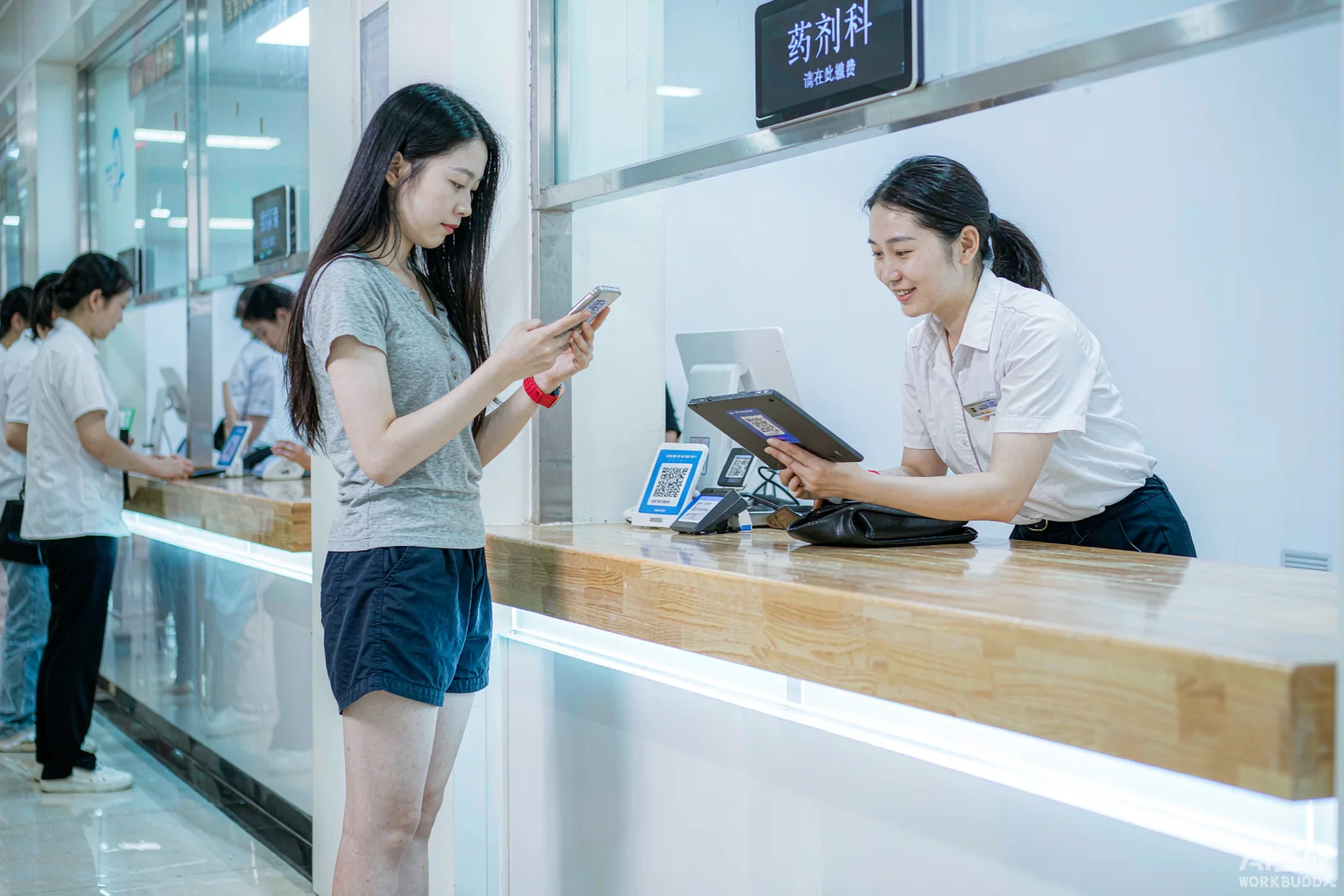
Three shifts define the current landscape. First, international card acceptance: major hospitals in pilot cities — Chengdu, Beijing, Shanghai, Shenzhen, Hangzhou, Sanya — have retrofitted payment systems for Visa/Mastercard under the national digital-services initiative, ending the "cash and Chinese app only" era. Second, mobile payment on passports: Alipay and WeChat Pay both accept foreign passports and international cards, and QR-code payment is how most hospital counters transact. Third, regulatory easing: the foreign-exchange administration's September 2026 briefing explicitly targeted smoother cross-border service payments — insurance direct-billing networks and small high-frequency scenarios — with medical care the visible beneficiary.
Setting up your payment stack before admission
Do these in order, ideally before flying:
- Set up Alipay or WeChat Pay with your passport and an international card — ten minutes, and it covers registrations, pharmacy counters, and everything in between. Full walkthrough in our mobile payments guide.
- Carry at least two international cards on different networks; keep a small cash reserve (RMB 2,000–5,000) for kiosks that still run cash.
- Confirm your insurance's China direct-billing network — email your insurer for (a) benefit confirmation for planned treatment and (b) a list of Chinese hospitals in their direct-billing network. If your hospital is on it, request a guarantee letter before admission.
- Ask the hospital's international desk for payment options in writing — cards, mobile, bank transfer for deposits — when you receive your cost estimate.
How hospital billing actually works
- Deposits: inpatient admission requires a deposit against your pre-estimate, settled at discharge against itemized charges — overpayment refunds to your original payment method.
- Outpatient flow: register, consult, test, pay per service — each step prints a receipt (发票). Keep every one: insurers, tax authorities and embassies all want originals.
- Pharmacy: prescriptions fill at the hospital pharmacy; payment runs through the same counters or QR flow. Domestic generics and biosimilars price at fractions of imports — ask for the equivalent option.
- Discharge documents: bilingual discharge summaries and itemized bills are standard in international departments — these are what your insurer reimburses against.
Insurance: direct billing vs reimbursement
Two paths exist. Direct billing — the hospital bills your insurer directly, you pay only deductibles — works where the hospital is in your insurer's network and you've pre-arranged a guarantee letter; Shanghai's international clinics have the densest such networks. Reimbursement — you pay everything, then claim with receipts and reports — works everywhere and is the default for most medical travelers; claims with original fapiao plus bilingual reports process reliably with major international insurers.
Travel insurance covers emergencies only — fine for accidents, useless for your planned knee surgery. If treatment is planned and expensive, the self-pay-plus-reimbursement route with a solid international policy is the standard structure.
Refunds, tax and the fine print
China's departure tax-refund scheme applies to retail goods, not medical services — don't count on it for hospital bills. What does matter: card-network currency conversion fees (1–3%), your insurer's exchange-rate policy on RMB claims, and keeping bank transfer records for large deposits (banks may ask about source of funds above threshold amounts — your billing correspondence is the answer).
One practical rule caps them all: no treatment plan, no payment. Itemized written estimates are standard practice in the international pathway; paying deposits against a verbal quote is the single most avoidable mistake in medical travel.
Related guides