Orthopedic & Neurosurgery Care in China: 3 International Patient Stories
Joint preservation that keeps careers alive, brain stimulators at a third of Western prices with remote programming, and pediatric surgery that draws families from Europe — three stories that show what Chinese orthopedics and neurosurgery actually deliver.
Story 1: Saving a meniscus — and a career (Dylan, 29, Canada)
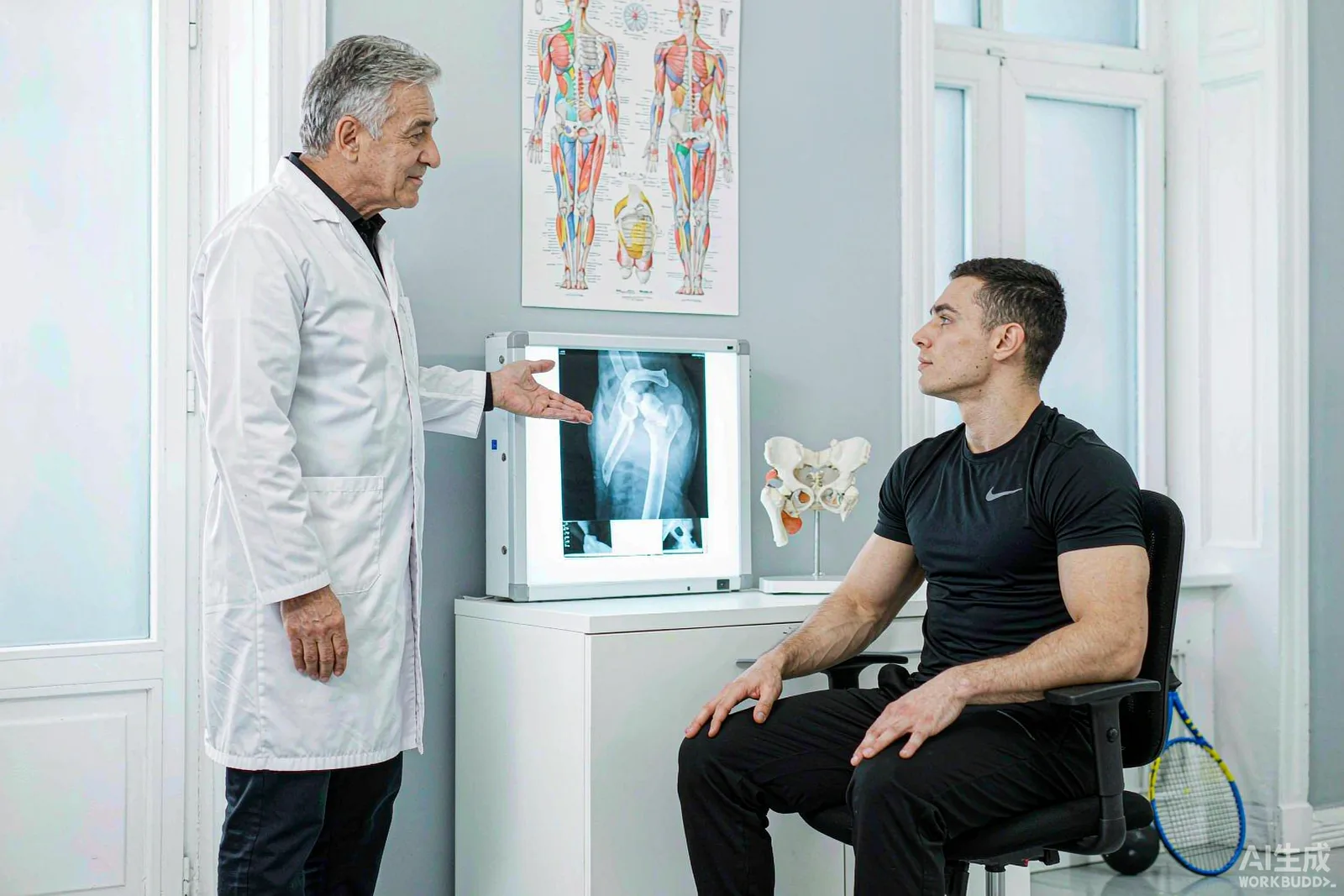
Dylan coached fitness for a living, and a torn medial meniscus (grade III) was about to end that. Vancouver's verdict: the tear was unrepairable; total meniscectomy was the plan — a surgery that would have ended his career in his twenties. He flew to Xiamen University Affiliated First Hospital instead.
The sports-medicine team performed arthroscopic meniscal repair — suturing and preserving the native meniscus rather than removing it. The recovery arc: walking normally at four weeks, training again at three months, coaching full-time by six months. The bill ran a fraction of North American surgical pricing, with no wait.
What the story shows: Joint preservation philosophy has deep roots in Chinese sports medicine — high-volume arthroscopy centers repair what some Western practices default to removing. For young patients with degenerative-risk decisions, a second opinion here can change the trajectory of a joint, not just a season.
Story 2: A brain stimulator at one-third price — programmed remotely (Abdul, 62, Uzbekistan)
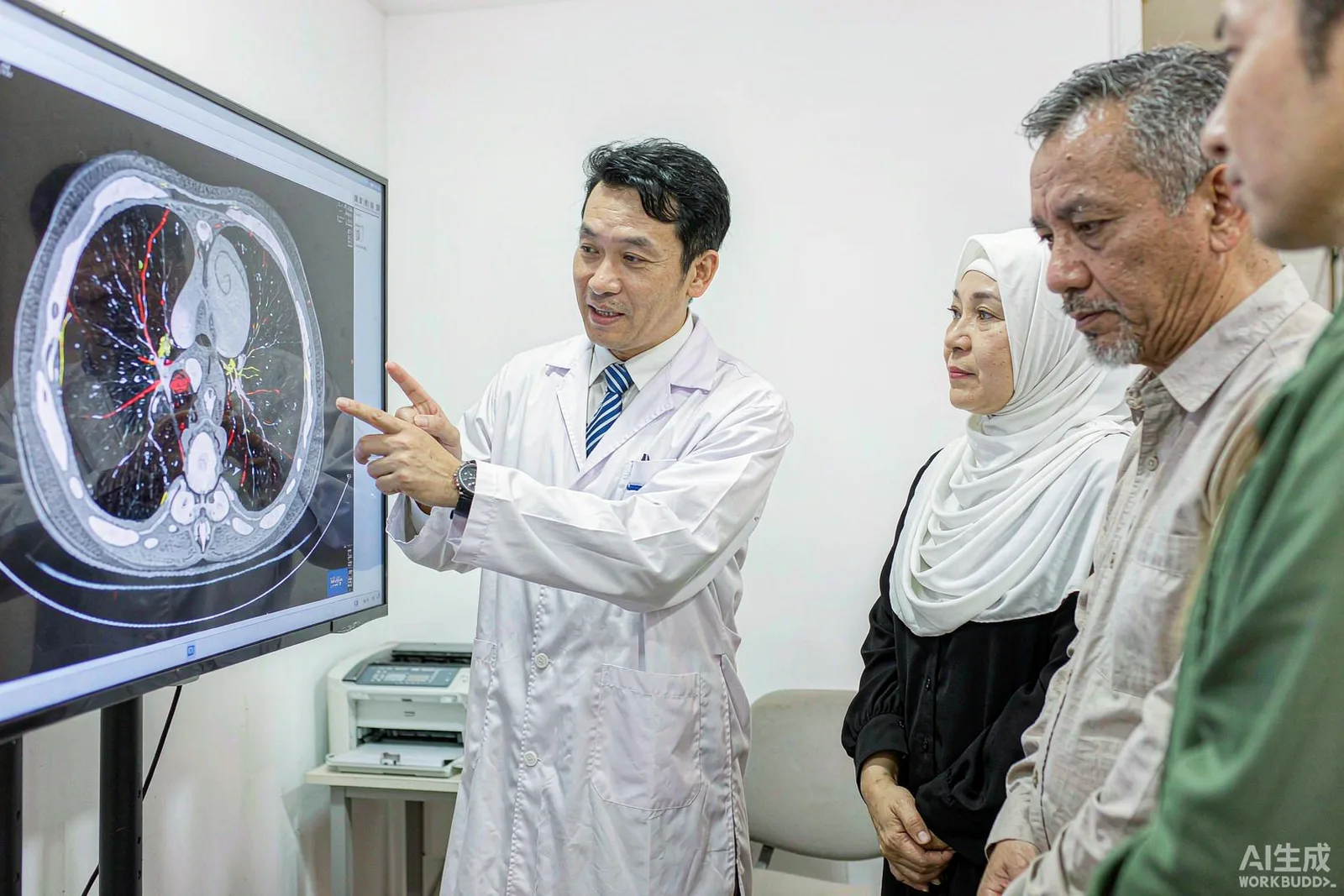
After five years of Parkinson's disease, Abdul's hands trembled too badly for daily life; Tashkent offered no deep-brain stimulation (DBS), and Western hardware plus repeated in-person programming visits priced the therapy out of reach.
At Beijing Tiantan Hospital — one of the world's highest-volume DBS centers — he received a domestically manufactured brain stimulator at roughly one-third of imported-device pricing. The device's real advantage for a foreign patient revealed itself later: remote programming. Clinicians adjust his settings over video, so instead of flying to Beijing every few months for recalibration, Abdul manages his therapy from home. One week after activation, his tremor had improved by roughly 90%; six months on, he was functionally independent.
What the story shows: The 2025 cross-border report that counted 1.28 million foreign visits explicitly positions China on complex neuro interventions. Domestic neurotech manufacturing changes the economics twice — once at implant, and again at every follow-up, because remote programming removes the recurring travel cost that imported-device protocols assume.
Story 3: The Italian toddler and the "always awesome" surgeon (Zaria, Italy)
Zaria's family — an Italian household of eight children, ten years in Chongqing — faced every parent's dilemma: their one-year-old's left pulmonary artery sling was compressing her airway, and the standard repair required opening the chest on bypass. After comparing Rome's top pediatric hospitals, they chose Chongqing Medical University Children's Hospital.
Professor Li Yonggang's team performed the repair through a small left-chest incision without cardiopulmonary bypass, after anesthesiologists ran a single-lung ventilation "safety test" to prove she would tolerate it. She went home on day six. Her grateful family began calling her "Liyongbang" — a pun on the surgeon's name meaning "forever awesome." The department's numbers explain the confidence: 1,200+ open-heart surgeries annually, patients as young as one day old and as light as 1.5 kg, overall success rates near 99%.
What the story shows: For congenital conditions, volume is destiny. Chinese pediatric cardiac and general pediatric surgery centers operate at scale Western units cannot match, which is why families from Italy to Central Asia route complex pediatric cases here — often at one-third to one-half of European private pricing.
The common thread: volume, verification, follow-through
- Volume builds outcomes. Meniscus repairs, DBS implants and pediatric cardiac procedures each run in the thousands annually at leading Chinese centers.
- Verification is designed in. Intraoperative monitoring for neuro cases, pre-op stress testing for pediatric anesthesia, bilingual pathology and imaging reports.
- Follow-through is remote. Video follow-up and remote device programming mean the relationship survives the flight home — a structural advantage for medical travelers.
If your orthopedic or neurosurgical case is scheduled rather than urgent, the practical playbook is: send imaging for remote review, collect two itemized estimates, book the visa route that fits your expected stay, and plan a recovery week — our recovery-travel guide shows how to make it restful.
Related guides