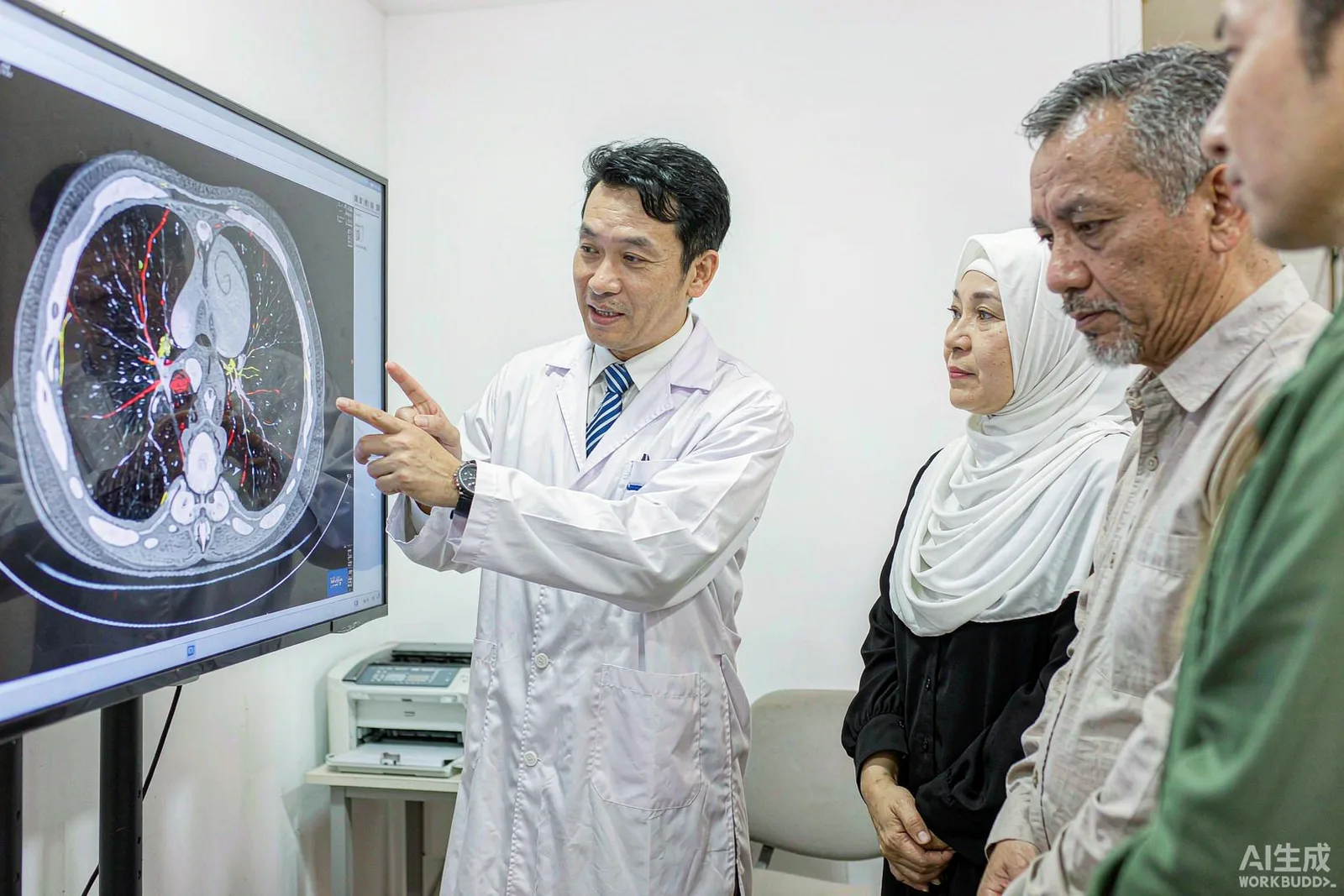
Medical Tourism in China 2026: The Complete Guide
China received 1.28 million foreign-patient visits in 2025 — up 73.6% in three years — with visa-free entry now covering 86 countries. This is the complete picture: why patients come, what it costs, where they go, and how to plan a medical trip that works.
The numbers that define the market
Start with the two figures officials use. China's designated international hospitals recorded 1.28 million foreign-patient visits in 2025 — 73.6% above the level of three years earlier — of which about 413,000 were patients who traveled specifically for treatment (the rest being long-term foreign residents using local care). The broader market generated an estimated US$9 billion in revenue, growing about 60% year-on-year.
The enabling infrastructure: 850+ medical institutions across 57 cities now run international patient services, visa-free arrangements cover 86 countries by early 2026, and the 240-hour transit exemption spans 55–57 nationalities through 65 ports. Hainan's Boao Lecheng pilot zone alone received over 860,000 medical-travel visits in 2025 — up 109% — generating RMB 8.39 billion in medical-service revenue.
Why patients choose China — the honest positioning
China is not trying to be Thailand (wellness and aesthetics) or South Korea (cosmetic surgery). The official strategy, articulated in the 2025 cross-border healthcare annual report, is deliberate differentiation: complex and severe care at speed and scale — oncology, neurosurgery, cardiac surgery, organ transplantation, plus the world's deepest TCM system.
The pull factors, in order of what patients actually cite:
- Price. Surgery at one-third to one-half of US costs; diagnostics at a tenth; drugs at a fraction — especially domestically manufactured biologics and targeted therapies.
- Speed. Specialist access in days, not months. OECD data show Canadians and Norwegians wait over a month for specialists; Chinese tertiary outpatient waits average under 30 minutes, emergency response under 5.
- Availability. Treatments approved in China before elsewhere — the world's first solid-tumor CAR-T (2026), first new presbyopia drug via the Lecheng pilot channel, and a rapid-approval pipeline for globally synchronized therapies.
- The "new three essentials." Dental work, health screening and TCM have become the standard foreign-visitor care package — affordable enough to fit inside a tourism itinerary.
Where patients go: the multi-polar map
- Beijing: national reference centers — Fu Wai (cardiac), Tiantan (neurosurgery), the Cancer Hospital CAMS, Peking Union's international services.
- Shanghai: oncology depth (Fudan Cancer Center), international clinics, the densest insurance direct-billing network.
- Guangzhou and the Greater Bay Area: the "Yimao Tong" drug-access corridor with Hong Kong/Macau, 25 international-treatment pilots, strong cardiology.
- Chengdu and western China: the Huaxi complex, world-ranked stomatology, TCM wellness — the fastest-growing pole, tripling international volume in three years.
- Hainan (Boao Lecheng): the regulatory sandbox — globally new drugs and devices enter before national approval; 30-day visa-free for 61+ countries.
- Border corridors: Heihe, Suifenhe and Hunchun serve Russian-speaking patients with TCM rehabilitation; Yunnan and Guangxi serve Southeast Asia.
What it costs
Benchmarks that recur across published reports: coronary bypass ~US$40,000 (vs US$130,000+ US); dental implants US$900–2,200; MRI under US$100; specialist consults US$20–60; a full executive screening from a few hundred dollars; presbyopia-correcting drops and same-day eyeglasses at a fraction of Western prices. Total trip cost — treatment plus flights plus accommodation — typically lands below treatment alone in the US. Our cost-comparison guide breaks this down procedure by procedure.
The 2026 policy stack working in your favor
- Visa-free expansion: unilateral and mutual exemptions covering 86 countries, with the UK, Canada and Central Asian states added through 2026; medical treatment explicitly qualifies as a visa-free purpose.
- Payment reform: the foreign-exchange regulator's 2026 easing targets insurance direct billing and cross-border settlement for medical services.
- "China Health Journey": a national brand under construction, certifying top hospitals and wellness destinations for international patients.
- Proposed medical visa: legislators have proposed a dedicated medical-treatment visa with 1–2 year stays for course-based therapy and accompanying family — watch this space.
How to plan a trip that works
- Define the goal: screening, planned treatment, or a combined wellness trip — each maps to different lead times.
- Route the case: match your condition to the right hospital and send records for remote review (our telemedicine guide shows how).
- Price it: request itemized estimates from two centers; add flights, stay and a companion budget.
- Pick the visa route: visa-free if eligible, 240-hour transit for short procedures, S2 medical visa for longer courses.
- Plan recovery: build gentle travel into the tail of your trip — China's recovery-tourism itineraries are an underrated part of the value.
The guides linked throughout this article take each step in depth; start with cost comparison if budget drives you, or the telemedicine guide if clinical fit does.
Related guides