How to Book an Appointment at West China Hospital as a Foreigner
Booking China's largest western hospital from overseas is easier than it looks. This walkthrough covers the three routes foreigners actually use — the app, the international patient desk, and a coordinating service — plus the documents and timing that keep it smooth.

Three booking routes, one decision
Foreign patients book West China Hospital through three channels, and choosing correctly saves days:
- The international patient desk (国际患者服务). Email or message your reports in advance; the desk books the right department, arranges an interpreter, and pre-quotes costs. Best for surgery, complex diagnoses, or anyone who wants a single point of contact.
- Self-service via app or kiosk. Chengdu's hospitals run real-name registration through WeChat mini-programs and hospital apps; after Chengdu joined the national digital-services pilot, English interfaces and multilingual kiosks rolled out across major hospitals. Best for outpatient visits, scans and follow-ups once you are in the city.
- A coordinating service. Cross-border platforms handle records translation, itinerary, airport pickup and bedside interpreters. Best for first-timers, non-English speakers, or families combining treatment with travel.
Whichever route you pick, registration is real-name: your passport is the ID document for everything — booking, payment, and reports.
What to prepare before you request a slot
Have these ready in English (and ask for certified Chinese translation if needed):
- Passport photo page and entry visa/entry stamp details.
- Prior imaging (CD or USB with DICOM files) and written reports.
- A one-page medical summary: diagnoses, surgeries, current medications and allergies.
- Pathology slides or reports if oncology is involved — Chinese pathologists often re-read biopsies as part of the work-up.
- For treatment quotes: any question list you want answered before committing.
Send imaging early. Clinicians pre-review cases before admission, and this review is what turns a vague inquiry into a concrete admission date and price estimate.
Timing: how far ahead to book
Outpatient consultations can often be booked for the same week, sometimes the next day — a stark contrast to the multi-week or multi-month waits typical for specialists in the UK, Canada or Norway, where OECD data show most patients wait over a month for a specialist appointment.
For surgery, expect a different rhythm: pre-admission testing on arrival (blood work, imaging, anesthesia clearance), then the operation typically within days once cleared. Plan to arrive 3–5 days before any scheduled procedure, and build buffer for your return flight — post-op recovery stays of 1–2 weeks are common for major surgery.
Peak seasons matter: Chinese public-holiday weeks (especially early October and late January–February) compress capacity. Book around them.
On arrival day: what actually happens
- Register at the international desk or kiosk with your passport; staff verify your booking and collect any deposit.
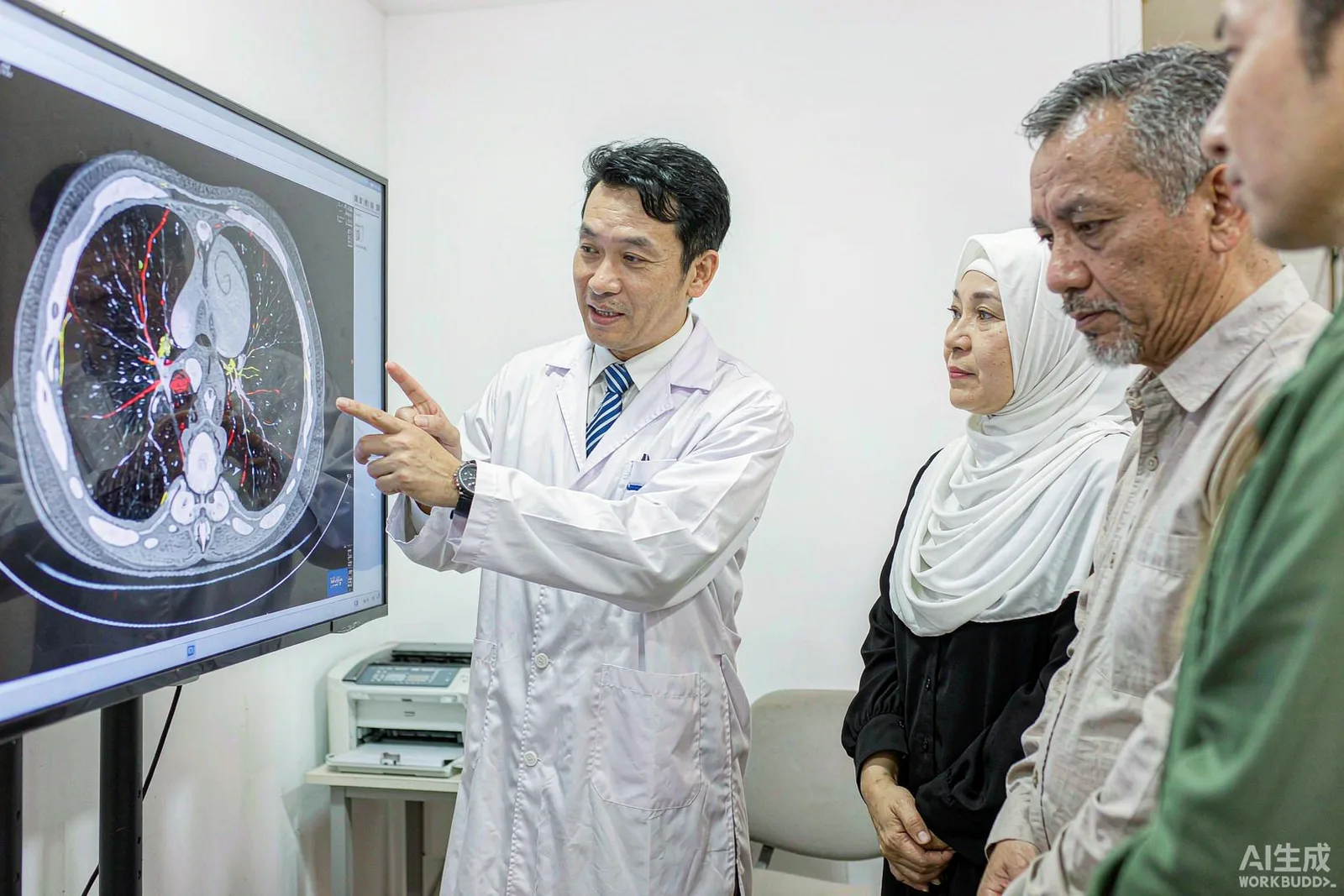
- Consultation. Bring your translated summary; interpreters are standard in international pathways, and many departments now have bilingual coordinators.
- Testing. Blood work and imaging are usually same-day — MRI costs a few hundred RMB and results often return within 24 hours.
- Plan and payment. You receive a written treatment plan with itemized costs. Confirm before proceeding; deposits and payments go through card, mobile payment or insurance direct-billing where available (details in our payments guide).
If your Chinese is zero and your budget is tight, a half-day medical interpreter is inexpensive by Western standards and covers most outpatient needs.
Remote pre-consultation: book before you fly
You do not need to be in China to start. Hospitals and coordinating platforms increasingly offer remote second opinions: upload reports, join a video consult, and receive a written plan with estimated costs and duration. Cross-border health-data pilots discussed through APEC are pushing toward interoperable records, but today the practical format remains email plus video call. Use it to shortlist departments and price the trip — then book travel only when the plan is concrete.
Common mistakes to avoid
- Booking a specific doctor by name before confirming the department that actually treats your condition.
- Flying in without a written cost estimate, then negotiating from a hospital bed.
- Assuming Western insurance works automatically — verify direct billing in advance.
- Scheduling surgery the day after landing; jet lag plus incomplete pre-op testing wastes the speed advantage you came for.
Related guides