Getting Around Chengdu: Metro, Buses, Bikes and When to Just Walk
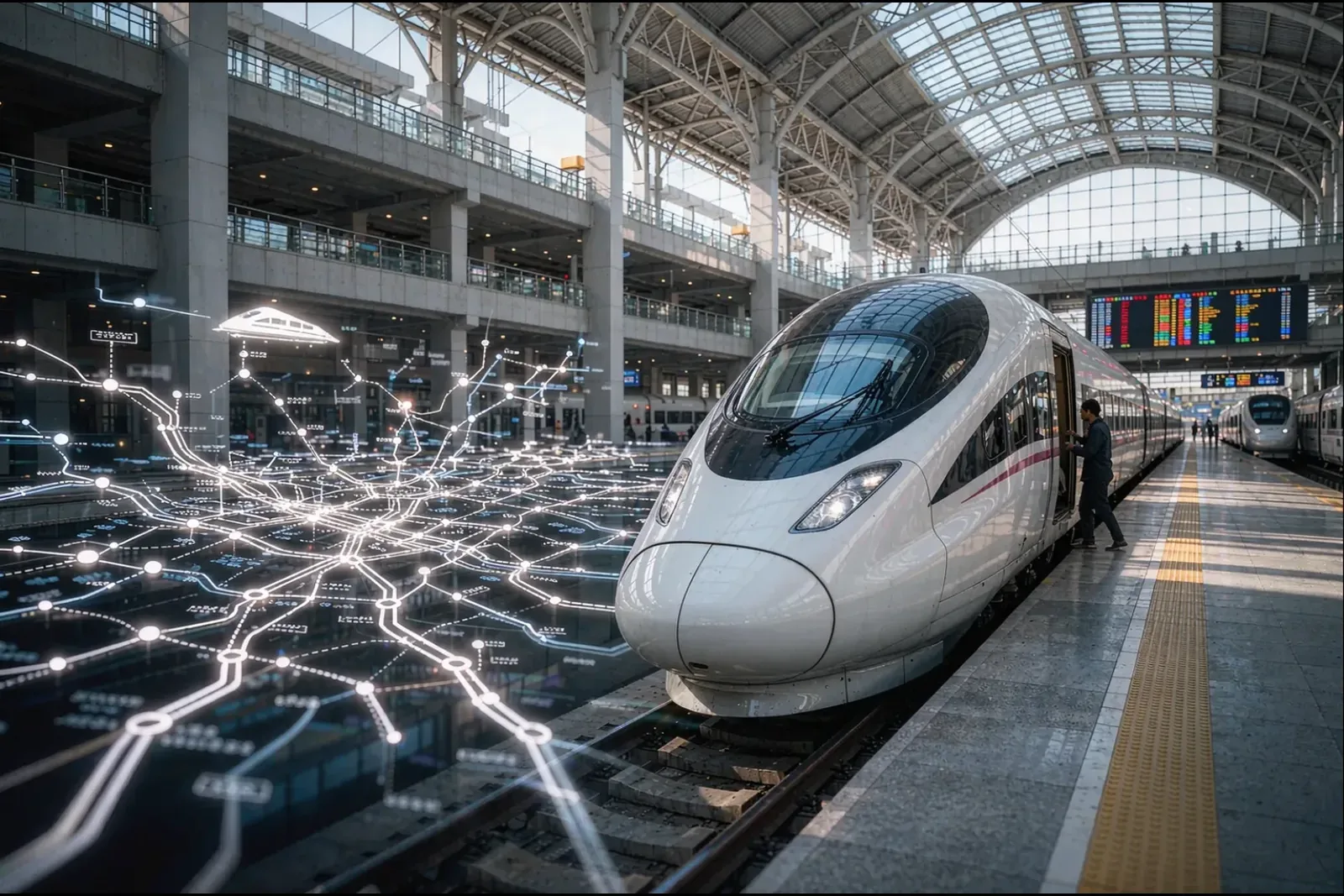
Chengdu's metro is the fastest-growing in China and almost every tourist sight sits near a station. A practical map-in-words of how locals move around the city.
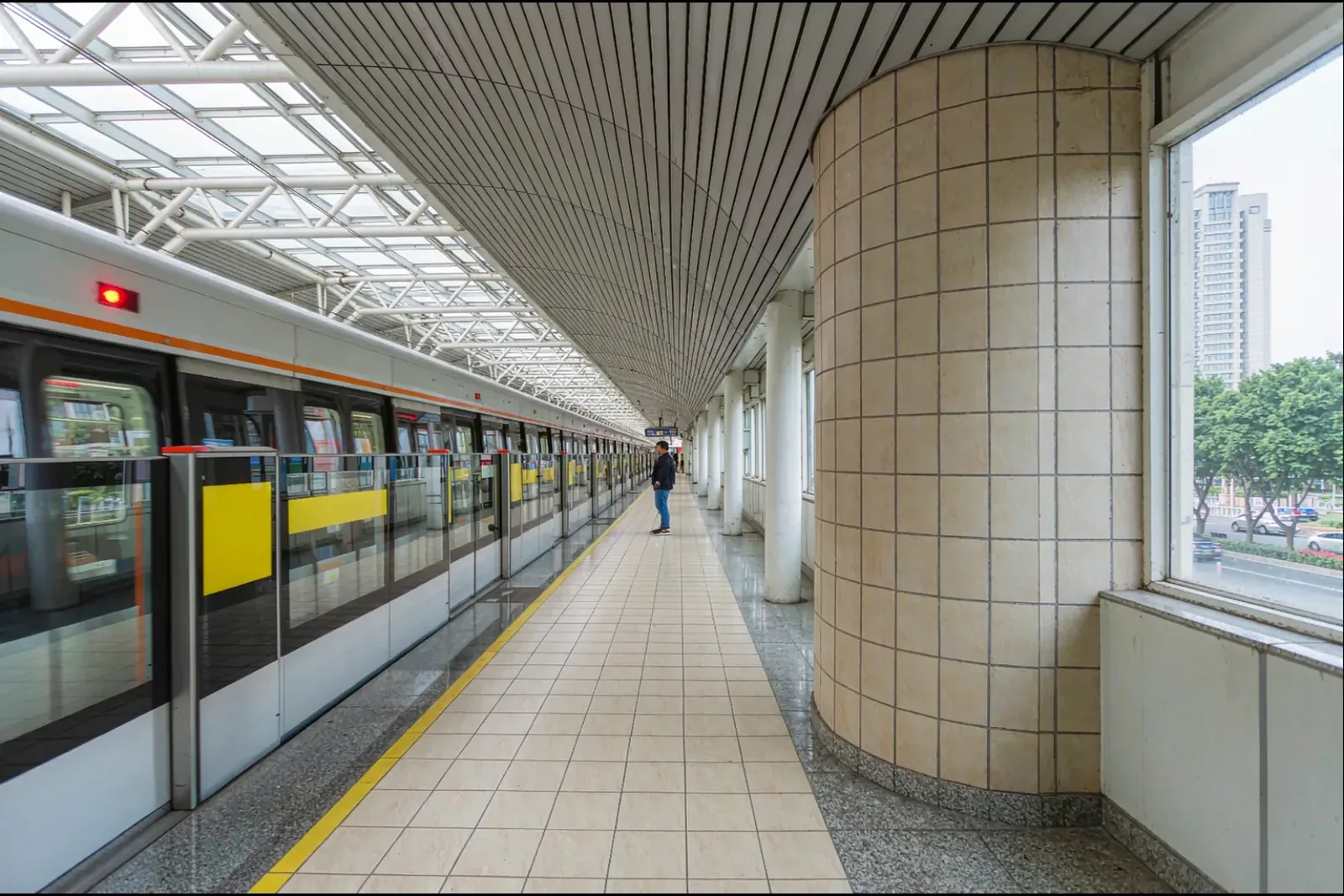
The metro is your default
Thirteen lines cover every major sight: Line 3 to the Panda Base shuttle, Line 2 to Chunxi Road and the railway stations, Line 4 to Kuanzhai Alley and Jinli. Trains run 06:00–23:30, fares ¥2–6 by distance. Pay by tapping Alipay/WeChat transit QR, or buy a single-journey token at machines that have an English button.
Buses and night options
Buses cost ¥2 flat and accept the same QR codes, but route apps (Amap) are essential — stops announce in Chinese only. After midnight, taxis become the only practical option; the last metro trains empty out around 23:00.
Didi, taxis and bikes
Official taxis start at ¥8 and are honest — insist on the meter (打表). DiDi (see our ride-hailing guide) is usually ¥2–5 cheaper and removes language friction. Shared bikes (Meituan green, Hello blue) blanket the city at ¥1.5 per 30 minutes; riding between Kuanzhai Alley and People's Park is the fastest way through the old lanes.
Walking zones worth knowing
Chunxi–Taikoo Li, Jinli, and the Wenshu Monastery area are compact and best on foot. Tianfu Square to People's Park is a pleasant 20-minute walk through Chengdu's oldest shopping spine. Air quality is generally better than other megacities, but check AQI in winter — above 150, switch to the metro.
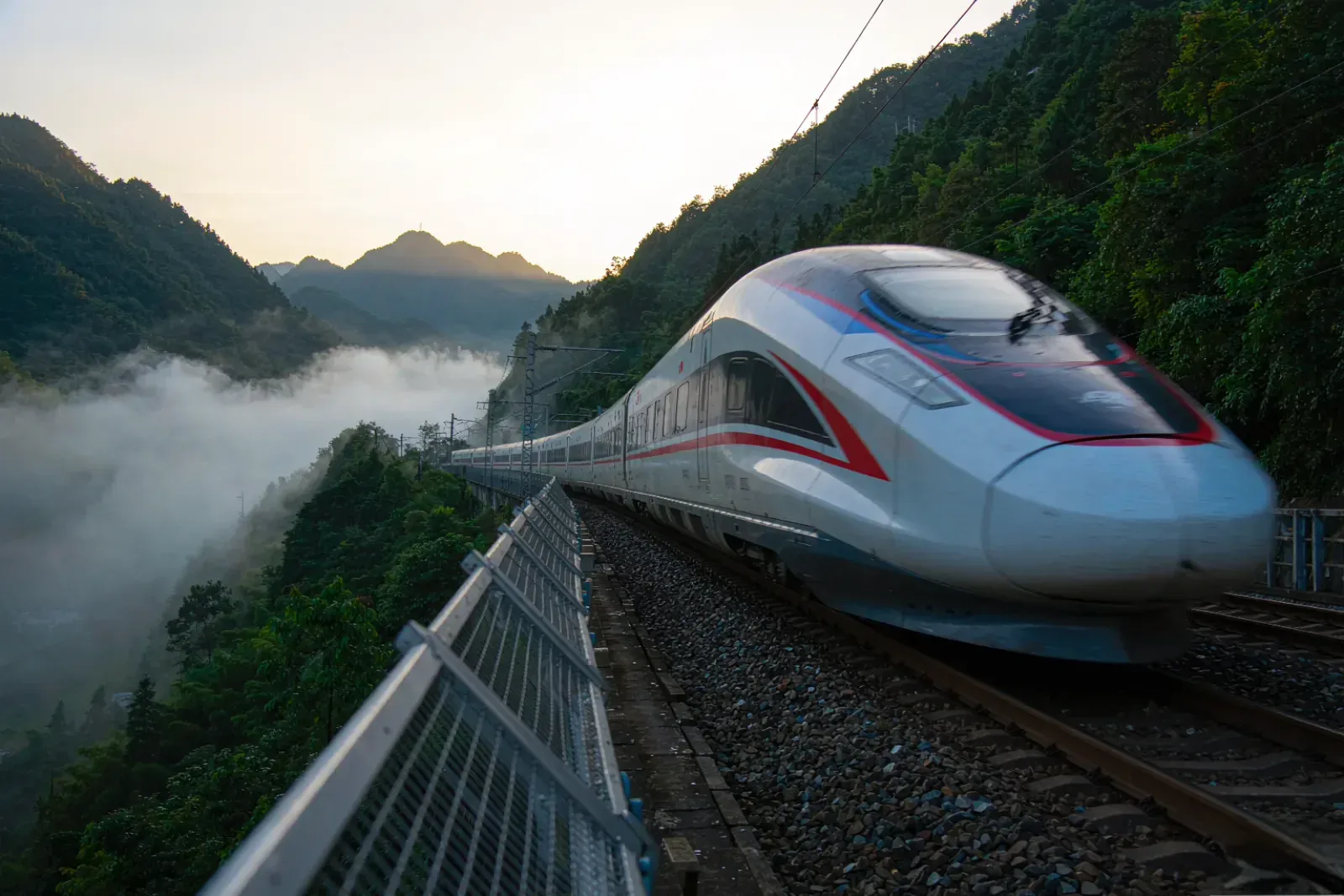
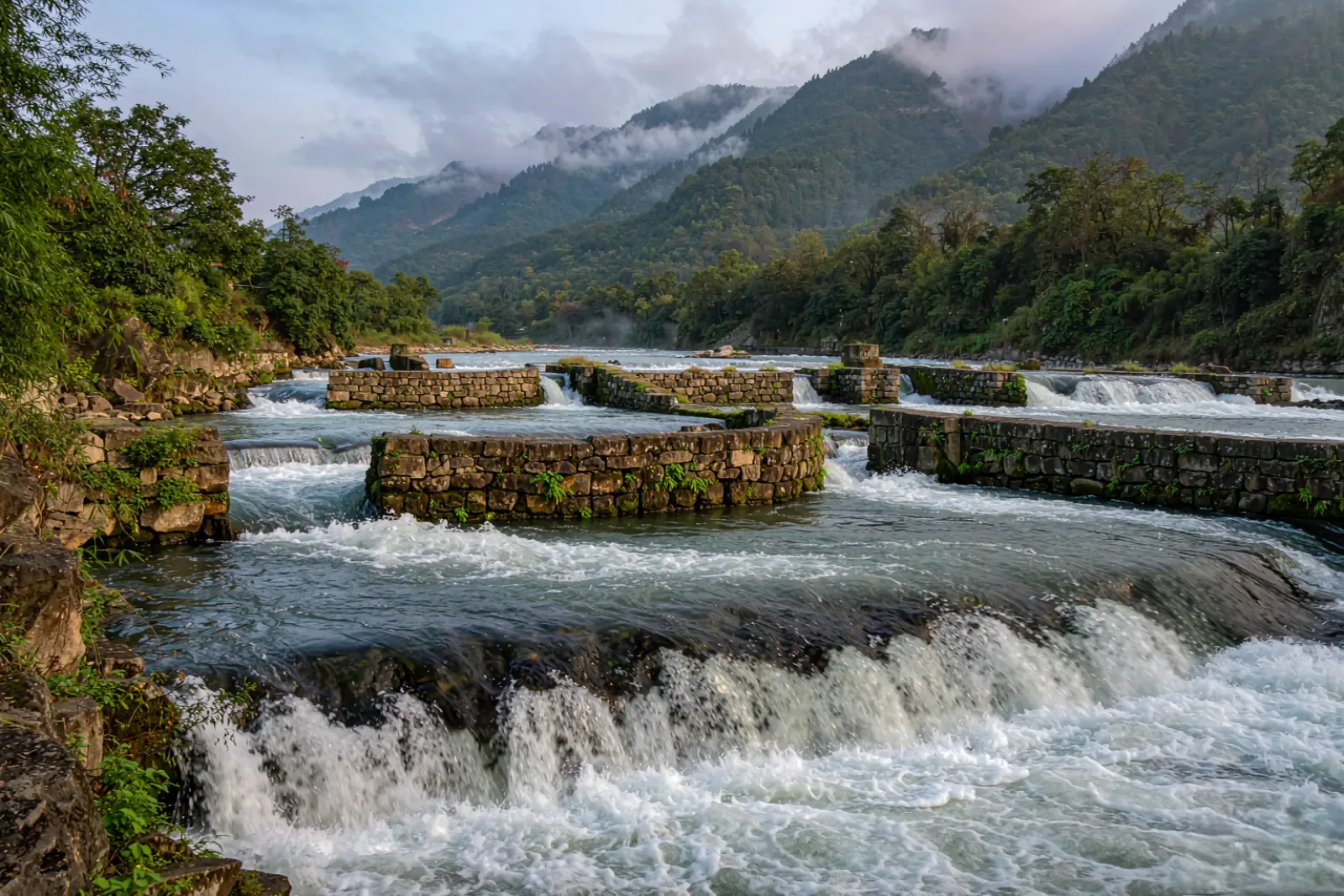
Day trips: the Panda Base is 40 minutes by metro + shuttle; Leshan Giant Buddha 1 h by HSR; Dujiangyan 30 min by HSR. Our day-tour library covers all three with licensed guides.
Related guides