Domestic Flights in China: When to Fly Instead of Taking the Train
Flight vs high-speed rail comparisons for the routes travellers actually take, plus airport logistics, luggage rules and how to handle delay culture.
Fly or rail? The honest comparison
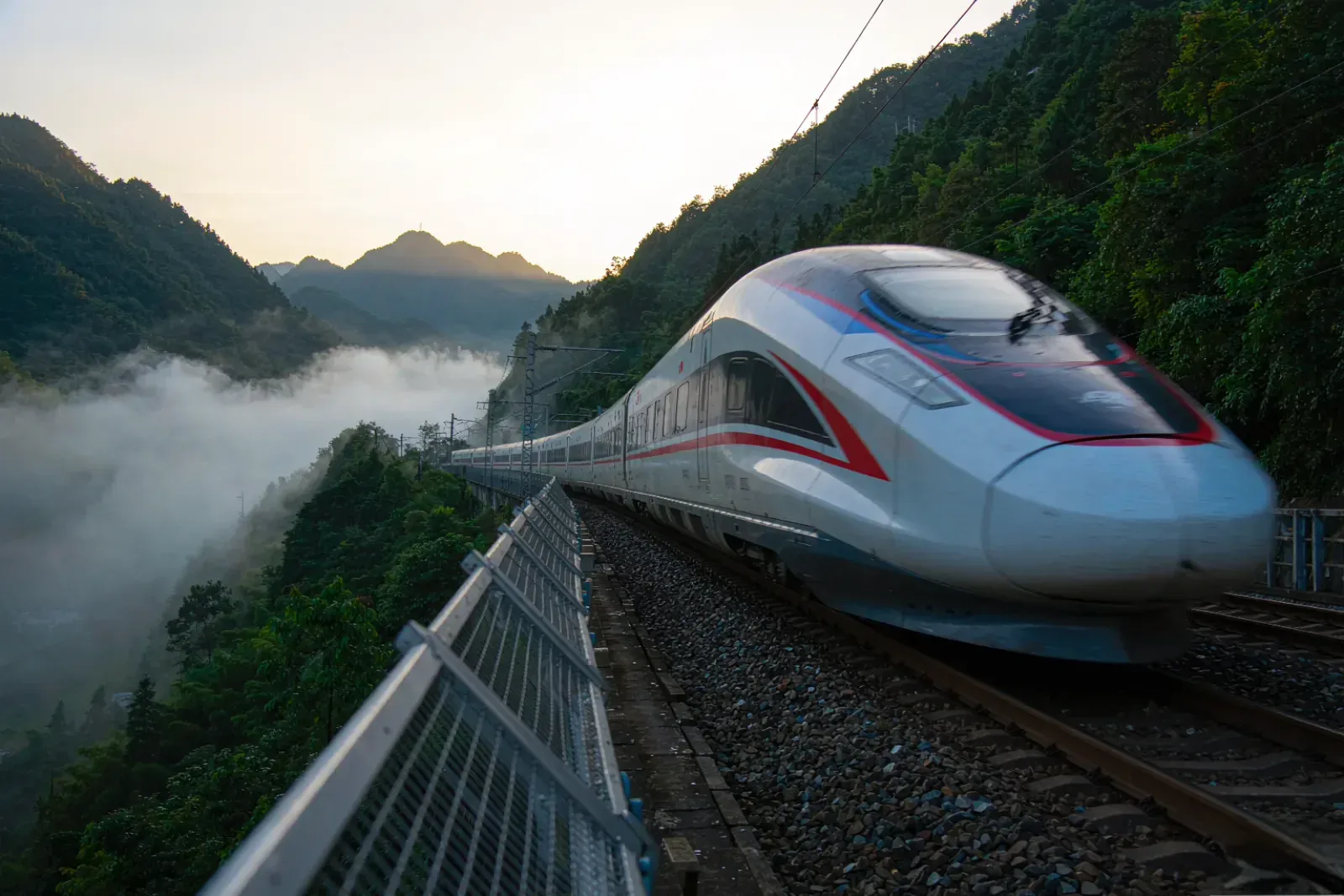
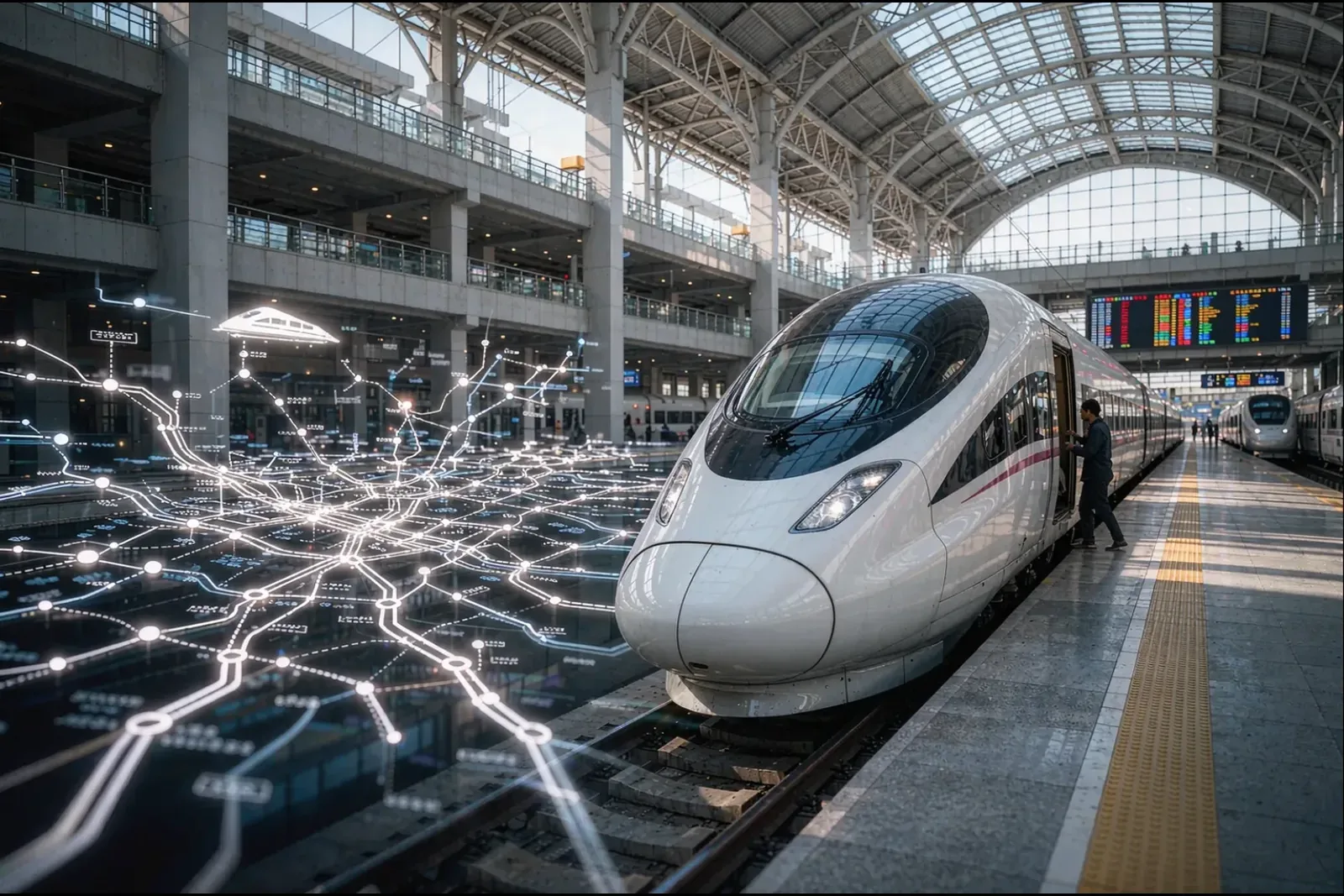
- Under 1,000 km — always rail (city-centre stations, no liquid rules).
- 1,000–1,500 km — toss-up; rail wins on reliability, flying on price promotions.
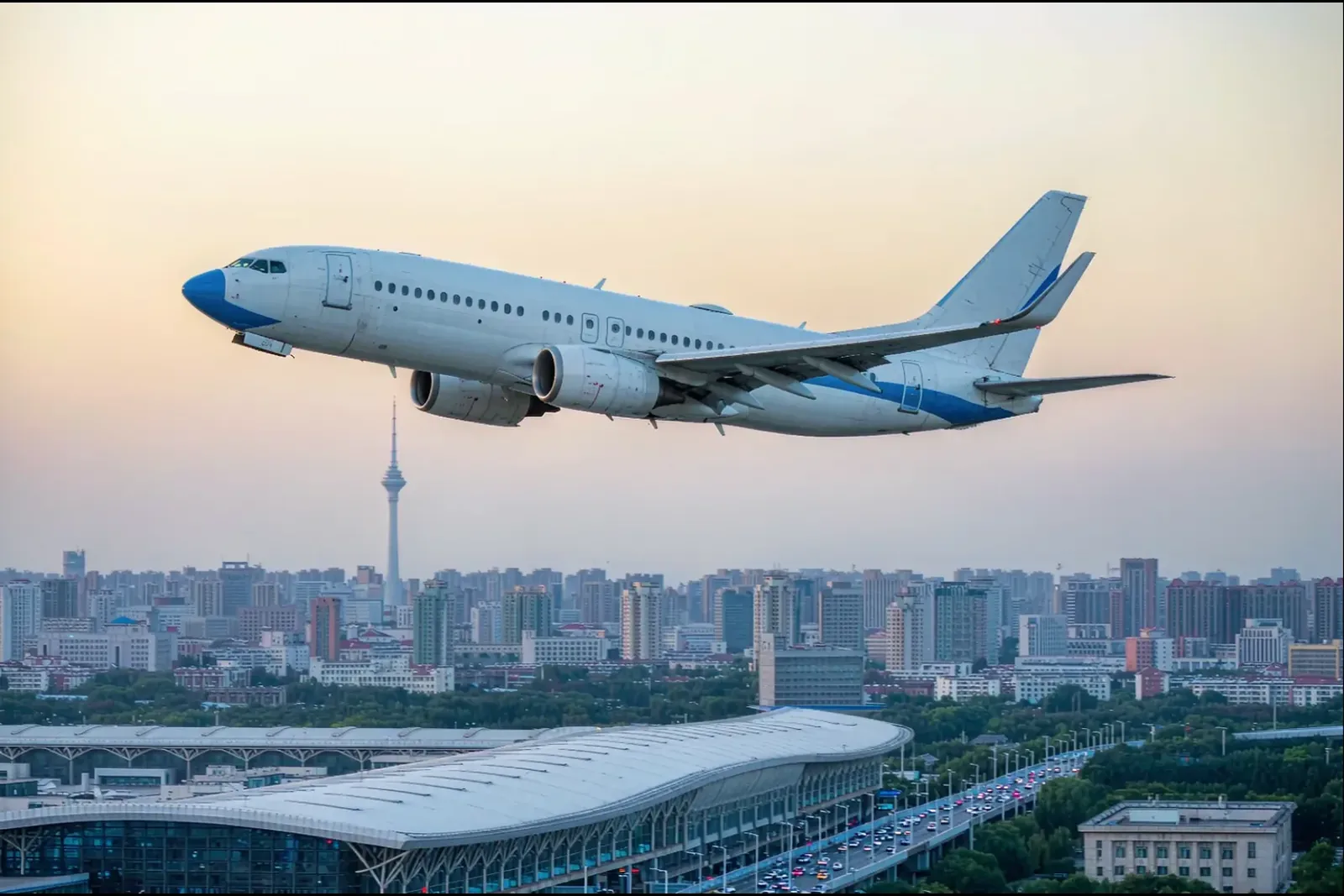
- Over 1,500 km (Chengdu→Beijing 1,500 km, Chengdu→Shanghai 1,700 km) — flying saves 3–4 hours door to door.
- Western China (Chengdu→Lhasa, →Jiuzhaigou) — fly; rail is scenic but multi-day.
Booking and check-in
Book via Trip.com, airline apps (China Eastern, Air China, Sichuan Airlines) or Ctrip. Passport number must match exactly. Check-in closes 45 minutes before departure; domestic terminals in Chengdu Tianfu are vast — allow 2 hours. Security follows the same rules as international (no lighters, powerbanks in cabin only, ≤100 Wh).
Delay culture, calmly explained
Roughly a quarter of domestic flights land 30+ minutes late; military-controlled airspace and weather stacking are the causes. Book morning departures — delays compound through the day. If a flight is cancelled, airline counters rebook you free; ask for 「改签」(rebooking) rather than a refund.
Baggage that differs from home
Domestic economy often includes only 7 kg cabin + 20 kg checked on full-service carriers; budget airlines (9 Air, Colorful Guizhou) charge for everything. Weigh your bag at the hotel — excess fees are ¥15–30/kg, collected without negotiation.
Related guides