Dental Veneers in China: Types, Prices and What to Expect
China's private dental sector has quietly become one of the world's busiest — modern equipment, internationally trained clinicians in the major cities, and prices well below US and European rates. If you're considering veneers, here's an honest guide to types, realistic price bands, the treatment flow, and recovery.
What veneers are, and the main types
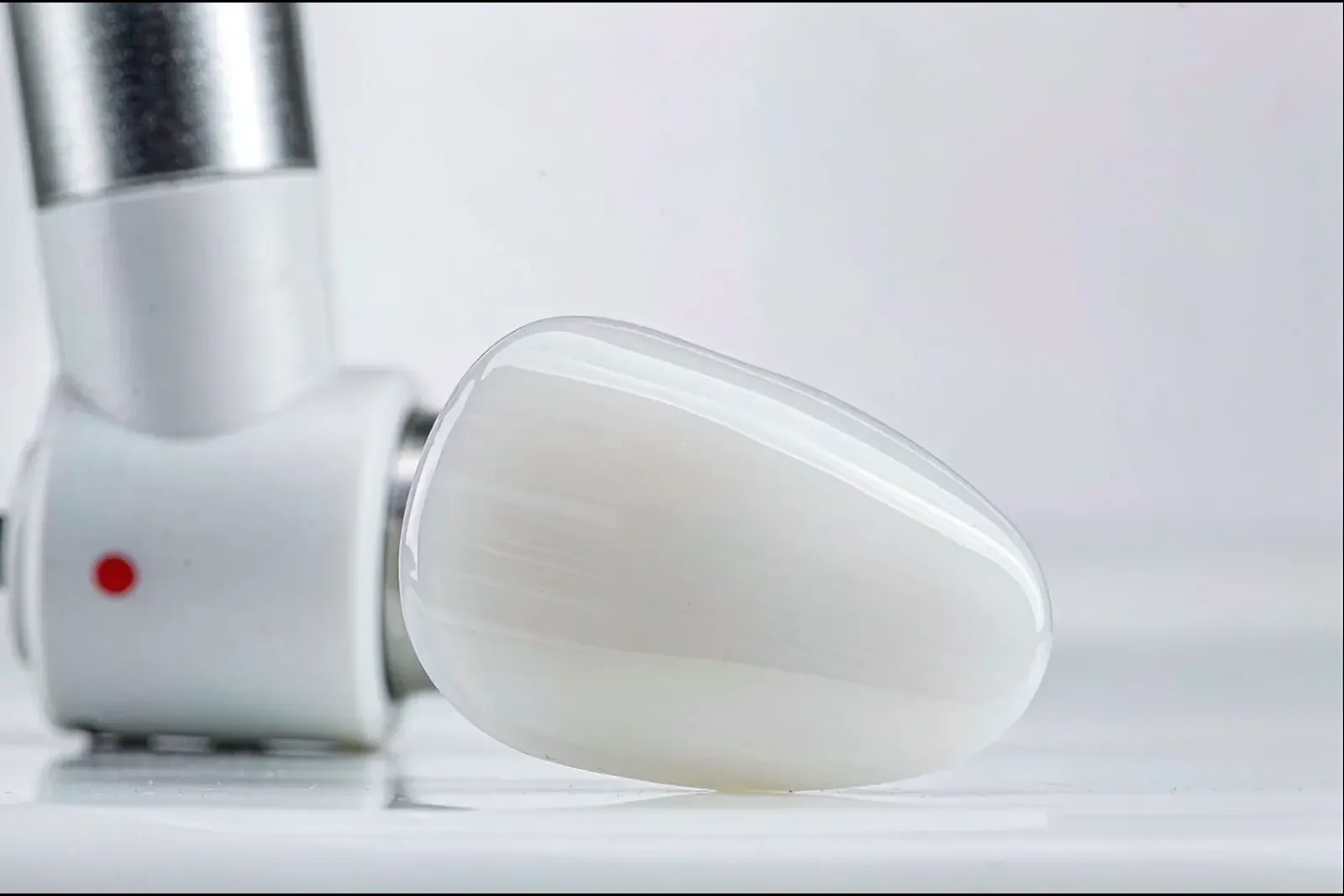
A veneer is a thin shell bonded to the front of a tooth to change its colour, shape or alignment. In China you'll encounter three categories:
- Porcelain/ceramic veneers — the premium standard: layered or pressed ceramics, highly lifelike, stain-resistant, typically lasting 10–15+ years with good care.
- Minimal-prep or no-prep shells — ultra-thin ceramics requiring little or no enamel removal; technique-sensitive and slightly dearer per tooth.
- Composite veneers — sculpted resin in a single visit; much cheaper, but less lifelike and shorter-lived (3–7 years typically). Reasonable as a budget or interim option.
The right choice depends on your enamel, bite and goals — an examination and imaging decide this, not the brochure.
What veneers cost in China
Private clinics in Beijing, Shanghai, Chengdu and other major cities typically charge per tooth:
- Composite veneers: approx ¥800–2,000 (about $110–280) per tooth.
- Porcelain/ceramic veneers: approx ¥2,500–6,000 (about $350–850) per tooth depending on materials and the clinician's seniority.
- Premium no-prep systems: higher again; quoted case by case.
For comparison, porcelain veneers in the US often run $800–2,500 per tooth, and Western Europe is similar. A multi-tooth case in China can therefore cost a fraction of the home-country quote — though prices vary by clinic and case, so always check latest prices directly with the clinic. For context on other treatments, see our dental implants cost guide — implants and veneers often share clinics and planning workflows.
The treatment journey, step by step
- 1. Consultation & diagnostics — examination, X-rays or scans, shade discussion, digital smile design. One visit; often same-day photos and plan.
- 2. Preparation — enamel is lightly shaped (traditional veneers remove ~0.3–0.7mm), impressions or digital scans taken, temporaries fitted where needed.
- 3. Laboratory fabrication — 1–2 weeks; many clinics use in-house or partnered digital labs.
- 4. Bonding — try-in, adjustments, final cementation, bite check.
- 5. Review — a follow-up polish and check after a week or two.
Compressed schedules matter for visiting patients: a straightforward case can complete in 7–14 days with the lab phase planned tightly. This is where coordination helps — our medical coordination service matches you with vetted clinics, arranges English-speaking consultations, and sequences appointments around your travel days so nothing waits on a missing translation.
Recovery, longevity and aftercare
Traditional veneer placement is usually painless under local anaesthetic, with mild sensitivity for a few days after preparation — normal and manageable with standard painkillers. After bonding, veneers need no special routine: brush, floss, nightguard if you grind, and avoid biting hard objects. Expect 10–15 years from good ceramics; composites less. Follow-ups can often be done with a home-country dentist for routine checks, with the original clinic available remotely for questions.
If you're combining treatment with travel — and many patients do — Chengdu works well: major clinics, easy flights, and recovery days spent in tea houses rather than hotel rooms. Our three-day Chengdu itinerary and Chengdu tours fill the waiting week; our guides handle clinic transfers and translation throughout.
Choosing a clinic — the honest checklist
- Clinician credentials: ask about prosthodontic training and before/after cases of actual veneer work.
- Digital workflow: intraoral scanning and smile design indicate modern standards.
- Material transparency: the brand and origin of the ceramic should be stated in writing.
- Written quote covering temporaries, adjustments and a warranty period.
- English support for consultations and aftercare instructions — non-negotiable for safety.
FAQ
How much do veneers cost in China?
Roughly approx ¥2,500–6,000 (about $350–850) per porcelain tooth and ¥800–2,000 for composite, varying by clinic and materials — check latest prices with the clinic directly.
How long does treatment take?
A straightforward case completes in about 7–14 days including lab work; complex smile makeovers may need longer.
Is it painful?
Preparation is done under local anaesthetic; mild sensitivity for a few days afterwards is normal.
Do I need to remove enamel?
Traditional veneers require light enamel shaping; no-prep options minimise or avoid it, suitability depends on your teeth.
Can I combine treatment with a holiday?
Many patients do — clinics in major cities coordinate well with travel plans, and a coordination service sequences appointments, transfers and translation.
Related guides