Baijiu and Chinese Drinking Culture: A Visitor's Guide
Ganbei, toasting order, sauce-aroma versus strong-aroma, and the glass you should never drain first: how Chinese banquet drinking actually works, what baijiu to try, and how to participate gracefully without overdoing it.
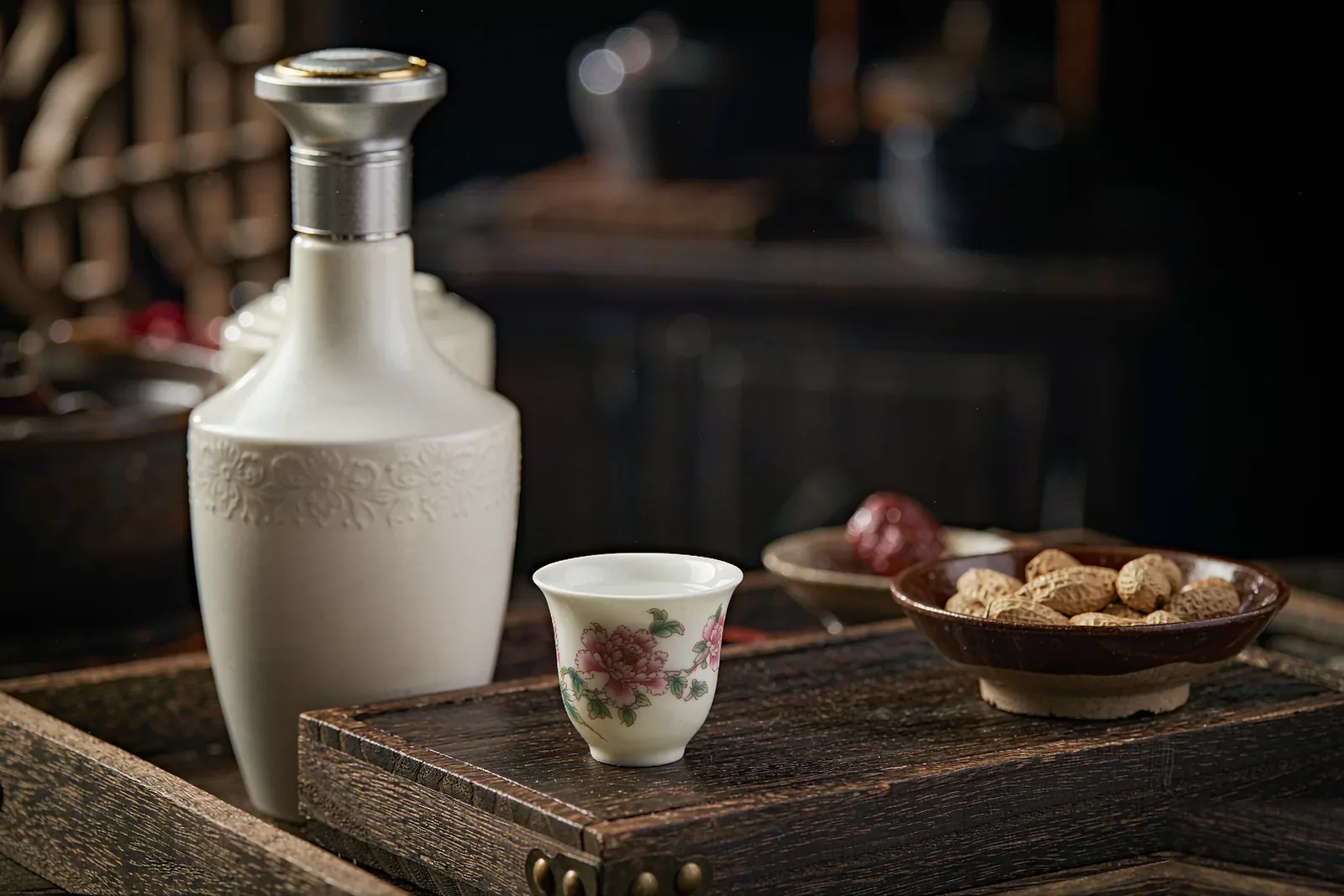
Baijiu is not vodka
Baijiu (白酒) is the world's most-consumed spirit by volume and unlike anything in the Western cabinet: distilled from sorghum (and other grains) in solid-state fermentation, ranging 38–60% ABV, and defined by aroma families rather than smoothness. First sips shock visitors — the trick is treating it as a flavour experience like Islay whisky, not a shot to endure.
The four aroma families to know
- Sauce aroma (酱香) — Moutai's profile: fermented, umami, soy-and-umami complexity. The diplomatic and banquet benchmark; a bottle runs ¥1,000+.
- Strong aroma (浓香) — the crowd-pleaser: fruity, sweet, Wuliangye and Luzhou Laojiao territory. Best starting point for newcomers.
- Light aroma (清香) — clean and mineral, Erguotou's style; the everyday Beijing glass, ¥15–30 a bottle and genuinely good chilled.
- Rice aroma (米香) — soft and faintly sweet, southern China's style.
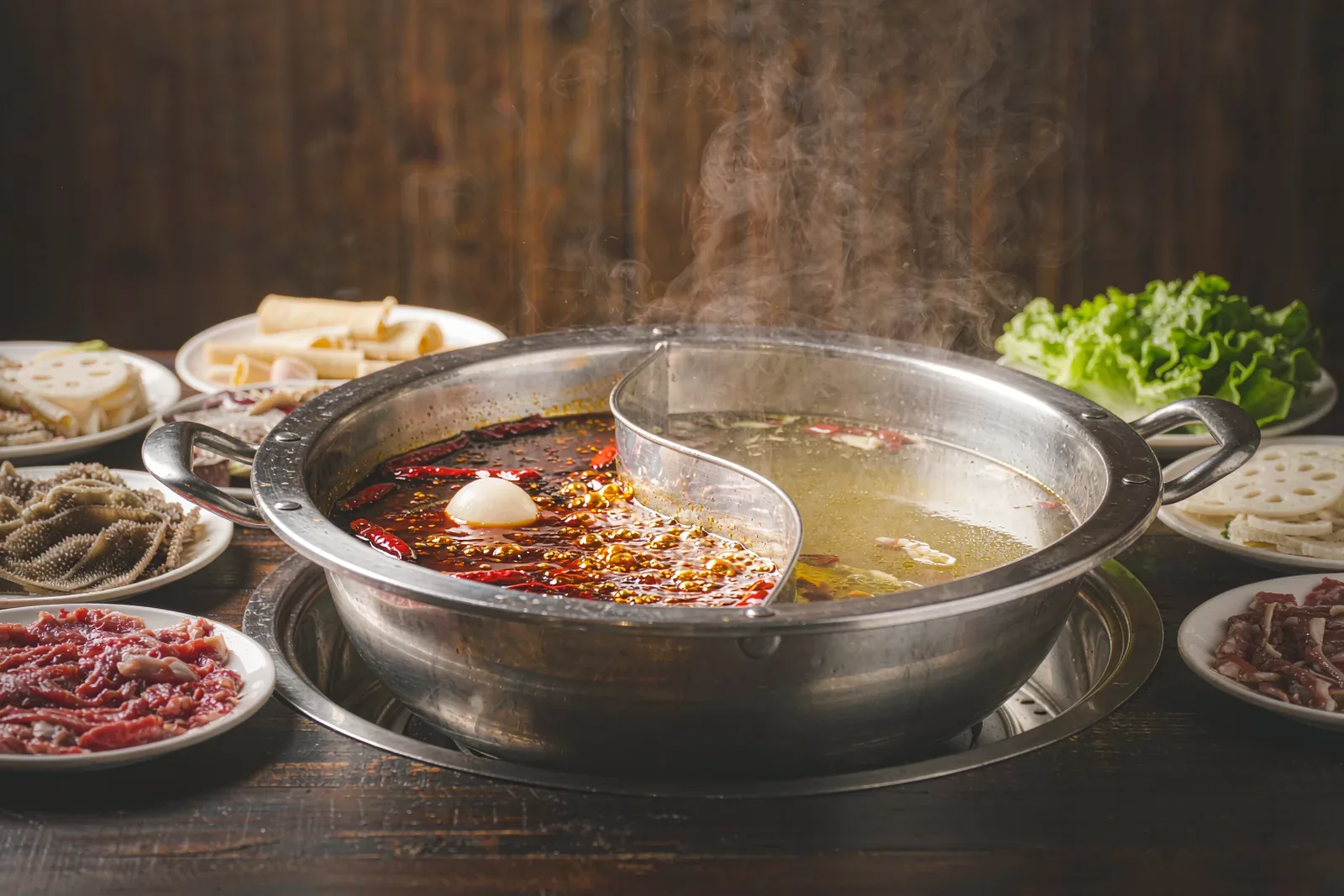
Newcomers should start strong-aroma or chilled light-aroma; a good middle path is tasting sets at restaurants or a tasting flight at a specialised bar. See the Chengdu guide for how drinking fits the Sichuan table.
The banquet grammar: toasts, order and ganbei
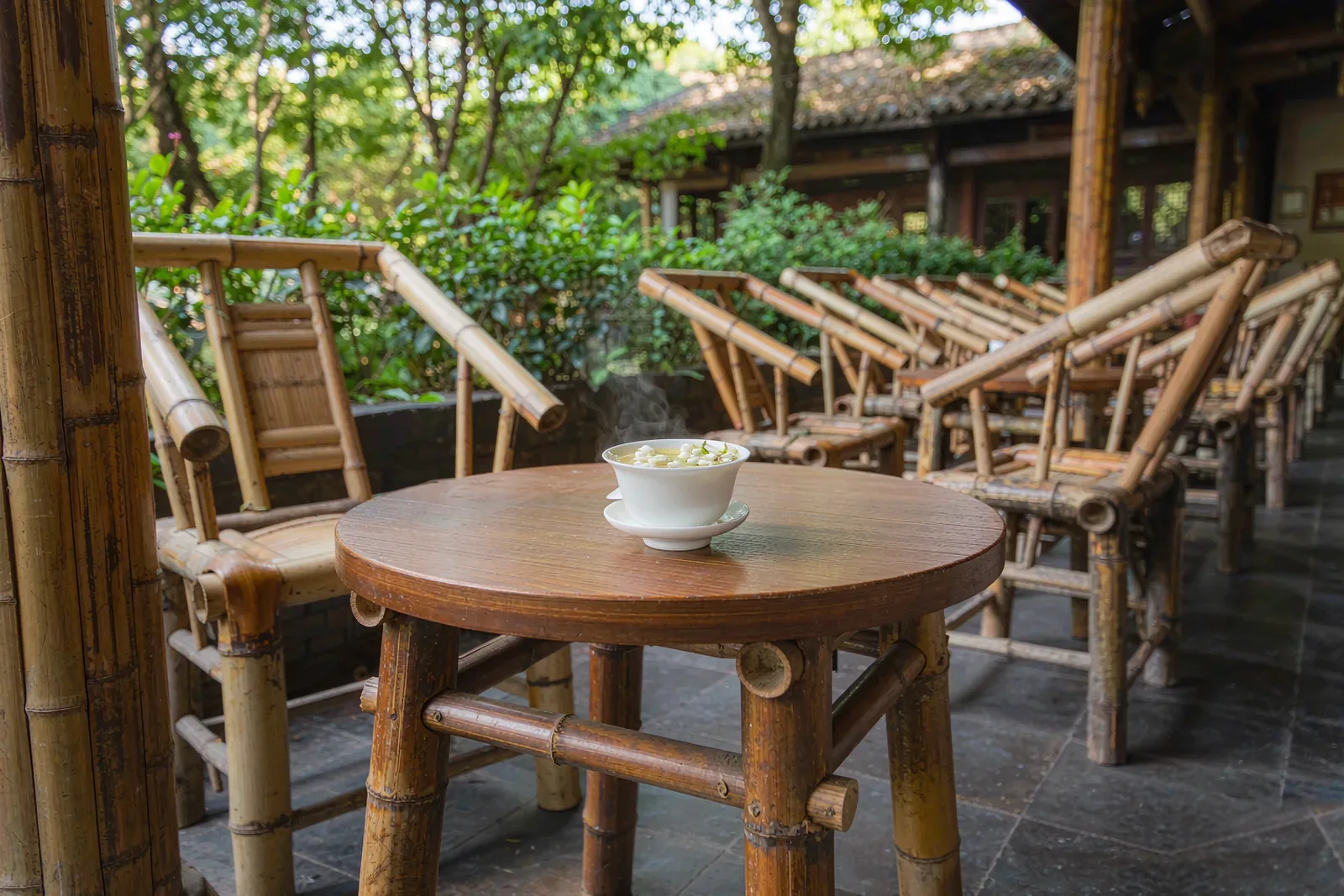
Drinking at a Chinese banquet is structured: the host toasts first; guests toast the host back; seniority and seats matter, so toast across the table in rank order. Ganbei (干杯) means drain the glass — but only when you initiate it or respond to it; sipping is always acceptable, and the polite move is matching your counterpart's level. Tap the table edge with two fingers to thank a pour (same gesture as in teahouses), and hold your glass lower than a senior's rim when clinking — a small bow in glass form.
Two relief valves everyone uses: tea toasts (a full-teacup ganbei with zero alcohol, completely respectable), and pacing food between rounds. Nobody worth impressing pushes beyond that.
Where to try it as a visitor
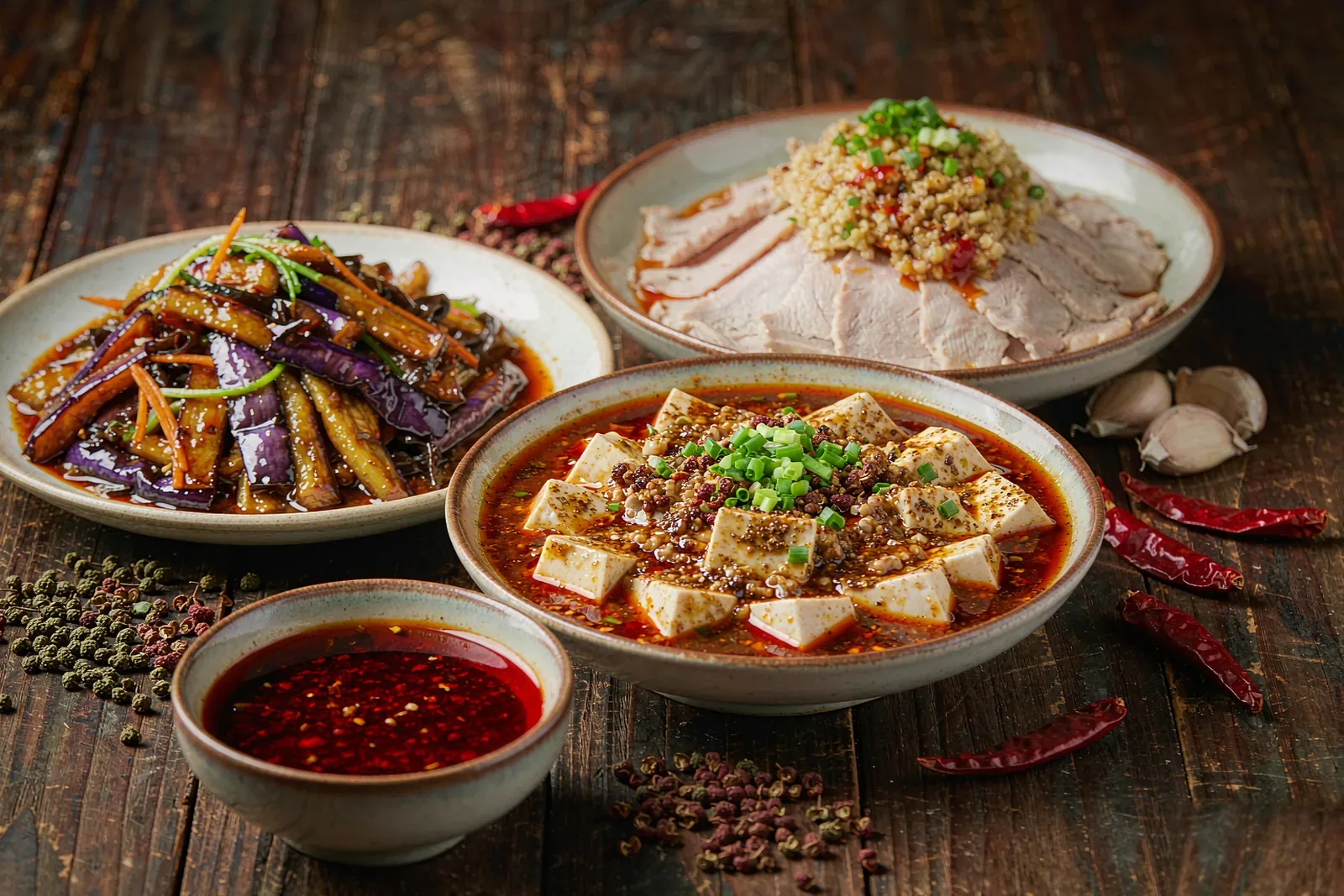
Baijiu bars in Shanghai, Beijing and Chengdu pour flights with proper glassware; the Shuijingfang (Watering Hole) museum-distillery in Chengdu runs tastings in a 600-year-old cellar — the best single introduction, and an easy add-on to any Chengdu tour. A local guide handles the toast order at business banquets and orders the right family for the table. For context on pairing: light aroma with seafood and dumplings, strong aroma with Sichuan heat, sauce aroma alone or with braised dishes. Budget ¥60–150 for tasting flights, ¥20–40 for house pours.
FAQ
Do I have to drink alcohol at banquets?
No. Say wǒ bù hē jiǔ (我不喝酒) and switch to tea or juice — hosts accommodate gracefully. The gesture of joining toasts matters more than the liquid.
Why does baijiu taste so intense?
Solid-state fermentation grows a whole ecosystem of esters into the spirit — hundreds of aroma compounds versus vodka's near-neutral profile. It is intensity by design, and it rewards slow sipping.
What is a safe, inexpensive baijiu to start with?
Chilled Erguotou (light aroma) or a small-bottle Wuliangye (strong aroma) — both widely available, honest representations of their families.
Is baijiu used in cooking too?
Yes — splash-deglazed into wok dishes and marinades, though cooking usually uses cheaper huangjiu (yellow rice wine) like Shaoxing wine, a different, lower-ABV category worth trying warm.
Related guides