Executive Health Checkups in China: A Guide for Foreign Visitors
Full-body health screening in China is fast, affordable by Western standards, and available at international-standard hospitals in every major city. If you're living here, passing through, or coming specifically for medical care, here's what an executive checkup includes, how the day runs, and how it fits visa rules.

What "executive checkup" actually means
Chinese hospitals — both public flagship institutions and international departments — offer packaged screening programs, often called executive or VIP health examinations. Typical packages include:
- Core blood work: complete blood count, liver and kidney function, lipids, blood glucose/HbA1c, thyroid panel, urinalysis.
- Cardiovascular: ECG; echocardiogram and stress testing or CT calcium scoring at higher tiers.
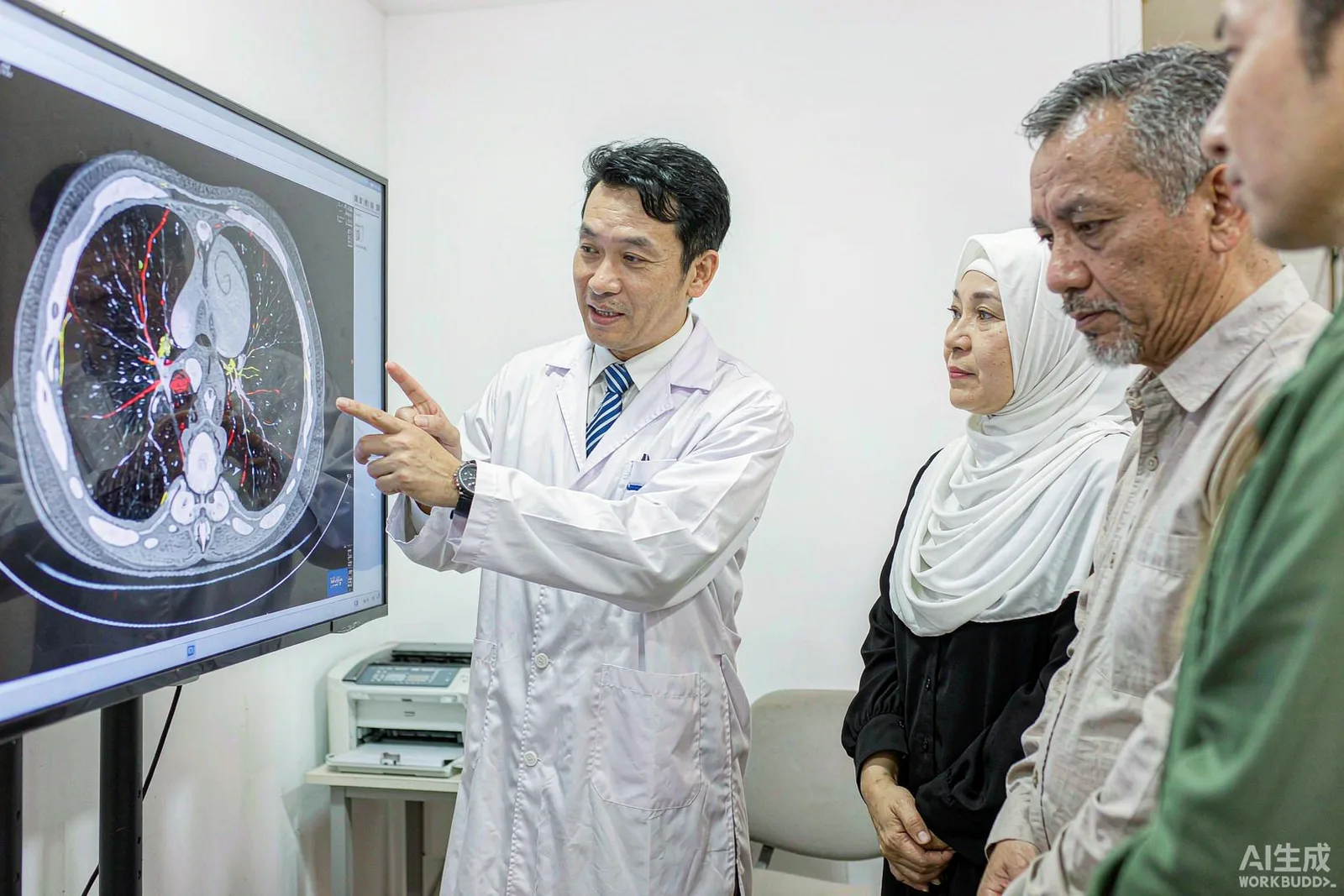
- Imaging: chest X-ray; abdominal ultrasound; low-dose chest CT or whole/upper-abdomen CT or MRI options at premium tiers.
- Cancer screening: tumour-marker blood panels (CEA, AFP, PSA/CA-125 etc.), with gastroscopy/colonoscopy or low-dose lung CT offered in top packages.
- Extras: body composition, bone density, vision and hearing, dental screening, and a physician consultation to close the day.
Packages typically run from around ¥2,000–8,000 (about $280–1,100) depending on tier and hospital — check latest prices with the provider, as menus change annually. Compared with equivalent private screening in the US or Western Europe, the value gap is significant.
How the day actually runs
Executive checkups are designed as a one-morning marathon — most tests before lunch, results assembly after:
- 7:30–8:00 am: arrive fasted (blood work requires it). VIP checkup centres give you a dedicated desk and a staff escort who walks you between stations — no queuing.
- Morning: blood draw, ultrasound, imaging, ECG, vision, dental — moving room to room in a sequence the centre manages for you.
- Break after blood work: breakfast is provided, then remaining non-fasting tests.
- Afternoon or next day: physician review of preliminary findings.
- Report: basic results same day; the full bound report (and increasingly a PDF) within a few days.
The escort model is the big difference from home: rather than navigating departments yourself, a coordinator shepherds you through a dozen stations in one morning.
Reports in English — the honest picture
International departments and VIP centres at major hospitals routinely provide English-language reports and can arrange English-speaking physicians for the closing consultation. Public-hospital general checkup streams may not — reports come in Chinese. If you need English throughout, confirm it at booking; this is precisely what our medical coordination service verifies for you, matching the clinic to your language needs and following up on the report until it's in your hands, fully translated.
Visas: how checkups fit China's rules
Two common scenarios:
- Routine screening during a normal trip: a checkup needs no special visa — standard entry status (or eligible visa-free transit under the 240-hour transit policy) covers a day at the hospital. Verify current transit eligibility for your nationality before booking flights.
- Medical treatment stays: China issues the S2 visa for short-term medical treatment — our S2 medical visa guide covers who qualifies and the paperwork. A checkup alone rarely needs it, but treatment plans do.
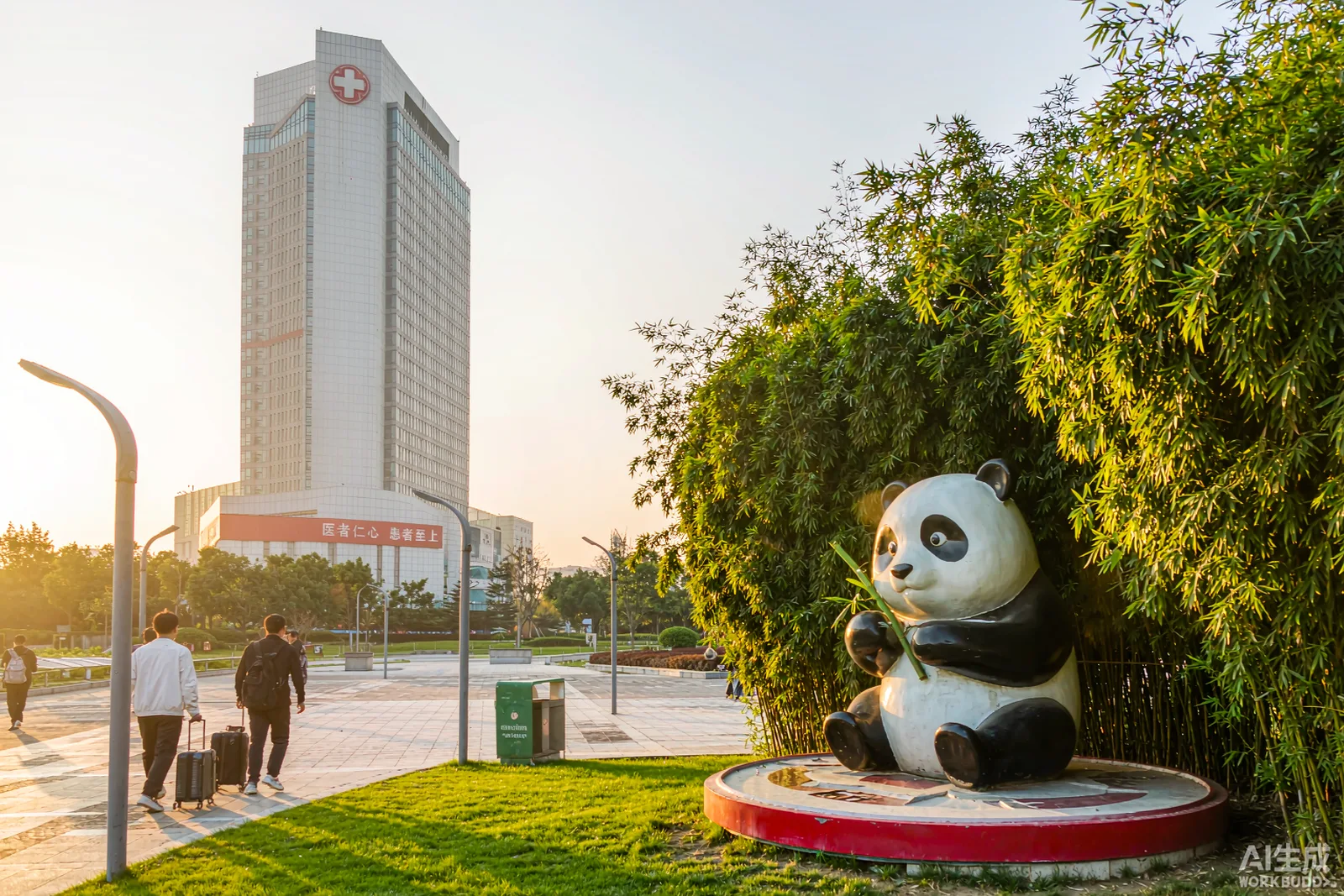
Chengdu is a practical base for screening combined with travel: strong hospitals, international departments, and recovery-friendly surroundings — see our three-day Chengdu plan for the sightseeing half. Our guides manage transfers, translation and scheduling so the medical day stays a medical day, not an administrative one.
Practical tips before you book
- Bring prior records: last year's bloodwork and imaging make trend comparisons far more useful.
- Fast 8–12 hours before blood work; skip alcohol the night before.
- Women's imaging (breast ultrasound/mammogram) should be scheduled consciously within the cycle — flag this at booking.
- Ask what's excluded: endoscopy, certain CT/MRI options and specialist consults are often add-ons.
- Confirm English report + physician in writing when reserving.
FAQ
How much does an executive checkup in China cost?
Typically approx ¥2,000–8,000 (about $280–1,100) depending on tier and hospital; premium imaging and endoscopy packages cost more. Check latest prices when booking.
Will the report be in English?
At international departments and VIP centres of major hospitals, yes — confirm at booking. General public streams may issue Chinese-only reports.
Do I need a special visa for a health checkup?
No — standard entry status covers routine screening. Short-term medical treatment can use the S2 visa; a checkup alone usually doesn't require it. Verify current rules before travel.
How long does it take?
One morning on site for most tests, with the complete report ready within a few days; preliminary findings are often discussed the same day.
Can I combine a checkup with tourism?
Yes — many visitors plan a clinic morning followed by travel days; coordination services handle scheduling, transfers and translation around your itinerary.
Related guides